

Elderberry
Overview
Elderberry most commonly refers to the dark purple berries of Sambucus nigra (European elder), though related species are also used in foods and supplements. Elderberry preparations appear in syrups, gummies, lozenges, teas, capsules, and liquid extracts, and they are widely marketed for immune support and seasonal wellness. The berries contain anthocyanins, flavonoids, and other polyphenols, compounds that have attracted scientific interest because of their antioxidant and anti-inflammatory activity in laboratory research.
Historically, elder has been used in European and North American folk herbal traditions for colds, feverish illnesses, and respiratory complaints. Modern commercial interest has centered on whether elderberry may help shorten the duration or lessen the severity of upper respiratory symptoms, particularly those associated with common viral infections. This has made elderberry one of the more visible botanicals in the cold-and-flu supplement market.
From a safety standpoint, elderberry is often described as generally well tolerated when properly prepared commercial products are used. However, raw or inadequately cooked berries, bark, leaves, and seeds from elder plants can contain compounds that may release cyanogenic substances and cause nausea, vomiting, or diarrhea. Product quality, species identification, preparation methods, and standardization all matter when interpreting both traditional use and modern research.
Overall, elderberry is best understood as a traditional botanical with some modern clinical investigation, rather than a definitively established therapy. Research suggests possible benefits for certain respiratory symptoms, but findings remain mixed, product formulations vary widely, and major health organizations generally frame elderberry as a supplement with promising but not conclusive evidence. People with chronic illness, autoimmune conditions, pregnancy-related concerns, or medication-related questions are generally advised to discuss supplement use with a qualified healthcare professional.
Medical Perspectives
Two Ways of Seeing Health

Western
scientific · clinical
Western medicine applies science, technology, and clinical experience to treat symptoms through testing, diagnosis, and targeted intervention.

Eastern
traditional · alternative
Eastern medicine focuses on treating the body naturally by applying traditional knowledge practiced for thousands of years, emphasizing balance and whole-person wellness.
Gold Bamboo presents both perspectives side-by-side so you can make informed decisions. We don't advocate for one over the other — your health choices are yours.
Western Medicine Perspective
Western Medicine Perspective
In conventional medicine, elderberry is evaluated primarily as a dietary supplement rather than as a standard medical treatment. Researchers have explored its potential effects on viral attachment, inflammatory signaling, and oxidative stress in cell and animal models, but these mechanisms do not automatically translate into clinical benefit in humans. The most studied use is for upper respiratory tract symptoms, including cold- and flu-like illness.
Clinical studies and reviews have reported mixed results. Some small randomized trials and meta-analyses have suggested that elderberry preparations may reduce the duration or severity of respiratory symptoms under certain conditions. At the same time, the evidence base has important limitations: small sample sizes, inconsistent formulations, varying doses, short follow-up periods, and differences in study populations. Because of this, conventional medicine does not generally regard elderberry as a replacement for vaccination, antiviral drugs, or other established medical care.
Safety discussions in western medicine focus on preparation quality and potential adverse effects. Commercially prepared products are generally considered safer than homemade preparations because raw elder plant parts may contain toxic constituents. Reported side effects can include gastrointestinal upset. There is also theoretical concern about immune modulation, which is why clinicians may raise caution for people with autoimmune disease, transplant histories, or complex medication regimens, although high-quality data in these groups are limited. As with many supplements, regulation and standardization are less rigorous than for prescription drugs, so product variability remains a key issue.
From an evidence-based standpoint, elderberry is viewed as a promising but incompletely established supportive supplement. Healthcare providers typically interpret the literature cautiously and may encourage patients to consider supplement-drug interactions, underlying conditions, and the quality of the product being considered.
Eastern & Traditional Perspective
Eastern / Traditional Medicine Perspective
Elderberry is not a central herb in classical Traditional Chinese Medicine (TCM) or Ayurveda in the same way it is in European herbalism, but traditional and integrative practitioners may still discuss it through broader energetic and constitutional frameworks. In Western folk herbalism and naturopathy, elderberry has traditionally been used during seasonal respiratory illness, often in syrup or decoction form, and is associated with supporting the body during periods of cold, damp, or congestive patterns.
Within a naturopathic or traditional Western herbal context, elderberry is often categorized as a gentle, supportive botanical for the upper respiratory tract, while elderflower is more commonly associated with diaphoresis and fever support in traditional texts. The emphasis is usually on helping the body’s natural defenses rather than directly “treating” a pathogen in the conventional pharmaceutical sense. Traditional use also recognizes that different parts of the elder plant have different properties and safety considerations, with the berry being the most common supplemental form.
In integrative East-West practice, elderberry may be interpreted functionally rather than classically: for example, as a plant with a potentially cooling, dispersing, or surface-supportive role in acute seasonal patterns, depending on the practitioner’s framework. However, because elderberry is not a major foundational herb in TCM or Ayurveda, its use in those systems is often adapted through modern integrative herbalism rather than drawn directly from ancient primary sources.
Traditional medicine perspectives generally place importance on constitution, season, digestion, and preparation method. They also tend to emphasize that botanicals are best understood within a broader pattern-based assessment. For that reason, traditional practitioners often frame elderberry as one tool among many rather than a stand-alone answer, and consultation with a qualified practitioner is commonly considered important when symptoms are recurrent, severe, or medically complex.
Supplements & Products
Recommended Products

Herbal Antivirals: Natural Remedies for Emerging & Resistant Viral Infections: Buhner, Stephen Harrod
Stephen Harrod Buhner is the <strong>author of Herbal Antivirals, Herbal Antibiotics (now in its second edition),</strong> and 17 other works including Herbs for Hepatitis C and the Liver, Sacred Plan
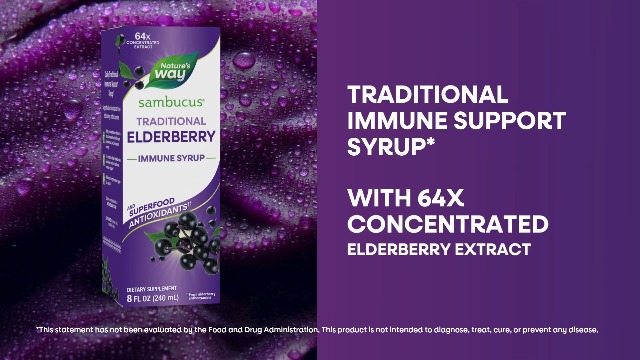
Nature's Way Sambucus Traditional Immune Elderberry Syrup for Ages 7+, Traditional Immune & Antioxidant Support*, Organic Black Elderberry Extract, USDA Certified Organic, 4 Fl Oz (Packaging May Vary)
Organic Black Elder (Sambucus nigra L.) (berry) Extract standardized to anthocyanins from <strong>3,200 mg of premium cultivar elderberries per teaspoon</strong>; Organic Agave Syrup; Purified Water;

Frontier Co-op Dried Elderberries, European Whole - Non-GMO Elderberry Dried Fruit for Powder, Tea, Immune Support - Kosher | 16 Ounce (Pack of 1)
1 LB DRIED ELDERBERRIES: Frontier Co-op Elderberries are <strong>used to make elderberry tea, jams, syrups, juices, elderberry powder, and are traditionally used to support a healthy immune system</st
Evidence & Sources
Promising research with growing clinical support from multiple studies
- National Center for Complementary and Integrative Health (NCCIH)
- Natural Medicines Database
- Cochrane Library
- BMC Complementary Medicine and Therapies
- Journal of International Medical Research
- Nutrients
- European Medicines Agency (EMA)
- World Health Organization (WHO)
This content is for informational purposes only and does not constitute medical advice. Always consult a qualified healthcare provider before starting, stopping, or changing any supplement or medication regimen.