

Epigallocatechin Gallate
Also known as: EGCG, Green Tea Extract, Epigallocatechin Gallate, Epigallocatechin-3-Gallate
Overview
Epigallocatechin gallate (EGCG) is one of the best-known catechins found in green tea (Camellia sinensis) and is widely studied as a plant-derived polyphenol. It is often discussed in the context of antioxidant activity, though modern research also examines its effects on cell signaling, inflammation, metabolism, vascular function, and oxidative stress pathways. As a supplement, EGCG is commonly marketed for weight management, cardiovascular wellness, and general cellular support, and it is also consumed naturally through brewed green tea.
Interest in EGCG has grown because green tea intake has long been associated in observational research with various health benefits, including support for cardiometabolic health and healthy aging patterns. However, it is important to distinguish between evidence on green tea as a beverage and evidence on isolated EGCG supplements, which may behave differently in the body and may carry different safety considerations. Dose, formulation, fasting status, and overall diet can all influence how EGCG is absorbed and tolerated.
Research suggests EGCG may interact with multiple biological mechanisms. These include effects on free-radical balance, modulation of inflammatory mediators, influence on lipid and glucose metabolism, and possible support for endothelial function. Laboratory studies have also explored EGCG in relation to cell cycle regulation and apoptosis, which is one reason it receives attention in discussions of cellular health. Still, findings from cell and animal studies do not always translate directly into meaningful clinical outcomes in humans.
From a safety perspective, EGCG is often considered beneficial when consumed as part of traditional tea intake, but concentrated extracts have raised concerns in some settings, particularly regarding liver-related adverse events at higher doses or under fasting conditions. For that reason, healthcare-provider guidance is commonly emphasized for people considering concentrated green tea extract products, especially those with liver conditions, those who are pregnant, or those taking medications that may interact with supplements.
Medical Perspectives
Two Ways of Seeing Health

Western
scientific · clinical
Western medicine applies science, technology, and clinical experience to treat symptoms through testing, diagnosis, and targeted intervention.

Eastern
traditional · alternative
Eastern medicine focuses on treating the body naturally by applying traditional knowledge practiced for thousands of years, emphasizing balance and whole-person wellness.
Gold Bamboo presents both perspectives side-by-side so you can make informed decisions. We don't advocate for one over the other — your health choices are yours.
Western Medicine Perspective
Western Medicine Perspective
In conventional medicine and nutrition science, EGCG is viewed as a bioactive phytochemical with plausible mechanisms but mixed clinical evidence depending on the outcome studied. Human trials have investigated EGCG and green tea extracts for body weight, lipid levels, blood pressure, insulin sensitivity, endothelial function, and biomarkers of oxidative stress or inflammation. Overall, studies indicate that any effects tend to be modest, and results are not always consistent across populations, formulations, and dose ranges.
For weight management, research has suggested a possible small effect on energy expenditure or fat oxidation in some contexts, but systematic reviews generally find that benefits are limited and not uniformly reproducible. For cardiovascular health, evidence is somewhat stronger for green tea consumption patterns than for isolated EGCG alone; some studies report favorable changes in cholesterol, vascular function, or cardiometabolic biomarkers, but the magnitude and clinical significance remain under discussion. In oncology and cellular health research, EGCG has attracted major interest because of mechanistic data, yet this area remains largely investigational rather than established clinical practice.
Safety is an important part of the western medical discussion. While tea drinking is broadly regarded as low risk for most adults, concentrated green tea extract or high-EGCG supplements have been associated in case reports and regulatory reviews with liver injury, especially at higher intakes. Western sources therefore often stress product quality, dose variability, and the difference between dietary exposure and supplemental exposure. EGCG may also affect drug metabolism or interact with certain medications, underscoring the need for individualized review with a qualified healthcare professional.
Eastern & Traditional Perspective
Eastern / Traditional Medicine Perspective
In Traditional Chinese Medicine (TCM), green tea is understood through the broader properties of the tea leaf rather than through EGCG as an isolated molecule. Traditionally, green tea has been used to help clear heat, support alertness, aid digestion after heavy meals, and promote a sense of lightness. In this framework, its effects are interpreted in terms of balance, energetics, and functional patterns rather than antioxidant chemistry. The modern focus on EGCG can be seen as a biochemical lens applied to a plant that has long held a valued place in traditional dietary practice.
In Ayurvedic and naturopathic perspectives, polyphenol-rich botanicals such as green tea are often discussed in relation to metabolic balance, healthy aging, and protection from environmental stressors. Ayurveda does not traditionally describe EGCG specifically, but green tea or similar bitter/astringent plant substances may be interpreted according to their influence on agni (digestive/metabolic function), tissue balance, and heat or stimulation in the system. Naturopathic traditions may frame EGCG-containing plants as supportive for oxidative balance and cardiometabolic resilience, while generally emphasizing whole-plant context, diet, and overall lifestyle patterns.
A key difference between traditional systems and modern supplement use is that classical practices usually involve tea preparations and food-like use, not highly concentrated isolated extracts. Many traditional frameworks place importance on preparation, constitution, season, and symptom pattern, which can differ substantially from standardized supplement models. As a result, eastern and traditional perspectives may regard EGCG less as a stand-alone solution and more as one active constituent within a broader therapeutic and dietary context.
Supplements & Products
Recommended Products
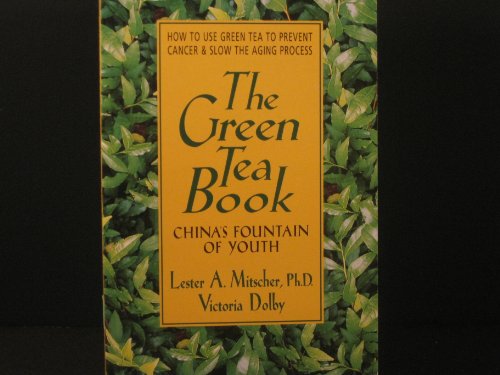
The Green Tea Book: Mitscher, Lester A., Toews, Victoria
<strong>Discover the ancient Chinese secret to a long, healthy life-with just three cups of green tea per day</strong>. The Green Tea Book has been a trusted resource for almost a decade. Now, chemist

NOW Foods Supplements, EGCg Green Tea Extract ,Dietary,400 mg, Free Radical Scavenger*, 180 Veg Capsules
FREE RADICAL SCAVENGER*: One capsule of NOW Green Tea Extract with 200 mg EGCg/80 percent catechins possesses the phytonutrient content equal to about 2-3 cups of green tea
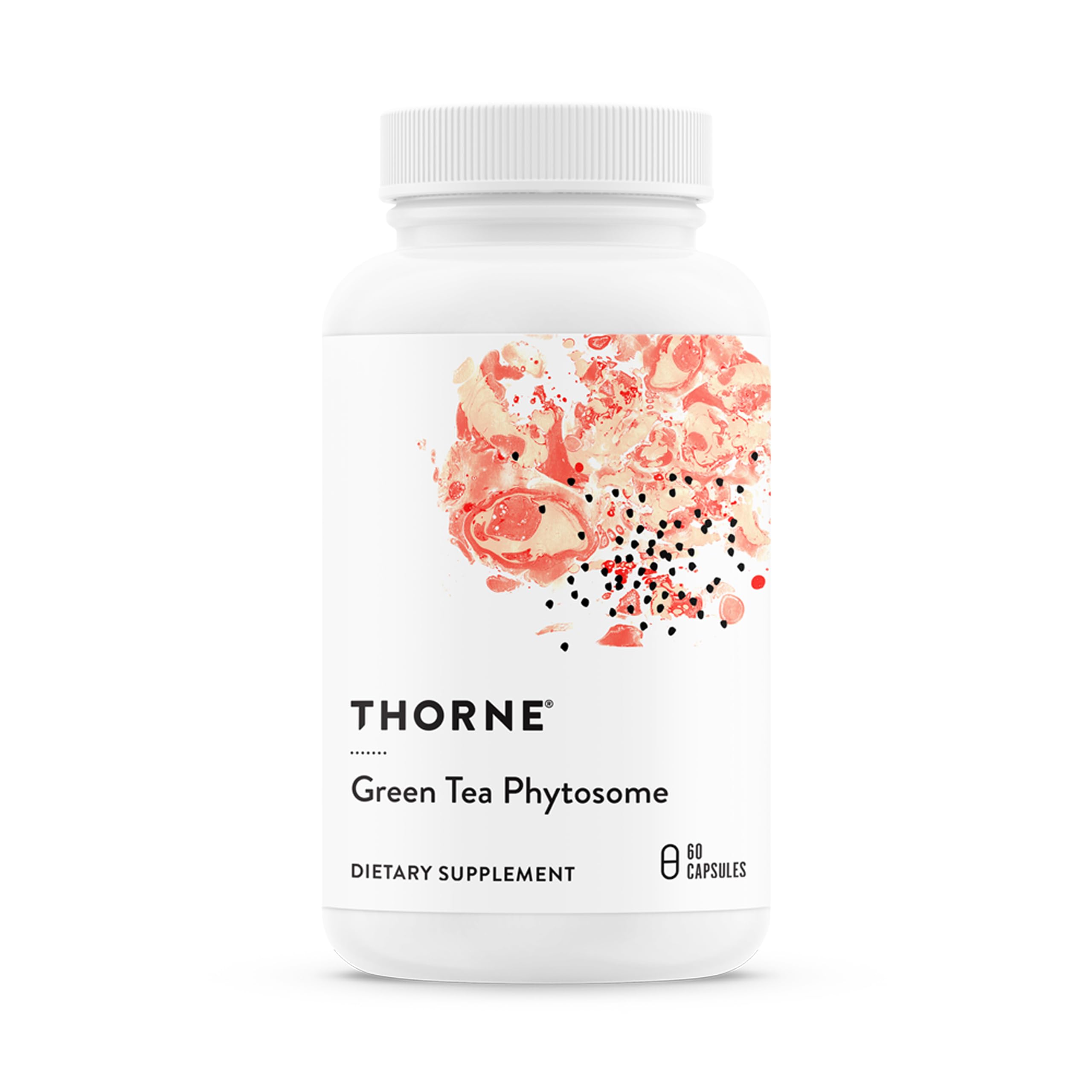
THORNE - Green Tea Phytosome - Antioxidant, Liver Protective, and Metabolic Benefits* of Green Tea Without The Caffeine - 60 Capsules
One Capsule Contains: Green Tea Phytosome decaffeinated* (leaf) (Camellia sinensis extract (leaf) / Phospholipid complex from Sunflower) 250 mg.
Evidence & Sources
Promising research with growing clinical support from multiple studies
- National Institutes of Health Office of Dietary Supplements
- National Center for Complementary and Integrative Health (NCCIH)
- European Food Safety Authority (EFSA)
- Cochrane Database of Systematic Reviews
- American Journal of Clinical Nutrition
- Molecular Nutrition & Food Research
- Journal of Nutrition
- Chemical Research in Toxicology
This content is for informational purposes only and does not constitute medical advice. Always consult a qualified healthcare provider before starting, stopping, or changing any supplement or medication regimen.