

Diindolylmethane
Also known as: DIM, DIM Supplement, Diindolylmethane
Overview
Diindolylmethane (DIM) is a naturally occurring compound formed in the body when indole-3-carbinol, a substance found in cruciferous vegetables such as broccoli, Brussels sprouts, cabbage, and kale, is broken down during digestion. As a supplement, DIM is widely discussed in relation to estrogen metabolism, and interest commonly centers on topics such as hormone balance, acne, premenstrual symptoms, and so-called “estrogen dominance.” It is also studied in broader areas of endocrine and cellular health because of its effects on signaling pathways involved in hormone metabolism and detoxification.
From a scientific standpoint, DIM has attracted attention because it appears to influence how the body processes estrogens, including the balance between different estrogen metabolites. Research suggests DIM may affect enzyme systems involved in hormone metabolism, particularly in the liver, and may also interact with androgen and estrogen signaling in ways that are biologically meaningful. These mechanisms help explain why DIM is often marketed for concerns related to the skin, menstrual cycles, and hormone-sensitive tissues. However, the translation from laboratory findings to clear clinical benefits remains incomplete, and human evidence is still developing.
DIM is especially popular among people seeking non-pharmaceutical support for adult acne, cyclical breast tenderness, menstrual irregularity, perimenopausal symptoms, and wellness approaches related to hormone-sensitive conditions. At the same time, this is an area where terminology can become imprecise. Phrases like “hormone balance” and “estrogen dominance” are commonly used in wellness settings, but they do not always correspond to standardized medical diagnoses. Conventional medicine typically evaluates these symptoms through specific clinical frameworks rather than through broad hormone-balance concepts alone.
A balanced view of DIM recognizes both its plausible biological rationale and its limitations. Studies indicate that diet patterns rich in cruciferous vegetables are associated with multiple health benefits, but isolated DIM supplementation is not identical to consuming whole foods. Because DIM may alter estrogen-related pathways and potentially interact with medications, its use is best understood within the broader context of individual health status, reproductive stage, and guidance from a qualified healthcare professional.
Medical Perspectives
Two Ways of Seeing Health

Western
scientific · clinical
Western medicine applies science, technology, and clinical experience to treat symptoms through testing, diagnosis, and targeted intervention.

Eastern
traditional · alternative
Eastern medicine focuses on treating the body naturally by applying traditional knowledge practiced for thousands of years, emphasizing balance and whole-person wellness.
Gold Bamboo presents both perspectives side-by-side so you can make informed decisions. We don't advocate for one over the other — your health choices are yours.
Western Medicine Perspective
Western Medicine Perspective
In conventional medicine, DIM is primarily viewed as a bioactive phytochemical with potential effects on estrogen metabolism and hormone signaling. Researchers have examined DIM in relation to the ratio of estrogen metabolites such as 2-hydroxyestrone and 16alpha-hydroxyestrone, as shifts in these pathways have been hypothesized to influence health outcomes. DIM has also been studied for possible effects on androgen activity, inflammatory signaling, and cell-cycle regulation, which helps explain interest in areas such as acne and hormone-sensitive tissues.
Clinical evidence in humans is promising but not definitive. Some studies suggest DIM supplementation can change urinary estrogen metabolite patterns, indicating a measurable effect on hormone metabolism. There has also been research interest in DIM and cervical cellular changes, prostate health, and breast tissue biology. However, many studies are small, short-term, preliminary, or focused on biomarkers rather than meaningful long-term clinical outcomes. For common consumer uses such as acne, PMS, or general “hormone balance,” the evidence base is still limited, and major medical organizations do not currently treat DIM as a standard therapy.
Safety considerations are important. DIM is generally described as reasonably well tolerated in short-term studies, but reported side effects may include gastrointestinal upset, headache, darkened urine, and changes in menstrual patterns. Because DIM may influence estrogen pathways, caution is often noted for people with hormone-sensitive conditions, those who are pregnant or breastfeeding, and individuals taking medications that affect hormones or are metabolized through liver enzyme systems. As with many supplements that affect endocrine pathways, medical evaluation is important when symptoms such as irregular bleeding, severe acne, breast changes, or pelvic pain are present, since these can have multiple underlying causes.
Eastern & Traditional Perspective
Eastern/Traditional Medicine Perspective
Traditional systems such as Traditional Chinese Medicine (TCM), Ayurveda, and naturopathic nutrition generally do not classify DIM as a classical remedy, since it is a modern isolated compound rather than a historic herb or mineral medicine. Even so, its use is often interpreted through traditional frameworks that emphasize metabolic balance, liver function, elimination, inflammation, and cyclical hormonal rhythm. In this context, DIM is frequently discussed as a concentrated derivative of foods long valued for supporting internal balance.
In TCM-informed interpretations, symptoms that lead people to consider DIM—such as cyclical acne, breast tenderness, irritability, or irregular menses—might be viewed through patterns involving Liver qi stagnation, heat, phlegm accumulation, or blood stasis, depending on the individual presentation. Rather than focusing on a single molecule, traditional East Asian medicine typically emphasizes the broader pattern: digestion, emotional stress, sleep, menstrual history, and constitutional tendencies all help shape the assessment. DIM may therefore be discussed as part of a modern nutritional strategy, but it is not a substitute for traditional pattern differentiation.
In Ayurvedic and naturopathic perspectives, interest in DIM often overlaps with themes of supporting the body’s natural detoxification and endocrine regulation. Practitioners may conceptually relate its use to maintaining healthy transformation and elimination processes, especially where skin flares or menstrual symptoms are seen as expressions of deeper imbalance. That said, traditional medicine systems generally place greater importance on diet, digestion, lifestyle rhythm, stress burden, and individualized constitution than on any single isolated supplement. This perspective tends to regard DIM as one possible modern adjunct within a much wider view of whole-person care.
Across these traditions, the key distinction is that symptom patterns matter more than supplement labels. While modern users may seek DIM for “estrogen support,” traditional medicine frameworks typically avoid assuming one mechanism fits all cases. Consultation with a knowledgeable healthcare professional is especially important when combining supplements with herbal formulas, hormone-related therapies, or care for reproductive and endocrine concerns.
Supplements & Products
Recommended Products
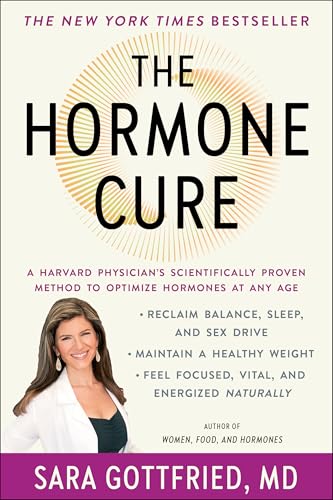
The Hormone Cure: Reclaim Balance, Sleep and Sex Drive; Lose Weight; Feel Focused, Vital, and Energized Naturally with the Gottfried Protocol: Gottfried, Dr. Sara, Northrup, Dr. Christianne
Sara Gottfried, a Harvard-educated ... In The Hormone Cure, <strong>she shares the unique hormone-balancing program that she has used to help thousands of women reclaim wellness, verve, and optimal he

Nature's Way DIM-Plus Supplement, Diindolylmethane, 120 Capsules
Research shows <strong>diindolylmethane increases the level of “favorable” estrogens (2-hydroxyestrogen) while reducing the level of “less favorable” estrogens (16-hydroxyestrogen).</strong>* Product
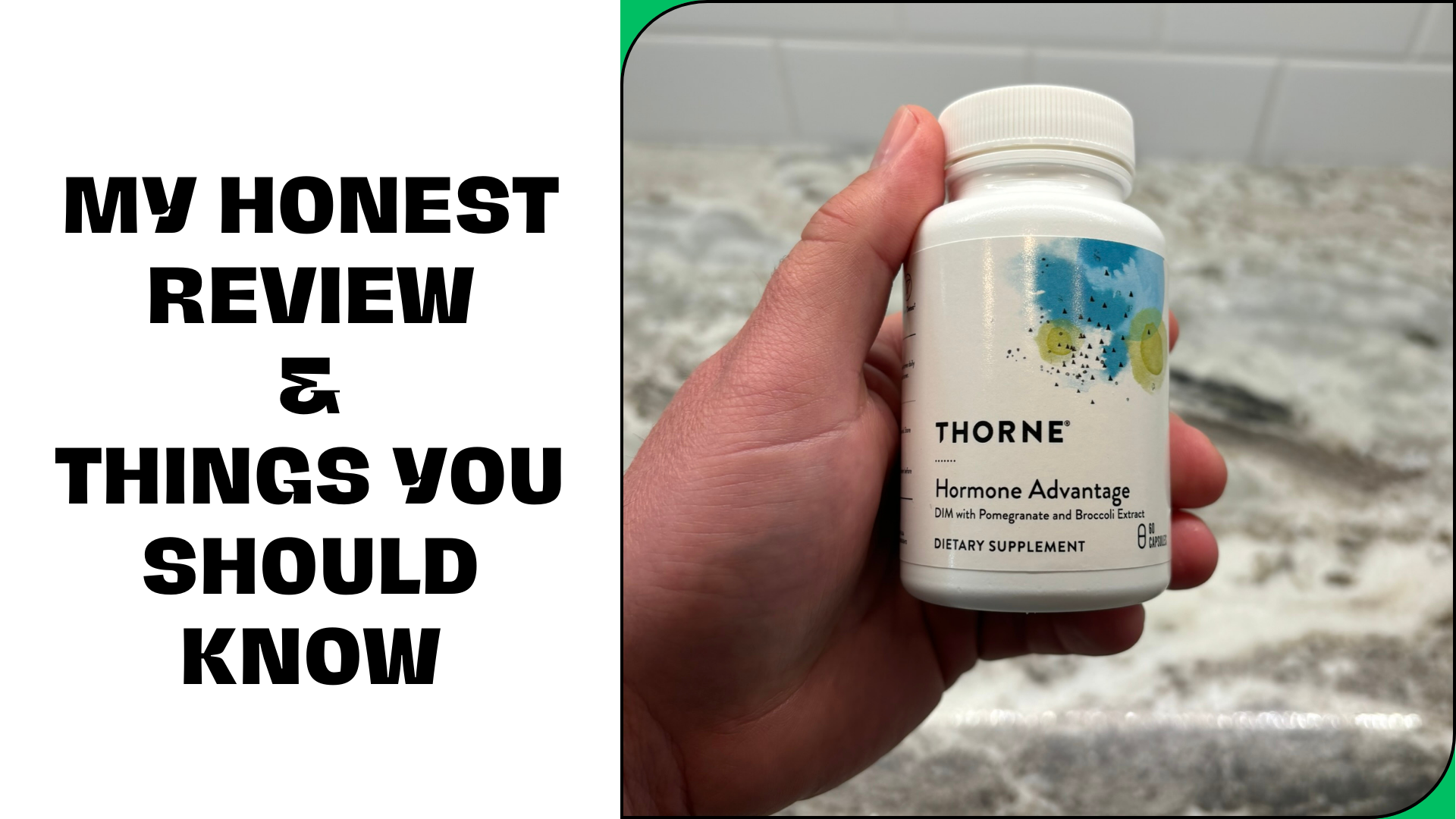
THORNE - Hormone Advantage - Estrogen Support & Hormone Balance for Men & Women* - Featuring DIM & Pomegranate Extract - Gluten, Dairy & Soy-Free - 60 Servings
Buy THORNE - Hormone Advantage - Estrogen Support & Hormone Balance for Men & Women* - Featuring DIM & Pomegranate Extract - Gluten, Dairy & Soy-Free - 60 Servings on Amazon.com ✓ FREE
Evidence & Sources
Promising research with growing clinical support from multiple studies
- National Institutes of Health Office of Dietary Supplements
- National Center for Complementary and Integrative Health (NCCIH)
- Memorial Sloan Kettering Cancer Center Integrative Medicine: About Herbs
- Nutrition and Cancer
- Cancer Epidemiology, Biomarkers & Prevention
- The Journal of Nutrition
- Pharmacology & Therapeutics
- Anticancer Research
This content is for informational purposes only and does not constitute medical advice. Always consult a qualified healthcare provider before starting, stopping, or changing any supplement or medication regimen.