

Dehydroepiandrosterone
Also known as: DHEA, Prasterone, Dehydroepiandrosterone
Overview
Dehydroepiandrosterone (DHEA) is an endogenous steroid hormone produced primarily by the adrenal glands, with smaller amounts made in the ovaries, testes, and brain. It serves as a precursor hormone, meaning it can be converted in the body into androgens and estrogens. Blood levels of DHEA and its sulfate form, DHEA-S, typically peak in early adulthood and decline with age, which has made DHEA a frequent topic in conversations about healthy aging, vitality, libido, mood, and hormone balance. As a supplement, DHEA is widely marketed in integrative and anti-aging spaces, but its physiologic role is more complex than simple "replacement."
Interest in DHEA stems from associations between lower DHEA levels and aging-related changes in body composition, bone density, sexual function, immune signaling, and well-being. However, an association does not necessarily mean deficiency is the cause of symptoms, and routine supplementation remains controversial. Research suggests that DHEA may have a role in selected situations, including adrenal insufficiency, vaginal atrophy when used locally in specific formulations, and certain areas of reproductive medicine, but evidence is mixed for broad claims related to energy, cognition, muscle strength, anti-aging, or general wellness.
Because DHEA is hormonally active, it occupies a unique place among supplements. Unlike many plant-based products, it can influence endocrine pathways, including testosterone and estrogen metabolism. This means its effects may differ substantially by age, sex, baseline hormone status, dose, route of administration, and underlying medical conditions. Potential concerns include acne, hair changes, mood effects, alterations in lipid profiles, and hormone-sensitive conditions. For that reason, discussions around DHEA often include the importance of individualized evaluation and clinician oversight rather than broad, one-size-fits-all use.
From a public health and consumer education perspective, DHEA highlights a recurring theme in integrative medicine: a compound may be biologically plausible and widely used, yet still have limited or condition-specific evidence. For readers exploring DHEA for energy, libido, adrenal support, or age-related hormone concerns, the key issue is not whether DHEA is "natural," but whether there is a clearly defined indication, an appropriate safety context, and evidence supporting meaningful benefit.
Medical Perspectives
Two Ways of Seeing Health

Western
scientific · clinical
Western medicine applies science, technology, and clinical experience to treat symptoms through testing, diagnosis, and targeted intervention.

Eastern
traditional · alternative
Eastern medicine focuses on treating the body naturally by applying traditional knowledge practiced for thousands of years, emphasizing balance and whole-person wellness.
Gold Bamboo presents both perspectives side-by-side so you can make informed decisions. We don't advocate for one over the other — your health choices are yours.
Western Medicine Perspective
Western Medicine Perspective
In conventional medicine, DHEA is understood primarily as a circulating adrenal prohormone and a biomarker of adrenal and endocrine function. Clinicians most often measure DHEA-S rather than DHEA itself because it is more stable in blood. DHEA-S testing may be used in the evaluation of adrenal disorders, androgen excess, certain menstrual or fertility concerns, and differential diagnosis of endocrine conditions. In this framework, DHEA is not generally viewed as a universal anti-aging therapy, but rather as a hormone-related compound with specific physiologic and diagnostic relevance.
Research on DHEA supplementation has produced mixed results. Studies indicate possible benefit in some people with adrenal insufficiency, particularly for aspects of mood, sexual well-being, or quality of life, though findings are not uniform. In women with genitourinary syndrome of menopause, a prescription intravaginal form of DHEA (prasterone) has evidence for improving vaginal dryness and painful intercourse. In contrast, evidence for oral DHEA in healthy older adults has generally been modest or inconsistent for outcomes such as muscle mass, strength, cognition, fatigue, or general anti-aging effects. Investigations in depression, lupus, infertility, and bone health have shown signals of benefit in some trials, but not enough consistency to support sweeping conclusions.
Safety is a major part of the conventional assessment. Because DHEA can convert to estrogenic and androgenic hormones, adverse effects may include acne, oily skin, hirsutism, scalp hair thinning, menstrual changes, mood changes, and possible effects on cholesterol or insulin sensitivity. There are also concerns for people with hormone-sensitive cancers or conditions, including certain breast, ovarian, uterine, or prostate disorders. Product quality can vary in the supplement market, and hormone testing, medication interactions, and contraindications may complicate use. In mainstream practice, these factors generally place DHEA in a category where targeted medical context matters more than general wellness marketing.
Eastern & Traditional Perspective
Eastern/Traditional Medicine Perspective
Traditional medical systems such as Traditional Chinese Medicine (TCM) and Ayurveda do not historically describe DHEA as a standalone therapeutic agent, because it is a modern isolated hormone precursor rather than a classical herb or formula. Even so, the symptoms that lead people to explore DHEA—such as reduced vitality, low libido, fatigue, age-related decline, or perceived adrenal depletion—are often interpreted through broader functional patterns. In TCM, these concerns may be discussed in relation to Kidney Jing deficiency, Kidney Yang deficiency, or depletion of foundational essence, especially when aging, reproductive vitality, bone health, or endurance are involved. In Ayurveda, similar presentations may be framed in terms of declining ojas, weakened reproductive tissue (shukra/artava dhatu), stress burden, or age-related shifts in doshic balance.
From an eastern perspective, the emphasis is usually less on replacing a single hormone and more on restoring systemic balance through patterns involving sleep, digestion, stress resilience, reproductive health, and constitutional strength. Traditional approaches may include herbal formulas, dietary therapy, breathwork, movement practices, and seasonal or life-stage adjustments intended to support overall vitality. Within naturopathic and integrative traditions, DHEA may sometimes be discussed as one tool among many in hormone-related care, but usually alongside the idea that symptoms arise from multi-system imbalance, not simply low laboratory values.
A balanced integrative interpretation recognizes both overlap and limitation. Modern hormone physiology gives DHEA a measurable biochemical role, while traditional systems contribute broader frameworks for understanding aging, resilience, libido, and constitutional depletion. However, the use of supplemental DHEA itself is not a traditional remedy in classical eastern texts, so evidence for it within these systems is mostly indirect or extrapolated from modern integrative practice rather than longstanding traditional use.
Supplements & Products
Recommended Products
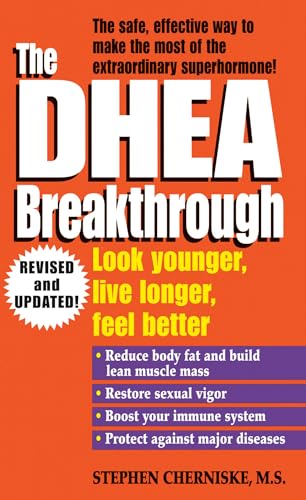
The DHEA Breakthrough: Look Younger, Live Longer, Feel Better: Cherniske, Stephen A.
Stephen Cherniske, a biochemist ... helpfulness for <strong>boosting libido and immune function, improving bone density, aiding weight loss, relieving depression and atherosclerosis, and even reducing
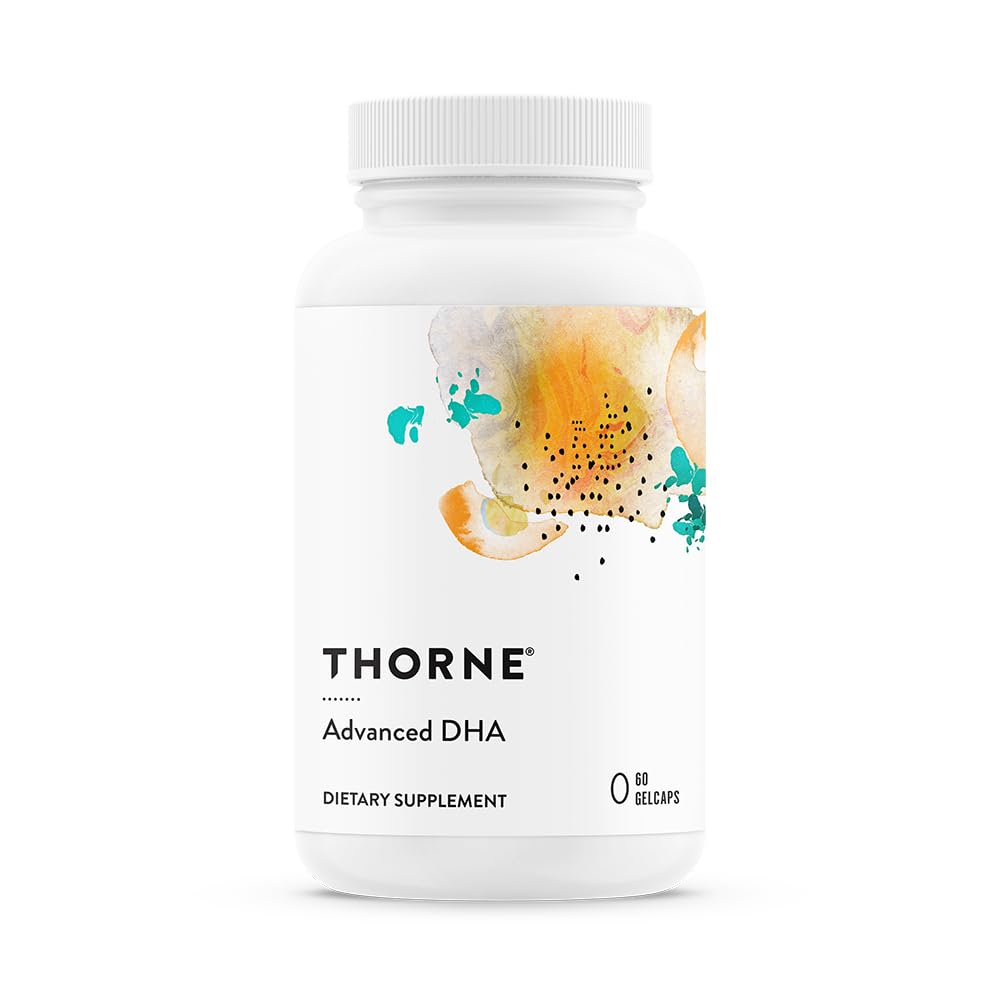
THORNE - Advanced DHA - 650 mg DHA and 200 mg of EPA - Supports Healthy Brain Aging and Nerve Function* - 60 gelcaps
Save 5% now and up to 10% on repeat deliveries. ... Pattern. Pattern. ... No fees. Skip or cancel anytime. ... DHA + EPA: <strong>Provides 650 mg of DHA and 200 mg of EPA per serving</strong>. Mint-fl
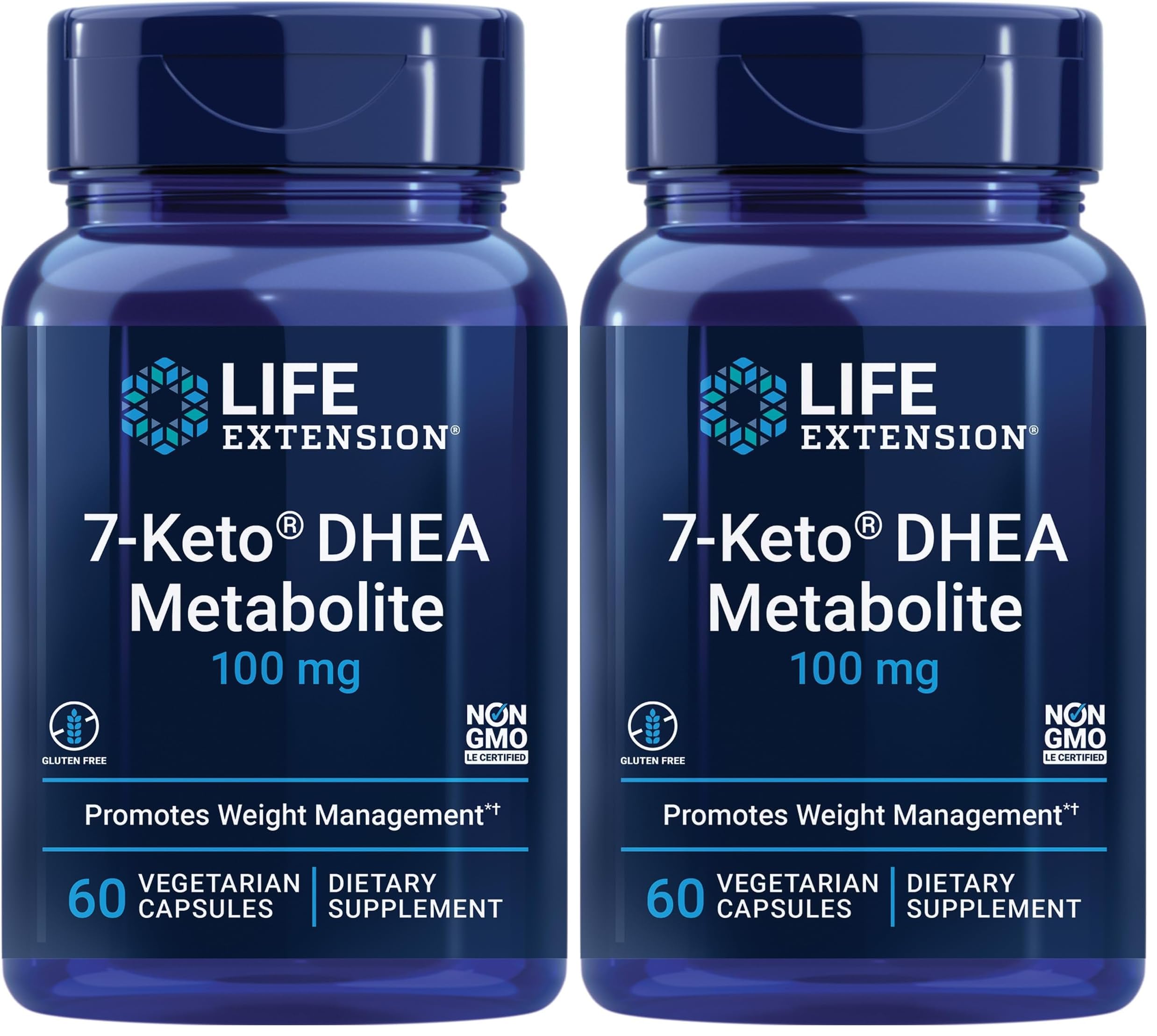
Life Extension 7-Keto DHEA Metabolite – Crank Up Your Fat-Burning Furnace – Non-GMO – Gluten-Free – 100 Mg – 60 Vegetarian Capsules
Vitamin C (as ascorbyl palmitate) 11 mg 7-Keto® DHEA (7-oxo-dehydroepiandrosterone-acetate) 100 mg Curcumin Elite™ Proprietary CGM Blend 25 mg providing 40% curcuminoids (10 mg) and 3% turmerones (0.7
Evidence & Sources
Promising research with growing clinical support from multiple studies
- NIH Office of Dietary Supplements
- National Center for Complementary and Integrative Health (NCCIH)
- Endocrine Reviews
- The Journal of Clinical Endocrinology & Metabolism
- Mayo Clinic Proceedings
- Cochrane Database of Systematic Reviews
- Menopause
- Fertility and Sterility
This content is for informational purposes only and does not constitute medical advice. Always consult a qualified healthcare provider before starting, stopping, or changing any supplement or medication regimen.