

Dandelion
Also known as: Dandelion Root, Taraxacum Officinale, Dandelion Leaf
Overview
Dandelion (Taraxacum officinale) is a familiar flowering plant that has also long been used as a food, digestive bitter, and traditional herbal remedy. Different parts of the plant are used in different ways: the leaf is commonly associated with fluid balance and mild diuretic effects, while the root is more often discussed in relation to digestion, liver support, and bitters formulas. Dandelion appears in teas, tinctures, capsules, roasted root beverages, and combination herbal products marketed for "detox" or digestive wellness.
From a nutritional standpoint, dandelion is notable because the leaves contain vitamins A, C, and K, along with minerals such as potassium and various polyphenols. The root contains compounds including sesquiterpene lactones, triterpenes, inulin, and phenolic acids, which are often highlighted in herbal and pharmacology literature. These constituents help explain why dandelion is discussed both as a nutrient-dense edible plant and as a medicinal herb with bitter, digestive, and antioxidant properties.
Interest in dandelion remains high because it sits at the intersection of traditional herbal medicine, functional nutrition, and modern wellness culture. It is commonly searched in connection with detox teas, liver cleanses, and digestive bitters, though these marketing terms often exceed the strength of current clinical evidence. Research suggests dandelion has biologically active compounds with antioxidant, anti-inflammatory, choleretic, and diuretic potential, but human trials remain limited compared with more extensively studied supplements.
Safety considerations are also important. Dandelion is generally regarded as a commonly consumed edible plant, but concentrated supplements may not be appropriate for everyone. People with ragweed or Asteraceae family allergies, gallbladder conditions, gastrointestinal irritation, kidney concerns, or those taking medications such as diuretics, lithium, anticoagulants, or diabetes medicines may warrant added caution. As with other herbal products, quality, part of plant used, and formulation can significantly influence effects and tolerability, so discussion with a qualified healthcare professional is appropriate when dandelion is being considered in a therapeutic context.
Medical Perspectives
Two Ways of Seeing Health

Western
scientific · clinical
Western medicine applies science, technology, and clinical experience to treat symptoms through testing, diagnosis, and targeted intervention.

Eastern
traditional · alternative
Eastern medicine focuses on treating the body naturally by applying traditional knowledge practiced for thousands of years, emphasizing balance and whole-person wellness.
Gold Bamboo presents both perspectives side-by-side so you can make informed decisions. We don't advocate for one over the other — your health choices are yours.
Western Medicine Perspective
Western / Conventional Medicine Perspective
In conventional herbal and pharmacologic discussion, dandelion is viewed as a plant with multiple potentially relevant actions, depending on whether the leaf or root is used. Dandelion leaf has traditionally been associated with mild diuretic activity, possibly related in part to its mineral profile and phytochemical content. Dandelion root is more often studied for digestive stimulation, bile flow support, and possible hepatoprotective or metabolic effects seen in laboratory and animal models. However, conventional medicine generally distinguishes between traditional use and clinically validated benefit, and for dandelion the strongest claims have not yet been established by large, high-quality human studies.
Research in cell and animal models suggests dandelion extracts may have antioxidant, anti-inflammatory, prebiotic, and liver-supportive properties. Some small human data and traditional pharmacognosy references support its use as a bitter digestive herb and possible mild diuretic. Still, evidence is limited by small sample sizes, variability in extracts, inconsistent dosing, and differences between leaf, root, and whole-plant preparations. For this reason, mainstream medical sources typically describe dandelion as a promising but not definitively proven supplement for liver health, edema, glycemic support, or detoxification.
From a safety standpoint, conventional references often note that dandelion may cause allergic reactions, stomach upset, or irritation in susceptible individuals. Because it may influence digestion, fluid balance, and possibly blood sugar handling, clinicians may pay attention to potential interactions with diuretics, antidiabetic medications, anticoagulants, and drugs affected by kidney function or fluid shifts. There is also theoretical or practical caution in people with bile duct obstruction, active gallbladder disease, or significant kidney disease. Overall, Western medicine tends to regard dandelion as a low-to-moderate risk botanical with modest evidence and important formulation-specific uncertainties.
Eastern & Traditional Perspective
Eastern / Traditional Medicine Perspective
In traditional Western herbalism and naturopathy, dandelion has long been classified as a bitter tonic, hepatic herb, digestive aid, and alterative. The leaf is traditionally used to support urinary elimination and fluid movement, while the root is more closely linked with liver, gallbladder, appetite, and digestive function. Bitter herbs occupy an important role in many traditional systems because they are thought to stimulate digestive secretions and improve the body's handling of food, heaviness, and sluggish digestion. In this framework, dandelion is often included in spring tonics, bitters formulas, and gentle cleansing traditions.
In Traditional Chinese Medicine (TCM), dandelion is often associated with Pu Gong Ying, though TCM use is based on traditional pattern identification rather than modern supplement categories. It is traditionally described as an herb that clears heat and resolves toxicity, particularly in contexts involving inflammatory swellings, abscess-type patterns, breast-related heat conditions, and certain digestive or skin complaints. Its traditional energetic qualities differ from the modern wellness concept of a generic "detox herb," and TCM practitioners typically interpret its use within broader patterns involving heat, dampness, stagnation, or toxic accumulation.
In Ayurvedic and integrative herbal traditions, dandelion is often discussed as a cooling, bitter plant used to support agni and healthy elimination while easing states associated with excess heat or congestion in the liver-digestive axis. Although dandelion is not as central to classical Ayurveda as some South Asian herbs, contemporary Ayurvedic practice may incorporate it as a functional bitter. Across these systems, dandelion is respected as a gentle regulating herb, but traditional use is generally individualized and not treated as a one-size-fits-all remedy. This is one reason traditional practitioners often emphasize constitution, symptom patterns, digestion, and overall context when evaluating herbs like dandelion.
Supplements & Products
Recommended Products

Medical Herbalism: The Science Principles and Practices Of Herbal Medicine: David Hoffmann
The author of seventeen books, including the highly regarded <strong>The Complete Illustrated Holistic Herbal, An Elders' Herbal, and The Herbal Handbook</strong>, Hoffmann teaches phytotherapy t

GAIA HERBS Dandelion Root and Leaf Supplements, 0.71 Pound
Dandelion Root Tincture Organic Dandelion Extract (Taraxacum Officinale) Health Supplement, Non-GMO in Cold-Pressed Organic Vegetable Glycerin 2 oz, 685 mg ... WILDFIELD HERBS 2 Oz Burdock Root Tinctu
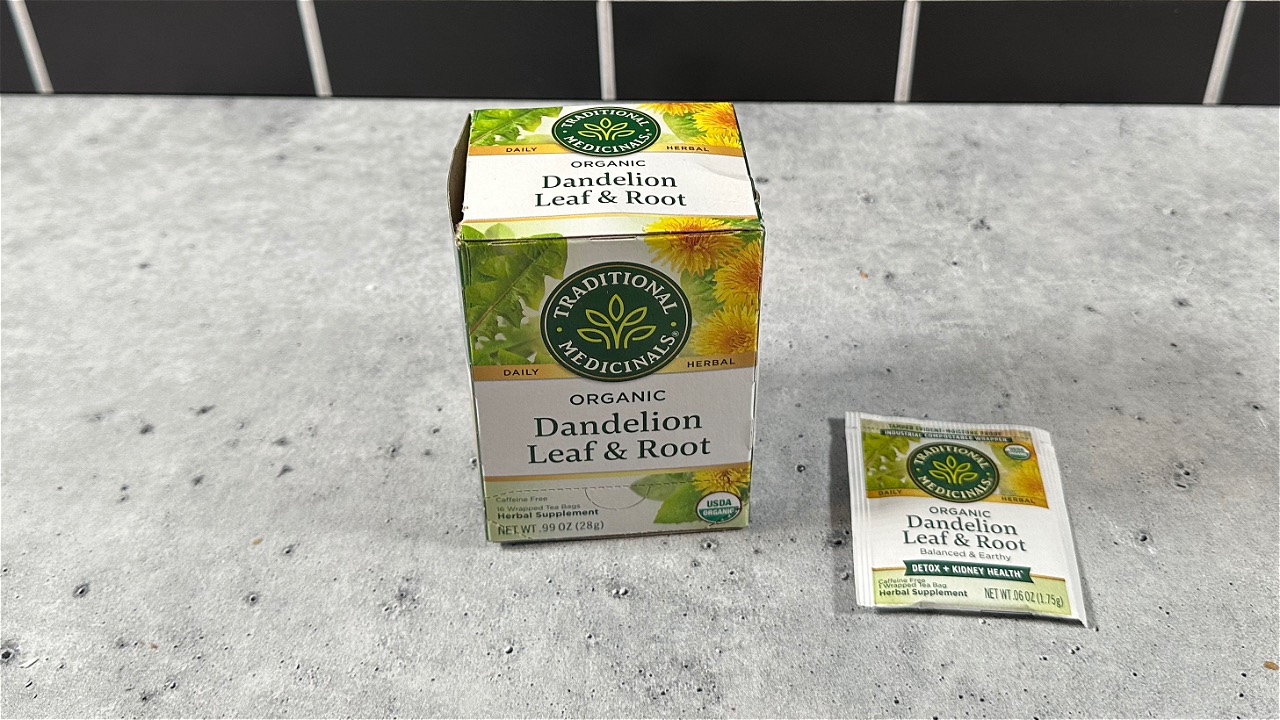
Traditional Medicinals Tea, Organic Dandelion Leaf & Root, Supports Kidney Function & Healthy Digestion, 16 Tea Bags
Traditional Medicinals Organic, Dandelion Leaf & Root - Dandelion Root Tea, Supports Normal Detox + Digestion - Kosher, Non-GMO, Caffeine-Free, Compostable - 16 Tea Bags
Evidence & Sources
Promising research with growing clinical support from multiple studies
- National Center for Complementary and Integrative Health (NCCIH)
- European Medicines Agency (EMA) Herbal Monograph on Taraxacum officinale
- World Health Organization (WHO) Monographs on Selected Medicinal Plants
- Journal of Ethnopharmacology
- Phytotherapy Research
- Molecules
- Planta Medica
- Memorial Sloan Kettering Cancer Center Integrative Medicine Monographs
This content is for informational purposes only and does not constitute medical advice. Always consult a qualified healthcare provider before starting, stopping, or changing any supplement or medication regimen.