

Creatine
Also known as: Creatine Monohydrate, Creatine HCL, Kre-Alkalyn
Overview
Creatine is a naturally occurring nitrogen-containing compound made primarily in the liver, kidneys, and pancreas from amino acids including arginine, glycine, and methionine. It is stored mostly in skeletal muscle as free creatine and phosphocreatine, where it helps regenerate adenosine triphosphate (ATP), the body’s immediate energy currency during short bursts of high-demand activity. Smaller amounts are also present in the brain and other tissues, which helps explain why creatine has drawn attention not only in sports nutrition but also in discussions of cognitive performance, healthy aging, and neurological resilience.
Creatine is found naturally in foods such as red meat and fish, and it is also widely available as a dietary supplement, most commonly as creatine monohydrate. Interest in supplementation has expanded beyond athletes and bodybuilders. Search trends and research activity increasingly reflect broader wellness questions involving muscle preservation, recovery, fatigue, exercise capacity, and age-related decline in physical function. Vegetarian and vegan dietary patterns are also part of the conversation, since baseline dietary creatine intake may be lower in people who avoid animal foods.
From a health perspective, creatine is most strongly associated with improvements in high-intensity exercise performance and gains in lean body mass when combined with resistance training. Research also suggests possible roles in older adults, women’s health, injury recovery, and selected neurological or cognitive contexts, though the quality and consistency of findings vary by population and outcome. Creatine’s reputation is often shaped by sports use, but current scientific discussion is much broader and includes metabolism, cellular energetics, and tissue protection under stress.
Overall, creatine is one of the most extensively studied dietary supplements in modern nutrition science. Even so, its relevance depends heavily on individual context, including age, diet, activity level, underlying health conditions, and goals related to performance or general wellness. As with any supplement, questions about suitability are best interpreted in conversation with a qualified healthcare professional, especially for people with kidney disease, complex medical conditions, or multiple medications.
Medical Perspectives
Two Ways of Seeing Health

Western
scientific · clinical
Western medicine applies science, technology, and clinical experience to treat symptoms through testing, diagnosis, and targeted intervention.

Eastern
traditional · alternative
Eastern medicine focuses on treating the body naturally by applying traditional knowledge practiced for thousands of years, emphasizing balance and whole-person wellness.
Gold Bamboo presents both perspectives side-by-side so you can make informed decisions. We don't advocate for one over the other — your health choices are yours.
Western Medicine Perspective
Western Medicine Perspective
In conventional medicine and sports science, creatine is understood primarily through its role in cellular energy metabolism. Phosphocreatine acts as a rapidly available phosphate donor to regenerate ATP during brief, intense activity. This mechanism helps explain why studies consistently find benefit for repeated sprint performance, strength output, power production, and training capacity, particularly when creatine is paired with structured resistance exercise. Among supplement ingredients, creatine monohydrate has the strongest research base and is generally the form most often used in clinical trials.
Western research has also explored creatine beyond athletics. Studies indicate potential benefit in preserving or improving lean mass and functional performance in older adults, especially when combined with exercise. There is also growing interest in brain energetics, with research examining creatine in relation to sleep deprivation, cognitive stress, concussion recovery, depression, and neurodegenerative disease. These areas remain more mixed than the sports-performance literature: some studies show promising signals, while others are inconclusive or population-specific.
From a safety standpoint, creatine is widely regarded in the literature as well studied for short- and medium-term use in healthy individuals, with gastrointestinal discomfort, water retention, or weight gain among the more commonly discussed effects. A frequent topic in public discussion is kidney health. Current evidence generally does not indicate kidney harm in healthy people using standard supplemental forms and amounts, but caution remains appropriate for those with preexisting kidney disease or medical conditions requiring monitoring. Conventional guidance also emphasizes product quality, because dietary supplements can vary in purity and labeling accuracy.
In clinical and public health terms, creatine is not considered a cure or universal performance enhancer. Rather, it is viewed as a targeted ergogenic and metabolic support compound with strong evidence in exercise contexts and emerging but less settled evidence in cognition, aging, and selected disease states. Its role is best understood as part of a broader framework that includes nutrition, physical activity, sleep, and individualized medical assessment.
Eastern & Traditional Perspective
Eastern / Traditional Medicine Perspective
Traditional medical systems such as Traditional Chinese Medicine (TCM) and Ayurveda do not historically describe creatine as an isolated supplement, since it is a product of modern biochemical science rather than a classical herb or mineral medicine. However, its observed effects can be discussed through traditional frameworks concerned with vital energy, strength, recovery, and nourishment of foundational tissues. In this sense, creatine’s modern use is sometimes interpreted as aligning with long-standing goals in traditional systems: supporting stamina, resilience after exertion, and maintenance of physical capacity with aging.
In TCM, discussions of strength, muscle function, fatigue, and recovery are often related to the status of Qi, Blood, Spleen function, Liver nourishment, and Kidney essence (Jing). A practitioner using a TCM lens might view diminished power, poor recovery, or age-related weakness not as a single deficiency of one molecule, but as part of a broader pattern involving constitutional vitality and organ-system imbalance. Within that framework, a modern supplement like creatine may be seen less as a stand-alone answer and more as a substance that could conceptually support the body’s capacity for exertion and replenishment when interpreted alongside diet, sleep, stress, and movement practices.
In Ayurveda, topics such as muscular power, endurance, and mental steadiness may be discussed in relation to ojas, agni, dhatus, and doshic balance. From this perspective, compounds that appear to support tissue integrity or sustained output might be understood through the lens of nourishing deeper bodily tissues, particularly when depletion, overexertion, or aging are central concerns. At the same time, Ayurveda traditionally emphasizes the importance of digestion, assimilation, constitution, and context, meaning that no single substance is viewed in isolation from the whole person.
Naturopathic and integrative frameworks often bridge these traditional concepts with modern physiology. In these settings, creatine may be discussed as a supplement relevant to mitochondrial support, exercise recovery, cognitive energy, and healthy aging, while still recognizing that traditional systems generally prioritize individualized patterns over one-size-fits-all interventions. Because creatine is not a classical remedy in most Eastern traditions, the traditional evidence base is limited; its use in these circles is largely informed by modern clinical research interpreted through holistic models of vitality and function.
Supplements & Products
Recommended Products
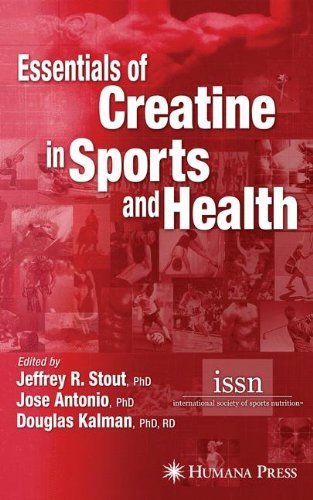
Essentials of Creatine in Sports and Health: Stout, Jeffrey R., Antonio, Jose, Kalman, Douglas
by Jeffrey R. Stout (Editor), Jose Antonio (Editor), Douglas Kalman (Editor) & 0 more · See all formats and editions · A great deal of misinformation is present in popular culture regarding the ef
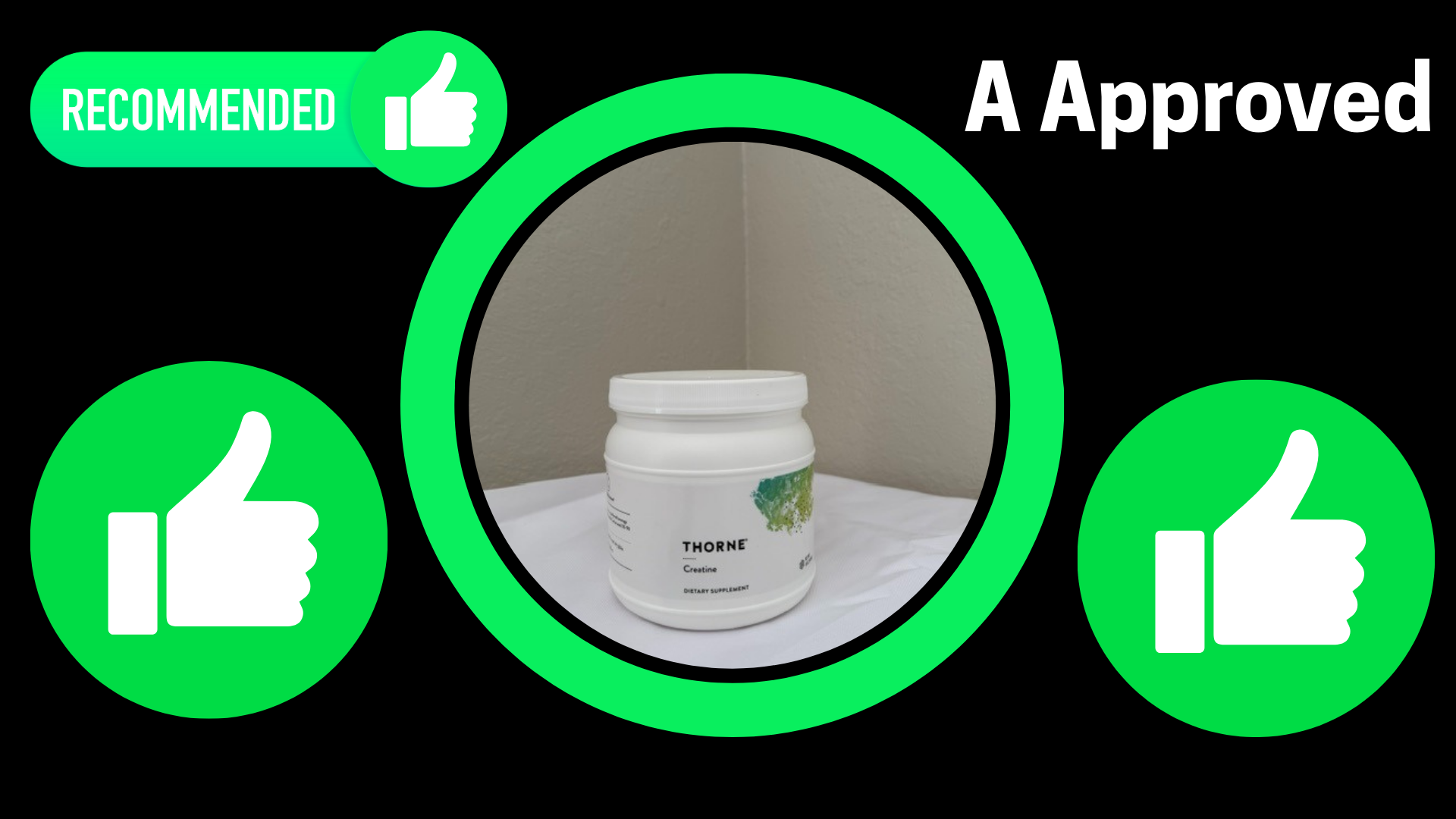
THORNE Creatine - Micronized Creatine Monohydrate Powder - Support for Muscles & Cognitive Function* - for Women & Men - Unflavored - NSF Certified for Sport - 5 g per Serving - 90 Servings
<strong>NSF Certified for Sport</strong>: Tested for compliance with label claims and to ensure the absence of nearly 300 substances banned by many major athletic organizations · Trusted: Thorne is ch

NOW Foods Sports Nutrition, Creatine Monohydrate 750 mg, Mass Building*/Energy Production*, 120 Veg Capsules
NOW Foods Sports Nutrition, Kre-Alkalyn Creatine 750 mg, Mass Building*/Energy Production*, 240 Veg Capsules · NOW Foods Sports Nutrition, Creatine Monohydrate Powder, Mass Building*/Energy Production
Evidence & Sources
Supported by multiple clinical trials and systematic reviews
- International Society of Sports Nutrition (ISSN)
- Journal of the International Society of Sports Nutrition
- National Institutes of Health Office of Dietary Supplements (NIH ODS)
- National Center for Complementary and Integrative Health (NCCIH)
- Medicine & Science in Sports & Exercise
- Nutrients
- Sports Medicine
- European Journal of Applied Physiology
This content is for informational purposes only and does not constitute medical advice. Always consult a qualified healthcare provider before starting, stopping, or changing any supplement or medication regimen.