

Colostrum
Also known as: Bovine Colostrum, Colostrum Powder
Overview
Colostrum is the nutrient-dense first milk produced by mammals in the first days after birth, before mature milk develops. It contains a concentrated mix of immunoglobulins, growth factors, antimicrobial peptides, oligosaccharides, lactoferrin, cytokines, and bioactive proteins that help support newborn immune development and intestinal maturation. In the supplement world, the term most often refers to bovine colostrum, which is collected from cows and processed into powders, capsules, or functional food ingredients.
Interest in colostrum as a supplement centers on its potential role in immune support, gastrointestinal integrity, exercise recovery, and mucosal defense. Research has explored whether components in bovine colostrum may help maintain the gut barrier under stress, support resistance to certain upper respiratory or gastrointestinal challenges, and influence recovery in athletes exposed to intense training loads. These proposed effects are biologically plausible because colostrum contains compounds involved in epithelial repair, immune signaling, and pathogen binding.
At the same time, colostrum is not a single standardized compound but a complex natural product whose composition can vary based on animal source, timing of collection, processing, and formulation. This makes the research landscape more complicated than it is for single-ingredient supplements. Studies often differ in dose, duration, and product quality, and some outcomes are more consistently studied than others. In addition, findings from infant biology do not automatically translate to adult supplementation.
From a safety and clinical perspective, colostrum is generally discussed as a food-derived supplement, but important questions can include dairy sensitivity, milk protein allergy, lactose content, product purity, and suitability for specific populations. People with medical conditions, immune disorders, or dietary restrictions are often advised in mainstream practice to discuss supplement use with a qualified healthcare professional. Overall, colostrum occupies a space between nutrition, sports medicine, gut health, and immune support, with a growing but still mixed evidence base depending on the specific use case.
Medical Perspectives
Two Ways of Seeing Health

Western
scientific · clinical
Western medicine applies science, technology, and clinical experience to treat symptoms through testing, diagnosis, and targeted intervention.

Eastern
traditional · alternative
Eastern medicine focuses on treating the body naturally by applying traditional knowledge practiced for thousands of years, emphasizing balance and whole-person wellness.
Gold Bamboo presents both perspectives side-by-side so you can make informed decisions. We don't advocate for one over the other — your health choices are yours.
Western Medicine Perspective
Western / Conventional Medicine Perspective
In conventional medicine, colostrum is best understood through the lens of its bioactive components. Bovine colostrum contains immunoglobulins (especially IgG), lactoferrin, transforming growth factors, insulin-like growth factor-related compounds, proline-rich polypeptides, and antimicrobial peptides, all of which have been studied for their potential effects on mucosal immunity and intestinal barrier function. Researchers have been particularly interested in whether these compounds can help reduce exercise-induced increases in gut permeability, support defense against infectious stressors, or modulate inflammatory signaling in the gastrointestinal tract.
Clinical research suggests the most promising areas are gut barrier support and certain immune-related outcomes, but results are not uniform. Some studies in athletes and physically stressed populations indicate bovine colostrum may help maintain intestinal permeability markers and may be associated with fewer self-reported upper respiratory symptoms during heavy training periods. Other studies have examined its role in infectious diarrhea, gastrointestinal recovery, and immune parameters, though findings vary and are sometimes limited by small sample size, product heterogeneity, or short study duration. Evidence is generally stronger for mechanistic plausibility and selected niche applications than for broad claims of general immune enhancement.
Conventional clinicians also consider quality control and tolerability. Because colostrum is a biologically derived product, composition can differ significantly between brands and batches. Safety discussions may include milk allergy, possible gastrointestinal upset, contamination screening, and manufacturing standards. For people with complex medical histories, including autoimmune conditions, severe allergies, or immunocompromising disorders, conventional care emphasizes individualized assessment rather than generalized assumptions. In evidence-based practice, colostrum is typically viewed as a supplement with potential but context-dependent benefits, rather than a universally established intervention.
Eastern & Traditional Perspective
Eastern / Traditional Medicine Perspective
Traditional East Asian medical systems did not historically describe bovine colostrum supplements in the same biochemical terms used today, but the broader concept of a first nourishment that builds resilience, vitality, and defense aligns with longstanding traditional ideas. In Traditional Chinese Medicine (TCM), substances that support the body's capacity to resist external pathogens are often discussed in relation to Wei Qi (defensive qi), while digestive strength and tissue nourishment are linked to the Spleen and Stomach systems. From this interpretive framework, a colostrum-like substance may be viewed as nourishing, restorative, and supportive of the body's protective and digestive functions, especially during periods of depletion or weakness.
In Ayurveda, there is not a direct classical equivalent to modern commercial bovine colostrum supplementation as commonly marketed today, but the idea may be compared conceptually with substances regarded as building ojas—the subtle essence associated with vitality, immunity, and resilience. Foods or tonics that are heavy, nourishing, and restorative are traditionally considered relevant when the body has been weakened by stress, overexertion, or recovery states. Integrative Ayurvedic interpretation may therefore place colostrum within a category of nutritive support, while still evaluating whether it fits an individual's constitution, digestive capacity, and broader pattern of imbalance.
In naturopathic and integrative medicine, colostrum is often discussed as a tool for mucosal integrity, gastrointestinal repair support, and immune resilience, especially in the context of stress, athletic recovery, or digestive fragility. These approaches often emphasize the connection between the gut lining and systemic immune function, a concept that overlaps in part with modern barrier science. Even so, traditional and integrative practitioners generally distinguish between historical use, theoretical fit, and modern evidence. As with many natural products, the traditional perspective tends to value colostrum for its restorative qualities, while recognizing that contemporary formulations, sourcing, and intended uses are modern developments rather than direct continuations of classical practice.
Supplements & Products
Recommended Products
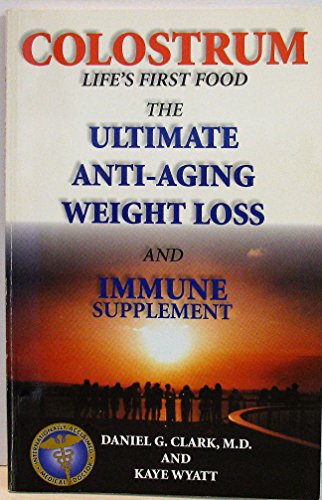
Colostrum Life's first food: The ultimate anti-aging, immune boosting and weight loss supplement: Clark MD, Daniel G, Wyatt, Kaye, Coory, David
Colostrum Life's first food: <strong>The ultimate anti-aging, immune boosting and weight loss supplement</strong> [Clark MD, Daniel G, Wyatt, Kaye, Coory, David] on Amazon.com. *FREE* shipping on
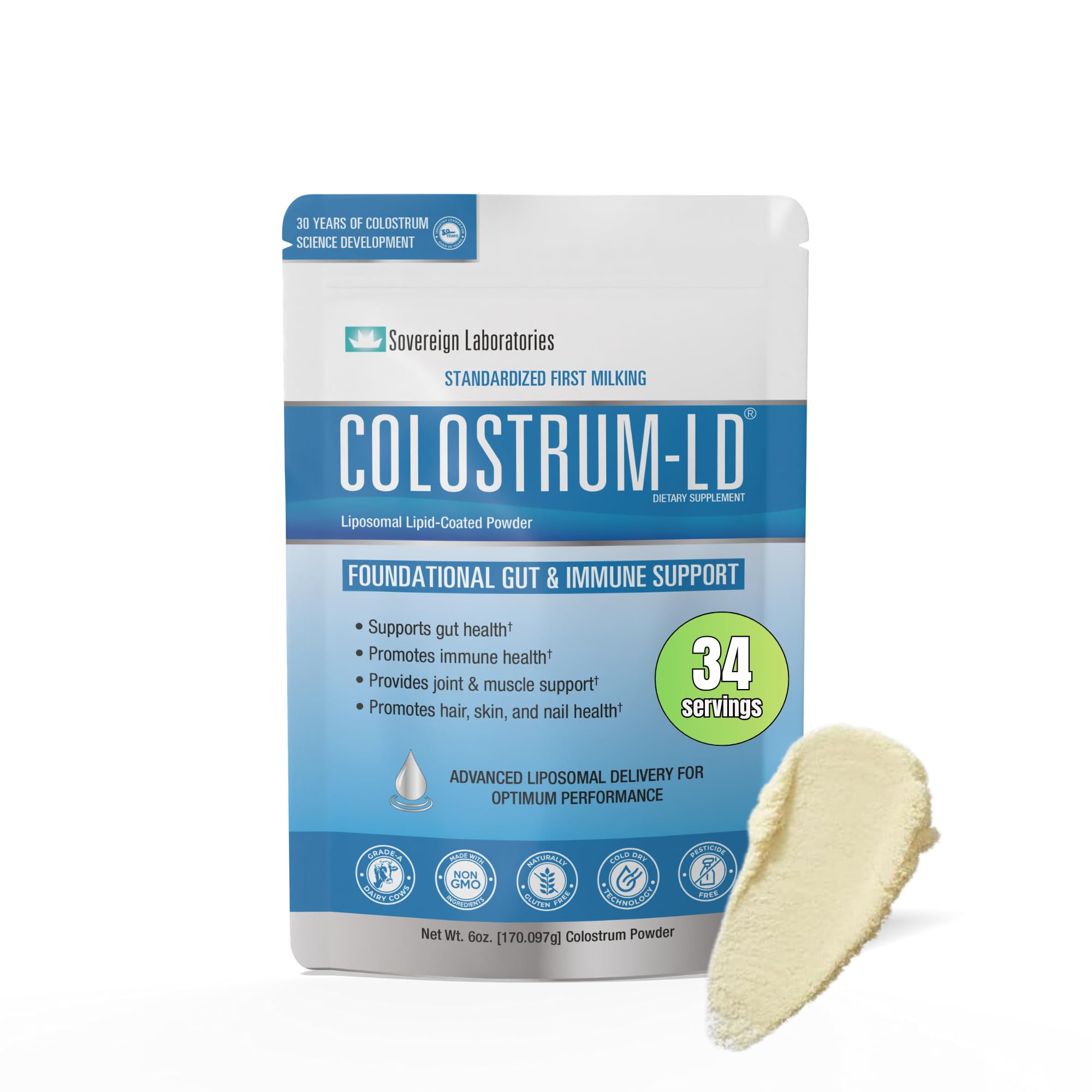
Sovereign Laboratories Colostrum-LD® Powder : 6oz/170g,
Buy Sovereign Laboratories Colostrum-LD® Powder : 6oz/170g, on Amazon.com ✓ FREE SHIPPING on qualified orders
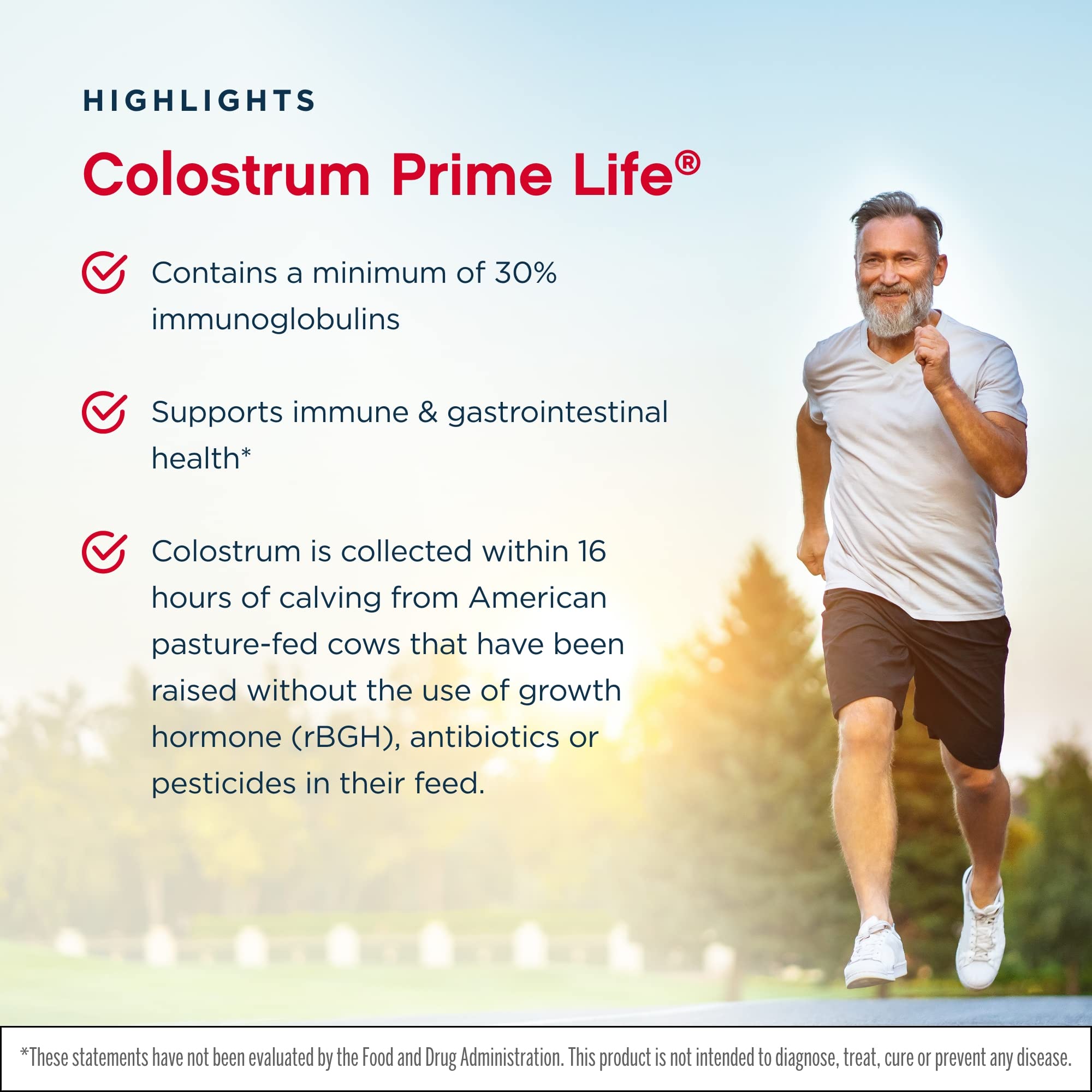
Jarrow Formulas Colostrum Prime Life 500 milligrams 120 capsules (Pack of 2)
Buy Jarrow Formulas Colostrum Prime Life 500 milligrams 120 capsules (Pack of 2) on Amazon.com ✓ FREE SHIPPING on qualified orders
Evidence & Sources
Promising research with growing clinical support from multiple studies
- National Institutes of Health (NIH)
- National Center for Complementary and Integrative Health (NCCIH)
- Journal of Applied Physiology
- Nutrition Research
- Clinical Nutrition
- Nutrients
- Frontiers in Nutrition
- Sports Medicine
- World Health Organization (WHO)
This content is for informational purposes only and does not constitute medical advice. Always consult a qualified healthcare provider before starting, stopping, or changing any supplement or medication regimen.