

Cod Liver Oil
Also known as: Fermented Cod Liver Oil, CLO
Overview
Cod liver oil is a traditional marine oil derived from the livers of cod fish. Unlike standard fish oil, it naturally contains not only the long-chain omega-3 fatty acids EPA (eicosapentaenoic acid) and DHA (docosahexaenoic acid), but also meaningful amounts of vitamin A and vitamin D. Historically, it has been used in many cultures as a nutritive tonic, particularly in seasons or regions with limited sunlight exposure and lower access to fresh foods. It is commonly discussed in relation to immune function, bone health, childhood nutrition, eye health, and general wellness.
From a nutritional standpoint, cod liver oil sits at the intersection of essential fatty acids and fat-soluble vitamins. EPA and DHA are widely studied for their roles in cell membrane function, inflammatory signaling, cardiovascular physiology, and neurologic development. Vitamin D is central to calcium balance, skeletal health, and immune regulation, while vitamin A supports vision, epithelial tissue integrity, and immune function. Because cod liver oil combines these nutrients in one product, interest often centers on its broad nutrient density rather than a single isolated effect.
At the same time, cod liver oil requires a more nuanced discussion than many supplements. Its nutrient content can vary substantially by brand and processing method, and excessive intake may raise concerns about hypervitaminosis A or, less commonly, excessive vitamin D intake. For this reason, conventional and integrative sources alike often emphasize attention to labeling, total dietary intake, and individual health context. This is especially relevant for children, during pregnancy, and for people already using fortified foods or other vitamin-containing supplements.
Overall, cod liver oil is best understood as a traditional nutrient-rich supplement with a long history of use and a mixed modern evidence base. Some benefits are inferred from broader research on omega-3 fatty acids and vitamins A and D, while product-specific research on cod liver oil itself is more limited. As with many supplements, its relevance may depend on baseline nutrition status, dietary patterns, age, and coexisting health considerations, and questions about use are best discussed with a qualified healthcare professional.
Medical Perspectives
Two Ways of Seeing Health

Western
scientific · clinical
Western medicine applies science, technology, and clinical experience to treat symptoms through testing, diagnosis, and targeted intervention.

Eastern
traditional · alternative
Eastern medicine focuses on treating the body naturally by applying traditional knowledge practiced for thousands of years, emphasizing balance and whole-person wellness.
Gold Bamboo presents both perspectives side-by-side so you can make informed decisions. We don't advocate for one over the other — your health choices are yours.
Western Medicine Perspective
Western Medicine Perspective
In conventional medicine, cod liver oil is primarily viewed as a source of nutrients rather than as a stand-alone therapeutic agent. Its most recognized components—EPA, DHA, vitamin A, and vitamin D—have each been studied extensively, though the strength of evidence varies by health outcome. Research suggests omega-3 fatty acids are relevant to cardiovascular health, inflammatory pathways, and neurodevelopment, while vitamin D is closely tied to bone metabolism and vitamin A to vision and immune defense. Because cod liver oil contains all of these compounds together, interest often focuses on whether it may help support individuals with low dietary intake of oily fish or low vitamin D status.
For bone and immune health, much of the scientific rationale comes from vitamin D rather than cod liver oil specifically. Studies indicate that adequate vitamin D status is important for calcium absorption and skeletal maintenance, and deficiency is associated with rickets, osteomalacia, and impaired bone mineralization. Cod liver oil has historically been used in the prevention of deficiency states, especially before modern food fortification became widespread. In pediatric and maternal nutrition history, it also held a prominent role, although modern practice places greater emphasis on standardized dosing and avoiding excessive vitamin A exposure.
For heart and inflammatory health, the evidence is often extrapolated from the broader literature on marine omega-3s. EPA and DHA have been associated with triglyceride lowering and may influence inflammatory signaling, but findings across studies are not uniform for all outcomes. Cod liver oil is less commonly the focus of major clinical trials than purified fish oil or prescription omega-3 products. In addition, the presence of fat-soluble vitamins means cod liver oil is not always interchangeable with standard fish oil supplements. Safety considerations in conventional medicine include potential contamination control, product oxidation, interactions with anticoagulant therapy, and cumulative vitamin A and D intake from multiple sources.
From a clinical evidence standpoint, cod liver oil is therefore considered nutritionally plausible and historically important, with some support for specific roles related to nutrient sufficiency, but not universally supported as a broad remedy for all conditions with which it is popularly associated. Healthcare professionals generally interpret it in the context of diet, laboratory status when relevant, life stage, and medication use.
Eastern & Traditional Perspective
Eastern / Traditional Medicine Perspective
In traditional and integrative systems, cod liver oil is often regarded less as a pharmaceutical-style intervention and more as a deeply nourishing tonic. While classic East Asian medical texts do not discuss cod liver oil in modern biochemical terms, contemporary traditional practitioners may interpret it through frameworks involving essence, vitality, nourishment, and constitutional support. Its dense, oily, animal-derived nature may be viewed as supportive in patterns associated with depletion, dryness, weakness, or poor recovery, especially in colder seasons or in individuals thought to be run down.
Within traditional Chinese medicine-informed integrative practice, cod liver oil may be conceptually associated with supporting the body’s reserves, especially where symptoms are interpreted as reflecting deficiency rather than excess. Because the liver has symbolic importance in many traditional systems, and because fat-rich foods are often linked with nourishment of tissues, cod liver oil is sometimes discussed in relation to the eyes, growth, resilience, and recovery. These traditional interpretations do not directly map onto modern biomedical disease categories, but they help explain why the oil has long been used in childhood nourishment and convalescent care.
In Ayurvedic and naturopathic perspectives, cod liver oil is more commonly framed as a nutritive substance that may help replenish what is lacking in the diet, particularly for the bones, immunity, and overall robustness. Naturopathic traditions have historically valued it in foundational nutrition, especially in regions with limited sunlight exposure. Ayurveda does not traditionally center cod liver oil as a classical remedy in the way it does ghee or herbal oils, but contemporary Ayurvedic-integrative discussion may place it within the category of unctuous, strengthening substances used to counter depletion and support tissue integrity.
Across traditional systems, an important theme is individualization. Rich oils may be considered beneficial in some constitutions and less suitable in others, depending on digestion, tolerance, and overall pattern assessment. Modern integrative practitioners who include cod liver oil typically balance these traditional ideas with current knowledge about vitamin dosing, product quality, and the need for professional guidance in vulnerable populations such as children and pregnant individuals.
Supplements & Products
Recommended Products

The Omega-3 Connection: The Groundbreaking Antidepression Diet and Brain Program: Stoll, Andrew
Andrew L. Stoll, M.D., is the <strong>director of the Psychopharmacology Research Laboratory at McLean Hospital in Boston and an assistant professor of Psychiatry at Harvard Medical School</strong>, a

Carlson - Cod Liver Oil, 1100 mg Omega-3s, Liquid Fish Oil Supplement, Wild-Caught Norwegian Arctic, Sustainably Sourced Nordic Liquid, Lemon, 250 ml
Carlson - Cod Liver Oil, 1100 mg Omega-3s, Liquid Fish Oil Supplement, Wild-Caught Norwegian Arctic, Sustainably Sourced Nordic Liquid, Lemon, 250 ml · Sanniti 100% Natural Cod Liver Oil, 1081 mg Tota
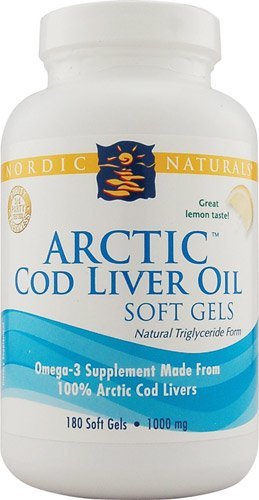
Nordic Naturals Arctic Cod Liver Oil, Lemon - 180 Soft Gels - 750 mg Total Omega-3s with EPA & DHA - Heart & Brain Health, Healthy Immunity, Overall Wellness - Non-GMO - 60 Servings
SUGGESTED USAGE:Take 3 softgels daily, with food, or as directed by your health care professional or pharmacist. Purified arctic cod liver oil, soft gel capsule (gelatin, glycerin, water, natural lemo
Evidence & Sources
Promising research with growing clinical support from multiple studies
- National Institutes of Health Office of Dietary Supplements: Omega-3 Fatty Acids Fact Sheet
- National Institutes of Health Office of Dietary Supplements: Vitamin A Fact Sheet
- National Institutes of Health Office of Dietary Supplements: Vitamin D Fact Sheet
- Cochrane Database of Systematic Reviews
- New England Journal of Medicine
- JAMA
- American Journal of Clinical Nutrition
- National Center for Complementary and Integrative Health (NCCIH)
This content is for informational purposes only and does not constitute medical advice. Always consult a qualified healthcare provider before starting, stopping, or changing any supplement or medication regimen.