

Chromium
Also known as: Cr
Overview
Chromium is a trace mineral involved in normal carbohydrate, fat, and protein metabolism. In human nutrition, it is most often discussed for its relationship to insulin signaling and blood sugar regulation, which is why chromium supplements are frequently marketed for metabolic support, glucose balance, and weight management. Chromium is present in small amounts in foods such as whole grains, meats, broccoli, and some spices, while supplemental forms commonly include chromium picolinate and chromium chloride.
Interest in chromium grew from early research suggesting it may help enhance the action of insulin, the hormone that helps move glucose from the bloodstream into cells. This led to widespread use of chromium supplements among people interested in prediabetes, type 2 diabetes, metabolic syndrome, exercise performance, and body composition. However, the clinical picture is more nuanced: while some studies suggest modest benefits in certain populations, findings have been inconsistent, and effects may depend on baseline chromium status, overall diet, metabolic health, and the form and dose studied.
From a public health standpoint, true chromium deficiency appears to be uncommon in the general population, though it has been observed in specific clinical settings such as long-term intravenous feeding without adequate trace mineral provision. Because of its association with insulin and metabolism, chromium remains a popular supplement, but major medical organizations generally treat it as a potential adjunct of interest rather than a first-line metabolic intervention. Research has also explored chromium in relation to lipid metabolism, appetite regulation, polycystic ovary syndrome (PCOS), and atypical antipsychotic-associated weight gain, though the evidence is mixed.
Overall, chromium occupies an important middle ground in integrative health: it is a biologically plausible nutrient with some supportive research, but not a universally effective solution for blood sugar control or weight loss. As with any supplement, interpretation of the evidence benefits from context, including nutritional status, medication use, kidney or liver health, and guidance from a qualified healthcare professional.
Medical Perspectives
Two Ways of Seeing Health

Western
scientific · clinical
Western medicine applies science, technology, and clinical experience to treat symptoms through testing, diagnosis, and targeted intervention.

Eastern
traditional · alternative
Eastern medicine focuses on treating the body naturally by applying traditional knowledge practiced for thousands of years, emphasizing balance and whole-person wellness.
Gold Bamboo presents both perspectives side-by-side so you can make informed decisions. We don't advocate for one over the other — your health choices are yours.
Western Medicine Perspective
Western / Conventional Medicine Perspective
In conventional medicine, chromium is understood primarily as a trace element that may influence insulin action and glucose metabolism. Although its exact essential mechanisms in humans have been debated over time, chromium has long been studied for a possible role in improving insulin sensitivity or enhancing insulin receptor activity. This has made it a subject of interest in type 2 diabetes, prediabetes, and other insulin-resistant states.
Clinical research has produced mixed results. Some randomized trials and meta-analyses suggest chromium supplementation may lead to small improvements in fasting glucose, hemoglobin A1c, or insulin sensitivity markers in certain groups, particularly among people with impaired glucose regulation. Other studies find little or no meaningful effect, especially in broadly nourished populations without clear deficiency. Evidence for weight loss or body composition change is generally limited, with any observed benefits tending to be modest and inconsistent rather than robust.
From a safety perspective, chromium supplements are generally considered reasonably well tolerated at commonly studied doses, but they are not risk-free. Case reports and pharmacovigilance concerns have raised questions about possible kidney, liver, or dermatologic adverse effects in rare situations, and chromium may interact with medications that affect blood sugar. Conventional clinicians also distinguish between the nutrient forms used in supplements and industrial hexavalent chromium, which is a toxic environmental exposure and not the same as nutritional trivalent chromium.
In practice, conventional medicine does not regard chromium as a stand-alone treatment for metabolic disease. Instead, it is typically viewed as a supplement with possible adjunctive value, limited by heterogeneous study quality and inconsistent outcomes. People considering chromium in the context of diabetes, hypoglycemia risk, or multiple medications are generally encouraged to involve a licensed healthcare professional in decision-making.
Eastern & Traditional Perspective
Eastern / Traditional Medicine Perspective
In Traditional Chinese Medicine (TCM) and Ayurveda, chromium is not historically described as a classical standalone therapeutic substance in the way it is framed in modern nutritional science. Instead, metabolic imbalance is traditionally interpreted through broader patterns involving digestion, energy regulation, appetite, fluid metabolism, and constitutional balance. Symptoms associated today with blood sugar dysregulation or unwanted weight gain might be understood through TCM concepts such as Spleen Qi deficiency, Dampness, Phlegm accumulation, or Yin depletion, depending on the presentation.
Within these systems, a trace mineral like chromium may be incorporated into modern integrative practice not because of an ancient textual tradition around chromium itself, but because it aligns with a contemporary goal of supporting metabolic resilience. Practitioners of integrative TCM or naturopathic medicine may discuss chromium alongside dietary patterning, digestive support, stress regulation, sleep, movement, and botanicals traditionally used for glucose and appetite balance. In Ayurveda, metabolic concerns may be framed through disturbances in agni (digestive/metabolic fire), meda dhatu (fat tissue), and doshic imbalance, particularly involving Kapha patterns in some individuals.
Traditional systems generally emphasize that metabolic health does not arise from a single nutrient alone. Instead, they focus on the overall terrain: food quality, meal timing, digestive function, emotional stress, and long-term constitutional tendencies. In this framework, chromium may be seen as one modern adjunct among many, rather than the central answer.
Because chromium is a modern supplement rather than a classic East Asian or Ayurvedic remedy, the traditional evidence base is mostly conceptual and integrative rather than historical-textual. As a result, eastern and integrative practitioners who include chromium often do so through a blended model that respects both modern metabolic research and traditional pattern-based assessment.
Supplements & Products
Recommended Products
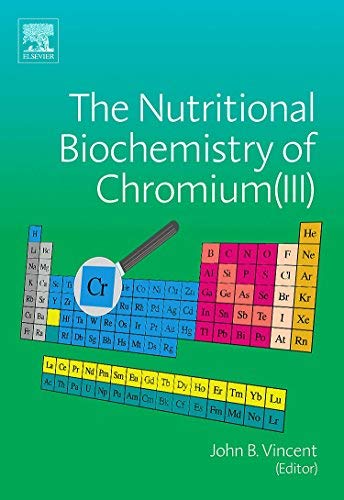
The Nutritional Biochemistry of Chromium(III) 2, Vincent, John - Amazon.com
The Nutritional Biochemistry of Chromium(III), Second Edition, <strong>reviews the fields of chromium biochemistry and nutrition and how they have dramatically changed in the last decade</strong>.

NOW Foods Supplements, Chromium Picolinate 200 mcg, Insulin Co-Factor*, 250 Veg Capsules
Supplement FactsServing Size:1 Veg CapsuleServings Per Container:100DescriptionAmount per Serving% Daily ValueChromium(from 1,835 mcg Chromium Picolinate) 200 mcg 571%* Other Ingredients: <strong>Rice
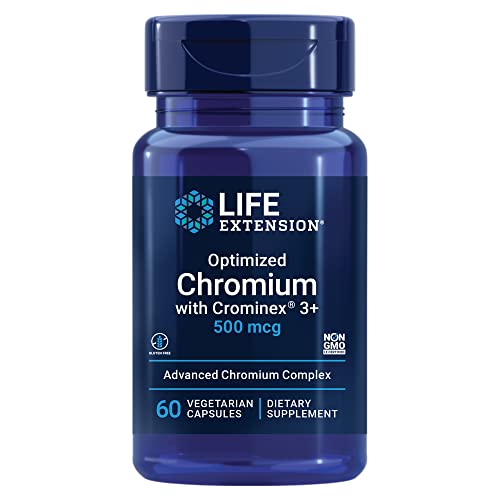
Life Extension Optimized Chromium with Crominex 3+ 500 mcg, Metabolism Health, Healthy Balance, Vegetarian, Gluten Free, Non-GMO, 500 mcg, 60 Vegetarian Capsules
It contains 500 mcg of chromium with amla extract and shilajit to <strong>help support healthy endothelial function, normal cellular energy production, and maintain lipids and triglyceride levels alre
Evidence & Sources
Promising research with growing clinical support from multiple studies
- NIH Office of Dietary Supplements: Chromium Fact Sheet for Health Professionals
- National Center for Complementary and Integrative Health (NCCIH)
- Diabetes Care
- The American Journal of Clinical Nutrition
- Journal of Trace Elements in Medicine and Biology
- Cochrane Database of Systematic Reviews
- European Journal of Clinical Nutrition
- World Health Organization (WHO) trace element publications
This content is for informational purposes only and does not constitute medical advice. Always consult a qualified healthcare provider before starting, stopping, or changing any supplement or medication regimen.