

Choline
Also known as: Citicoline, CDP-Choline, Alpha-GPC, Lecithin
Overview
Choline is an essential nutrient required for normal cell structure, nerve signaling, lipid transport, and methylation. Although it is often grouped with B vitamins because of its metabolic roles, choline is a distinct nutrient. It is a building block for phosphatidylcholine and other phospholipids in cell membranes, a precursor to the neurotransmitter acetylcholine, and a key donor in one-carbon metabolism through its metabolite betaine. These functions make choline especially relevant to brain development and cognition, liver function, muscle performance, and cardiovascular and metabolic health.
Humans can synthesize a limited amount of choline in the liver, but not enough to meet total physiological needs, so it must also come from food or supplements. Eggs, liver, meat, fish, legumes, and some cruciferous vegetables are common dietary sources. Research has identified life stages with heightened choline demand, especially pregnancy and lactation, when fetal and infant brain development depends heavily on maternal choline status. Population surveys suggest that many people do not consistently meet adequate intake targets, though true deficiency severe enough to cause clinical symptoms is considered uncommon in the general population.
From a health standpoint, choline has drawn attention for several reasons. In conventional nutrition science, it is recognized as important for preventing fat accumulation in the liver, supporting membrane integrity, and enabling normal neurologic function. In supplement research and integrative medicine, choline is also discussed in relation to memory, focus, methylation balance, homocysteine metabolism, and healthy aging. Different supplemental forms—including choline bitartrate, phosphatidylcholine, alpha-GPC, and CDP-choline (citicoline)—have somewhat different pharmacologic profiles, which may influence how they are studied.
Choline is not a simple “more is better” nutrient. Both inadequate and excessive intake may have consequences. Low intake has been associated with liver dysfunction, muscle damage, and altered methylation in susceptible individuals, while high intake may cause adverse effects such as gastrointestinal discomfort, hypotension, fishy body odor, and increased trimethylamine-related metabolite production in some contexts. As with many nutrients, the clinical picture depends on dose, form, genetics, diet, life stage, and underlying health conditions, making individualized assessment important.
Medical Perspectives
Two Ways of Seeing Health

Western
scientific · clinical
Western medicine applies science, technology, and clinical experience to treat symptoms through testing, diagnosis, and targeted intervention.

Eastern
traditional · alternative
Eastern medicine focuses on treating the body naturally by applying traditional knowledge practiced for thousands of years, emphasizing balance and whole-person wellness.
Gold Bamboo presents both perspectives side-by-side so you can make informed decisions. We don't advocate for one over the other — your health choices are yours.
Western Medicine Perspective
Western / Conventional Medicine Perspective
In conventional medicine, choline is viewed primarily as an essential nutrient with defined biochemical roles rather than a broad therapeutic agent. The National Academies established Adequate Intake (AI) values for choline because available evidence was sufficient to confirm essentiality but not to establish a full Recommended Dietary Allowance for all groups. Clinical and metabolic studies show that inadequate choline intake can contribute to nonalcoholic fatty liver changes, elevated liver enzymes, and muscle damage, particularly in people with increased requirements or genetic variants affecting choline metabolism. This is one reason choline receives special attention in prenatal nutrition, liver health, and general dietary adequacy.
Choline’s role in the nervous system has also made it a topic of interest in neurology and cognitive science. As a precursor to acetylcholine and membrane phospholipids, it is biologically plausible that choline-related compounds may affect attention, memory, and neuronal resilience. However, the evidence varies by compound and clinical context. For example, citicoline (CDP-choline) and alpha-GPC have been studied for cognitive impairment, stroke recovery, and attention-related outcomes, with some studies suggesting potential benefit, but the overall literature remains mixed and not uniformly conclusive across populations. Conventional medicine generally treats these uses as adjunctive or investigational, rather than established standard care.
Another major research area is pregnancy and early neurodevelopment. Studies indicate that maternal choline intake may influence fetal brain development, placental function, and offspring cognitive outcomes. This has led to growing interest in whether current prenatal diets and supplements provide adequate choline. At the same time, western medicine recognizes that findings from mechanistic and cohort studies do not always translate directly into universal supplementation strategies, and clinicians typically interpret choline status in the broader context of diet quality, prenatal care, and overall nutrient balance.
Safety considerations are also part of the western view. High intakes can lead to adverse effects, and emerging research has explored the relationship between choline metabolism, the gut microbiome, and trimethylamine N-oxide (TMAO), a compound studied for possible links to cardiovascular risk. This area remains complex: choline is essential, yet its downstream metabolites may have differing implications depending on microbiome composition, dietary patterns, and metabolic health. Overall, conventional medicine considers choline important and biologically well-established, while many supplemental applications remain areas of ongoing study rather than settled clinical consensus.
Eastern & Traditional Perspective
Eastern / Traditional Medicine Perspective
In Traditional Chinese Medicine (TCM) and other classical East Asian systems, choline is not described as a single standalone nutrient in the modern biochemical sense. Instead, its effects would more often be interpreted through patterns of function—such as nourishment of the Brain and Marrow, support for the Liver system, and maintenance of the body’s capacity for clear mental activity and smooth internal transport. From this perspective, symptoms now associated with low dietary resilience, poor concentration, fatigue, or sluggish metabolism may be framed in terms of imbalances involving Spleen qi, Liver qi, Kidney essence, or phlegm obstructing mental clarity. Nutrient-dense foods naturally rich in choline, such as eggs and organ meats, have traditionally been valued in many cultures as restorative foods.
In Ayurveda, choline would similarly not appear as a classical named compound, but its functions overlap with broader concepts involving medhya (cognitive support), agni (metabolic capacity), dhatu nourishment, and liver-related balance often associated with pitta and rakta systems. Foods containing phospholipids and methyl-donor nutrients may be viewed as contributing to tissue building, nervous system steadiness, and reproductive and developmental nourishment when used appropriately within constitution and digestive capacity. In this framework, memory and focus are rarely treated as isolated endpoints; they are connected to digestion, sleep, stress load, and whole-body vitality.
In naturopathy and integrative nutrition, choline is often discussed as part of a foundational nutrient strategy rather than as an isolated remedy. Practitioners may evaluate it in relation to methylation pathways, homocysteine balance, fatty liver tendencies, cognitive performance, and prenatal nutrition, often alongside folate, vitamin B12, vitamin B6, and betaine. Research-informed integrative models frequently emphasize that nutrient insufficiency can coexist with broader lifestyle and digestive issues, so choline is viewed within a systems-based context.
Traditional systems generally place less emphasis on single-nutrient pharmacology and more on food quality, constitution, balance, and pattern differentiation. As a result, eastern and traditional perspectives tend to regard choline-rich foods and modern choline supplementation as potentially relevant tools, but not substitutes for broader assessment. Anyone considering complementary approaches—especially during pregnancy, for liver concerns, or for cognitive symptoms—would generally benefit from consultation with qualified healthcare professionals familiar with both conventional and traditional frameworks.
Supplements & Products
Recommended Products
Advanced Nutrition and Human Metabolism (MindTap Course List)
Jack L. Smith ... Sareen S. Gropper ... ADVANCED NUTRITION AND HUMAN METABOLISM <strong>clearly and accurately explains even the most complex metabolic processes and concepts in a student-friendly man
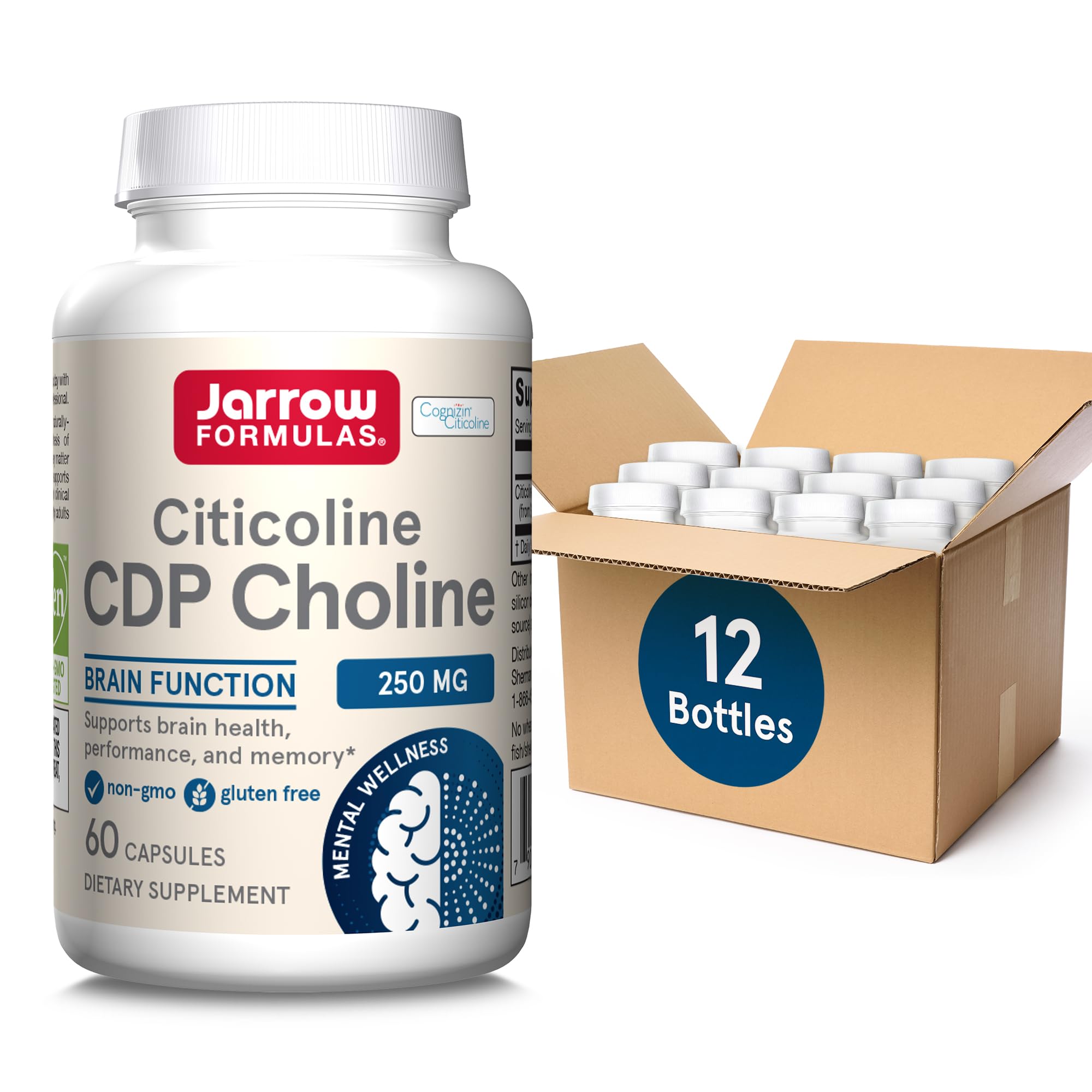
Jarrow Formulas Citicoline CDP 250 MG, CDP Choline Supplements, Support Brain Health, Performance and Memory, 120 Capsules, Up to a 120 Day Supply
<strong>Brain Health, Performance and Memory support supplement</strong>: Contains one 120 count bottle of Jarrow Formulas Citicoline CDP Choline 250 mg Capsules for a 60- to 120-day supply.
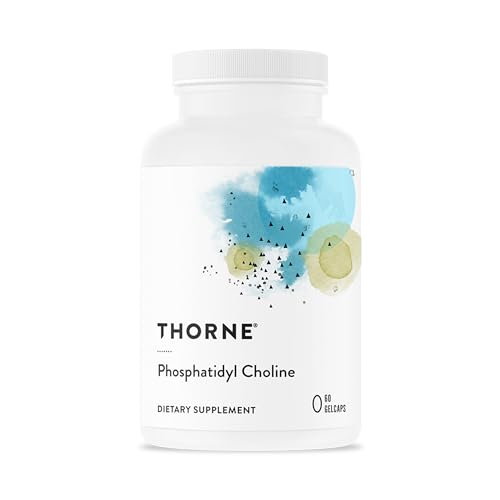
THORNE - Phosphatidyl Choline - Phospholipid Complex for Liver Support, Cholesterol Metabolism & Healthy Bile* - Third-Party Certified - Gluten & Dairy-Free - 60 Softgels
Natural Factors - Phosphatidyl ... 60 softgels · THORNE - Phosphatidylserine - <strong>Supports Healthy Brain Function, Memory & Focus - Helps Regulate Cortisol During Stress</strong>* - Third-Par
Evidence & Sources
Promising research with growing clinical support from multiple studies
- National Institutes of Health Office of Dietary Supplements
- Institute of Medicine (National Academies) Dietary Reference Intakes
- American Journal of Clinical Nutrition
- Nutrients
- The American Journal of Clinical Nutrition
- Journal of Nutrition
- European Journal of Nutrition
- National Center for Complementary and Integrative Health
This content is for informational purposes only and does not constitute medical advice. Always consult a qualified healthcare provider before starting, stopping, or changing any supplement or medication regimen.