

Chamomile
Also known as: German Chamomile, Matricaria Chamomilla, Chamomile Tea
Overview
Chamomile refers most commonly to Matricaria chamomilla (also called German chamomile) and, less often, Chamaemelum nobile (Roman chamomile), two aromatic plants long used in teas, extracts, tinctures, and topical preparations. It is among the most widely recognized herbal remedies for relaxation, digestive comfort, and sleep support, and it appears in both traditional household use and modern dietary supplement products. Its flowers contain a range of bioactive compounds, including apigenin, bisabolol, chamazulene, and flavonoids, which are thought to contribute to its calming, anti-inflammatory, and antispasmodic properties.
In popular use, chamomile is often associated with bedtime tea, mild nervous tension, occasional indigestion, bloating, and soothing care for irritated tissues. Research interest has focused particularly on anxiety symptoms, sleep quality, gastrointestinal discomfort, and inflammatory skin concerns. While chamomile has a long history of traditional use and a generally favorable safety reputation when used appropriately, scientific findings vary depending on the preparation studied, dose, and health condition being evaluated.
From a public health perspective, chamomile occupies an important middle ground between food and medicine. Many people encounter it first as a beverage, yet concentrated forms are marketed as supplements for specific wellness goals. This makes it a common subject of questions about effectiveness, interactions, and quality. As with many botanicals, it is important to distinguish between traditional use, preliminary clinical evidence, and well-established medical indications. People with allergies to plants in the Asteraceae/Compositae family, as well as those using certain medications, are often advised in clinical settings to discuss herbal use with a qualified healthcare professional.
Overall, chamomile is best understood as a traditional calming and digestive herb with emerging to moderate clinical evidence in selected areas, rather than a standalone treatment for major medical conditions. Its enduring use across cultures reflects broad interest in gentle, supportive therapies, while modern research continues to investigate which uses are most substantiated and for whom.
Medical Perspectives
Two Ways of Seeing Health

Western
scientific · clinical
Western medicine applies science, technology, and clinical experience to treat symptoms through testing, diagnosis, and targeted intervention.

Eastern
traditional · alternative
Eastern medicine focuses on treating the body naturally by applying traditional knowledge practiced for thousands of years, emphasizing balance and whole-person wellness.
Gold Bamboo presents both perspectives side-by-side so you can make informed decisions. We don't advocate for one over the other — your health choices are yours.
Western Medicine Perspective
Western / Conventional Medicine Perspective
In conventional medicine, chamomile is typically viewed as an herbal supplement with potential mild anxiolytic, sedative, anti-inflammatory, and antispasmodic effects. Laboratory and pharmacologic studies suggest that constituents such as apigenin may interact with receptors involved in relaxation and mood regulation, while other compounds may help explain traditional use for gastrointestinal cramping and irritation. Clinical research has explored chamomile for generalized anxiety symptoms, sleep disturbance, oral mucositis, infant colic, dyspepsia, and skin inflammation, though the quality and consistency of evidence differ considerably by condition.
For anxiety and sleep, studies suggest chamomile may offer modest benefit in some individuals, particularly for mild anxiety symptoms or subjective sleep quality. However, conventional medicine generally does not consider chamomile a primary treatment for insomnia, anxiety disorders, or other psychiatric conditions. For digestive complaints, chamomile is often discussed as a traditional soothing agent rather than a standard evidence-based therapy, though some combination herbal products containing chamomile have been studied for dyspepsia and intestinal discomfort. Topically, chamomile has also been investigated for inflammatory skin conditions and wound-related irritation, but findings remain mixed.
Safety discussions in Western practice typically emphasize that chamomile is often well tolerated, especially in food-like forms such as tea, but it is not risk-free. Potential concerns include allergic reactions, especially in people sensitive to ragweed and related plants, and possible interactions with medications, including those affecting blood clotting or sedation. Product quality, plant species, extraction method, and contamination are also relevant issues in supplement evaluation. For these reasons, healthcare providers commonly frame chamomile as a low-intensity supportive option that may be reasonable for some people, while noting that persistent symptoms, significant anxiety, severe insomnia, or gastrointestinal distress warrant proper medical assessment.
Eastern & Traditional Perspective
Eastern / Traditional Medicine Perspective
In traditional European herbalism, chamomile has long been regarded as a classic gentle nervine and digestive herb. It has traditionally been used to calm restlessness, ease stomach upset, reduce gas and cramping, and support relaxation before sleep. Its energetic profile is often described as soothing, softening, and mildly warming, making it a common choice in folk and naturopathic traditions for states associated with tension, irritability, or digestive sensitivity.
Within naturopathic and integrative herbal practice, chamomile is often categorized as a plant that supports the mind-gut connection—a traditional concept that aligns with the observation that stress and digestion frequently influence one another. It has historically been used when emotional strain appears to coincide with digestive discomfort, appetite disturbance, or unsettled sleep. Traditional preparations include teas, compresses, baths, and topical applications for minor skin irritation.
Although chamomile is not one of the central, foundational herbs of Traditional Chinese Medicine or Ayurveda in the way it is in Western herbalism, it is still incorporated in some modern integrative settings through its perceived calming and soothing qualities. In broader traditional frameworks, herbs like chamomile are often selected based on patterns—such as tension, excess reactivity, digestive unease, or inflammatory irritation—rather than a single symptom alone. These systems typically emphasize individualized assessment, constitution, preparation form, and the broader context of diet, stress, and lifestyle.
From an eastern and traditional perspective, chamomile is valued less as a targeted pharmaceutical-style agent and more as a balancing botanical for mild disturbances in relaxation, digestion, and tissue comfort. This long-standing historical use contributes meaningfully to its reputation, even where modern clinical validation remains incomplete.
Supplements & Products
Recommended Products

Medical Herbalism: The Science Principles and Practices Of Herbal Medicine: David Hoffmann
The author of seventeen books, including the highly regarded <strong>The Complete Illustrated Holistic Herbal, An Elders' Herbal, and The Herbal Handbook</strong>, Hoffmann teaches phytotherapy t

Traditional Medicinals Tea, Organic Chamomile, Calming, Calms Your Nerves, Supports Healthy Digestion, 96 Tea Bags (6 Pack) : Herbal Teas : Everything Else
Amazon.com : Traditional Medicinals Tea, Organic Chamomile, Calming, Calms Your Nerves, Supports Healthy Digestion, 96 Tea Bags (6 Pack) : Herbal Teas : Everything Else
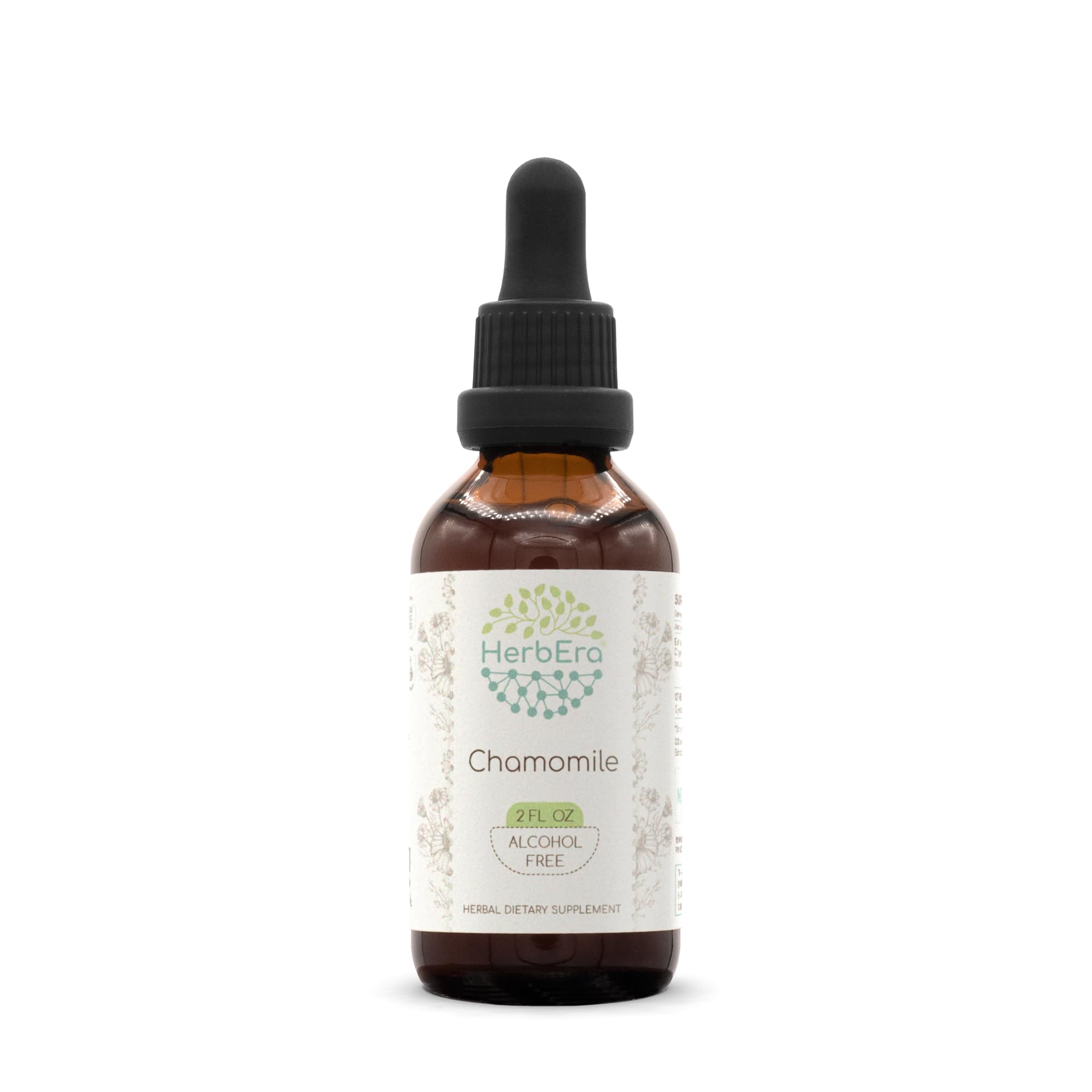
Chamomile Alcohol-Free Liquid Extract, Organic Chamomile (Matricaria Recutita) Dried Flower Glycerite Hawaii Pharm Natural Herbal Supplement 2 oz
<strong>Contains NO: Alcohol, GMO, gluten, artificial colors, heavy metals, preservatives, pesticides, fertilizers</strong>. Shake well before use. Take 20-30 drops, three times a day or as directed b
Evidence & Sources
Promising research with growing clinical support from multiple studies
- National Center for Complementary and Integrative Health (NCCIH)
- European Medicines Agency (EMA) Herbal Monograph: Matricaria recutita L., flos
- Journal of Clinical Psychopharmacology
- Phytomedicine
- Molecular Medicine Reports
- Systematic Reviews in Pharmacy
- World Health Organization (WHO) Monographs on Selected Medicinal Plants
- American Botanical Council
This content is for informational purposes only and does not constitute medical advice. Always consult a qualified healthcare provider before starting, stopping, or changing any supplement or medication regimen.