

Chaga
Also known as: Inonotus Obliquus
Overview
Chaga refers to Inonotus obliquus, a fungus that grows primarily on birch trees in cold climates such as Northern Europe, Russia, Korea, Canada, and parts of the northern United States. Although often grouped with medicinal mushrooms, chaga is technically a sterile conk rather than the familiar cap-and-stem mushroom form. It has a long history of traditional use in folk medicine, where it has been prepared as a tea, decoction, powder, or extract and valued for general vitality, resilience, and immune support.
Interest in chaga in modern wellness culture largely centers on its high antioxidant content and its complex mixture of naturally occurring compounds, including polysaccharides, beta-glucans, polyphenols, melanin-like pigments, triterpenes, and sterols. Laboratory research suggests these constituents may have immunomodulatory, anti-inflammatory, and oxidative stress–modulating effects. Chaga is also notable for compounds derived from birch, such as betulin and betulinic acid, which have drawn scientific interest for their biological activity.
From a public health perspective, chaga is best understood as a traditional supplement with promising but still limited human evidence. Much of the enthusiasm around chaga comes from in vitro and animal studies rather than large clinical trials in humans. As a result, while research suggests biological potential, conventional medicine does not currently treat chaga as a standard therapy for immune conditions, cancer, metabolic disease, or chronic inflammation.
Safety and quality are important considerations. Chaga products vary widely in extraction method, species verification, and concentration of active compounds. Reports in the medical literature have also raised questions about oxalate content, potential interactions with medications affecting blood sugar or blood clotting, and the broader issue of supplement standardization. For that reason, chaga is generally discussed in integrative health as a supplement of interest rather than an established medical intervention, and product use is best considered in consultation with a qualified healthcare professional.
Medical Perspectives
Two Ways of Seeing Health

Western
scientific · clinical
Western medicine applies science, technology, and clinical experience to treat symptoms through testing, diagnosis, and targeted intervention.

Eastern
traditional · alternative
Eastern medicine focuses on treating the body naturally by applying traditional knowledge practiced for thousands of years, emphasizing balance and whole-person wellness.
Gold Bamboo presents both perspectives side-by-side so you can make informed decisions. We don't advocate for one over the other — your health choices are yours.
Western Medicine Perspective
Western / Conventional Medicine Perspective
In conventional medicine, chaga is viewed as a bioactive natural product under investigation, not a clinically established treatment. Researchers have examined chaga extracts for effects on immune signaling, inflammation, oxidative stress, and tumor-related pathways. Preclinical studies indicate that polysaccharides and other constituents may influence macrophages, cytokines, and other components of innate immune function. Additional laboratory studies have explored antioxidant activity and potential effects on glucose metabolism, lipid regulation, and cellular protection.
However, the key limitation is that human clinical evidence remains sparse. There are not enough large, high-quality randomized controlled trials to determine with confidence whether chaga provides meaningful clinical benefits for immune support, fatigue, infection resilience, or chronic disease outcomes. In oncology and immunology discussions, chaga sometimes appears in complementary medicine conversations, but mainstream guidelines generally do not recognize it as a standard treatment because evidence is preliminary.
Safety questions also shape the conventional view. Case reports and reviews have noted concerns about kidney risk related to high oxalate exposure, particularly with heavy or prolonged intake of some preparations. Because chaga may also affect platelet activity or glucose regulation in experimental settings, clinicians often consider the possibility of interactions in people using anticoagulants, antiplatelet agents, or diabetes medications. As with many supplements, contamination, adulteration, and inconsistent labeling remain quality-control issues.
Overall, western medicine tends to classify chaga as a promising but insufficiently validated supplement. Research suggests interesting pharmacologic properties, but current evidence does not support broad medical claims. Any consideration of chaga, especially in people with chronic illness, kidney concerns, cancer, autoimmune conditions, or complex medication regimens, warrants discussion with a healthcare provider.
Eastern & Traditional Perspective
Eastern / Traditional Medicine Perspective
In traditional and regional healing systems, chaga has been used less as a single isolated compound and more as a tonic substance associated with endurance, resilience, and general strengthening. In Siberian, Russian, and other northern folk traditions, it has historically been consumed as a brewed preparation for digestive wellness, vitality, and resistance to illness. This traditional framing emphasizes long-term balance and constitutional support rather than narrowly defined disease endpoints.
Within broader East Asian herbal thinking, medicinal fungi are often interpreted through their effects on vital energy, adaptive capacity, and immune resilience. While chaga is not as classically central in Traditional Chinese Medicine as mushrooms such as reishi or cordyceps, contemporary integrative practitioners may place it in a similar category of mushroom-based support for stress adaptation, recovery, and systemic balance. Such use is generally contextualized within a person’s overall pattern rather than viewed as a stand-alone remedy.
In naturopathic and integrative traditions, chaga is commonly described as an antioxidant-rich adaptogenic or immunomodulating mushroom, though these terms can be broader than the clinical evidence currently supports. Traditional use often focuses on whole extracts, teas, and combinations with other botanicals or mushrooms. The emphasis is typically on supporting terrain, vitality, and host defense rather than targeting a single mechanism.
From an eastern and traditional perspective, chaga’s value rests heavily on historical use and holistic interpretation, with modern research increasingly explored as a bridge rather than a replacement for traditional knowledge. Even within these systems, contemporary practice generally recognizes the importance of sourcing, preparation, constitution, and professional guidance, especially when combining traditional supplements with conventional care.
Supplements & Products
Recommended Products
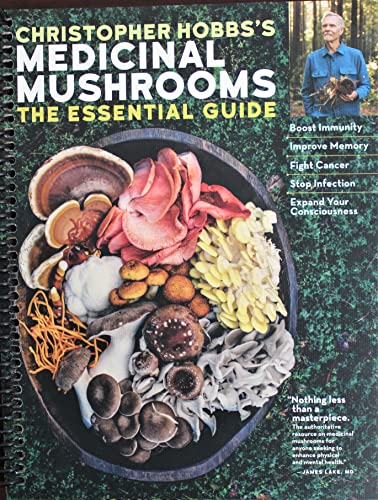
Christopher Hobbs's Medicinal Mushrooms: The Essential Guide: Boost Immunity, Improve Memory, Fight Cancer, Stop Infection, and Expand Your Consciousness: Hobbs L.Ac. AHG, Christopher
Christopher Hobbs, a mycologist and herbalist at the forefront of contemporary research, <strong>profiles the most powerful medicinal mushrooms and explains the nutritional and medicinal compounds in
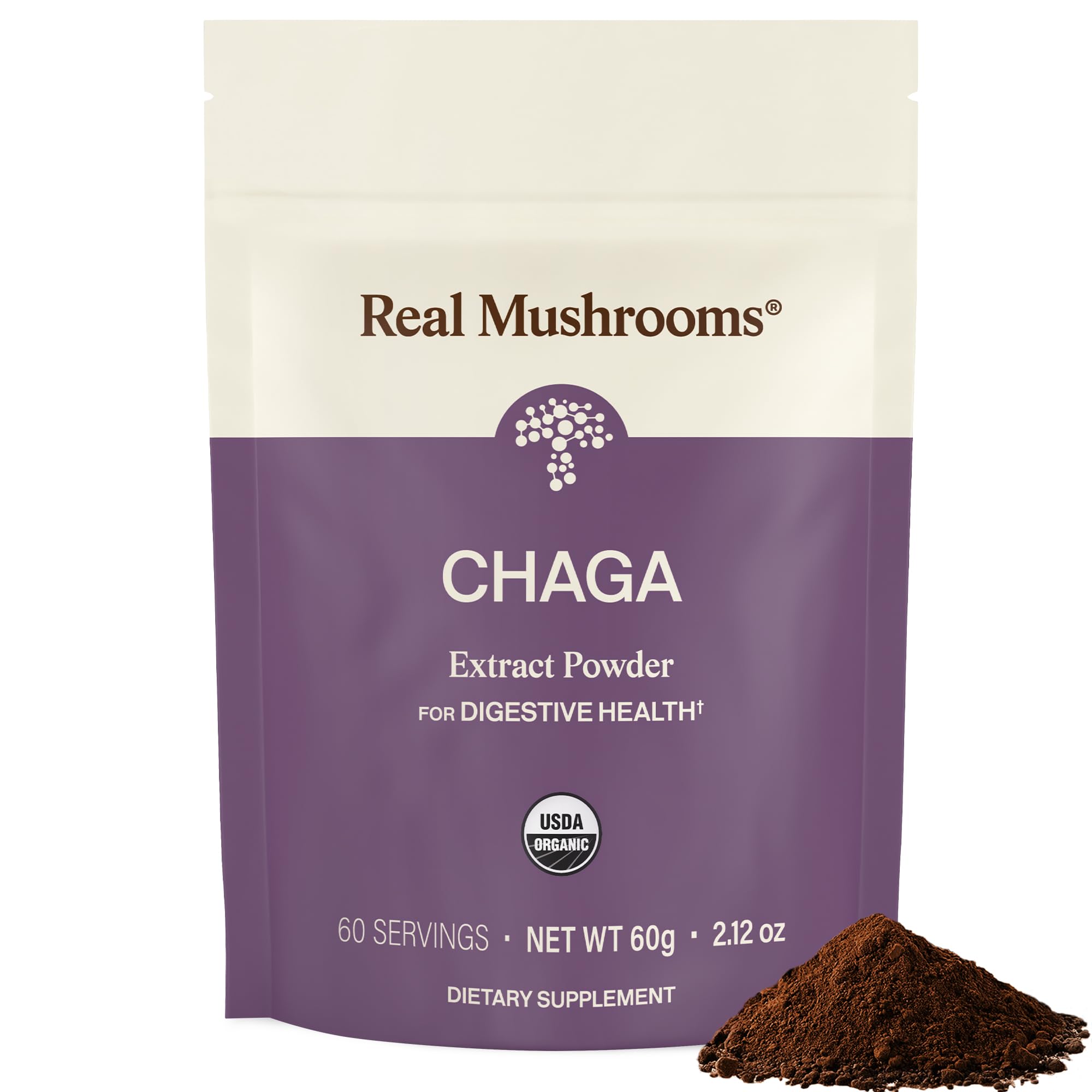
Real Mushrooms Chaga Mushroom Powder – Organic Chaga Extract from Fruiting Body – for Daily Wellness & Energy Support – Vegan, Non-GMO, 60 Servings Mushroom Supplement
Pure Organic Mushroom Extract – No Fillers: <strong>Made from 100% fruiting body, this organic mushroom supplement is free from starch, carriers, or artificial ingredients</strong>. >8% Beta-Glucan
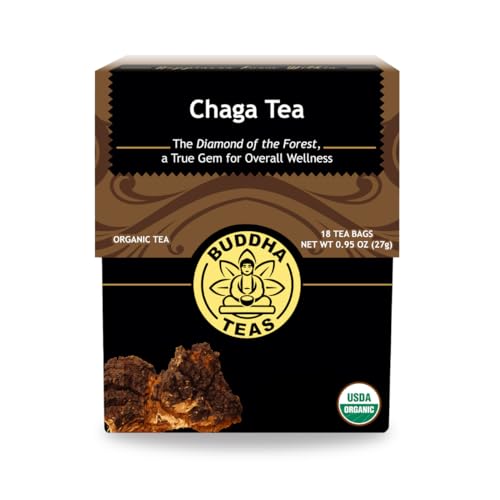
Buddha Teas - Chaga Tea - Organic Herbal Tea - For Cognitive Balance & Overall Health - With Chaga Mushroom, Antioxidants & B Vitamins - Caffeine Free - OU Kosher - 18 Tea Bags (Pack of 1)
Known as an adaptogenic, Chaga ... it a subtle boost of energy. EARTHY AROMA - Buddha Teas Chaga Tea is <strong>medium bodied with a pleasant, earthy flavor</strong>....
Evidence & Sources
Early-stage research, mostly preclinical or preliminary human studies
- Memorial Sloan Kettering Cancer Center
- National Center for Complementary and Integrative Health (NCCIH)
- Journal of Ethnopharmacology
- International Journal of Medicinal Mushrooms
- Mycobiology
- Nutrients
- Frontiers in Pharmacology
- Molecules
This content is for informational purposes only and does not constitute medical advice. Always consult a qualified healthcare provider before starting, stopping, or changing any supplement or medication regimen.