

Calcium
Also known as: Calcium Citrate, Calcium Carbonate, Hydroxyapatite Calcium
Overview
Calcium is an essential mineral involved in far more than bone health. It is a structural component of bones and teeth, and it also plays a central role in muscle contraction, nerve transmission, blood clotting, vascular function, and cellular signaling. Because the body tightly regulates calcium levels in the blood, inadequate intake over time may contribute to gradual depletion of skeletal calcium stores, making this nutrient especially important across the lifespan.
Calcium is most often discussed in relation to bone density, osteoporosis, and fracture risk, particularly in postmenopausal women, older adults, and people with low dietary intake. It is also studied in contexts such as pregnancy, muscle function, and metabolic health. In nutrition and supplement research, calcium is frequently considered alongside vitamin D, which supports calcium absorption, and sometimes vitamin K2, magnesium, and phosphorus, which are also involved in bone metabolism and mineral balance.
Dietary calcium is available through dairy products, fortified foods, leafy greens, tofu prepared with calcium salts, and certain mineral waters. Supplemental forms commonly include calcium carbonate and calcium citrate, which differ in elemental calcium content and absorption characteristics. Research generally suggests that food sources are the preferred foundation for calcium intake, while supplements are often evaluated when dietary intake appears insufficient or when bone health is a specific concern.
Calcium is widely used and widely studied, but its role in supplementation is nuanced. Research indicates that maintaining adequate calcium intake is important for bone health, yet studies have also raised questions about the limits of supplementation, individual absorption differences, kidney stone risk in some populations, and whether calcium alone meaningfully reduces fractures without broader nutritional and lifestyle support. As with many supplements, context matters, and calcium status is best understood within the broader framework of diet, age, hormonal status, kidney health, medication use, and guidance from a qualified healthcare professional.
Medical Perspectives
Two Ways of Seeing Health

Western
scientific · clinical
Western medicine applies science, technology, and clinical experience to treat symptoms through testing, diagnosis, and targeted intervention.

Eastern
traditional · alternative
Eastern medicine focuses on treating the body naturally by applying traditional knowledge practiced for thousands of years, emphasizing balance and whole-person wellness.
Gold Bamboo presents both perspectives side-by-side so you can make informed decisions. We don't advocate for one over the other — your health choices are yours.
Western Medicine Perspective
Western Medicine Perspective
In conventional medicine, calcium is recognized as a required nutrient with established dietary reference intakes. Western research focuses heavily on calcium’s role in bone mineralization and skeletal maintenance, especially in the prevention and management of osteopenia and osteoporosis. Clinical literature generally supports the importance of adequate calcium intake throughout life, but also emphasizes that bone health depends on multiple factors, including vitamin D status, physical activity, endocrine health, protein intake, and aging-related changes in bone remodeling.
Studies on calcium supplementation have shown mixed results depending on the population studied and whether calcium is combined with vitamin D. Some research suggests modest benefits for bone mineral density in individuals with low intake, while fracture prevention outcomes have been more variable. Major medical organizations often frame calcium supplementation as potentially useful in selected individuals who do not meet needs through diet, rather than as a universal strategy. Conventional medicine also considers safety issues, including constipation, drug interactions, hypercalcemia in susceptible individuals, and possible associations with kidney stones. Some debates have also examined whether high-dose calcium supplements may have cardiovascular implications, though findings remain inconsistent and continue to be evaluated.
Beyond bone health, calcium has recognized physiological importance in muscle contraction, cardiac rhythm, nerve conduction, and intracellular signaling. Severe calcium imbalance may occur in certain endocrine, renal, gastrointestinal, or critical care settings, but these are distinct from routine nutritional supplementation. In standard clinical care, assessment of calcium-related concerns may include dietary history, serum calcium interpretation, vitamin D status, parathyroid function, kidney function, and bone density testing where appropriate.
Overall, the conventional view is that calcium is indispensable, but supplementation is best understood as part of a larger medical and nutritional picture rather than a stand-alone solution.
Eastern & Traditional Perspective
Eastern and Traditional Medicine Perspective
In Traditional Chinese Medicine (TCM), calcium is not historically described as an isolated nutrient in the modern biomedical sense. Instead, bone strength, teeth, growth, and structural resilience are traditionally interpreted through broader functional systems such as the Kidney system, which is associated with bones, marrow, development, and aging. From this perspective, weak bones or degenerative changes may be understood in relation to patterns involving Kidney deficiency, aging, or impaired nourishment of the body's deeper reserves. Modern integrative TCM practitioners may discuss calcium-rich foods and supplements, but usually within a broader framework that includes digestion, circulation, constitutional vitality, and lifestyle balance.
In Ayurveda, mineral balance is similarly viewed in systemic terms rather than through calcium alone. Bone tissue is associated with asthi dhatu, and its nourishment is believed to depend on the quality of digestion, absorption, and sequential tissue metabolism. Traditional Ayurvedic interpretation may connect bone weakness or dental fragility with broader imbalances in digestion, aging, or doshic disturbance, especially vata-related depletion patterns. Classical practice has historically used food-based nourishment, mineral preparations in specialized traditions, and lifestyle measures intended to support long-term structural integrity.
In naturopathic and integrative medicine, calcium is often discussed in relation to the body's broader mineral ecology, especially with vitamin D, magnesium, vitamin K2, boron, and trace minerals. This perspective commonly emphasizes that healthy bones depend not only on calcium intake but also on absorption, hormonal balance, inflammation, physical loading, and digestive function. Research-informed integrative practitioners may view calcium as most relevant when intake is low or needs are increased, while also noting that isolated supplementation may not fully address underlying contributors to bone loss.
Across traditional systems, the emphasis tends to be less on calcium as a single intervention and more on the overall terrain of nourishment, aging, assimilation, and structural vitality. These frameworks differ from modern clinical nutrition, but they often converge on the idea that bone health reflects whole-body balance rather than one nutrient in isolation.
Supplements & Products
Recommended Products

Vitamin K2 and the Calcium Paradox: How a Little-Known Vitamin Could Save Your Life: Rheaume-Bleue, Kate
<strong>This is the first book to reveal how universal a Vitamin K2 deficiency is, and the risk (in the form of cancer and diabetes, among other ailments) the absence of Vitamin K2 poses</strong>.
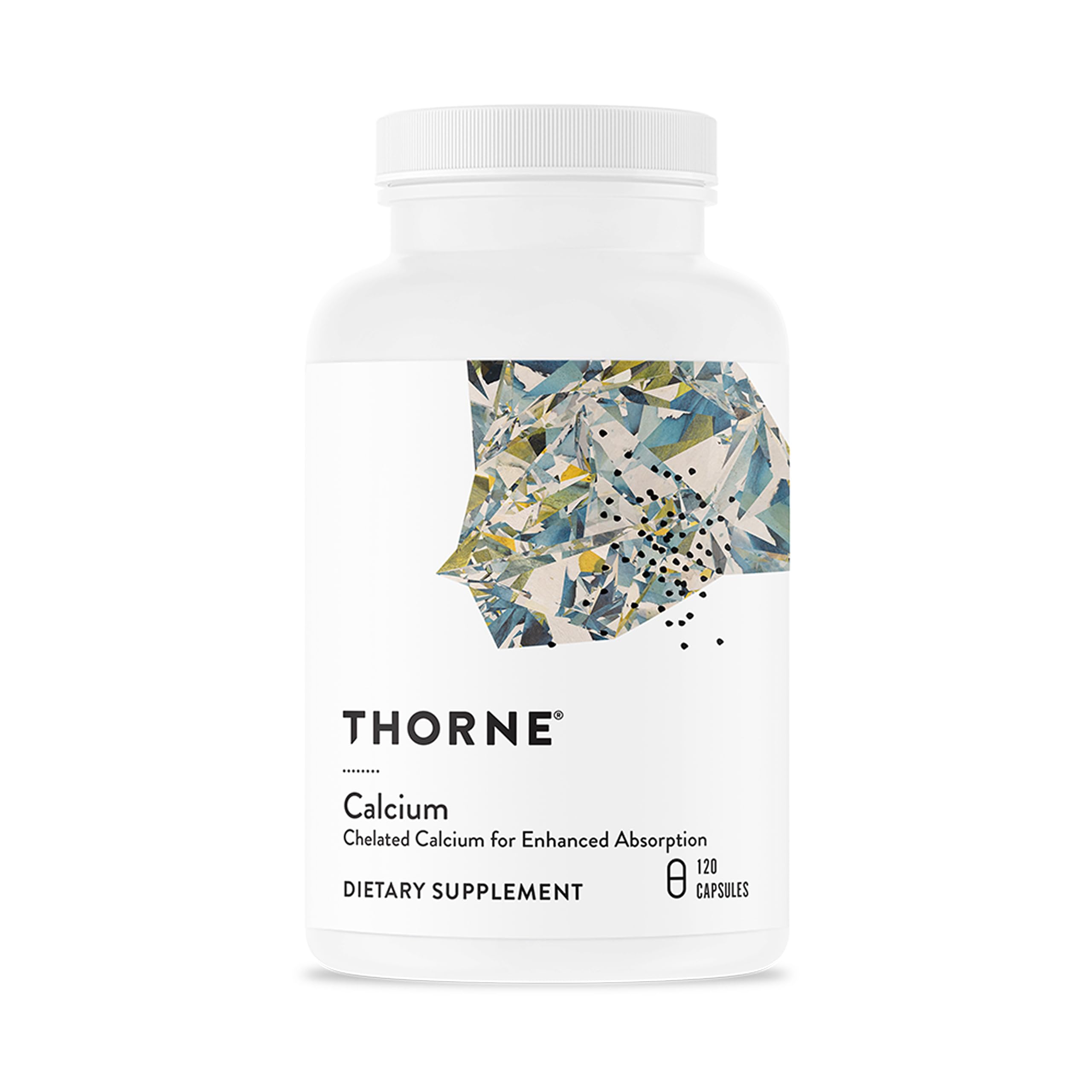
THORNE - Calcium - (Formerly DiCalcium Malate) - Chelated Calcium for Enhanced Absorption with DimaCal for Bone Density Support* - 120 Capsules
Pure Encapsulations Calcium (Citrate) - Supplement for Bone, Teeth, Colon, and Cardiovascular Health Support* - with Premium Calcium Citrate - 60 Capsules ... THORNE - Calcium-Magnesium Malate - Optim

Jarrow Formulas BoneUp for Bone Density - Vitamin D3 and K2, Calcium Support, 240 Capsules, Provides Skeletal Nutrition, Up to 40 Days Supply
Vitamin C (as Calcium Ascorbate), Vitamin D (as D3 Cholecalciferol), Calcium (Elemental) (from Microcrystalline Hydroxyapatite), Magnesium (as Magnesium Oxide), Zinc (as Zinc L-Methionine Sulfate), Co
Evidence & Sources
Supported by multiple clinical trials and systematic reviews
- National Institutes of Health Office of Dietary Supplements
- National Osteoporosis Foundation
- U.S. Preventive Services Task Force
- Cochrane Database of Systematic Reviews
- New England Journal of Medicine
- The Lancet
- Journal of Bone and Mineral Research
- National Center for Complementary and Integrative Health
This content is for informational purposes only and does not constitute medical advice. Always consult a qualified healthcare provider before starting, stopping, or changing any supplement or medication regimen.