

Butyrate
Also known as: Sodium Butyrate, Tributyrin, Butyric Acid
Overview
Butyrate is a short-chain fatty acid (SCFA) produced primarily when beneficial gut microbes ferment certain types of dietary fiber and resistant starch in the colon. It is also available in supplement form, often as sodium butyrate, calcium/magnesium butyrate, or more specialized delivery systems designed to reach the lower gastrointestinal tract. In human physiology, butyrate serves as a major energy source for colonocytes (the cells lining the colon) and is widely studied for its role in gut barrier integrity, microbiome balance, immune signaling, and inflammation regulation.
Interest in butyrate has grown alongside broader attention to the gut microbiome. Research suggests that butyrate-producing bacteria may be associated with intestinal resilience and metabolic health, while lower butyrate production has been observed in some people with conditions involving dysbiosis, altered bowel habits, or intestinal inflammation. For this reason, butyrate is commonly discussed in relation to “leaky gut,” digestive healing, irritable bowel syndrome, inflammatory bowel disease, and overall microbiome support. At the same time, the term can refer both to the compound itself and to the broader physiological process of increasing the body’s natural butyrate production through diet and microbial activity.
From a mechanistic standpoint, butyrate appears to influence health through several pathways. Studies indicate it may help support tight junction function in the intestinal lining, modulate mucus production, influence regulatory immune responses, and affect gene expression through histone deacetylase inhibition. These actions have made it a subject of interest not only in gastroenterology but also in research on metabolic, immune, and even neuroimmune pathways. However, while mechanistic data are robust, clinical outcomes in humans vary by condition, formulation, dose, and study design.
Overall, butyrate occupies an important space between nutrition, microbiome science, and supplemental support. Conventional medicine increasingly recognizes its biological relevance, especially in gut health, while integrative and traditional frameworks often interpret its effects through broader concepts of digestive restoration and systemic balance. The current evidence base is promising but still evolving, and consultation with a qualified healthcare professional is appropriate when considering its role in a broader health plan.
Medical Perspectives
Two Ways of Seeing Health

Western
scientific · clinical
Western medicine applies science, technology, and clinical experience to treat symptoms through testing, diagnosis, and targeted intervention.

Eastern
traditional · alternative
Eastern medicine focuses on treating the body naturally by applying traditional knowledge practiced for thousands of years, emphasizing balance and whole-person wellness.
Gold Bamboo presents both perspectives side-by-side so you can make informed decisions. We don't advocate for one over the other — your health choices are yours.
Western Medicine Perspective
Western Medicine Perspective
In conventional medicine, butyrate is understood primarily as a microbiome-derived metabolite with significant importance for colon health. It is one of the main short-chain fatty acids produced by bacterial fermentation of prebiotic fibers such as inulin, pectin, beta-glucans, and resistant starches. Research has shown that butyrate is a preferred fuel source for colonocytes and may help maintain the integrity of the intestinal barrier, support local blood flow, and regulate inflammatory signaling within the gut. These functions have made butyrate a key focus in the study of intestinal permeability, inflammatory bowel conditions, antibiotic-associated disruption, and post-infectious gut dysfunction.
Clinical research has explored butyrate in several contexts. Studies suggest potential benefit in some patients with ulcerative colitis, functional bowel symptoms, and certain forms of intestinal inflammation, particularly where local delivery to the colon is achieved. There is also growing interest in whether increasing endogenous butyrate production through diet may support broader health outcomes, including metabolic health, insulin sensitivity, and immune regulation. However, human trials are not uniform, and findings are influenced by differences in product formulation, whether butyrate is delivered orally or rectally, and how outcomes are measured. As a result, butyrate is best viewed in mainstream medicine as biologically plausible and clinically promising, rather than universally established for every condition it is marketed toward.
A major distinction in the western view is between direct butyrate supplementation and supporting butyrate production through food and microbiome ecology. Many clinicians and researchers emphasize that dietary fibers and resistant starches may be a more physiologically integrated route for raising colonic butyrate levels, since they rely on microbial fermentation and may also support butyrate-producing bacterial populations. Supplemental butyrate, meanwhile, is being studied for targeted applications, especially where digestive symptoms or mucosal support are central concerns.
Safety data are generally favorable, but like many gut-focused interventions, tolerability can vary. Conventional sources commonly note that individual responses may differ depending on digestive sensitivity, underlying gastrointestinal disease, and the broader microbiome context. For people with persistent gastrointestinal symptoms, blood in the stool, unexplained weight loss, or diagnosed digestive disorders, conventional evaluation remains important before attributing symptoms solely to low butyrate or impaired gut barrier function.
Eastern & Traditional Perspective
Eastern / Traditional Medicine Perspective
Traditional medical systems do not historically describe butyrate by its modern biochemical name, but many of its contemporary uses overlap with longstanding concepts related to digestive strength, intestinal integrity, assimilation, and inflammatory balance. In Traditional Chinese Medicine (TCM), symptoms now associated with poor gut resilience may be interpreted through patterns involving the Spleen and Stomach, disruption of transformation and transportation, accumulation of Dampness, or inflammatory patterns described as Damp-Heat in the intestines. From this lens, the significance of butyrate aligns conceptually with supporting the terrain in which the digestive tract can nourish and protect itself.
In Ayurveda, modern discussions of gut permeability, weak digestion, and microbiome imbalance are often compared with disturbances in agni (digestive fire), the buildup of ama (poorly processed metabolic residue), and imbalance in the doshas, particularly Vata in the colon and Pitta when inflammation is prominent. A butyrate-centered interpretation may fit within a broader effort to restore healthy digestion, support mucosal tissues, and reduce irritation in the gastrointestinal tract. Rather than isolating a single compound as the central solution, traditional systems usually emphasize the larger digestive environment, including food quality, digestive capacity, routine, stress, and constitution.
In naturopathic and integrative traditions, butyrate is often framed as part of a gut restoration model, especially in conversations around microbiome diversity, mucosal healing, and barrier support. Practitioners in these systems may discuss butyrate alongside fermented foods, fiber intake, resistant starch, botanical demulcents, and broader anti-inflammatory strategies. Research-informed integrative practice increasingly bridges these traditional frameworks with modern microbiome science, viewing butyrate as one measurable expression of healthy fermentation and intestinal ecology.
Importantly, eastern and traditional systems tend to focus less on the molecule alone and more on the pattern behind digestive imbalance. From that perspective, butyrate is less a standalone answer and more a modern tool that may correspond with ancient principles of strengthening digestion, reducing internal irritation, and restoring systemic harmony. These interpretations are traditional and conceptual, and they do not replace individualized assessment by qualified healthcare professionals.
Supplements & Products
Recommended Products
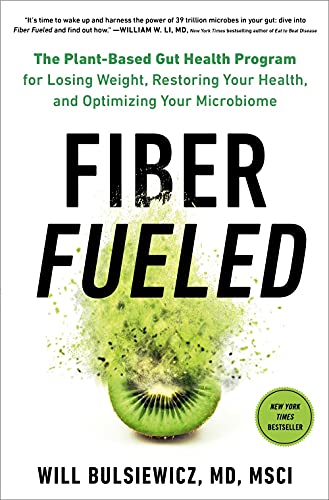
Fiber Fueled: The Plant-Based Gut Health Program for Losing Weight, Restoring Your Health, andOptimizing Your Microbiome eBook : Bulsiewicz MD, Will
With <strong>over 70 plant-fueled recipes, detailed shopping lists, and key lifestyle changes that will help you heal your gut without even lifting a fork</strong>, Fiber Fueled will allow you to thri
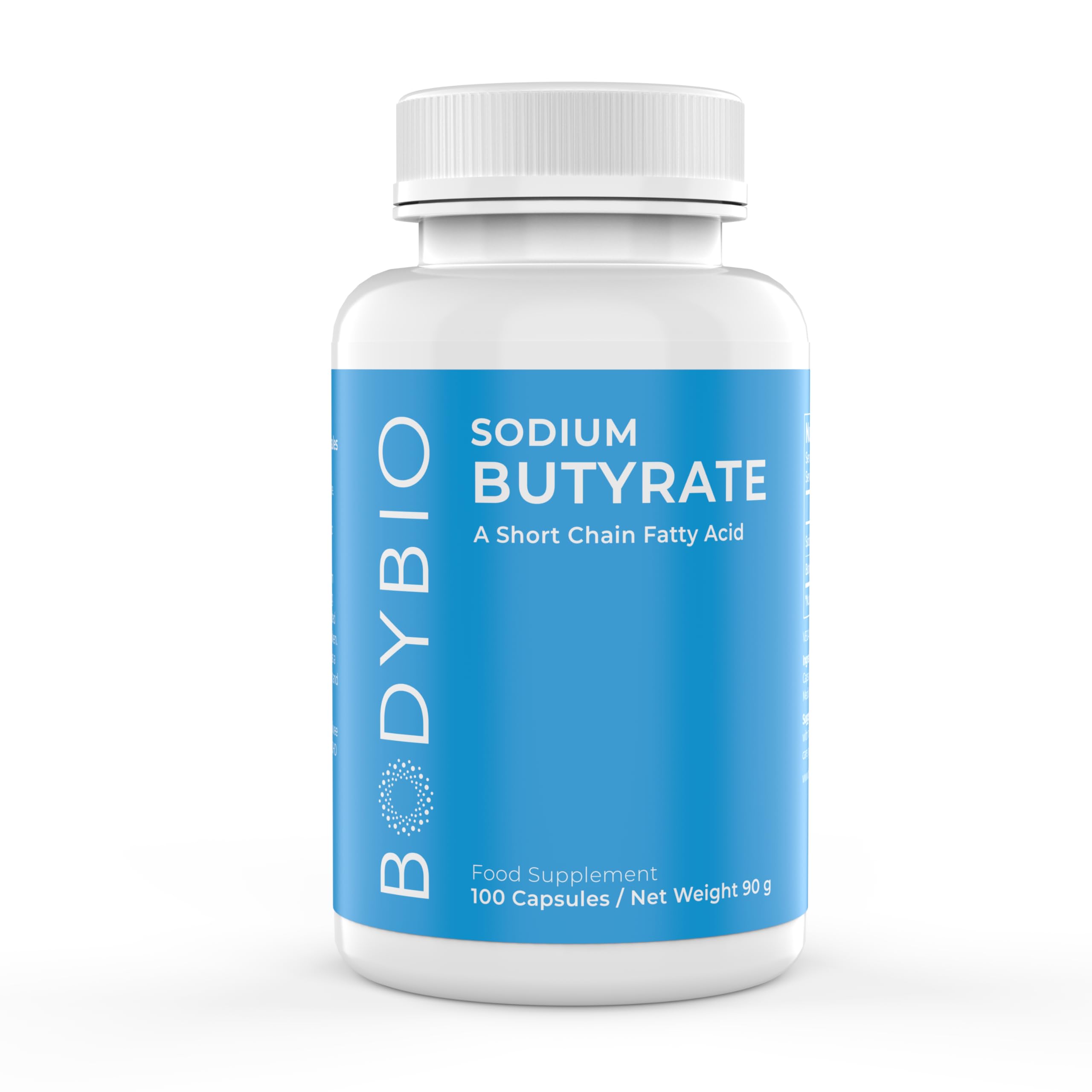
BodyBio Butyrate - Postbiotic for Gut Health, Digestive Support, Bloat, Gas & Constipation Relief, Leaky Gut Repair - Sodium + Butyric Acid Supplement for GI Wellness
Sodium Butyrate Supplement – <strong>Postbiotic for Gut Health, Supports Digestion, IBS, Leaky Gut & Stomach Comfort</strong> – Low Odor, Easy to Swallow, No Side Effects – 100 Vegan Capsules

NOW Foods Supplements, Inulin Prebiotic Pure Powder, Certified Organic, Non-GMO Project Verified, Intestinal Support*, 8-Ounce
NOURISHES FRIENDLY BACTERIA*: Inulin, a fructooligosaccharide (FOS), is <strong>a soluble prebiotic fiber that is resistant to digestion and reaches the large intestine essentially intact</strong>* VE
Evidence & Sources
Promising research with growing clinical support from multiple studies
- National Institutes of Health (NIH)
- National Center for Complementary and Integrative Health (NCCIH)
- World Gastroenterology Organisation
- Gut
- Nature Reviews Gastroenterology & Hepatology
- Nutrients
- World Journal of Gastroenterology
- Cell Host & Microbe
This content is for informational purposes only and does not constitute medical advice. Always consult a qualified healthcare provider before starting, stopping, or changing any supplement or medication regimen.