

Bromelain
Overview
Bromelain is a mixture of proteolytic, or protein-digesting, enzymes derived primarily from the stem and fruit of the pineapple plant (Ananas comosus). It has been used in supplement form for decades and is commonly discussed for its anti-inflammatory, digestive, and tissue-modulating properties. Unlike a single isolated compound, bromelain refers to a group of enzymes and related constituents, which helps explain why its biological effects are broad and sometimes variable across products and studies.
In modern supplement use, bromelain is most often associated with support for inflammation-related conditions, post-injury or post-surgical swelling, and digestive comfort, particularly in contexts where protein breakdown is relevant. Research has also examined bromelain in areas such as sinus and nasal inflammation, osteoarthritis, exercise recovery, and as an adjunct in certain clinical settings. However, the quality of evidence varies considerably depending on the condition studied, the dose used, and whether bromelain was taken alone or combined with other ingredients.
A key aspect of bromelain is that its proposed benefits extend beyond simple digestion. Laboratory and clinical studies suggest it may influence inflammatory signaling, immune activity, platelet aggregation, and edema formation. These mechanisms have made it of interest in both integrative and conventional discussions of healing and recovery. At the same time, its effects are not uniform, and published findings are sometimes mixed, especially in large, high-quality human trials.
From a safety and quality perspective, bromelain is generally considered well tolerated for many adults when used appropriately, but it is not risk-free. Because it may affect bleeding tendency, interact with certain medications, and trigger reactions in people with pineapple or related allergies, healthcare supervision is important in some situations. As with many supplements, differences in manufacturing, enzyme activity measurements, and formulation can influence how findings from one study apply to products available to the public.
Medical Perspectives
Two Ways of Seeing Health

Western
scientific · clinical
Western medicine applies science, technology, and clinical experience to treat symptoms through testing, diagnosis, and targeted intervention.

Eastern
traditional · alternative
Eastern medicine focuses on treating the body naturally by applying traditional knowledge practiced for thousands of years, emphasizing balance and whole-person wellness.
Gold Bamboo presents both perspectives side-by-side so you can make informed decisions. We don't advocate for one over the other — your health choices are yours.
Western Medicine Perspective
Western Medicine Perspective
From a conventional biomedical perspective, bromelain is viewed as a bioactive enzyme complex with potential anti-inflammatory, anti-edematous, and proteolytic effects. Research suggests it may modulate pathways involved in inflammation, including cytokine signaling and inflammatory mediators, while also influencing fibrin breakdown and tissue swelling. These properties have led to study in conditions such as postoperative inflammation, sinusitis, osteoarthritis, and soft-tissue injury. Some clinical trials and reviews report reductions in pain, swelling, or symptom duration, but the strength of evidence differs by indication.
In digestive contexts, bromelain is often described as a proteolytic digestive aid, meaning it may help break down dietary protein. This has contributed to its popularity in digestive support formulations, although strong clinical evidence for routine digestive use in the general population remains limited. In musculoskeletal and inflammatory settings, studies indicate possible benefit, but many trials are small, heterogeneous, or involve combination products, making it difficult to isolate bromelain's specific contribution.
Conventional medicine also pays close attention to safety and drug interaction considerations. Because bromelain may influence platelet function and coagulation-related processes, caution is commonly discussed for individuals using anticoagulant or antiplatelet medications, those with bleeding disorders, or those preparing for surgery. Adverse effects reported in the literature include gastrointestinal upset, allergic reactions, and occasional skin symptoms. As a result, clinicians generally interpret bromelain as a supplement with biologic plausibility and selective clinical promise, but not one supported by uniformly high-quality evidence across all marketed uses.
Eastern & Traditional Perspective
Eastern and Traditional Medicine Perspective
In traditional and integrative healing systems, bromelain is not a classic ancient remedy in the same way as long-established herbs in Traditional Chinese Medicine (TCM) or Ayurveda, because it is primarily a modern extracted enzyme from pineapple. However, pineapple itself has a history of traditional food and folk use in several cultures for supporting digestion, easing feelings of heaviness after meals, and assisting recovery from swelling or tissue irritation. In this broader traditional context, bromelain is often understood as a concentrated expression of pineapple's digestive and softening qualities.
Within naturopathic and integrative medicine, bromelain is commonly framed as a substance that may help the body regulate inflammation, support circulation through tissues, and assist the natural resolution of congestion, puffiness, or stagnation. These interpretations align conceptually with traditional systems that emphasize restoring movement, reducing accumulation, and improving assimilation. In practice, bromelain is often discussed alongside botanicals or dietary approaches intended to support recovery and digestive resilience, though such use is generally based on tradition, clinical experience, and extrapolation from emerging research rather than large definitive trials.
From a TCM-oriented lens, pineapple is sometimes informally characterized as a food that can help address patterns involving food stagnation or damp accumulation, especially where digestive sluggishness is part of the picture, though bromelain itself is not a standard TCM materia medica substance. From an Ayurvedic-informed perspective, pineapple has been regarded in some contemporary integrative discussions as a fruit that may stimulate aspects of digestion, yet these interpretations vary and are not always rooted in classical texts about isolated enzymes. Overall, eastern and traditional perspectives tend to value bromelain most as part of a digestive and inflammation-support framework, while recognizing that modern supplement use has moved beyond its original food-based traditional context.
Supplements & Products
Recommended Products

Enzyme Nutrition: Dr. Edward Howell
Written by one of America’s pioneering biochemists and nutrition researchers, Dr. Edward Howell, Enzyme Nutrition <strong>presents the most vital nutritional discovery since that of vitamins and miner

Doctor's Best 3000 GDU Bromelain Proteolytic Digestive Enzymes Supplements, Supports Healthy Digestion, Joint Health, Nutrient Absorption, 500 mg,Capsule, 90 Count(Pack of 1)
Buy Doctor's Best 3000 GDU Bromelain Proteolytic Digestive Enzymes Supplements, Supports Healthy Digestion, Joint Health, Nutrient Absorption, 500 mg,Capsule, 90 Count(Pack of 1) on Amazon.com ✓
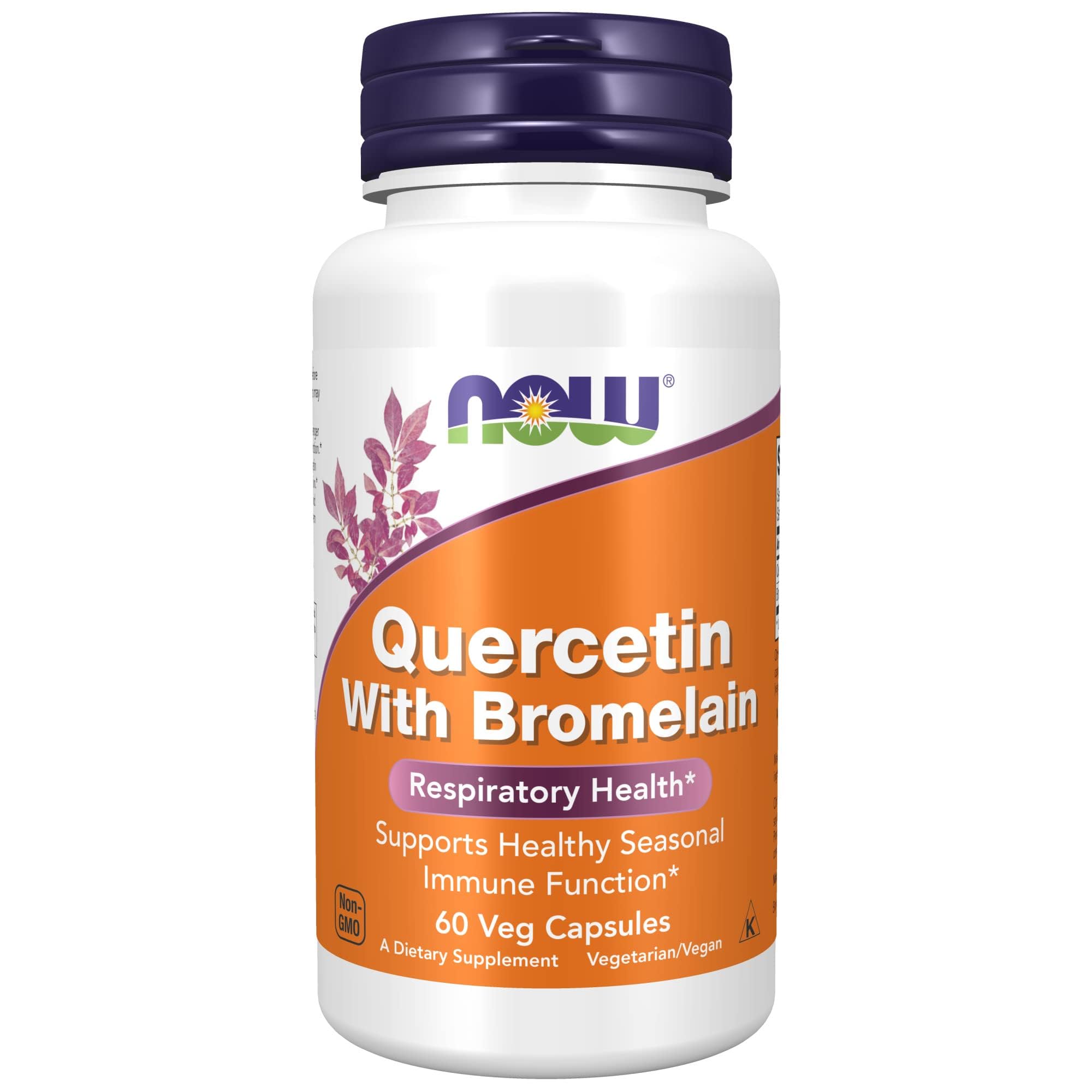
NOW Foods Supplements, Quercetin with Bromelain, Balanced Immune System*, 120 Veg Capsules
Buy NOW Foods Supplements, Quercetin with Bromelain, Balanced Immune System*, 120 Veg Capsules on Amazon.com ✓ FREE SHIPPING on qualified orders
Evidence & Sources
Promising research with growing clinical support from multiple studies
- National Center for Complementary and Integrative Health (NCCIH)
- Memorial Sloan Kettering Cancer Center Integrative Medicine Monographs
- Biotechnology Research International
- Clinical Rheumatology
- Alternative Medicine Review
- Planta Medica
- University of Michigan Health Library
- Food Chemistry
This content is for informational purposes only and does not constitute medical advice. Always consult a qualified healthcare provider before starting, stopping, or changing any supplement or medication regimen.