

Body Protection Compound-157
Also known as: BPC-157
Overview
BPC-157 is a synthetic peptide derived from a protein fragment associated with human gastric juice, and it is often discussed in the supplement and research-chemical space for its proposed effects on tissue repair, inflammation regulation, gut integrity, and recovery from injury. The name commonly refers to Body Protection Compound-157, a 15-amino-acid peptide that has attracted interest in sports recovery, gastrointestinal research, and experimental regenerative medicine. Although it is widely marketed online, its regulatory status is complex: in many jurisdictions it is not an approved prescription medicine, and product quality, purity, dosing, and labeling may vary substantially across commercial sources.
Interest in BPC-157 stems largely from preclinical research, especially animal studies suggesting possible roles in tendon-to-bone healing, muscle and ligament recovery, gastric ulcer protection, intestinal healing, and modulation of inflammatory pathways. Some studies also explore effects on angiogenesis, nitric oxide signaling, and neuroprotective mechanisms. These findings have led to substantial attention among athletes, biohacking communities, and integrative health circles. However, enthusiasm in the public sphere has outpaced the strength of the human evidence base.
From an evidence standpoint, the central issue is that high-quality human clinical data remain limited. Much of the published literature involves rodent or laboratory models, and while those findings are biologically interesting, they do not automatically translate into safety or efficacy in people. Key questions remain about absorption, route of administration, long-term safety, adverse effects, interactions, and whether benefits observed in controlled animal settings apply to real-world human conditions. This is especially important because peptide products sold as supplements or compounded preparations may not undergo the same level of review as approved drugs.
Because BPC-157 is frequently framed as a recovery or regenerative aid, discussions about it often overlap with broader themes in sports medicine, gastroenterology, and integrative care. A balanced view recognizes that research suggests intriguing biological activity, especially in experimental injury and gastrointestinal models, while also acknowledging that major medical organizations and regulators have not established it as a standard therapy for routine clinical use. Anyone considering peptide-based products is generally advised to discuss questions of quality, safety, and appropriateness with a qualified healthcare professional.
Medical Perspectives
Two Ways of Seeing Health

Western
scientific · clinical
Western medicine applies science, technology, and clinical experience to treat symptoms through testing, diagnosis, and targeted intervention.

Eastern
traditional · alternative
Eastern medicine focuses on treating the body naturally by applying traditional knowledge practiced for thousands of years, emphasizing balance and whole-person wellness.
Gold Bamboo presents both perspectives side-by-side so you can make informed decisions. We don't advocate for one over the other — your health choices are yours.
Western Medicine Perspective
Western Medicine Perspective
From a conventional biomedical perspective, BPC-157 is best understood as an experimental peptide with promising but still preliminary evidence. Research has focused on mechanisms such as cytoprotection, angiogenic signaling, collagen organization, nitric oxide pathway modulation, and anti-inflammatory effects. In animal studies, investigators have reported accelerated healing in tendons, ligaments, muscle, intestinal tissue, and gastric mucosa. These findings have made BPC-157 a subject of interest in regenerative medicine and sports injury research.
At the same time, conventional medicine places strong emphasis on the distinction between preclinical promise and clinically established benefit. Human data are sparse, and there is no broad consensus from major clinical guidelines supporting BPC-157 as a standard treatment for orthopedic injury, inflammatory bowel conditions, ulcer disease, or recovery support. Concerns also include the lack of standardized manufacturing, uncertain pharmacokinetics in humans, limited long-term safety data, and inconsistent oversight of products sold outside formal drug approval pathways. In sports settings, additional attention may be given to rules from bodies such as the World Anti-Doping Agency (WADA) regarding prohibited classes or investigational substances.
In practical terms, the western medical view is generally cautious: BPC-157 is seen as a research interest rather than an established evidence-based therapy. Clinicians who encounter questions about it often focus on the quality of evidence, product sourcing concerns, possible contamination or mislabeling, and the importance of evaluating underlying injuries or digestive symptoms through standard medical assessment rather than assuming a peptide will resolve them.
Eastern & Traditional Perspective
Eastern and Traditional Medicine Perspective
BPC-157 does not originate from classical traditional systems such as Traditional Chinese Medicine (TCM) or Ayurveda, so it does not have a historical role comparable to established herbs, formulas, or diagnostic frameworks. However, within modern integrative and alternative medicine discussions, it is sometimes interpreted through broader traditional concepts related to restoring tissue integrity, supporting digestive resilience, and promoting recovery after stress or injury. These interpretive parallels are modern and conceptual rather than rooted in ancient texts.
In TCM-informed thinking, symptoms that in western terms relate to soft-tissue injury or impaired healing may be described through patterns involving disruption of Qi and Blood circulation, accumulation of stasis, or weakness affecting the Spleen and Stomach systems in digestive complaints. A practitioner drawing integrative comparisons might place BPC-157 conceptually alongside therapies intended to support the body’s restorative capacity, though classical TCM would more traditionally rely on acupuncture, movement practices, and herbal strategies rather than synthetic peptides.
In Ayurvedic and naturopathic perspectives, discussion may center on supporting the body's inherent healing intelligence, maintaining gut balance, and reducing factors associated with excess inflammation or impaired recovery. Again, BPC-157 itself is not a traditional Ayurvedic substance; any use is a modern integrative adoption rather than a historically established remedy. As with many newer compounds entering alternative medicine conversations, traditional practitioners who engage with the topic may emphasize individualized assessment, product quality, and coordination with licensed medical care, especially because the evidence base is still developing.
Supplements & Products
Recommended Products
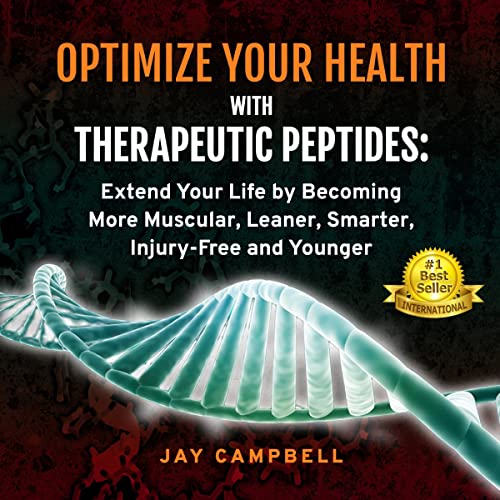
Optimize your Health with Therapeutic Peptides: Extend your Life by Becoming More Muscular, Leaner, Smarter, Injury-Free, and Younger: Campbell, Jay, Andrews, Nick
After 14 years of using peptides personally and taking the advice and insights of the hundreds of thousands of Men and Women he interacts with online, Jay has written <strong>the go-to guide on Peptid
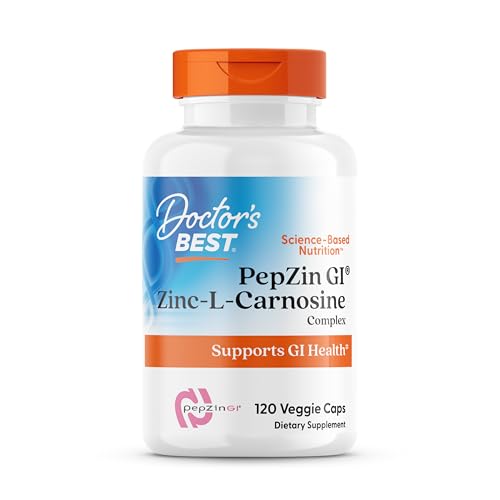
Doctor's Best PepZin GI, Zinc-L-Carnosine Complex for Men & Women - Zinc Carnosine Supplement Caps for Gut Health, Digestive Support, & Stomach Comfort, Vegan, Gluten Free - 120 Veg Capsules
PEPZIN GI ZINC-L-CARNOSINE: <strong>This formula combines 75 mg of zinc and L-carnosine to support healthy digestive function, ease occasional gastric discomfort, and promote overall stomach comfort</

Vital Proteins Collagen Peptides Powder Advanced with Hyaluronic Acid & Vitamin C, 20oz Collagen Protein, Unflavored, 27 Servings
SUPPORTS COLLAGEN PRODUCTION: With 100% daily value of Vitamin C, this Vital Proteins Collagen Peptides Advanced Powder <strong>helps promote collagen production which is important for maintaining hea
Evidence & Sources
Early-stage research, mostly preclinical or preliminary human studies
- National Center for Biotechnology Information (NCBI) / PubMed literature on BPC-157
- Current Pharmaceutical Design
- Journal of Physiology Paris
- Biomedicines
- International Journal of Molecular Sciences
- World Anti-Doping Agency (WADA)
- U.S. Food and Drug Administration (FDA)
- National Center for Complementary and Integrative Health (NCCIH)
This content is for informational purposes only and does not constitute medical advice. Always consult a qualified healthcare provider before starting, stopping, or changing any supplement or medication regimen.