

Boswellia
Also known as: Frankincense, Boswellia (Frankincense)
Boswellia (Frankincense): Overview
Boswellia, commonly known as frankincense, refers to resin obtained from trees in the Boswellia genus, especially Boswellia serrata, Boswellia carterii, and related species. In supplement and herbal medicine contexts, Boswellia is most often standardized for boswellic acids, a group of resin compounds that have been studied for their potential effects on inflammation, joint comfort, and immune signaling. It has a long history of use in traditional medical systems and remains one of the better-known botanical ingredients discussed in relation to musculoskeletal health.
Interest in Boswellia has grown because chronic inflammation is involved in a wide range of conditions, from osteoarthritis and inflammatory bowel disorders to broader pain and mobility concerns. Laboratory and early clinical research suggests that Boswellia extracts may influence inflammatory pathways, including 5-lipoxygenase-related leukotriene activity, as well as other mediators involved in tissue irritation and immune response. Because of these mechanisms, Boswellia is often positioned as a botanical supplement for people exploring non-pharmaceutical approaches to inflammatory symptoms, although clinical outcomes vary depending on the extract, dose standardization, and study design.
From a public health perspective, Boswellia sits at the intersection of traditional plant medicine and modern nutraceutical research. It is commonly available in capsules, tablets, powders, and multi-ingredient joint formulas. However, frankincense as an aromatic resin used in ceremonial or topical traditions is not identical to standardized oral Boswellia extracts studied in clinical trials. Product quality, species identity, and concentration of active constituents can differ substantially, which affects both interpretation of research and real-world use.
Overall, Boswellia is best understood as a promising but not universally standardized supplement with the strongest attention in research related to osteoarthritis, inflammatory conditions, and symptomatic relief of pain or stiffness. As with other botanicals, evidence is shaped by variability in preparations, and people considering Boswellia are generally advised to discuss supplement use with a qualified healthcare professional, especially if they have chronic disease, take medications, or are pregnant or breastfeeding.
Medical Perspectives
Two Ways of Seeing Health

Western
scientific · clinical
Western medicine applies science, technology, and clinical experience to treat symptoms through testing, diagnosis, and targeted intervention.

Eastern
traditional · alternative
Eastern medicine focuses on treating the body naturally by applying traditional knowledge practiced for thousands of years, emphasizing balance and whole-person wellness.
Gold Bamboo presents both perspectives side-by-side so you can make informed decisions. We don't advocate for one over the other — your health choices are yours.
Western Medicine Perspective
Western / Conventional Medicine Perspective
In conventional medicine, Boswellia is viewed as a botanical supplement with anti-inflammatory potential, rather than as a first-line standalone therapy. Research has focused primarily on standardized extracts of Boswellia serrata, especially in osteoarthritis and some inflammatory disorders. Clinical studies and systematic reviews suggest Boswellia may help reduce pain, stiffness, and functional limitation in some people with osteoarthritis, particularly of the knee, though the magnitude of benefit and certainty of evidence vary. Some studies have also explored Boswellia in ulcerative colitis, asthma, and rheumatoid or inflammatory pain states, but the evidence is less consistent and often limited by small sample sizes.
Mechanistically, Boswellia has been investigated for its effects on boswellic acids, including compounds such as AKBA (acetyl-11-keto-beta-boswellic acid). These constituents appear to interact with inflammatory signaling pathways, including leukotriene synthesis and other immune mediators. This biochemical plausibility helps explain why Boswellia continues to attract interest in integrative medicine and supplement research. Even so, conventional clinicians typically note that mechanistic promise does not automatically translate into clear clinical efficacy, especially when formulations differ across studies.
Safety data suggest Boswellia is generally well tolerated in short-term studies, with reported adverse effects often including gastrointestinal upset, reflux, nausea, diarrhea, or headache. As with many supplements, long-term safety and drug-supplement interaction data are less complete than for approved medications. Caution is commonly noted for individuals using anti-inflammatory drugs, anticoagulants, immunomodulating agents, or those managing complex medical conditions. In evidence-based practice, Boswellia is usually discussed as a complementary option under clinical supervision, not as a replacement for established diagnosis or treatment.
Eastern & Traditional Perspective
Eastern / Traditional Medicine Perspective
In Ayurveda, Boswellia is most closely associated with Salai Guggul (Boswellia serrata), a resin traditionally used in formulations for joint discomfort, swelling, mobility issues, and inflammatory states. Ayurvedic understanding does not frame these concerns solely in biochemical terms; instead, Boswellia is traditionally considered in relation to patterns involving ama (metabolic residue or toxic buildup), impaired tissue function, and aggravated Vata affecting the joints and movement. It has historically been used as part of broader herbal combinations rather than as an isolated compound, reflecting a systems-based approach to restoring balance.
In Traditional Chinese Medicine and related East Asian herbal traditions, frankincense resin is often linked conceptually with substances used to invigorate blood, move qi, reduce swelling, and ease pain, particularly in cases involving traumatic injury, fixed pain, or stagnation patterns. While the species and materia medica traditions are not identical to Ayurvedic use of Boswellia serrata, the broader traditional theme is similar: resinous botanicals are valued for supporting circulation and resolving painful obstruction. These frameworks emphasize pattern differentiation and constitutional context rather than standardized anti-inflammatory endpoints.
In naturopathic and integrative herbal practice, Boswellia is often viewed as a bridge between traditional herbalism and modern phytotherapy. Practitioners may discuss it as a plant with both historical use and emerging clinical literature, particularly for musculoskeletal inflammation and digestive inflammatory conditions. Traditional systems generally regard Boswellia as one component of a broader therapeutic picture that may also include diet, lifestyle, bodywork, and individualized herbal combinations. As with all traditional approaches, interpretation varies by lineage and practitioner training, and consultation with a qualified healthcare provider remains important when integrating supplements with conventional care.
Supplements & Products
Recommended Products
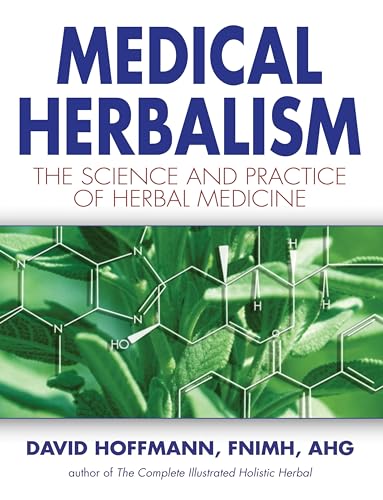
Principles and Practice of Phytotherapy: Modern Herbal Medicine
by Kerry Bone MCPP FNHAA FNIMH ... <strong>covers all major aspects of herbal medicine from fundamental concepts, traditional use and scientific research through to safety, effective dosage and clinic

NOW Foods Boswellia Extract 500 mg Softgels, 90 Count x 2
Boswellia 1200mg - Boswellia Extract | Turmeric | Hyaluronic Acid | MSM | Same - Joint Health & Comfort - Boswellia Serrata | 65% Boswellic Acid - for Men & Women - Made in USA - 120 Capsules

Life Extension 5-LOX Inhibitor with AprèsFlex®, 100 mg, standardized Boswellia serrata Extract, Promotes Joint, Cell & arterial Health, Gluten-Free, Non-GMO, Vegetarian, 60 Capsules
<strong>Boswellia has also been shown to inhibit 5-LOX to support cardiovascular and arterial health</strong>—another important aspect of healthy aging. We use a standardized form of Boswellia called
Evidence & Sources
Promising research with growing clinical support from multiple studies
- National Center for Complementary and Integrative Health (NCCIH)
- Memorial Sloan Kettering Cancer Center: About Herbs
- Cochrane Database of Systematic Reviews
- Phytomedicine
- Planta Medica
- Journal of Ethnopharmacology
- Osteoarthritis and Cartilage
- World Health Organization (WHO) monographs on medicinal plants
This content is for informational purposes only and does not constitute medical advice. Always consult a qualified healthcare provider before starting, stopping, or changing any supplement or medication regimen.