

Boron
Also known as: Boron Glycinate, Boron Citrate
Overview
Boron is a naturally occurring trace mineral found in soil, water, and many plant foods, including fruits, nuts, legumes, and vegetables. Although it is not universally classified as an essential nutrient in the same way as calcium, iron, or zinc, it has drawn significant scientific interest because of its apparent role in mineral metabolism, bone physiology, inflammatory signaling, and hormone regulation. In supplement form, boron is often included in formulas marketed for bone support, joint comfort, and mineral balance, particularly alongside magnesium, vitamin D, and calcium.
Research suggests boron may influence how the body utilizes magnesium, calcium, and phosphorus, which helps explain why it is frequently discussed in the context of bone health. Some studies also indicate that boron may affect steroid hormone metabolism, including estrogen and testosterone, though the clinical significance of these effects remains under investigation. Interest in boron has also grown because observational and mechanistic studies have explored links between boron intake and joint health, cognitive function, and inflammatory pathways.
At the same time, boron occupies a somewhat complex place in nutrition science. It is present in ordinary diets, and many people likely obtain modest amounts through food without thinking about it. However, there is no broad consensus that routine supplementation is necessary for the general population, and the strongest claims around boron often outpace the quality of available human evidence. Much of the literature consists of small clinical studies, short-term trials, animal research, and biochemical investigations rather than large, definitive outcome studies.
From a safety perspective, boron is generally discussed as a low-dose micronutrient, but dose matters. Excessive boron exposure may cause adverse effects, and special caution is generally warranted for children, pregnant individuals, people with hormone-sensitive conditions, and those with kidney-related concerns, since mineral handling and endocrine effects may be relevant. As with any supplement topic, healthcare guidance is important when boron is being considered in the context of broader nutritional, metabolic, or bone-health concerns.
Medical Perspectives
Two Ways of Seeing Health

Western
scientific · clinical
Western medicine applies science, technology, and clinical experience to treat symptoms through testing, diagnosis, and targeted intervention.

Eastern
traditional · alternative
Eastern medicine focuses on treating the body naturally by applying traditional knowledge practiced for thousands of years, emphasizing balance and whole-person wellness.
Gold Bamboo presents both perspectives side-by-side so you can make informed decisions. We don't advocate for one over the other — your health choices are yours.
Western Medicine Perspective
Western / Conventional Medicine Perspective
In conventional medicine, boron is viewed as a biologically active trace element with plausible relevance to several systems, especially bone and mineral metabolism. Laboratory and human research suggests boron may modify the metabolism of calcium, magnesium, vitamin D, and phosphorus, all of which are central to skeletal health. This has led researchers to examine whether boron could help support bone density, bone turnover, or postmenopausal bone physiology, particularly in populations with lower dietary intake or marginal nutritional status.
Studies also indicate boron may influence inflammatory markers and enzymatic processes involved in oxidative stress and immune signaling. These mechanisms are part of the reason boron is frequently mentioned in discussions of joint comfort and osteoarthritis-related research. However, from an evidence-based standpoint, the clinical literature remains limited and mixed. Some small studies suggest potential benefits in specific settings, but there is not enough high-quality evidence for boron to hold a prominent place in standard medical treatment guidelines for arthritis, osteoporosis, or hormone management.
Conventional clinicians may also note the distinction between dietary boron intake and supplemental boron use. A nutrient-rich diet commonly provides low-level boron exposure, especially when plant foods are emphasized. Supplementation, by contrast, raises questions about appropriate dosing, long-term safety, interactions with other nutrients, and relevance for specific conditions. Mainstream medicine generally frames boron as an interesting adjunctive nutritional factor rather than a primary therapy.
Overall, western medicine recognizes boron as scientifically plausible and potentially meaningful, but not yet conclusively established for most common supplement claims. Patients considering boron often benefit from discussing it with a qualified healthcare professional, particularly if they are also evaluating bone health, hormone-related concerns, kidney function, or multi-supplement regimens.
Eastern & Traditional Perspective
Eastern / Traditional Medicine Perspective
Traditional medical systems such as Traditional Chinese Medicine (TCM) and Ayurveda do not typically center their frameworks around isolated trace minerals in the way modern nutritional science does. Instead, they tend to interpret health through patterns, functions, constitution, digestion, tissue nourishment, vitality, and balance. For that reason, boron itself is not usually a classic standalone therapeutic category in these traditions. Even so, the modern interest in boron can be meaningfully related to traditional concepts involving bones, joints, aging, resilience, and tissue support.
In TCM, bone strength is often discussed in relation to the Kidney system, while joint discomfort may be interpreted through patterns involving wind, cold, dampness, blood stasis, or deficiency depending on the presentation. A compound like boron would not historically be described as a primary treatment within classical TCM theory, yet its modern association with bone metabolism and joint function overlaps conceptually with traditional concerns about maintaining structural integrity and supporting the body through aging. TCM practice would more commonly emphasize individualized assessment, food therapy, herbal formulas, movement practices, and pattern differentiation rather than relying on a single mineral.
In Ayurveda, bones and connective tissues are often considered through the lens of asthi dhatu and the broader quality of tissue nourishment, digestive strength, and constitutional balance. Joint discomfort may be interpreted in connection with vata imbalance, accumulation of metabolic waste concepts such as ama, or age-related tissue depletion. From this perspective, boron as an isolated supplement is a modern nutritional tool rather than a classical Ayurvedic remedy, though its contemporary reputation for supporting bone and joint wellness may be seen as broadly compatible with traditional goals of preserving tissue integrity.
Naturopathic and integrative traditions tend to bridge these worlds more directly, often viewing boron as part of a broader foundational nutrient strategy that may intersect with diet quality, mineral sufficiency, hormone balance, and inflammatory status. Even in these systems, however, boron is generally framed as one piece of a larger picture rather than a complete answer on its own. Traditional and integrative approaches typically place strong emphasis on individualized context and practitioner guidance.
Supplements & Products
Recommended Products
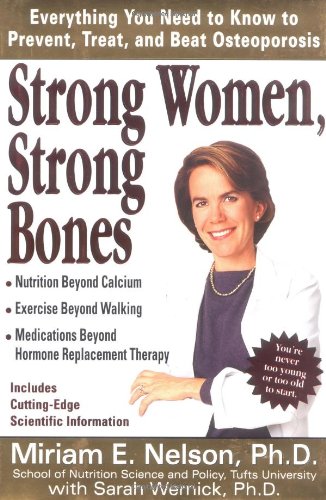
Your Bones: How You Can Prevent Osteoporosis and Have Strong Bones for Life―Naturally: Pizzorno, Lara, Wright M.D., Jonathan V.
Your Bones: How You Can Prevent Osteoporosis and Have Strong Bones for Life―Naturally [Pizzorno, Lara, Wright M.D., Jonathan V.] on Amazon.com. *FREE* shipping on qualifying offers. Your Bones: How Yo
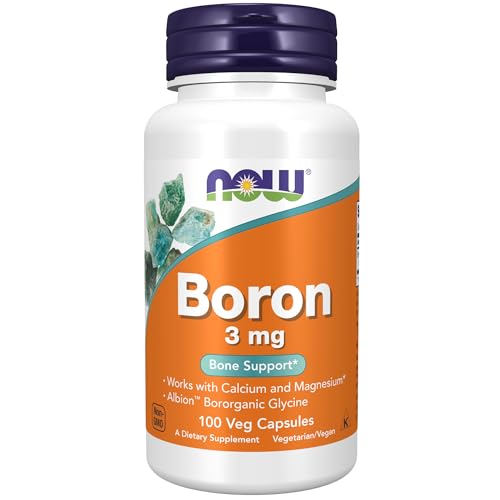
NOW Supplements, Boron 3 mg (Bororganic Glycine), Structural Support*, 250 Veg Capsules
Works with Calcium and Magnesium* Albion™ Bororganic Glycine Boron is <strong>a biologically active trace mineral that affects calcium, magnesium and phosphorus metabolism</strong>.* Boron is known to
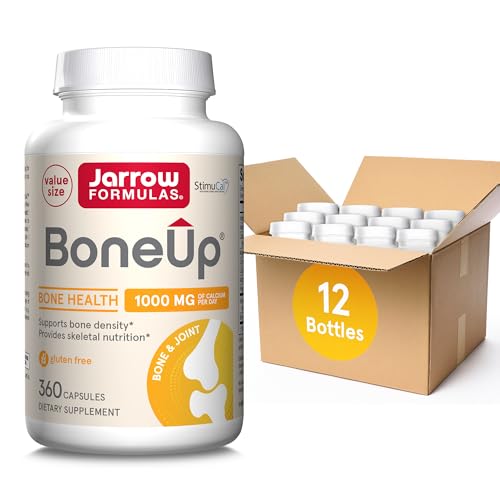
Jarrow Formulas BoneUp for Bone Density - Vitamin D3 and K2, Calcium Support, 360 Capsules, Promotes Skeletal Nutrition, Up to 60 Days Supply
Vitamin C (as Calcium Ascorbate), ... Potassium (as Potassium Citrate), Vitamin K2 (as Natural MK-7 [Menaquinone-7]), <strong>Boron (as Boron Citrate),</strong> cellulose, capsule (bovine gelatin), ma
Evidence & Sources
Promising research with growing clinical support from multiple studies
- National Institutes of Health Office of Dietary Supplements
- National Center for Complementary and Integrative Health (NCCIH)
- World Health Organization
- Journal of Trace Elements in Medicine and Biology
- Environmental Health Perspectives
- FASEB Journal
- Integrative Medicine: A Clinician's Journal
- Biological Trace Element Research
This content is for informational purposes only and does not constitute medical advice. Always consult a qualified healthcare provider before starting, stopping, or changing any supplement or medication regimen.