

Black Seed Oil
Also known as: Nigella Sativa, Black Seed Oil (Nigella Sativa)
Overview
Black seed oil is derived from the seeds of Nigella sativa, a flowering plant native to parts of South Asia, the Middle East, and the Mediterranean region. It is also known as black cumin seed oil or simply black seed, though it is botanically distinct from common culinary cumin and caraway. The oil and whole seeds have a long history of use in traditional health systems and are now widely marketed as dietary supplements for general wellness, immune support, metabolic health, respiratory comfort, and skin health.
Interest in black seed oil centers on its complex chemical profile, especially thymoquinone, one of its best-studied active constituents. It also contains other volatile oils, alkaloids, sterols, flavonoids, and fatty acids that may contribute to its biological activity. Laboratory and animal research has suggested anti-inflammatory, antioxidant, antimicrobial, and immunomodulatory effects, which has led to growing clinical interest across a wide range of conditions.
In human research, black seed oil has been studied for topics including asthma, allergic disease, blood sugar regulation, blood lipids, hypertension, obesity-related markers, and certain skin disorders. Findings are promising in some areas, but the quality of evidence varies. Many studies are relatively small, use different preparations or dosages, and evaluate short-term outcomes. As a result, black seed oil is best understood as a supplement with emerging to moderate evidence for selected uses rather than a universally established therapy.
From a safety standpoint, black seed oil is generally described as well tolerated in limited-duration studies, but side effects such as gastrointestinal discomfort, allergic reactions, or skin irritation with topical use have been reported. Because supplements can differ substantially in purity, concentration, and manufacturing quality, product variability is an important consideration. People with chronic illness, those who are pregnant or breastfeeding, and anyone taking prescription medications are typically advised in clinical settings to discuss supplement use with a qualified healthcare professional.
Medical Perspectives
Two Ways of Seeing Health

Western
scientific · clinical
Western medicine applies science, technology, and clinical experience to treat symptoms through testing, diagnosis, and targeted intervention.

Eastern
traditional · alternative
Eastern medicine focuses on treating the body naturally by applying traditional knowledge practiced for thousands of years, emphasizing balance and whole-person wellness.
Gold Bamboo presents both perspectives side-by-side so you can make informed decisions. We don't advocate for one over the other — your health choices are yours.
Western Medicine Perspective
Western Medicine Perspective
In conventional medicine, black seed oil is viewed as a botanical supplement with pharmacologically active compounds rather than as an established first-line treatment. Research has focused on mechanisms such as reduction of oxidative stress, modulation of inflammatory pathways, and possible effects on glucose metabolism, lipid metabolism, and airway responsiveness. Thymoquinone, in particular, has been investigated for its role in influencing cytokines, eicosanoids, and other signaling pathways relevant to inflammation and immune activity.
Clinical studies suggest that black seed oil or Nigella sativa preparations may have modest benefits in some contexts. Systematic reviews and randomized trials have reported possible improvements in glycemic markers, lipid profiles, blood pressure, asthma symptoms, and some dermatologic outcomes. However, interpretation remains cautious because many studies are small, heterogeneous, and methodologically limited. Different trials use capsules, oils, powders, or extracts with varying concentrations, making comparison difficult.
Conventional clinicians also consider safety, interactions, and standardization. Black seed oil may theoretically interact with medications that affect blood sugar, blood pressure, blood clotting, or immune function, though the strength of evidence for specific interactions is still developing. There is also limited long-term safety data. For these reasons, western medicine generally frames black seed oil as a complementary supplement of interest, not a replacement for evidence-based medical care, and emphasizes the importance of discussing its use with a healthcare provider when medical conditions or prescription drugs are involved.
Eastern & Traditional Perspective
Eastern and Traditional Medicine Perspective
In traditional Islamic, Middle Eastern, Unani, and regional folk medicine, Nigella sativa has been used for centuries as a broad wellness-supporting herb. Traditional systems have associated it with support for digestion, respiratory health, vitality, and resilience during illness. Historical use often emphasizes the seed as a strengthening and balancing substance rather than a single-purpose intervention, and it may appear in oils, powders, decoctions, or food-based preparations.
Within a broader traditional and integrative framework, black seed is often regarded as an herb that helps the body respond to inflammation, congestion, sluggish digestion, and environmental stressors. In systems such as Unani, herbs are often understood through energetic qualities and constitutional effects; black seed has traditionally been characterized as warming and stimulating. In naturopathic and herbal traditions, it is commonly discussed for its potential to support immune balance, respiratory comfort, and metabolic function, while acknowledging that traditional use does not equal modern clinical proof.
Traditional medicine perspectives generally place black seed oil within a whole-person model that considers diet, constitution, environment, and symptom patterns together. Rather than isolating a single active compound, these systems often value the synergy of the whole seed or oil. Modern integrative practitioners may reference both historical use and emerging clinical evidence, while also noting the need for individualized assessment and consultation with qualified practitioners, especially when black seed oil is used alongside conventional therapies.
Supplements & Products
Recommended Products
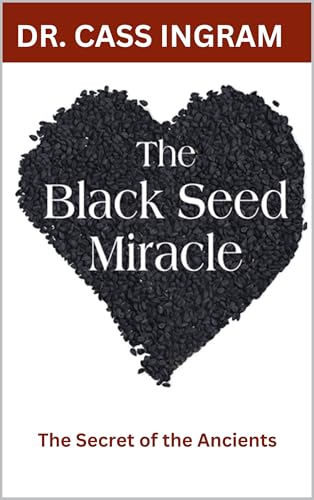
The Black Seed Miracle: The Secret of the Ancients - Kindle edition by Ingram, Cass. Health, Fitness & Dieting Kindle eBooks @ Amazon.com.
The Black Seed Miracle: The Secret of the Ancients - Kindle edition by Ingram, Cass. Download it once and read it on your Kindle device, PC, phones or tablets. Use features like bookmarks, note taking
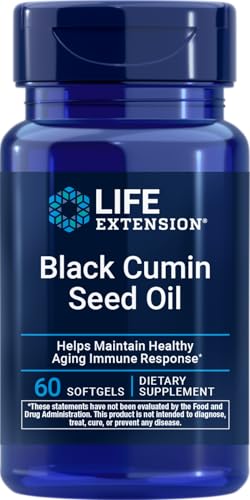
Life Extension Black Cumin Seed Oil, 60 softgels (Pack of 2)
Black cumin is one of the most ancient beneficial herbs. Although it has been used as a spice, don’t confuse it with cumin. Oil extracted from black cumin seed contains a component called thymoquinone
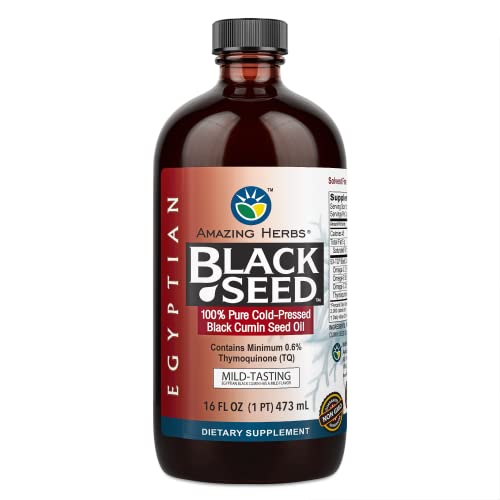
Amazing Herbs Egyptian Black Seed Oil - Gluten Free, Non GMO, Cold Pressed Nigella Sativa Aids in Digestive Health, Immune Support, Brain Function, Mild Flavor - 16 Fl Oz
Amazing Herbs Egyptian Black Seed Oil - <strong>Gluten Free, Non GMO, Cold Pressed Nigella Sativa Supports Digestive Health, Immune Support, Mild Flavor</strong> - 8 Fl Oz
Evidence & Sources
Promising research with growing clinical support from multiple studies
- National Center for Complementary and Integrative Health (NCCIH)
- World Health Organization (WHO) monographs and traditional medicine resources
- Journal of Ethnopharmacology
- Phytotherapy Research
- Frontiers in Pharmacology
- Saudi Pharmaceutical Journal
- BMC Complementary Medicine and Therapies
- Journal of Herbal Medicine
This content is for informational purposes only and does not constitute medical advice. Always consult a qualified healthcare provider before starting, stopping, or changing any supplement or medication regimen.