

Black Cohosh
Also known as: Actaea Racemosa, Cimicifuga Racemosa
Overview
Black cohosh (Actaea racemosa, formerly Cimicifuga racemosa) is a perennial plant native to North America whose root and rhizome have long been used in herbal practice, particularly for concerns related to menopause, menstrual discomfort, and women’s hormonal transitions. It is among the most widely recognized botanical supplements for hot flashes, night sweats, sleep disruption, irritability, and mood changes associated with perimenopause and menopause. Interest in black cohosh grew substantially as many individuals sought non-hormonal options for symptom relief.
In modern supplement markets, black cohosh appears in capsules, tablets, tinctures, and combination formulas marketed for menopausal wellness. Although it is often discussed as a “natural hormone support” herb, its mechanisms are not fully understood. Research has explored possible effects on serotonergic pathways, inflammatory signaling, and neuroendocrine regulation, while evidence for direct estrogen-like activity remains inconsistent. This distinction is important, because black cohosh is often grouped with phytoestrogen-containing herbs even though its pharmacology appears more complex.
From a public health perspective, black cohosh occupies a middle ground between traditional use and modern clinical study. Some trials and reviews suggest it may help reduce vasomotor symptoms such as hot flashes, while others find little or no difference from placebo. Variation in extract quality, study design, dosing, and product standardization has made the evidence base difficult to interpret. As with many botanicals, commercial products may differ substantially, which can affect both outcomes and safety assessments.
Safety discussions around black cohosh most often focus on liver concerns, product quality, and use in people with hormone-sensitive conditions. Serious adverse events appear uncommon, but case reports have prompted caution and ongoing monitoring. Because menopause symptoms can overlap with thyroid disorders, mood disorders, sleep disorders, and other medical issues, conventional and integrative sources generally emphasize that persistent or severe symptoms warrant evaluation by a qualified healthcare professional.
Medical Perspectives
Two Ways of Seeing Health

Western
scientific · clinical
Western medicine applies science, technology, and clinical experience to treat symptoms through testing, diagnosis, and targeted intervention.

Eastern
traditional · alternative
Eastern medicine focuses on treating the body naturally by applying traditional knowledge practiced for thousands of years, emphasizing balance and whole-person wellness.
Gold Bamboo presents both perspectives side-by-side so you can make informed decisions. We don't advocate for one over the other — your health choices are yours.
Western Medicine Perspective
Western / Conventional Medicine Perspective
In conventional medicine, black cohosh is primarily studied as a dietary supplement for menopausal symptoms, especially hot flashes and night sweats. Major medical and research organizations generally describe the evidence as mixed. Some randomized trials and meta-analyses report modest symptom improvement, while others do not show meaningful benefit compared with placebo. This inconsistency may reflect differences in the specific black cohosh extract used, trial duration, participant populations, and outcome measures.
Mechanistically, black cohosh is not considered a straightforward estrogen replacement. Earlier theories proposed estrogenic effects, but more recent laboratory and clinical work suggests its activity may involve central neurotransmitter pathways, including serotonin-related signaling, as well as other neuroendocrine effects. For that reason, black cohosh is often discussed as a potential non-hormonal botanical option, though this remains an area of active debate. Conventional clinicians also note that “black cohosh” products are not always identical, and findings from one proprietary extract may not apply to all products on the market.
Safety assessment in western medicine emphasizes adverse effect monitoring, product standardization, and potential contraindications. Reported side effects are typically mild and may include gastrointestinal upset, headache, rash, or dizziness. However, black cohosh has been linked in case reports to possible liver injury, although causality has not been firmly established and contamination or misidentification may have contributed in some instances. Caution is commonly discussed for individuals with liver disease, unexplained abnormal liver tests, or a history of hormone-sensitive cancers, and questions remain regarding use during pregnancy or breastfeeding. As with all supplements, healthcare provider review is important because symptoms attributed to menopause may have other causes and because supplement-drug interactions and quality issues can affect safety.
Eastern & Traditional Perspective
Eastern / Traditional Medicine Perspective
Black cohosh is not a classical herb of Traditional Chinese Medicine (TCM) or Ayurveda, because it is indigenous to North America and emerged from Indigenous and Western herbal traditions. Historically, Native American communities used black cohosh for a range of concerns, including women’s reproductive health, musculoskeletal discomfort, and general constitutional support. Later, Eclectic physicians and traditional Western herbalists adopted it for menstrual irregularity, menopausal complaints, and what older herbal texts described as “nervous” or spasmodic conditions.
In modern integrative and traditional herbal frameworks, black cohosh is often viewed less as a hormone substitute and more as a botanical that may help modulate transition-related symptoms, particularly when menopause is accompanied by flushing, emotional volatility, tension, sleep disturbance, or pelvic discomfort. Traditional herbalists have described it as having an affinity for the female reproductive system, musculoskeletal system, and nervous system, with use shaped by the person’s broader symptom pattern rather than by a single diagnosis alone.
When interpreted through broader eastern or holistic paradigms, menopause is often understood as a systemic transition involving balance, vitality, and regulation, rather than only a drop in hormone levels. In TCM-style interpretation, symptoms such as heat sensations, irritability, insomnia, and dryness may be framed as patterns involving yin deficiency or disharmony of the Heart, Liver, and Kidney systems; in Ayurveda, similar experiences may be discussed in relation to shifting doshas, tissue depletion, or aggravated heat. Within these models, black cohosh may be incorporated by contemporary integrative practitioners as one supportive herb among many, although it is not a canonical remedy in those traditions. As with all herbal medicine, traditional use does not by itself establish modern clinical efficacy, and individualized assessment remains central.
Supplements & Products
Recommended Products

Botanical Medicine for Women's Health
Botanical Medicine for Women’s Health, 2nd Edition <strong>provides an evidence-based, patient-centered approach to botanical interventions for many different medical conditions</strong>. More than 15
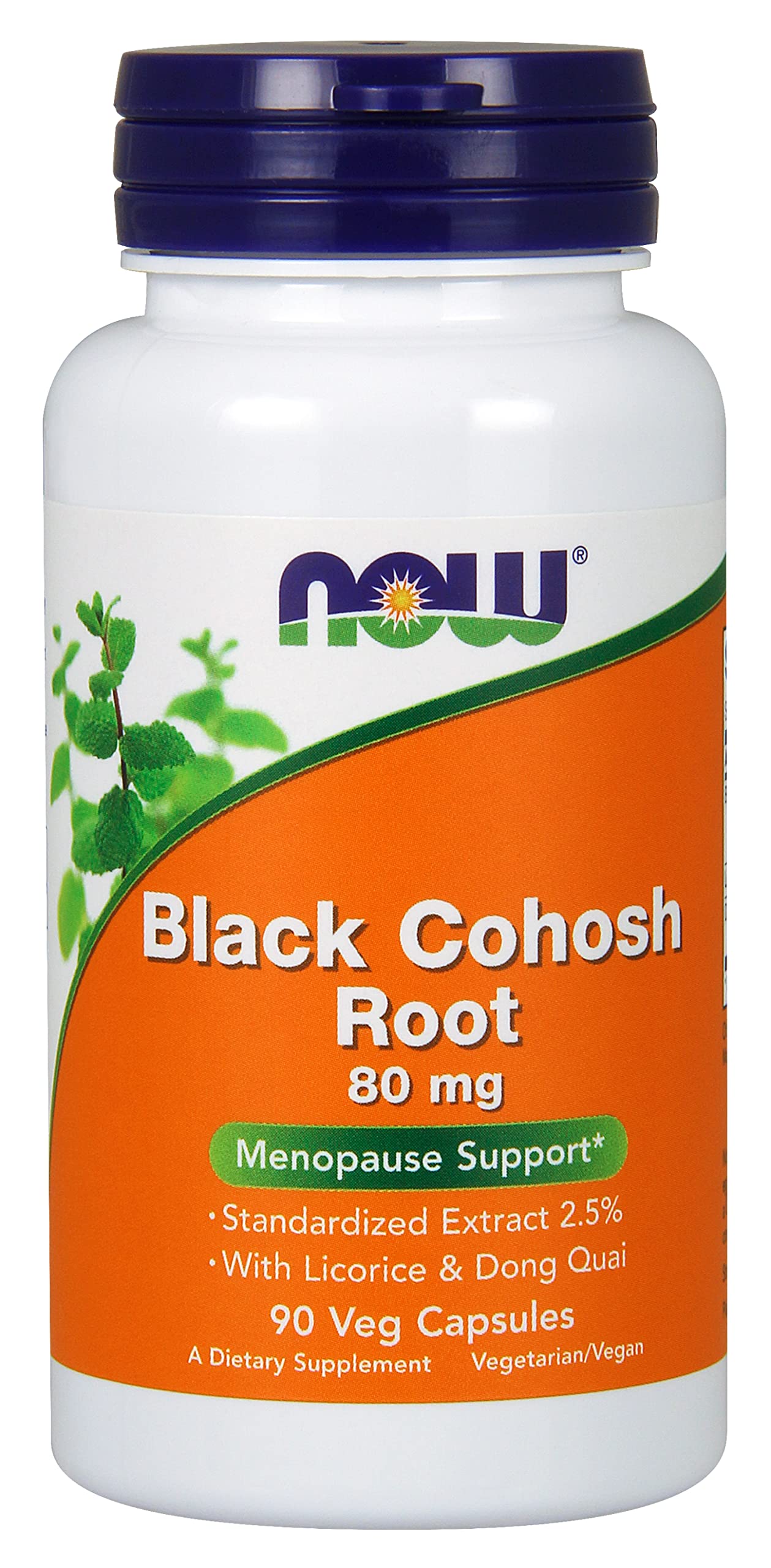
NOW Black Cohosh 80 mg, 90 Count (Pack of 2)
Licorice Glycyrrhiza glabra root (125 ml), Dong Quai Angelica sinensis RhizomeRoot (125 ml). Black Cohosh Extract (Actaea racemosa) (Root) [Standardized to 2.5% total Triterpene Glycosides, <strong>ca
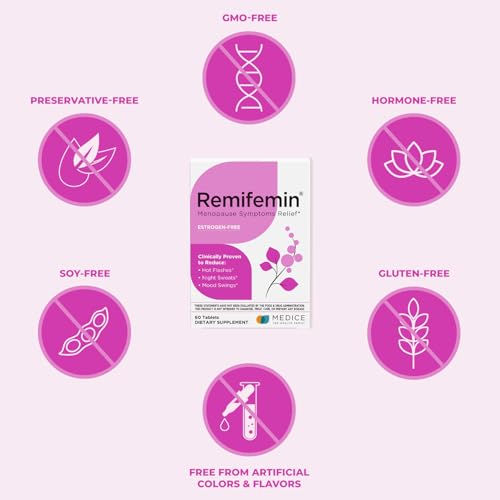
Remifemin Menopause Symptoms Relief - Clinically Proven Ingredients - Menopause Supplements - Black Cohosh - Estrogen-Free - Made in Germany - 60 Tablets
MENOPAUSE SYMPTOMS RELIEF: Remifemin is a trusted solution for managing menopause symptoms. It is <strong>clinically proven to reduce hot flashes, night sweats, mood swings, and irritability associate
Evidence & Sources
Promising research with growing clinical support from multiple studies
- National Institutes of Health Office of Dietary Supplements
- National Center for Complementary and Integrative Health (NCCIH)
- Cochrane Database of Systematic Reviews
- Journal of the American Medical Association (JAMA)
- Menopause
- American College of Obstetricians and Gynecologists (ACOG)
- European Medicines Agency (EMA)
- Phytomedicine
This content is for informational purposes only and does not constitute medical advice. Always consult a qualified healthcare provider before starting, stopping, or changing any supplement or medication regimen.