

Bifidobacterium longum
Also known as: B. longum, Bifido Longum
Overview
Bifidobacterium longum is a species of beneficial bacteria commonly found in the human gastrointestinal tract, especially in infants and healthy adults. It is one of the best-known probiotic organisms studied for its role in supporting the gut microbiome, digestive comfort, and aspects of immune regulation. Different subspecies and strains of B. longum appear in dietary supplements and functional foods, often marketed for concerns such as bloating, irregular digestion, microbiome balance, and stress-related gut symptoms.
From a biological perspective, Bifidobacterium longum helps ferment dietary carbohydrates and fibers into metabolites such as short-chain fatty acids, which may help nourish the intestinal lining and contribute to a healthier gut environment. Research also suggests it may influence gut barrier integrity, interact with immune signaling pathways, and compete with less desirable microbes. Because the microbiome is closely connected with digestion, inflammation, and the gut-brain axis, interest in B. longum extends beyond simple digestive support.
The significance of B. longum in human health is tied to the broader understanding that microbiome composition can shift with age, diet, medication use, stress, and illness. Some studies indicate that certain B. longum strains may be associated with improvements in abdominal discomfort, stool patterns, and perceived stress, though effects are often strain-specific and not universal across all products. This is an important distinction: probiotic benefits are generally evaluated by the exact strain used in research, not just by species name alone.
Overall, Bifidobacterium longum is best understood as a microbiome-supportive probiotic species with promising but nuanced evidence. It is not considered a cure for gastrointestinal or immune disorders, and responses may vary based on the individual’s baseline microbiome, underlying health conditions, and the specific formulation being studied. For people exploring probiotics, healthcare guidance may be especially relevant when symptoms are persistent, severe, or occur alongside diagnosed medical conditions.
Medical Perspectives
Two Ways of Seeing Health

Western
scientific · clinical
Western medicine applies science, technology, and clinical experience to treat symptoms through testing, diagnosis, and targeted intervention.

Eastern
traditional · alternative
Eastern medicine focuses on treating the body naturally by applying traditional knowledge practiced for thousands of years, emphasizing balance and whole-person wellness.
Gold Bamboo presents both perspectives side-by-side so you can make informed decisions. We don't advocate for one over the other — your health choices are yours.
Western Medicine Perspective
Western Medicine Perspective
In conventional medicine, Bifidobacterium longum is viewed through the lens of microbiome science, gastroenterology, and immunology. Researchers study it as a live microorganism that may confer a health benefit when consumed in adequate amounts. Clinical interest has centered on its potential role in irritable bowel syndrome (IBS)-type symptoms, digestive discomfort, antibiotic-associated microbiome disruption, and immune modulation. Some strain-specific studies suggest that B. longum may help reduce bloating, abdominal pain, or perceived gastrointestinal distress, while other work has explored effects on mood and stress through the gut-brain axis.
Mechanistically, studies indicate that B. longum may support health by enhancing the intestinal microbial balance, producing beneficial fermentation products, and interacting with the mucosal immune system. It may also help maintain intestinal barrier function, sometimes referred to as the gut lining’s protective role. Experimental and human research has examined whether these actions could influence low-grade inflammation, bowel habits, and susceptibility to certain digestive disturbances. However, conventional medicine generally emphasizes that evidence quality varies, and findings from one strain cannot automatically be generalized to all B. longum supplements.
From an evidence standpoint, the strongest western approach is condition- and strain-specific evaluation. For example, one proprietary strain may show benefit in IBS-related symptoms, while another may be studied for psychological stress or infant gut health. Regulatory and clinical frameworks typically do not treat probiotics as interchangeable. Conventional clinicians may therefore interpret claims cautiously, especially because outcomes differ across populations, study duration, dose, and whether the probiotic is used alone or in combination with other species.
Western medicine also recognizes important limitations. Probiotics are not a substitute for diagnosing causes of chronic bloating, bowel changes, gastrointestinal bleeding, weight loss, fever, or severe abdominal pain. In certain higher-risk populations—such as people who are severely immunocompromised or critically ill—use of live microorganisms may warrant additional caution and medical oversight. As a result, Bifidobacterium longum is generally discussed as a supportive adjunct within broader digestive and microbiome care, not as a standalone solution.
Eastern & Traditional Perspective
Eastern / Traditional Medicine Perspective
In Traditional Chinese Medicine (TCM) and other classical systems, Bifidobacterium longum is not a historical remedy in itself, since it is a modern microbiological isolate rather than a traditional herb or formula. However, its contemporary use can be conceptually related to long-standing traditional ideas about maintaining harmony in the digestive system. In TCM terms, symptoms such as bloating, loose stools, fatigue after eating, and stress-sensitive digestion are often interpreted through patterns involving the Spleen and Stomach, as well as the smooth flow of Liver qi. A probiotic like B. longum may be viewed in modern integrative settings as supporting the terrain in which digestive balance is restored.
From this perspective, digestive health is not separated sharply from emotional balance or immune resilience. Traditional systems often describe a connection between the gut, energy production, and the body’s defensive capacity. This aligns loosely with current interest in the gut-brain-immune axis, although the conceptual language differs. Rather than focusing on bacterial strains, eastern frameworks tend to emphasize broader patterns such as deficiency, stagnation, dampness, or impaired digestive transformation.
In Ayurveda, the use of probiotics is also a modern adaptation rather than a classical category, yet it may be discussed in relation to agni (digestive fire), intestinal balance, and the effects of stress on digestion. Disturbances involving gas, variable appetite, and irregular elimination may be interpreted through shifts in doshic balance, especially Vata. Within naturopathic and integrative traditions, B. longum is often framed as one tool for supporting the body’s self-regulating capacity, particularly when digestive symptoms are thought to reflect imbalance in the intestinal ecosystem.
An eastern or integrative perspective generally places B. longum within a larger systems-based view: food quality, stress, sleep, constitutional patterns, and digestive resilience are all considered relevant. While traditional frameworks may offer meaningful context for understanding digestive discomfort, they do not replace medical evaluation when symptoms are ongoing or concerning. Integrative practitioners typically interpret probiotics as part of a broader effort to support balance rather than as a direct treatment equivalent to a classical medicinal substance.
Supplements & Products
Recommended Products
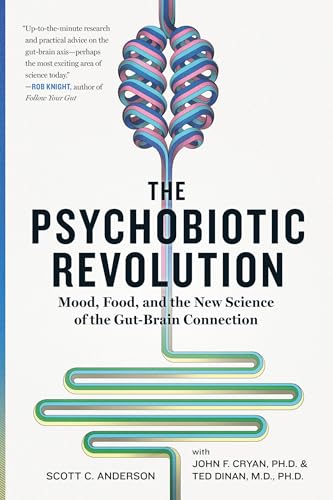
The Psychobiotic Revolution: Mood, Food, and the New Science of the Gut-Brain Connection: Anderson, Scott C.
Cryan and his colleague Ted Dinan call these mood-altering germs “psychobiotics”, and have <strong>co-written a book with the American science writer Scott C Anderson called The Psychobiotic Revolutio

Supersmart - Bifidobacterium Longum (BB536) 6 Billion CFU per Day - Probiotics & Prebiotics Supplement | Non-GMO & Gluten Free - 60 DR Capsules
Bifidobacterium Longum BB536 - <strong>6×10⁹ CFU</strong> | Other Ingredients: Pullulan Capsule and Acacia Gum.

Life Extension FLORASSIST® Probiotic Mood Improve, probiotic and Saffron Blend enhances Mood and Mental Outlook, Non-GMO, Gluten-Free, 1 Daily, Vegetarian, 30 Capsules
<strong>Relieves minor digestive discomfort</strong> – Since mood and digestion are so connected, everyday stress can sometimes impact your digestive health. Probiotic strains L. helveticus Rosell-52
Evidence & Sources
Promising research with growing clinical support from multiple studies
- National Center for Complementary and Integrative Health (NCCIH)
- World Gastroenterology Organisation Global Guidelines on Probiotics and Prebiotics
- Nature Reviews Gastroenterology & Hepatology
- Gut Microbes
- The American Journal of Clinical Nutrition
- Clinical Gastroenterology and Hepatology
- Alimentary Pharmacology & Therapeutics
- Frontiers in Microbiology
This content is for informational purposes only and does not constitute medical advice. Always consult a qualified healthcare provider before starting, stopping, or changing any supplement or medication regimen.