

Bifidobacterium infantis
Also known as: B. infantis, Bifidobacterium Infantis 35624
Overview
Bifidobacterium infantis is a probiotic bacterium belonging to the Bifidobacterium genus, a group of microbes commonly found in the human gastrointestinal tract. The name is often associated with strains studied for digestive comfort, bowel regularity, and support in irritable bowel syndrome (IBS)-related symptoms, especially bloating, abdominal discomfort, and altered stool patterns. In scientific and commercial contexts, it is important to distinguish between the species name and the specific strain being studied, because probiotic effects can vary substantially from one strain to another.
Interest in B. infantis grew from research on the gut microbiome, the community of microorganisms that influence digestion, immune signaling, metabolic function, and the intestinal barrier. Studies suggest that certain Bifidobacterium species may help support a balanced intestinal environment by fermenting carbohydrates, producing short-chain fatty acids, and interacting with immune pathways in the gut. These mechanisms have made B. infantis a frequent subject of investigation for functional gastrointestinal conditions, particularly IBS, where symptom burden can be high despite the absence of structural disease.
A major reason this probiotic is widely discussed is its potential role in modulating gut inflammation and visceral sensitivity. Some clinical trials indicate that particular strains of B. infantis may reduce composite IBS symptoms, including pain, bloating, and bowel habit disruption, although findings are not uniform across all products or patient groups. Research also explores its possible effects on inflammatory markers, intestinal permeability, and the communication between the gut and immune system. Even so, probiotic science remains complex, and benefits observed in one formulation cannot automatically be generalized to all products labeled B. infantis.
From a broader health perspective, B. infantis is also notable because bifidobacteria are considered prominent early-life colonizers of the intestine and may play a role in digestive and immune development. In adults, however, interest centers mainly on gastrointestinal symptom support rather than disease treatment. As with all supplements, interpretation of claims benefits from context: product quality, strain identity, dose, storage conditions, and the person’s underlying health status all influence outcomes. Consultation with a qualified healthcare professional is appropriate when digestive symptoms are persistent, severe, or changing.
Medical Perspectives
Two Ways of Seeing Health

Western
scientific · clinical
Western medicine applies science, technology, and clinical experience to treat symptoms through testing, diagnosis, and targeted intervention.

Eastern
traditional · alternative
Eastern medicine focuses on treating the body naturally by applying traditional knowledge practiced for thousands of years, emphasizing balance and whole-person wellness.
Gold Bamboo presents both perspectives side-by-side so you can make informed decisions. We don't advocate for one over the other — your health choices are yours.
Western Medicine Perspective
Western Medicine Perspective
In conventional medicine, Bifidobacterium infantis is viewed as a strain-specific probiotic intervention, primarily investigated for IBS and functional gastrointestinal symptoms. The western framework focuses on measurable outcomes such as changes in abdominal pain, bloating, stool frequency, stool consistency, quality of life, and inflammatory biomarkers. One of the best-known areas of study involves B. infantis 35624, a strain examined in randomized trials for IBS symptom relief. Research suggests that some patients may experience modest improvement in global IBS symptoms, though the magnitude of benefit varies and is not considered universal.
Mechanistically, western research proposes several pathways through which B. infantis may act. These include alteration of the gut microbial environment, support of mucosal barrier function, production of metabolites that affect intestinal physiology, and immune modulation, including effects on cytokine balance. Some studies have explored whether B. infantis may help normalize low-grade inflammatory signaling seen in subsets of IBS patients, though IBS itself is a heterogeneous condition with multiple drivers, including motility changes, visceral hypersensitivity, stress-related gut-brain interactions, and dietary triggers.
From an evidence-based standpoint, conventional medicine treats probiotics with cautious interest rather than broad certainty. Clinical guidelines often acknowledge that some probiotics may help some individuals with IBS, but they also note inconsistency across trials and emphasize that benefits cannot be assumed across species, strains, or formulations. Safety is generally considered acceptable in healthy populations, but caution is commonly noted for people who are severely immunocompromised, critically ill, or medically complex. Persistent abdominal pain, rectal bleeding, unexplained weight loss, fever, anemia, or significant changes in bowel habits warrant evaluation by a licensed healthcare professional rather than self-management alone.
Eastern & Traditional Perspective
Eastern / Traditional Medicine Perspective
In Traditional Chinese Medicine (TCM), a substance such as Bifidobacterium infantis would not historically appear in the classical materia medica, yet its modern use can be interpreted through traditional concepts related to the Spleen and Stomach systems, digestive transformation, and harmony within the intestines. Symptoms like bloating, loose stools, abdominal discomfort, and irregular digestion are often understood as patterns involving Spleen qi deficiency, dampness accumulation, or disharmony between the Liver and Spleen. Within this lens, a probiotic may be viewed not as a stand-alone cure, but as a modern tool that may support internal balance when digestive function is weakened or disrupted.
In Ayurveda, probiotic support is sometimes discussed in relation to agni (digestive fire), ama (metabolic byproducts associated with incomplete digestion), and intestinal resilience. Although B. infantis is not a classical Ayurvedic herb or formulation, contemporary integrative practitioners may frame microbiome-supportive approaches as relevant to restoring digestive equilibrium, especially when symptoms resemble irregular elimination, gas, or abdominal heaviness. The interpretation varies by constitution and symptom pattern, with emphasis traditionally placed on the whole digestive environment rather than a single organism.
In naturopathic and integrative medicine, B. infantis is frequently considered within a broader ecosystem model of health, where gut microbes influence digestion, immune tone, and systemic well-being. This perspective often overlaps with western microbiome science while also valuing foundational factors such as diet, stress load, sleep, and digestive integrity. Across traditional and integrative systems, the common theme is that digestive symptoms reflect a broader imbalance, and probiotic organisms are seen as one possible supportive element rather than a complete explanation. As with western care, ongoing or severe gastrointestinal symptoms are best assessed by a qualified clinician.
Supplements & Products
Recommended Products

The Good Gut: Taking Control of Your Weight, Your Mood, and Your Long-term Health: Sonnenburg, Justin, Sonnenburg, Erica, Weil M.D., Andrew
Lucky for us, they are willing ... Stanford researchers and authors Justin and Erica Sonnenburg <strong>explain some of the mysteries of the invisible world inside us</strong>....
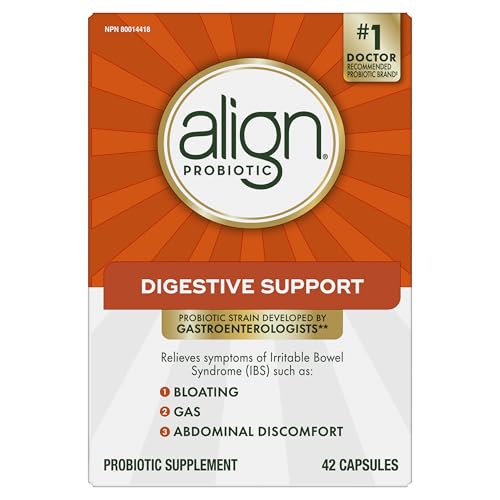
Align Probiotic Supplement 42 Caps
Align <strong>provides good bacteria to your digestive system which helps maintain healthy intestinal flora and relieve symptoms of IBS</strong>. Developed by leading gastroenterologists, this strain

Ergomax - 2’-Fucosyllactose (2'-FL) - Bio-Identical Human Milk Oligosaccharide (HMO) - Prebiotic - 100 Capsules
In the past 15 years I have tried many probiotic capsules, dietary changes, psyllium and other fiber supplements, H2 blockers, antacids, etc. to eliminate GI inflammation and frequent stomach and inte
Evidence & Sources
Promising research with growing clinical support from multiple studies
- American Journal of Gastroenterology
- Gut
- Alimentary Pharmacology & Therapeutics
- Clinical Gastroenterology and Hepatology
- National Center for Complementary and Integrative Health (NCCIH)
- National Institutes of Health Office of Dietary Supplements
- World Gastroenterology Organisation Global Guidelines
- Gastroenterology
This content is for informational purposes only and does not constitute medical advice. Always consult a qualified healthcare provider before starting, stopping, or changing any supplement or medication regimen.