

Astragalus
Also known as: Astragalus Membranaceus
Overview
Astragalus generally refers to Astragalus membranaceus (and closely related species), a root used for centuries in Traditional Chinese Medicine (TCM) and now widely sold as a dietary supplement, tea, tincture, and ingredient in multi-herb formulas. In traditional practice, astragalus is best known as a qi-supporting tonic, particularly associated with resilience, vitality, and recovery. In modern supplement marketing, it is often described in relation to immune support, healthy aging, and adaptation to stress, though these claims vary in scientific support.
The plant contains several bioactive compounds that have attracted research interest, including polysaccharides, saponins (such as astragalosides), and flavonoids. Laboratory and animal studies suggest these constituents may influence immune signaling, inflammation, oxidative stress, and cellular aging pathways. Because of these mechanisms, astragalus has been studied in connection with upper respiratory health, fatigue, cardiovascular function, kidney health, and supportive care during illness. However, human research is uneven, and findings do not always translate cleanly from traditional use or preclinical models into clinical outcomes.
Astragalus is especially significant because it sits at the intersection of traditional herbal medicine and modern integrative research. It is not typically viewed in East Asian medicine as a quick-acting herb for acute symptom suppression; rather, it has historically been used as part of a broader strategy to strengthen the body's baseline resistance and recovery capacity. In Western integrative settings, it is often discussed as a botanical with immunomodulatory rather than simply “immune-boosting” potential, an important distinction because the immune system is complex and context-dependent.
Safety discussions also matter. Astragalus is generally considered well tolerated for many adults when used appropriately, but concerns may arise in people with autoimmune conditions, those taking immunosuppressive medications, or individuals with complex medical conditions who are also using multiple supplements or herbs. As with many botanicals, product quality, species identification, dose standardization, and formula composition can affect both safety and study reliability. Consultation with a qualified healthcare professional is appropriate when astragalus is being considered alongside prescription medications or chronic disease care.
Medical Perspectives
Two Ways of Seeing Health

Western
scientific · clinical
Western medicine applies science, technology, and clinical experience to treat symptoms through testing, diagnosis, and targeted intervention.

Eastern
traditional · alternative
Eastern medicine focuses on treating the body naturally by applying traditional knowledge practiced for thousands of years, emphasizing balance and whole-person wellness.
Gold Bamboo presents both perspectives side-by-side so you can make informed decisions. We don't advocate for one over the other — your health choices are yours.
Western Medicine Perspective
Western / Conventional Medicine Perspective
From a conventional biomedical perspective, astragalus is of interest primarily for its potential immunomodulatory, anti-inflammatory, antioxidant, and cytoprotective effects. Research has examined whether astragalus extracts or isolated compounds influence immune cell activity, cytokine balance, and resistance to physiologic stress. Some clinical and preclinical studies suggest possible benefit in areas such as supportive immune function, adjunctive kidney care, fatigue, and cardiovascular or metabolic health, but the quality of evidence varies considerably by indication.
A major challenge in evaluating astragalus is the heterogeneity of the research. Studies often use different preparations—whole root, standardized extracts, injected compounds in hospital settings, or combination formulas—making comparison difficult. Much of the more positive literature comes from small trials, adjunctive use designs, or studies conducted with mixed herbal formulations rather than astragalus alone. In addition, outcomes may focus on biomarkers rather than clear patient-centered endpoints. For this reason, conventional medicine does not generally treat astragalus as a first-line evidence-based intervention for major diseases, even though it remains an area of active complementary medicine research.
In safety terms, available data suggest astragalus is usually well tolerated, but caution is commonly noted for people with autoimmune disorders, organ transplants, or those using immunosuppressants, because of theoretical or observed immune effects. Potential interactions with other medications and supplements are also part of the clinical conversation. Conventional sources such as NCCIH and major reference texts typically present astragalus as a supplement with promising but not definitive evidence, best understood as a complementary agent rather than a stand-alone medical treatment.
Eastern & Traditional Perspective
Eastern / Traditional Medicine Perspective
In Traditional Chinese Medicine, astragalus root—known as Huang Qi—is considered a major tonifying herb. It is traditionally used to strengthen wei qi (often described as defensive or protective qi), support the Spleen and Lung systems, and help the body maintain energy, recovery, and resilience. Classical uses include patterns associated with fatigue, spontaneous sweating, recurrent susceptibility to illness, poor appetite, low vitality, and tissue weakness. It is frequently combined with other herbs in formulas rather than used in isolation, reflecting TCM's pattern-based approach.
In TCM theory, astragalus is not simply thought of as “stimulating” immunity; instead, it is used to restore balance and reinforce the body's foundational strength. It may also be included in formulas aimed at supporting fluid metabolism, tissue repair, and recovery after prolonged weakness. Traditional practitioners often distinguish between its use in deficiency patterns versus acute external illness patterns, highlighting that herbal selection depends on the overall presentation rather than a single symptom or diagnosis.
From a broader traditional and integrative perspective, astragalus is also discussed in systems such as naturopathic and herbal medicine as an adaptogenic or restorative botanical, though this language is more modern than classical TCM terminology. Some practitioners draw parallels between astragalus's traditional role and concepts of constitutional support, stress resilience, and healthy aging. In Ayurveda, astragalus is not a classical foundational herb in the same way it is in Chinese medicine, but contemporary integrative practice may sometimes compare its tonic qualities to rasayana-style rejuvenative concepts. Across these systems, astragalus is generally regarded as a longer-term supportive herb, interpreted through each tradition's own framework of vitality, balance, and recovery.
Supplements & Products
Recommended Products
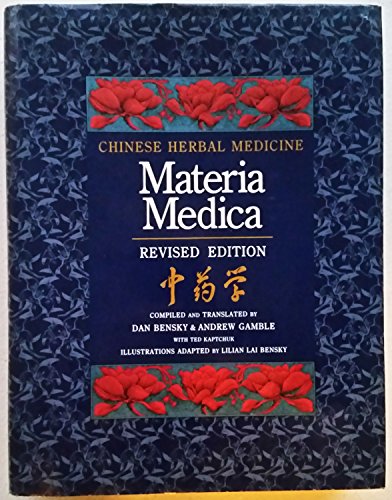
Chinese Herbal Medicine: Materia Medica
The new 3rd edition of Chinese Herbal Medicine: Materia Medica is <strong>designed to give practitioners the information they need to practice Chinese herbal medicine with greater understanding and co

NOW Foods Immune Support Supplements, Astragalus Extract 500 mg (Standardized to 70% Polysaccharides), 90 Veg Capsules
Standardized to 70% Polysaccharides <strong>Supports Healthy Immune Cell Function</strong>* For more than 2000 years, Chinese herbalists have valued astragalus for its adaptogenic properties, as well

Starwest Botanicals Organic Astragalus Root - Dried Herb for Tea, Cut & Sifted, Certified Kosher, Non-GMO - Bulk 1 lb Bag
Buy Starwest Botanicals Organic Astragalus Root - Dried Herb for Tea, Cut & Sifted, Certified Kosher, Non-GMO - Bulk 1 lb Bag on Amazon.com ✓ FREE SHIPPING on qualified orders
Evidence & Sources
Promising research with growing clinical support from multiple studies
- National Center for Complementary and Integrative Health (NCCIH)
- Natural Medicines Database
- Journal of Ethnopharmacology
- Phytotherapy Research
- Frontiers in Pharmacology
- Chinese Medicine
- Memorial Sloan Kettering Cancer Center Integrative Medicine
- World Health Organization (WHO) monographs on medicinal plants
This content is for informational purposes only and does not constitute medical advice. Always consult a qualified healthcare provider before starting, stopping, or changing any supplement or medication regimen.