

Astaxanthin
Also known as: Haematococcus Pluvialis, AstaXanthin
Overview
Astaxanthin is a red-orange carotenoid pigment found naturally in microalgae, yeast, salmon, trout, krill, shrimp, and other marine organisms. It is best known as a potent antioxidant, meaning it can help neutralize reactive oxygen species generated through normal metabolism, ultraviolet exposure, intense exercise, and environmental stressors. In the supplement world, astaxanthin is commonly marketed for skin health, eye comfort, exercise recovery, healthy aging, and general oxidative stress support.
Interest in astaxanthin has grown because oxidative stress and chronic low-grade inflammation are thought to play roles in many common health concerns, including visible skin aging, fatigue related to strenuous activity, and aspects of cardiometabolic health. Research has examined astaxanthin in areas such as photoprotection, skin elasticity, visual fatigue, muscle recovery, lipid oxidation, and inflammatory signaling. Human studies suggest potential benefits in some of these areas, but the size and consistency of effects vary, and findings are not uniform across populations or formulations.
Astaxanthin belongs to the broader carotenoid family, but it is structurally distinct from compounds such as beta-carotene or lutein. Laboratory studies indicate it may interact with cell membranes in a way that supports antioxidant defense both inside and outside the membrane layer. This mechanistic profile has contributed to its reputation as an "anti-aging" nutrient, though that term is broader than the evidence currently supports. In clinical research, the most studied outcomes tend to involve biomarkers of oxidative stress, skin appearance and UV-related damage, eye strain or visual function, and exercise-induced muscle stress.
From a safety perspective, astaxanthin is generally regarded as well tolerated in studied amounts, especially when derived from the microalga Haematococcus pluvialis, a common commercial source. As with many supplements, product quality, dosing standards, bioavailability, and interactions with individual health conditions can differ. Astaxanthin is best understood as a promising nutritional compound with targeted supportive uses under investigation, rather than as a standalone solution for complex medical conditions. People considering supplements often benefit from reviewing the evidence and discussing use with a qualified healthcare professional, particularly if they are pregnant, breastfeeding, managing chronic disease, or taking prescription medications.
Medical Perspectives
Two Ways of Seeing Health

Western
scientific · clinical
Western medicine applies science, technology, and clinical experience to treat symptoms through testing, diagnosis, and targeted intervention.

Eastern
traditional · alternative
Eastern medicine focuses on treating the body naturally by applying traditional knowledge practiced for thousands of years, emphasizing balance and whole-person wellness.
Gold Bamboo presents both perspectives side-by-side so you can make informed decisions. We don't advocate for one over the other — your health choices are yours.
Western Medicine Perspective
Western Medicine Perspective
In conventional medicine and nutrition science, astaxanthin is viewed primarily as a dietary carotenoid with antioxidant and anti-inflammatory properties. Researchers have explored how it may influence oxidative stress pathways, mitochondrial function, inflammatory mediators, immune signaling, endothelial health, and tissue resilience under stress. Most of the clinical interest centers on whether these biochemical effects translate into meaningful health outcomes in humans.
Human studies have reported possible benefits for skin health, including support for skin moisture, elasticity, fine lines, and resistance to UV-induced damage. There is also research on eye health, particularly visual fatigue from screen use or prolonged visual tasks, as well as on exercise performance and recovery, where some studies suggest reduced muscle damage markers or improved endurance-related measures. Additional work has examined cardiometabolic markers such as triglycerides, LDL oxidation, and inflammatory biomarkers, but the evidence in these areas remains mixed and not definitive.
A key limitation from a conventional evidence standpoint is that the astaxanthin literature includes small randomized trials, heterogeneous doses, varied formulations, and industry-sponsored studies. This makes it difficult to generalize results or establish standardized clinical roles. While mechanistic and early clinical data are encouraging, major medical organizations do not treat astaxanthin as a first-line therapy for skin disease, eye disease, cardiovascular prevention, or athletic recovery. Instead, it is typically discussed as a supplement with emerging to moderate evidence for selected supportive outcomes, pending larger independent trials.
Safety data are generally reassuring, with studies suggesting good tolerability over short- to medium-term use. Still, conventional medicine emphasizes that supplements can vary in purity and potency, and that antioxidant supplementation is not always interchangeable with a diet rich in whole foods. For individuals evaluating astaxanthin, clinicians often consider the broader context: overall nutrition, medication use, underlying conditions, and whether symptom patterns warrant formal medical assessment rather than self-directed supplementation alone.
Eastern & Traditional Perspective
Eastern / Traditional Medicine Perspective
Astaxanthin is not a classical herb or traditional materia medica substance in systems such as Traditional Chinese Medicine (TCM) or Ayurveda. However, its modern use can be interpreted through traditional frameworks that emphasize resilience, vitality, and protection from environmental strain. In these systems, substances with nourishing, restorative, or tissue-protective qualities are often valued for helping the body maintain balance under stress.
In a TCM-informed interpretation, astaxanthin's modern reputation for supporting the skin, eyes, and recovery from exertion may loosely align with concepts related to nourishing Liver and Kidney systems, which are traditionally associated with the eyes, aging, stamina, and tissue maintenance. Its antioxidant role may also be compared conceptually to protecting the body from accumulated internal "heat," depletion, or damage associated with overwork and environmental exposure. That said, these parallels are interpretive rather than classical, and astaxanthin itself does not have an established traditional Chinese herbal identity.
From an Ayurvedic perspective, contemporary practitioners may frame astaxanthin as a compound relevant to healthy aging, cellular resilience, and protection against stressors that resemble excess pitta or tissue-depleting processes. Its use for skin appearance, eye comfort, and recovery may overlap with broader Ayurvedic goals of supporting ojas and preserving tissue integrity. Again, this reflects a modern integrative interpretation, not a traditional Ayurvedic designation found in foundational texts.
In naturopathic and integrative traditions, astaxanthin is often grouped with other antioxidant nutrients used to support the body's response to inflammation, UV exposure, intensive exercise, and metabolic stress. These frameworks generally view it as adjunctive support, ideally considered alongside diet, sleep, stress regulation, and constitutional factors. As with other nontraditional supplements adopted into integrative care, practitioners typically emphasize individualized assessment and collaboration with healthcare professionals when complex symptoms or chronic illness are present.
Supplements & Products
Recommended Products
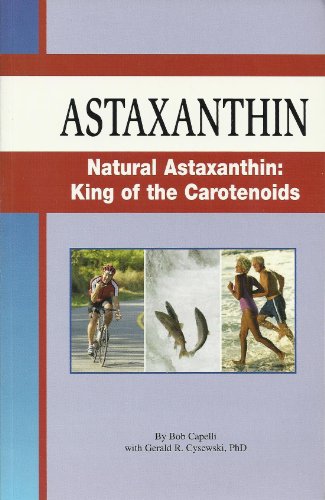
Astaxanthin (Natural Astaxanthin: King of the Carotenoids: Bob Capelli
by Bob Capelli (Author) 4.7 4.7 out of 5 stars 6 ratings · Ever hear of "beta carotene?" How about "lutein" or "lycopene?" These are some of the better known antioxidants
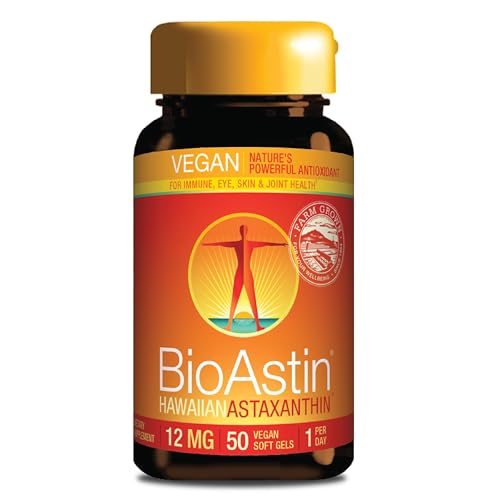
Nutrex Hawaii BioAstin Hawaiian Astaxanthin - 12mg, 50 Softgels - Farm-Direct Premium Antioxidant Supplement to Support Eye, Skin, Joint & Immune System Health - Non-GMO & Gluten-Free
Buy Nutrex Hawaii BioAstin Hawaiian Astaxanthin - 12mg, 50 Softgels - Farm-Direct Premium Antioxidant Supplement to Support Eye, Skin, Joint & Immune System Health - Non-GMO & Gluten-Free on A
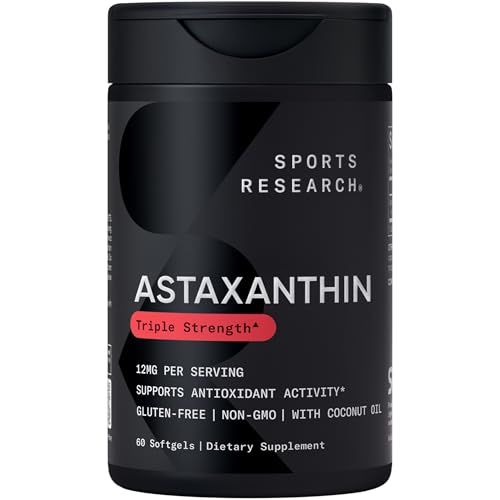
Sports Research® Triple Strength Astaxanthin 12mg w/Organic Coconut Oil - Antioxidant Supplement for Skin & Eye Health Support* - Soy Free · Non-GMO · Gluten Free - 60 Softgels
Sports Research <strong>delivers a pure, concentrated source of Icelandic Astaxanthin</strong>—one of nature’s most powerful carotenoids, to help support antioxidant support.* We strive to deliver exc
Evidence & Sources
Promising research with growing clinical support from multiple studies
- National Institutes of Health Office of Dietary Supplements
- National Center for Complementary and Integrative Health (NCCIH)
- Nutrients
- Marine Drugs
- Journal of Clinical Biochemistry and Nutrition
- Molecular Nutrition & Food Research
- Food & Function
- Antioxidants
- Aging
- Journal of Dietary Supplements
This content is for informational purposes only and does not constitute medical advice. Always consult a qualified healthcare provider before starting, stopping, or changing any supplement or medication regimen.