

Alpha-Lipoic Acid
Also known as: ALA, R-ALA, R Alpha Lipoic Acid
Overview
Alpha-lipoic acid (ALA) is a naturally occurring sulfur-containing compound that functions as a cofactor in mitochondrial energy metabolism and also acts as an antioxidant. It is present in small amounts in foods and is also available as a dietary supplement. In health discussions, ALA is most often associated with oxidative stress, nerve health, and glucose metabolism, which is why it commonly appears in conversations about diabetic neuropathy, metabolic health, and age-related cellular stress.
A notable feature of ALA is that it is both water- and fat-soluble, allowing it to interact in multiple tissues and cellular compartments. Research has explored its ability to help regenerate other antioxidants such as vitamin C, vitamin E, and glutathione, and to influence pathways involved in inflammation and insulin signaling. Because oxidative stress and mitochondrial dysfunction are implicated in many chronic conditions, ALA has attracted interest across both conventional and integrative health fields.
In clinical research, the strongest attention has focused on diabetic peripheral neuropathy, where some studies suggest ALA may help reduce symptoms such as burning, tingling, numbness, and pain. It has also been studied for insulin sensitivity, blood sugar regulation, and certain neurologic or liver-related conditions, though findings are mixed and not uniform across populations or formulations. Differences in oral versus intravenous use, dosage ranges, and study design make interpretation more complex.
Overall, ALA occupies an interesting space between nutrition, pharmacology, and integrative medicine. It is widely marketed for cellular protection and metabolic support, but the quality of evidence varies by condition. As with any supplement, its relevance depends on the individual context, underlying medical conditions, medication use, and professional guidance from a qualified healthcare provider.
Medical Perspectives
Two Ways of Seeing Health

Western
scientific · clinical
Western medicine applies science, technology, and clinical experience to treat symptoms through testing, diagnosis, and targeted intervention.

Eastern
traditional · alternative
Eastern medicine focuses on treating the body naturally by applying traditional knowledge practiced for thousands of years, emphasizing balance and whole-person wellness.
Gold Bamboo presents both perspectives side-by-side so you can make informed decisions. We don't advocate for one over the other — your health choices are yours.
Western Medicine Perspective
Western / Conventional Medicine Perspective
From a conventional medicine standpoint, alpha-lipoic acid is understood primarily through its roles in mitochondrial enzyme function, redox balance, and antioxidant recycling. Laboratory and clinical studies suggest that ALA may reduce markers of oxidative stress, influence inflammatory signaling, and affect glucose transport and insulin sensitivity. These mechanisms provide a scientific rationale for studying ALA in conditions where oxidative damage and metabolic dysregulation are prominent.
The best-known medical application is in diabetic neuropathy, particularly in European research and clinical practice, where ALA has been investigated for symptom relief. Some randomized trials and reviews indicate that ALA may improve neuropathic symptoms, especially over short-term use, and intravenous administration has sometimes shown stronger effects than oral supplementation. Even so, results are not entirely consistent, and major guideline adoption has been limited in some countries because of variability in trial quality, dosing, and duration.
ALA has also been studied for blood sugar balance, metabolic syndrome, weight-related outcomes, and complications associated with diabetes. Research suggests possible modest benefits in some metabolic markers, but it is not regarded in conventional medicine as a primary standalone therapy for glycemic control. Safety discussions generally note that ALA is often well tolerated, though gastrointestinal effects, skin reactions, and possible interactions affecting blood sugar are considered relevant. There is also clinical awareness that high-dose supplementation may not be appropriate for everyone, particularly in people with complex medical conditions or those using glucose-lowering medications, underscoring the importance of healthcare supervision.
Eastern & Traditional Perspective
Eastern / Traditional Medicine Perspective
Alpha-lipoic acid does not originate as a classical remedy in systems such as Traditional Chinese Medicine (TCM) or Ayurveda, so it is not typically described in traditional texts in the same way as herbs, minerals, or foods. However, modern integrative practitioners sometimes interpret its use through traditional frameworks because its contemporary applications overlap with long-recognized patterns involving nerve discomfort, fatigue, metabolic imbalance, and inflammatory burden.
In a TCM-informed integrative perspective, symptoms like numbness, burning sensations, and tingling may be viewed through patterns involving impaired circulation of Qi and Blood, accumulation of dampness or heat, or depletion affecting the channels and collaterals. Within this lens, a compound like ALA may be discussed not as a traditional herb, but as a modern supportive agent that aligns with broader goals of reducing internal stress and supporting tissue nourishment. It is generally considered an adjunctive concept rather than a standalone traditional therapy.
In Ayurvedic-informed practice, presentations involving metabolic dysfunction or nerve irritation may be interpreted through disturbances in agni (metabolic function), ama (accumulated metabolic waste), or imbalance in doshas such as Vata in neuropathic presentations and Kapha/Pitta in metabolic-inflammatory states. ALA may be framed as a contemporary antioxidant support that conceptually complements traditional aims of restoring metabolic balance and protecting tissues from stress. Naturopathic and functional medicine approaches similarly tend to emphasize ALA within a broader strategy centered on oxidative balance, mitochondrial support, and metabolic resilience.
Because ALA is a modern isolated compound rather than a traditional materia medica staple, the eastern/traditional perspective is best understood as interpretive and integrative, not classically rooted. Practitioners working across systems often place it within a wider context that may include diet, lifestyle patterns, constitutional assessment, and individualized care from trained professionals.
Supplements & Products
Recommended Products

Alpha Lipoic Acid Breakthrough: The Superb Antioxidant That May Slow Aging, Repair Liver Damage, and Reduce the Risk of Cancer, Heart Disease, and Diabetes: Berkson, Burt, Whitaker, Julian
In this balanced and informative ... this amazing antioxidant, "Alpha Lipoic Acid Breakthrough <strong>provides a plan of action for improving your health starting now</strong>!...
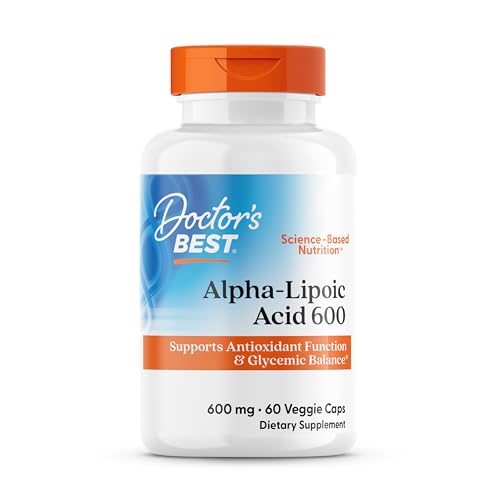
Doctor's Best Alpha Lipoic Acid Supplement 600mg - Alpha-Lipoic Acid Caps for Men & Women, ALA Antioxidant Support for Nerve Health, Aids in Cellular Function, Non GMO, Gluten Free - 60 Veg Capsules
SUPPORTS ANTIOXIDANT FUNCTION: ... · HIGH POTENCY 600 MG: <strong>Each capsule delivers a full 600mg dose of alpha lipoic acid in a vegan-friendly formula that is non-GMO, gluten free, and soy free</s
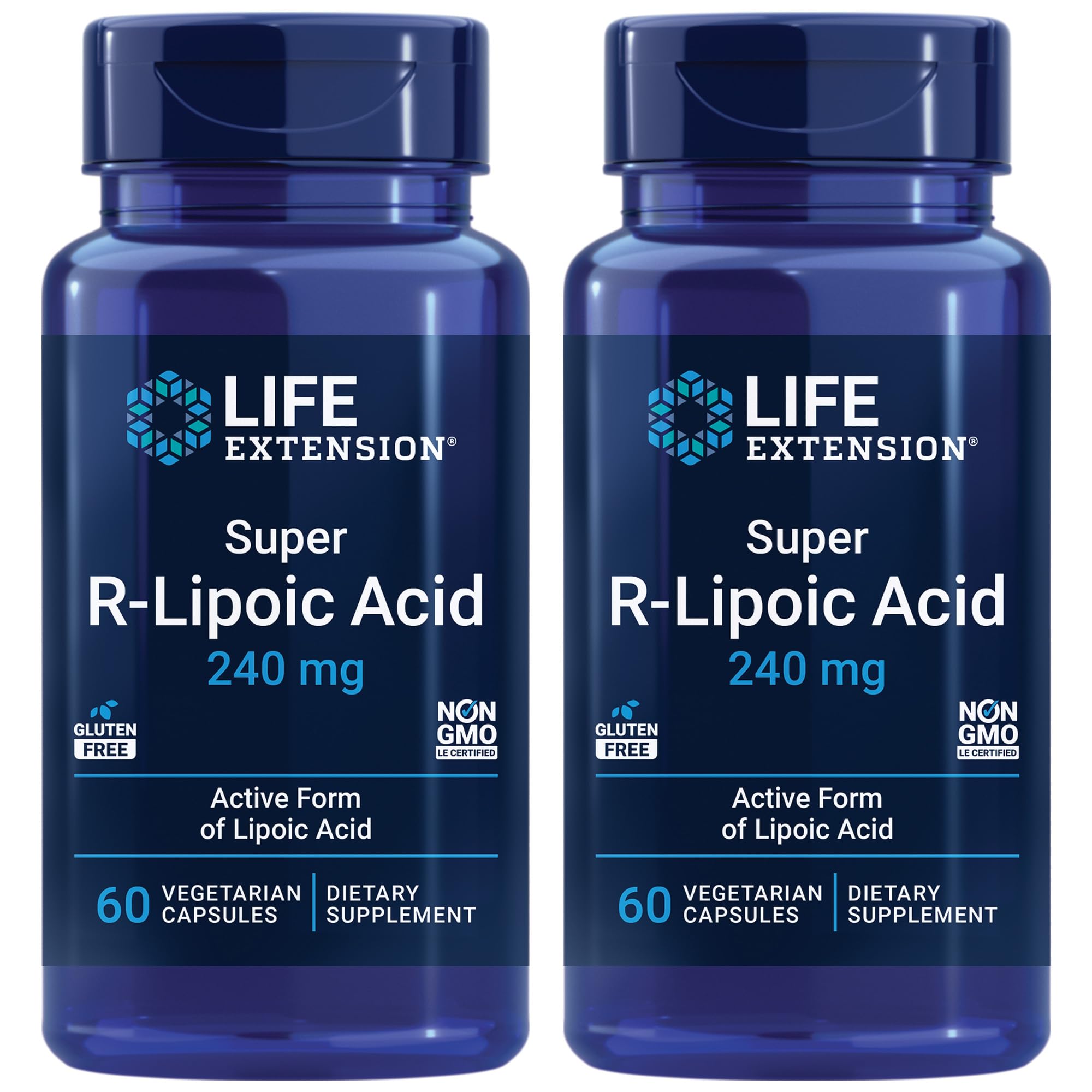
Life Extension Super R-Lipoic Acid – Healthy Aging, oxidative Stress Defense – with 240 mg of Active R-Form of R-Lipoic Acid – Gluten-Free – Non-GMO – Vegetarian – 60 Capsules
Nutricost Alpha Lipoic Acid 600mg ... Pure Encapsulations R-Lipoic Acid (Stabilized) | <strong>Hypoallergenic Supplement with Enhanced Antioxidant Protection and Metabolic Support</strong> | 60 Capsul
Evidence & Sources
Promising research with growing clinical support from multiple studies
- National Center for Complementary and Integrative Health (NCCIH)
- National Institutes of Health Office of Dietary Supplements
- Diabetes Care
- Diabetic Medicine
- Free Radical Biology & Medicine
- Biochimica et Biophysica Acta
- American Diabetes Association
- Mayo Clinic Proceedings
This content is for informational purposes only and does not constitute medical advice. Always consult a qualified healthcare provider before starting, stopping, or changing any supplement or medication regimen.