

5-HTP
Also known as: 5 Hydroxytryptophan, Five HTP, 5HTP
Overview
5-HTP (5-hydroxytryptophan) is a naturally occurring amino acid derivative and a direct precursor to serotonin, a neurotransmitter involved in mood regulation, sleep, appetite, pain perception, and other neurologic functions. Commercial 5-HTP supplements are typically derived from the seeds of Griffonia simplicifolia, a West African plant. Because serotonin also serves as a precursor to melatonin, 5-HTP is commonly discussed in relation to both mood support and sleep regulation.
Interest in 5-HTP largely centers on its role as a “natural” option for concerns such as low mood, stress-related symptoms, insomnia, and appetite regulation. Research suggests that raising serotonin availability may influence emotional well-being and sleep architecture, but the clinical picture is more nuanced than supplement marketing often implies. The effects of 5-HTP can vary widely depending on the individual, dose, coexisting health conditions, and use alongside medications or other supplements that also affect serotonin pathways.
From a physiologic standpoint, 5-HTP differs from tryptophan because it lies one metabolic step closer to serotonin production. Unlike serotonin itself, 5-HTP can cross the blood-brain barrier, which is one reason it has drawn scientific and consumer attention. However, increasing serotonin signaling is not automatically beneficial in all situations, and conventional safety discussions commonly emphasize the potential for drug interactions, especially with antidepressants and other serotonergic agents. Historical concern has also existed around contamination-related safety issues in some supplement products, underscoring the importance of manufacturing quality in this category.
Overall, 5-HTP occupies a middle ground between nutritional supplement and neuroactive compound. It is widely used, biologically plausible, and supported by some clinical research, but the evidence base remains mixed and condition-specific. As with many supplements that affect brain chemistry, interpretation benefits from both scientific caution and awareness of traditional plant-based medicine contexts.
Medical Perspectives
Two Ways of Seeing Health

Western
scientific · clinical
Western medicine applies science, technology, and clinical experience to treat symptoms through testing, diagnosis, and targeted intervention.

Eastern
traditional · alternative
Eastern medicine focuses on treating the body naturally by applying traditional knowledge practiced for thousands of years, emphasizing balance and whole-person wellness.
Gold Bamboo presents both perspectives side-by-side so you can make informed decisions. We don't advocate for one over the other — your health choices are yours.
Western Medicine Perspective
Western Medicine Perspective
In conventional medicine, 5-HTP is understood primarily through its role in serotonin biosynthesis. The body converts tryptophan into 5-HTP and then converts 5-HTP into serotonin via aromatic L-amino acid decarboxylase. This mechanism has led researchers to study 5-HTP in areas where serotonin signaling is thought to matter, including depressive symptoms, insomnia, migraine, fibromyalgia, and appetite or weight regulation. Some studies indicate potential benefit in selected settings, particularly for mood and sleep-related outcomes, but many trials are small, older, or methodologically limited.
Western clinical literature generally treats 5-HTP as a supplement with possible psychotropic and neurologic effects, rather than as a routine first-line therapy. Evidence has been explored for depression, but major medical guidelines do not generally place 5-HTP alongside standard evidence-based treatments because the data are not as robust or consistent. Sleep-related interest is partly based on serotonin’s relationship to melatonin production, and some preliminary research suggests that 5-HTP may influence sleep quality or sleep onset in certain populations. Research on appetite and weight is similarly suggestive but not definitive.
Safety is a major part of the conventional discussion. Because 5-HTP can increase serotonin activity, clinicians often note the theoretical or documented risk of serotonin syndrome when combined with medications or supplements that also affect serotonin, such as SSRIs, SNRIs, MAOIs, triptans, tramadol, linezolid, St. John’s wort, and others. Reported adverse effects may include nausea, gastrointestinal upset, drowsiness, and vivid dreams. Historical concerns about eosinophilia-myalgia syndrome were linked more strongly to contaminated supplement products than to 5-HTP itself, but this remains part of the safety narrative around supplement quality control.
From a conventional standpoint, 5-HTP is best viewed as a biologically active supplement with incomplete but meaningful research interest. It is not typically framed as a cure or universally appropriate option, and healthcare-provider guidance is commonly emphasized for individuals with psychiatric conditions, neurologic disorders, pregnancy, complex medication regimens, or other medical considerations.
Eastern & Traditional Perspective
Eastern and Traditional Medicine Perspective
5-HTP itself is not a classical remedy in major historical systems such as Traditional Chinese Medicine (TCM) or Ayurveda, because it is a modern isolated compound rather than a traditional formula or whole herb long described in those texts. However, its plant source, Griffonia simplicifolia, and its modern use for mood, sleep, and appetite are compatible with broader traditional medicine themes involving nervous system balance, restorative sleep, emotional steadiness, and regulation of desire or craving.
In TCM, symptoms that modern consumers associate with interest in 5-HTP—such as low mood, poor sleep, agitation, or stress-related dysregulation—might be interpreted through patterns such as Heart Shen disturbance, Liver qi stagnation, Spleen deficiency, or disharmony between Heart and Kidney. Rather than isolating serotonin as a single target, TCM generally looks at the overall pattern of imbalance and uses combinations of herbs, diet, sleep regulation, and mind-body practices to support harmony. Within that lens, a supplement like 5-HTP may be seen as addressing one biochemical dimension of a broader functional pattern, but not necessarily the whole picture.
In Ayurveda, analogous concerns may be framed in terms of dosha imbalance, especially aggravated Vata affecting the nervous system, sleep, and emotional steadiness, or disturbances in Sattva, Rajas, and Tamas as they relate to mental and emotional state. Ayurvedic thinking often emphasizes digestion, tissue nourishment, routine, and adaptogenic or nervine herbs rather than single neurotransmitter precursors. As a result, 5-HTP is more often incorporated into modern integrative practice than into strictly classical Ayurvedic treatment frameworks.
In broader naturopathic and integrative traditions, 5-HTP is often discussed as part of a functional, systems-based approach to mood and sleep support. That approach may consider neurotransmitter synthesis, diet, stress physiology, circadian rhythm, and underlying causes together. Even within these systems, practitioners commonly emphasize that not all low mood or sleep disturbance reflects the same underlying pattern, and that concentrated supplements affecting serotonin pathways warrant individualized assessment and attention to medication interactions.
Supplements & Products
Recommended Products
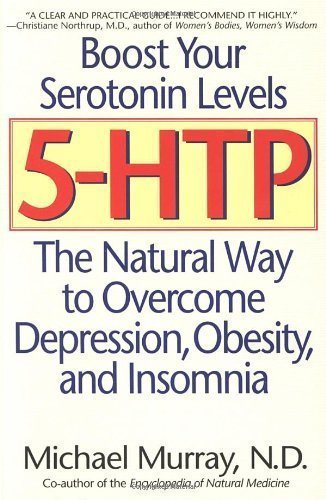
5-HTP: The Natural Way to Overcome Depression, Obesity, and Insomnia: Murray, Michael
The most authoritative and ... 5-HTP <strong>explains how this natural amino acid can safely and effectively regulate low serotonin levels, which have been linked to depression, obesity, insomnia, mig

NOW Foods Supplements, 5-HTP (5-hydroxytryptophan) 100 mg, Neurotransmitter Support*, 60 Veg Capsules
Buy NOW Foods Supplements, 5-HTP (5-hydroxytryptophan) 100 mg, Neurotransmitter Support*, 60 Veg Capsules on Amazon.com ✓ FREE SHIPPING on qualified orders
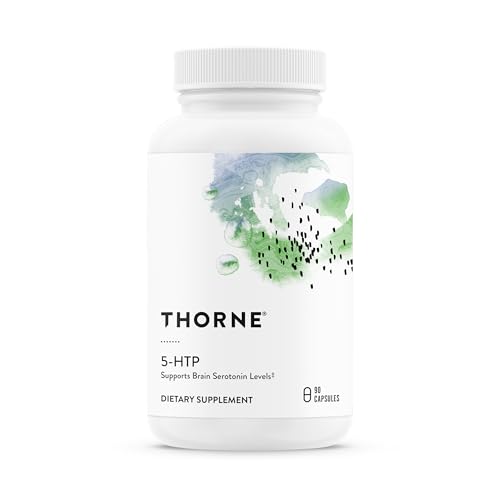
THORNE - 5-HTP - Contains Vitamin B6 - Serotonin Support for Sleep & Stress Management* - 5-Hydroxytryptophan Supplement - Third-Party Certified - Gluten, Dairy & Soy-Free - 90 Capsules
Pure Encapsulations 5-HTP 100 mg - Brain Health, Sleep Regulation & Appetite Support* - 5-Hydroxytryptophan - Gluten Free & Non-GMO - 60 Capsules
Evidence & Sources
Promising research with growing clinical support from multiple studies
- National Center for Complementary and Integrative Health (NCCIH)
- Natural Medicines Database
- Cochrane Database of Systematic Reviews
- Journal of Psychiatric Research
- Sleep Medicine Reviews
- Mayo Clinic Proceedings
- European Journal of Pharmacology
- World Health Organization (WHO)
This content is for informational purposes only and does not constitute medical advice. Always consult a qualified healthcare provider before starting, stopping, or changing any supplement or medication regimen.