

Statins and Fibrates
Statins and fibrates are two lipid-lowering medication classes that act through different mechanisms and target different parts of the lipid profile. Statins inhibit HMG‑CoA reductase, primarily lowering LDL cholesterol and reducing atherosclerotic cardiovascular disease (ASCVD) events with strong evidence. Fibrates activate PPAR‑α, leading to substantial triglyceride (TG) reductions and modest HDL increases; they are most often used when TG are very high or when mixed dyslipidemia (high TG/low HDL) persists despite statin therapy. The combination can be logical in mixed dyslipidemia: a statin addresses LDL-driven atherosclerosis while a fibrate targets hypertriglyceridemia and low HDL. Clinically, a fibrate may be added to a statin for severe hypertriglyceridemia to reduce pancreatitis risk, or selectively for persistent high TG with low HDL after LDL is controlled. However, large randomized trials have not shown a clear cardiovascular event reduction for most patients when adding a fibrate to a statin. ACCORD-Lipid (simvastatin plus fenofibrate) was neutral overall, though a predefined subgroup with high TG and low HDL appeared to benefit. The PROMINENT trial of pemafibrate in statin-treated patients with diabetes and high TG also showed no cardiovascular benefit despite robust TG lowering, underscoring that TG reduction alone is not a guaranteed surrogate for outcome improvement. Current guidelines therefore reserve fibrate–statin combinations mainly for severe TG levels, while favoring other add-ons for ASCVD risk reduction, such as icosapent ethyl for persistent TG elevation or ezetimibe/PCSK9 inhibitors for further LDL lowering. Safety is a key consideration. Combining statins with fibrates increases the risk of myopathy and rare rhabdomyolysis, especially with gemfibrozil, which interferes with statin metabolism. Fenofibrate is generally preferred if a fibrate is needed. Monitoring for muscle symptoms, creatine kinase when indicated, liver enzymes, and, for
Updated August 11, 2026This content is for informational purposes only and does not constitute medical advice. Always consult a qualified healthcare provider before starting, stopping, or changing any supplement or medication regimen.
Shared Risk Factors
Renal impairment (CKD or reduced eGFR)
Strong EvidenceDecreased renal function elevates exposure to several statins and especially fibrates, increasing risk of myopathy and adverse effects when agents are combined.
Hepatic dysfunction and heavy alcohol use
Strong EvidenceBoth classes are hepatically metabolized; underlying liver disease or alcohol excess increases risk of transaminase elevations and myopathy.
Concomitant interacting drugs (CYP3A4/OATP1B1/UGT inhibitors)
Strong EvidenceDrug–drug interactions raise statin exposure and myopathy risk; gemfibrozil additionally inhibits statin glucuronidation (UGT), markedly increasing statin levels.
Hypothyroidism and frailty/older age
Moderate EvidenceThyroid dysfunction and advanced age are established risk factors for statin- and fibrate-associated myopathy; combination amplifies risk.
SLCO1B1 loss-of-function variants (e.g., *5/*15)
Moderate EvidenceReduced hepatic uptake of certain statins elevates plasma levels and myopathy risk; risk is exacerbated with interacting fibrates like gemfibrozil.
Medical Perspectives
Two Ways of Seeing Health

Western
scientific · clinical
Western medicine applies science, technology, and clinical experience to treat symptoms through testing, diagnosis, and targeted intervention.
Surgeons · Pharmaceuticals · Clinical trials · Diagnostics 
Eastern
traditional · alternative
Eastern medicine focuses on treating the body naturally by applying traditional knowledge practiced for thousands of years, emphasizing balance and whole-person wellness.
Acupuncture · Herbal medicine · Yoga · Meditation
Gold Bamboo presents both perspectives side-by-side so you can make informed decisions. We don't advocate for one over the other — your health choices are yours.
Two Ways of Seeing Health
Western
scientific · clinical
Western medicine applies science, technology, and clinical experience to treat symptoms through testing, diagnosis, and targeted intervention.
Eastern
traditional · alternative
Eastern medicine focuses on treating the body naturally by applying traditional knowledge practiced for thousands of years, emphasizing balance and whole-person wellness.
Gold Bamboo presents both perspectives side-by-side so you can make informed decisions. We don't advocate for one over the other — your health choices are yours.
Western Perspective
From a western clinical standpoint, statins are foundational for ASCVD risk reduction by lowering LDL-C, while fibrates are primarily indicated to reduce very high triglycerides and modestly raise HDL-C. Combining them may be considered in mixed dyslipidemia or severe hypertriglyceridemia, but cardiovascular outcome benefits from routine combination therapy are unproven overall. Safety considerations, especially myopathy risk, drive a preference for fenofibrate over gemfibrozil if a fibrate is needed with a statin.
Key Insights
- Statins reduce major vascular events; fibrates lower TG but have inconsistent ASCVD outcome benefits as add-ons.
- ACCORD-Lipid showed no overall event reduction with fenofibrate added to simvastatin; a predefined subgroup with high TG and low HDL showed possible benefit.
- PROMINENT (pemafibrate) was neutral on cardiovascular outcomes despite robust TG lowering in statin-treated patients with diabetes.
- Gemfibrozil significantly increases statin exposure via UGT inhibition; fenofibrate is generally preferred when combining.
- Guidelines prioritize statins first; consider icosapent ethyl for persistent TG elevation and ezetimibe/PCSK9 inhibitors for additional LDL lowering; reserve fibrates for severe hypertriglyceridemia/pancreatitis risk.
Treatments
- Statins (e.g., atorvastatin, rosuvastatin)
- Fenofibrate (preferred fibrate with statins)
- Gemfibrozil (generally avoid with statins)
- Icosapent ethyl (EPA)
- Ezetimibe/PCSK9 inhibitors/Bempedoic acid
Deep Dive
Statins and fibrates target different lipid abnormalities through complementary mechanisms. Statins inhibit hepatic cholesterol synthesis via HM... Statins and fibrates target different lipid abnormalities through complementary mechanisms. Statins inhibit hepatic cholesterol synthesis via HMG‑CoA reductase, upregulating LDL receptors and producing robust LDL‑C reductions with clear reductions in myocardial infarction, stroke, and cardiovascular mortality. Fibrates activate PPAR‑α, increasing lipoprotein lipase activity, accelerating triglyceride-rich lipoprotein catabolism, and modestly raising HDL‑C. This pharmacology makes the combination appealing in patients with mixed dyslipidemia—particularly those with persistent hypertriglyceridemia and low HDL after LDL is controlled on a statin. Clinicians also consider a fibrate when triglycerides are very high to lower pancreatitis risk. Yet outcome data temper routine combination use. ACCORD‑Lipid found no overall reduction in major cardiovascular events when fenofibrate was added to simvastatin in type 2 diabetes, although a predefined subgroup with high TG and low HDL showed a signal of benefit. More recently, PROMINENT tested pemafibrate on top of statins in diabetics with elevated TG and failed to demonstrate cardiovascular benefit despite substantial TG lowering, suggesting that simply reducing triglycerides may not translate into fewer events in all populations. Consequently, guidelines recommend statins first, with add‑on choices tailored to the residual abnormality: icosapent ethyl for persistent TG elevation with strong outcomes evidence, or ezetimibe/PCSK9 inhibitors/bempedoic acid for further LDL reduction. Fibrates are primarily reserved for severe hypertriglyceridemia where pancreatitis risk is paramount. Safety shapes practice. Combining a statin with a fibrate increases the risk of myopathy and rare rhabdomyolysis. Gemfibrozil is problematic due to inhibition of statin glucuronidation, markedly increasing statin exposure; it is generally avoided with statins. If a fibrate is necessary, fenofibrate is preferred, with attention to renal function because fenofibrate can raise serum creatinine and requires dose adjustments or avoidance in advanced CKD. Baseline and symptom‑triggered labs (creatine kinase, liver enzymes) and review of drug–drug interactions (macrolides, azole antifungals, cyclosporine, certain antivirals) are key. Special populations need tailored strategies: most pregnant patients discontinue statins, and fibrates are typically avoided; older adults and those with hypothyroidism or renal/hepatic impairment warrant extra caution. Shared decision‑making integrates lipid pattern, ASCVD risk, comorbidities, prior intolerance, and patient goals, with referral to a lipid specialist for complex or refractory cases.
Sources
- Grundy SM et al. 2018 AHA/ACC Multisociety Cholesterol Guideline. J Am Coll Cardiol. 2019;73:e285–e350.
- ACC Expert Consensus Decision Pathway on Persistent Hypertriglyceridemia. J Am Coll Cardiol. 2021;78:960–993.
- ACCORD-Lipid Investigators. N Engl J Med. 2010;362:1563–1574.
- PROMINENT Investigators. N Engl J Med. 2022;387:1923–1934.
- Bhatt DL et al. REDUCE-IT. N Engl J Med. 2019;380:11–22.
- Rosenson RS et al. Statin drug–drug interaction statement. Circulation. 2016;134:e468–e495.
Eastern Perspective
Traditional systems emphasize dietary patterns, metabolic balance, and liver–digestive function in dyslipidemia. Within integrative care, nonpharmacologic approaches often form the base: weight management, reduced refined carbohydrates/alcohol (especially for hypertriglyceridemia), increased physical activity, and selective nutraceuticals. Red yeast rice (Hong Qu) has statin-like activity; fish-derived omega‑3s have TG-lowering effects; Ayurvedic texts describe guggul for lipid balance, though modern trials are mixed. When prescription statins or fibrates are used, traditional therapies are framed as adjuncts with careful attention to interactions and quality control.
Key Insights
- Dietary therapy and exercise are first-line in traditional and integrative frameworks and align with guideline-based care for TG reduction.
- Red yeast rice can lower LDL via monacolin K but overlaps mechanistically with statins; quality variability and potential contaminants warrant caution and medical supervision.
- Omega‑3 fatty acids are used to lower TG; purified EPA (icosapent ethyl) has outcome evidence, whereas mixed EPA/DHA supplements show inconsistent results.
- Ayurvedic guggul has historical use for ‘meda dhatu’ imbalance, but modern RCTs show limited or no LDL benefit and possible adverse effects.
- Mind–body practices (yoga, stress reduction) may support cardiometabolic health as part of comprehensive lifestyle change.
Treatments
- Mediterranean-style or low-refined-carbohydrate dietary patterns
- Omega‑3 fatty acids (fish oil; purified EPA as a pharmaceutical)
- Red yeast rice (Hong Qu/Monascus purpureus) with quality controls
- Soluble fiber (psyllium) and plant sterols/stanols
- Yoga and regular physical activity
Deep Dive
Traditional and integrative frameworks approach dyslipidemia by restoring metabolic balance through diet, activity, and targeted nutraceuticals.... Traditional and integrative frameworks approach dyslipidemia by restoring metabolic balance through diet, activity, and targeted nutraceuticals. In Traditional Chinese Medicine, patterns resembling ‘phlegm‑dampness’ and liver qi stagnation are thought to contribute to lipid accumulation; therapies emphasize dietary moderation (less alcohol and sugar for hypertriglyceridemia), weight management, and movement. In Ayurveda, dyslipidemia reflects imbalance in meda dhatu with recommendations for whole‑food diets, spices that support digestion, and regular exercise. These lifestyle tenets closely align with modern guidance that weight loss, reduced refined carbohydrates, and limited alcohol can significantly lower triglycerides. Selective natural agents have roles with varying evidence. Fish‑derived omega‑3 fatty acids are long used to reduce triglycerides; contemporary pharmacologic EPA (icosapent ethyl) demonstrates clear cardiovascular benefit in high‑risk, statin‑treated patients, while mixed EPA/DHA supplements show inconsistent outcome data. Red yeast rice (Hong Qu) illustrates both promise and caution. It lowers LDL via monacolin K, a lovastatin analogue, but product potency and contaminants vary widely, and combining with prescription statins could duplicate effects and increase adverse event risk—areas where practitioner oversight is essential. Ayurvedic guggul has a historical reputation for lipid support, but modern randomized trials have not confirmed meaningful LDL reduction and have reported adverse effects in some participants. Within integrative care, nonpharmacologic foundations—Mediterranean‑style or low‑refined‑carbohydrate eating patterns, soluble fiber (psyllium), plant sterols/stanols, regular physical activity, and stress reduction—are layered beneath any necessary prescription therapy. When statins or fibrates are prescribed, traditional measures are framed as adjuncts aimed at weight, glycemic control, and inflammatory tone rather than replacements, with attention to potential herb–drug interactions and organ function. Collaboration between conventional clinicians and experienced integrative practitioners helps personalize approaches for special populations (older adults, those with kidney or liver disease, or during pregnancy and lactation) and supports careful monitoring. The shared goal across traditions is not merely to move lipid numbers but to reduce overall cardiovascular risk safely, using the least intensive regimen that achieves individualized targets.
Sources
- Gerards MC et al. RYR meta-analysis. Atherosclerosis. 2015;243:449–457.
- Gordon RY et al. Variability of monacolin levels in red yeast rice. Arch Intern Med. 2010;170:1722–1727.
- Nicholls SJ et al. STRENGTH. JAMA. 2020;324:2268–2280.
- Bhatt DL et al. REDUCE-IT. N Engl J Med. 2019;380:11–22.
- Szapary PO et al. Guggulipid trial. JAMA. 2003;290:765–772.
Evidence Ratings
Adding fenofibrate to a statin does not reduce cardiovascular events overall (ACCORD-Lipid).
ACCORD-Lipid Investigators. N Engl J Med. 2010;362:1563–1574.
A high triglyceride/low HDL subgroup may benefit from statin–fenofibrate therapy.
ACCORD-Lipid subgroup analysis. N Engl J Med. 2010;362:1563–1574.
Pemafibrate failed to reduce cardiovascular outcomes in statin-treated patients with diabetes and elevated TG (PROMINENT).
PROMINENT Investigators. N Engl J Med. 2022;387:1923–1934.
Gemfibrozil markedly increases statin exposure via inhibition of glucuronidation, raising myopathy/rhabdomyolysis risk.
Rosenson RS et al. Circulation. 2016;134:e468–e495; Prueksaritanont T et al. Drug Metab Dispos. 2002;30:1280–1287.
Fenofibrate lowers triglycerides and modestly raises HDL but has limited evidence for ASCVD event reduction as monotherapy.
FIELD Study. N Engl J Med. 2005;353:2001–2012.
Icosapent ethyl reduces cardiovascular events in statin-treated patients with elevated TG.
Bhatt DL et al. REDUCE-IT. N Engl J Med. 2019;380:11–22.
Fenofibrate can increase serum creatinine and requires renal function monitoring.
KDIGO Lipid Management in CKD. Kidney Int Suppl. 2013;3:259–305.
Red yeast rice lowers LDL but product potency and contaminants vary widely.
Gordon RY et al. Arch Intern Med. 2010;170:1722–1727.
Sources
- Grundy SM et al. 2018 AHA/ACC/AACVPR/AAPA/ABC/ACPM/ADA/AGS/APhA/ASPC/NLA/PCNA guideline on the management of blood cholesterol. J Am Coll Cardiol. 2019;73:e285–e350.
- ACC Expert Consensus Decision Pathway on the Management of ASCVD Risk Reduction in Patients with Persistent Hypertriglyceridemia. J Am Coll Cardiol. 2021;78:960–993.
- The ACCORD Study Group. Effects of combination lipid therapy in type 2 diabetes mellitus. N Engl J Med. 2010;362:1563–1574.
- The FIELD Study Investigators. Effects of fenofibrate on cardiovascular disease in type 2 diabetes. N Engl J Med. 2005;353:2001–2012.
- PROMINENT Investigators. Pemafibrate to reduce cardiovascular outcomes. N Engl J Med. 2022;387:1923–1934.
- Bhatt DL et al. Cardiovascular risk reduction with icosapent ethyl. N Engl J Med. 2019;380:11–22.
- Rosenson RS et al. Recommendations for management of clinically significant drug–drug interactions with statins. Circulation. 2016;134:e468–e495.
- KDIGO Clinical Practice Guideline for Lipid Management in CKD. Kidney Int Suppl. 2013;3:259–305.
- FDA Drug Safety Communication: Important safety label changes to statins (2012).
- Gordon RY et al. Variability of monacolin levels in red yeast rice. Arch Intern Med. 2010;170:1722–1727.
- Szapary PO et al. Guggulipid for hypercholesterolemia: A randomized controlled trial. JAMA. 2003;290:765–772.
- Nicholls SJ et al. STRENGTH trial. JAMA. 2020;324:2268–2280.
- AIM-HIGH Investigators. Niacin in patients with low HDL. N Engl J Med. 2011;365:2255–2267.
- HPS2-THRIVE Collaborative Group. Niacin with laropiprant in high-risk patients. N Engl J Med. 2014;371:203–212.
- CTT Collaboration. Efficacy and safety of LDL-lowering by statins. Lancet. 2010;376:1670–1681.
- CLEAR Outcomes Investigators. Bempedoic acid and cardiovascular outcomes. N Engl J Med. 2023;388:1353–1364.
Related Topics
Recommended Products

Clinical Lipidology: A Companion to Braunwald's Heart Disease: Expert Consult: Online and Print: Ballantyne MD FACP FACC, Christie M.
Dr. Ballantyne―one of the foremost lipid experts in the world and recruited by Dr. Braunwald’s Heart Disease editorial team―together with a stellar cast of contributors provides all of the scientific
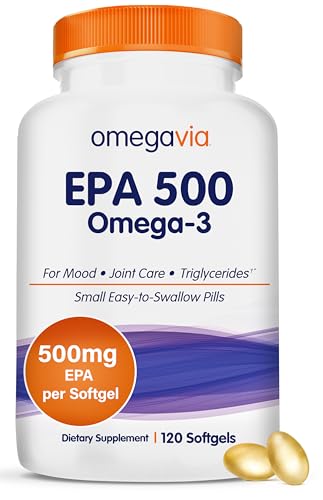
OmegaVia EPA 500, Purified Omega-3 Fish Oil Supplement, 500 mg EPA in Triglyceride Form, Burpless Fish Oil, Non-GMO, Gluten-Free, IFOS 5-Star, 120 Softgels : Everything Else
Buy OmegaVia EPA 500, Purified Omega-3 Fish Oil Supplement, 500 mg EPA in Triglyceride Form, Burpless Fish Oil, Non-GMO, Gluten-Free, IFOS 5-Star, 120 Softgels on Amazon.com ✓ FREE SHIPPING on qualifi

Jarrow Formulas QH-Absorb Ubiquinol 100mg - 120 Softgels - High Absorption & Active Antioxidant Form of Co-Q10 - Supports Mitochondrial Energy Production & Healthy Cardiovascular Function
Clinically Shown: Jarrow Formulas’ ... mg per day) over baseline · Convenient Softgels: <strong>Each softgel form QH-Absorb serving provides 100 mg of ubiquinol, a Co Q 10 supplement</strong>; Take 1
Health Disclaimer
This content is for informational purposes only and does not constitute medical advice. Always consult a qualified healthcare provider before starting, stopping, or changing any supplement or medication regimen.