

Selective Serotonin Reuptake Inhibitors (SSRIs) and Monoamine Oxidase Inhibitors (MAOIs)
SSRIs and MAOIs are antidepressant classes that both raise brain monoamines but through different mechanisms and with distinct safety profiles. SSRIs block the serotonin transporter (SERT), increasing synaptic serotonin with minimal direct effects on norepinephrine and dopamine. They are widely used first‑line for major depressive disorder and many anxiety disorders due to favorable tolerability. MAOIs inhibit monoamine oxidase enzymes that break down serotonin, norepinephrine, and dopamine; classic agents (phenelzine, tranylcypromine) irreversibly inhibit MAO‑A and MAO‑B, while a reversible MAO‑A inhibitor (moclobemide) is used in some countries. MAOIs can be effective in treatment‑resistant or atypical depression but require careful dietary and drug‑interaction management. Because both classes enhance serotonergic tone, combining or overlapping SSRIs and MAOIs can precipitate life‑threatening serotonin syndrome. Symptoms can include agitation, confusion, tremor, clonus, hyperreflexia, fever, sweating, diarrhea, and rapid heart rate. MAOIs also interact with dietary tyramine and sympathomimetic drugs, risking hypertensive reactions with severe headache, chest pain, palpitations, or visual changes. Additional high‑risk combinations include linezolid or methylene blue, dextromethorphan, certain opioids (for example, meperidine, tramadol), St. John’s wort, tryptophan/5‑HTP, MDMA, and some migraine triptans. Safe transitioning between the classes requires washout periods to allow drug and metabolite clearance: generally at least 14 days between stopping an MAOI and starting an SSRI, and at least 14 days after most SSRIs before starting an MAOI; fluoxetine requires a longer interval because of its long half‑life. Cross‑tapering is typically avoided. Monitoring priorities during transitions include vital signs, mental status, neuromuscular signs, temperature, and blood pressure. Specialist oversight is often indicated for MAOI initiation, treatment‑resistant depression
Updated August 20, 2026This content is for informational purposes only and does not constitute medical advice. Always consult a qualified healthcare provider before starting, stopping, or changing any supplement or medication regimen.
Shared Risk Factors
Concomitant serotonergic agents and polypharmacy
Strong EvidenceAdding other serotonergic drugs or supplements (e.g., linezolid, methylene blue, tramadol, St. John’s wort, tryptophan/5‑HTP, dextromethorphan, MDMA, some triptans) increases risk of serotonin toxicity when either class is used; the risk is highest with MAOIs.
Sympathomimetic exposure and dietary tyramine
Strong EvidenceMAO inhibition increases sensitivity to indirect sympathomimetics and dietary tyramine, risking hypertensive crises; stimulants and many OTC decongestants add risk. SSRIs have fewer pressor effects but can still interact with stimulants.
Older age and medical comorbidity
Moderate EvidenceAge‑related pharmacokinetic changes and comorbidities increase adverse events and interactions for both classes.
Hepatic impairment and metabolic variability
Moderate EvidenceBoth classes are hepatically metabolized; impaired function or CYP polymorphisms can alter exposure and interaction risk.
Underlying bipolar spectrum
Moderate EvidenceAntidepressants may precipitate mania/hypomania in susceptible individuals without mood stabilizer coverage.
OTC cold/cough medicines and analgesics
Strong EvidenceCommon nonprescription products contain dextromethorphan or sympathomimetics that interact, especially with MAOIs.
Overlapping Treatments
Cognitive Behavioral Therapy (CBT) / Interpersonal Therapy (IPT)
Strong EvidenceAdjunctive to SSRIs, improves depressive and anxiety symptoms and relapse prevention, potentially reducing need for medication changes.
Adjunctive to MAOIs, offers symptom relief and coping skills without pharmacokinetic interactions.
Coordinate therapy with medication timing and monitoring; watch for suicidality changes during early treatment.
Exercise (aerobic/resistance)
Moderate EvidenceAdjunct to SSRIs for depressive symptoms and sleep quality.
Adjunct to MAOIs with mood and energy benefits; no direct drug interaction.
Screen for cardiovascular risk; start gradually; monitor orthostatic symptoms with MAOIs.
Repetitive Transcranial Magnetic Stimulation (rTMS)
Strong EvidenceEffective for major depression not responding to SSRIs; no systemic drug interactions.
Option for patients on MAOIs who cannot change medications; can augment response.
Contraindications include certain metal implants; rare seizure risk.
Electroconvulsive Therapy (ECT)
Strong EvidenceHighly effective for severe, psychotic, or treatment‑resistant depression when SSRIs are insufficient.
Effective irrespective of antidepressant class and useful when switching is risky or urgent.
Requires anesthesia; coordinate peri‑procedural BP management, especially in MAOI users.
Bright Light Therapy (for seasonal patterns)
Moderate EvidenceAdjunctive benefit for seasonal affective disorder and some nonseasonal depression.
Can support mood in MAOI‑treated patients without pharmacologic interaction.
Monitor for activation or mania risk in bipolar spectrum; use morning timing to reduce insomnia.
Mindfulness‑based interventions (MBCT/MBSR)
Moderate EvidenceReduce relapse risk and residual symptoms alongside SSRIs.
Complement MAOI therapy, improving stress regulation and mood.
Not a substitute for safety monitoring; may uncover difficult emotions early in practice.
Medical Perspectives
Two Ways of Seeing Health

Western
scientific · clinical
Western medicine applies science, technology, and clinical experience to treat symptoms through testing, diagnosis, and targeted intervention.
Surgeons · Pharmaceuticals · Clinical trials · Diagnostics 
Eastern
traditional · alternative
Eastern medicine focuses on treating the body naturally by applying traditional knowledge practiced for thousands of years, emphasizing balance and whole-person wellness.
Acupuncture · Herbal medicine · Yoga · Meditation
Gold Bamboo presents both perspectives side-by-side so you can make informed decisions. We don't advocate for one over the other — your health choices are yours.
Two Ways of Seeing Health
Western
scientific · clinical
Western medicine applies science, technology, and clinical experience to treat symptoms through testing, diagnosis, and targeted intervention.
Eastern
traditional · alternative
Eastern medicine focuses on treating the body naturally by applying traditional knowledge practiced for thousands of years, emphasizing balance and whole-person wellness.
Gold Bamboo presents both perspectives side-by-side so you can make informed decisions. We don't advocate for one over the other — your health choices are yours.
Western Perspective
Western medicine recognizes SSRIs and MAOIs as mechanistically distinct antidepressants that both enhance monoaminergic neurotransmission. SSRIs selectively block SERT to raise synaptic serotonin, providing broad efficacy with comparatively favorable tolerability. MAOIs inhibit enzymatic breakdown of serotonin, norepinephrine, and dopamine; classic irreversible agents are potent but interaction‑prone. The combination or close sequencing of the two classes is contraindicated because of high risk for serotonin syndrome and hypertensive reactions.
Key Insights
- SSRIs are first‑line for major depressive disorder and many anxiety disorders; MAOIs are reserved for treatment‑resistant or atypical depression.
- Concomitant use of SSRIs and MAOIs can cause life‑threatening serotonin syndrome; strict washout periods are required when switching.
- MAOIs necessitate dietary tyramine restrictions and avoidance of sympathomimetics to prevent hypertensive crises.
- Fluoxetine’s long half‑life mandates a longer washout before starting an MAOI.
- Linezolid, methylene blue, dextromethorphan, meperidine, and tramadol are high‑risk interactions with either class, particularly MAOIs.
Treatments
- Medication selection based on prior response, comorbidity, and interaction profile
- Structured washout (≥14 days; longer after fluoxetine) and no cross‑taper when switching
- Close monitoring for serotonin toxicity and blood pressure changes
- Use of nonpharmacologic adjuncts (CBT, rTMS, ECT) for inadequate response or safety constraints
Deep Dive
SSRIs and MAOIs both enhance monoaminergic neurotransmission but do so at different control points. SSRIs inhibit the serotonin transporter, inc... SSRIs and MAOIs both enhance monoaminergic neurotransmission but do so at different control points. SSRIs inhibit the serotonin transporter, increasing synaptic serotonin with relative selectivity, which translates to broad efficacy for major depression and multiple anxiety disorders with a comparatively favorable adverse‑effect profile—chiefly gastrointestinal upset, sexual dysfunction, sleep disturbance, hyponatremia in older adults, and, for some agents, QT considerations and bleeding risk when combined with NSAIDs. MAOIs, by irreversibly inhibiting monoamine oxidase A and B, prevent the breakdown of serotonin, norepinephrine, and dopamine, producing robust increases in monoamines. Clinically, this potency can yield benefits in atypical depression and some cases of treatment‑resistant depression; however, it creates a narrow safety margin with diet and drug interactions. The pharmacologic overlap in serotonin enhancement underlies the central safety lesson: do not combine or closely sequence SSRIs and MAOIs. Serotonin syndrome can present rapidly with autonomic instability, neuromuscular hyperactivity (tremor, clonus, hyperreflexia), and altered mental status, and can escalate to hyperthermia and multi‑organ complications. Hypertensive reactions occur when MAOIs interact with dietary tyramine or sympathomimetic agents, producing severe headaches, chest pain, and dangerous blood pressure elevations. Consequently, washout intervals—at least 14 days between most agents, extended to 5 weeks after fluoxetine—are standard, and cross‑tapers are generally avoided. Clinicians prioritize medication reconciliation, education about OTC decongestants and cough suppressants, and strict avoidance of high‑risk combinations such as linezolid, methylene blue, meperidine, tramadol, dextromethorphan, and serotonergic supplements. When an SSRI is ineffective or poorly tolerated, options include switching within class, augmenting with non‑serotonergic strategies, or considering MAOIs under specialist oversight—particularly for atypical features (mood reactivity, hypersomnia, hyperphagia). Adjunctive nonpharmacologic modalities—CBT/IPT, exercise, rTMS, ECT, light therapy, and mindfulness‑based approaches—can improve outcomes without compounding pharmacokinetic risks. Management emphasizes individualized risk assessment, clear patient education on warning signs, and coordinated monitoring of vitals and mental status during any transition.
Sources
- American Psychiatric Association Practice Guideline for the Treatment of Patients With Major Depressive Disorder (2023)
- Boyer EW, Shannon M. The serotonin syndrome. N Engl J Med. 2005;352:1112-1120.
- FDA Prescribing Information: Fluoxetine; Phenelzine; Tranylcypromine (accessed 2026)
- NICE Depression in adults: treatment and management (NG222, 2022)
- Gillman PK. Monoamine oxidase inhibitors, opioid analgesics and serotonin toxicity. Br J Anaesth. 2005;95:434-441.
- Rush AJ et al. STAR*D reports on treatment‑resistant depression. Am J Psychiatry. 2006.
Eastern Perspective
Traditional and integrative systems frame depressive and anxious states as imbalances in vital energy, digestion, and mind–body regulation. Within these frameworks, nonpharmacologic modalities—acupuncture, meditation, yoga, breathing practices, and selected herbal formulas—aim to restore balance and relieve distress. When patients are using SSRIs or MAOIs, integrative care emphasizes avoiding herb–drug combinations that may add serotonergic or pressor effects and focusing on low‑interaction modalities such as acupuncture, movement, and mind–body practices.
Key Insights
- Acupuncture and acupressure are used to regulate mood and sleep; evidence suggests adjunctive benefits for depression.
- Mindfulness and yoga/pranayama reduce stress reactivity and may alleviate residual symptoms without pharmacokinetic interactions.
- Traditional Chinese Medicine formulas (e.g., Xiao Yao San) and Western herb St. John’s wort are sometimes used for mood, but combining serotonergic herbs with SSRIs/MAOIs raises interaction risks.
- Ayurveda emphasizes routines, nutrition, and medhya rasayana (cognitive‑supportive) herbs; when pharmaceuticals are used, practitioners prioritize non‑interacting practices first.
Treatments
- Acupuncture or acupressure as adjuncts to conventional care
- Mindfulness‑based meditation and gentle yoga
- Tai chi/qigong for mood and sleep support
- Traditional formulas under qualified supervision, avoiding serotonergic/MAOI‑like herbs with these medications
Deep Dive
Traditional systems such as Traditional Chinese Medicine (TCM) and Ayurveda interpret depressive and anxious states as disturbances in the flow ... Traditional systems such as Traditional Chinese Medicine (TCM) and Ayurveda interpret depressive and anxious states as disturbances in the flow of qi or prana, digestion, sleep, and emotional regulation. Treatment aims to restore balance through multimodal, low‑risk interventions—acupuncture to harmonize liver and spleen patterns, herbal formulas to soothe constraint, and mind–body practices to calm and stabilize attention. From an integrative standpoint, when patients use SSRIs or MAOIs, practitioners prioritize modalities that do not add serotonergic or pressor effects. Acupuncture, tai chi/qigong, yoga, breathing practices, and mindfulness programs can complement pharmacotherapy by reducing stress reactivity, improving sleep, and supporting mood, with growing evidence for adjunctive benefit and minimal interaction risk. Herbal medicine is approached cautiously. St. John’s wort—frequently used in Western herbalism for mild to moderate depression—has serotonergic activity and induces drug‑metabolizing enzymes; it can raise the risk of serotonin toxicity with SSRIs and MAOIs and alter drug exposure. Similarly, tryptophan and 5‑HTP can amplify serotonergic tone and are generally avoided alongside these prescriptions. TCM formulas such as Xiao Yao San and Ayurvedic medhya rasayanas (e.g., ashwagandha, bacopa) are sometimes considered, but responsible integrative care weighs potential benefits against uncertain interaction profiles, opting for shared decision‑making and close monitoring if used. Eastern and integrative approaches align with Western priorities on safety: avoid high‑risk combinations, educate patients about warning signs (agitation, tremor, clonus, fever, severe headache, chest pain), and coordinate care among prescribers and pharmacists. Where they add distinctive value is in accessible practices that build resilience—structured routines, gentle movement, breath regulation, mindful attention—that can reduce symptom burden and support recovery while pharmacologic regimens are optimized. The convergence of traditions emphasizes personalized care, prudent avoidance of risky herb–drug combinations, and the use of nonpharmacologic strategies to augment well‑being.
Sources
- Cochrane Review: Acupuncture for depression (2018 update)
- Kuyken W et al. Efficacy of mindfulness‑based cognitive therapy in prevention of depressive relapse. JAMA Psychiatry. 2016.
- NCCIH: St. John’s Wort and Depression (accessed 2026)
- WHO Benchmarks for Training in Acupuncture (2010)
- Armour M et al. Acupuncture for depression: systematic reviews/meta‑analyses (various).
Evidence Ratings
Combining SSRIs and MAOIs is contraindicated due to high risk of serotonin syndrome.
FDA Prescribing Information for SSRIs (e.g., Fluoxetine) and MAOIs (Phenelzine, Tranylcypromine); Boyer & Shannon, NEJM 2005.
A washout of at least 14 days (and ≥5 weeks after fluoxetine) is recommended when switching between classes.
FDA Prescribing Information: Fluoxetine; Phenelzine; Tranylcypromine; APA 2023 Guideline.
Dietary tyramine with nonselective irreversible MAOIs can cause hypertensive crises.
FDA Prescribing Information: Phenelzine, Tranylcypromine; BNF guidance.
SSRIs are effective first‑line treatments for major depressive disorder and many anxiety disorders.
APA 2023 Guideline; NICE NG222 (2022).
MAOIs are effective in atypical or treatment‑resistant depression when other therapies fail.
Quitkin FM et al., Arch Gen Psychiatry 1993 (phenelzine efficacy in atypical depression); STAR*D Level 4 data (tranylcypromine).
Linezolid and methylene blue can precipitate serious CNS toxicity with serotonergic drugs, particularly MAOIs.
FDA Drug Safety Communications (2011, 2012).
Dextromethorphan is contraindicated with MAOIs and increases serotonin toxicity risk with SSRIs.
FDA OTC labeling for dextromethorphan; Boyer & Shannon, NEJM 2005.
St. John’s wort may interact with SSRIs/MAOIs, increasing serotonin syndrome risk and altering drug levels.
NCCIH St. John’s Wort Fact Sheet; MedlinePlus Drug Interactions.
Sources
- American Psychiatric Association. Practice Guideline for the Treatment of Patients With Major Depressive Disorder. 2023.
- Boyer EW, Shannon M. The serotonin syndrome. N Engl J Med. 2005;352:1112-1120.
- FDA Prescribing Information: Fluoxetine (Prozac), Phenelzine (Nardil), Tranylcypromine (Parnate).
- NICE Guideline NG222: Depression in adults: treatment and management. 2022.
- FDA Drug Safety Communication: Serious CNS reactions with linezolid or methylene blue in patients taking serotonergic psychiatric medications. 2011/2012.
- Quitkin FM et al. Phenelzine vs imipramine/placebo in atypical depression. Arch Gen Psychiatry. 1993.
- NCCIH. St. John’s Wort and Depression. Accessed 2026.
- Gillman PK. Monoamine oxidase inhibitors, opioid analgesics and serotonin toxicity. Br J Anaesth. 2005.
Related Topics
Recommended Products
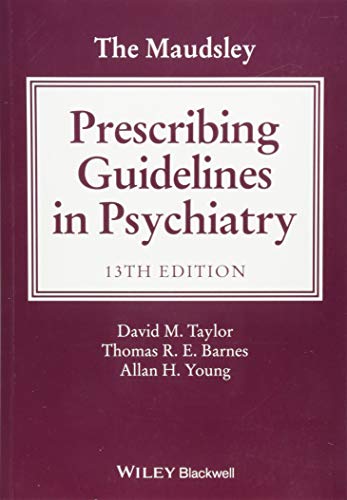
The Maudsley Prescribing Guidelines in Psychiatry
Written for psychiatrists, ... in Psychiatry are <strong>the established reference source for ensuring the safe and effective use of medications for patients presenting with mental health problems</st
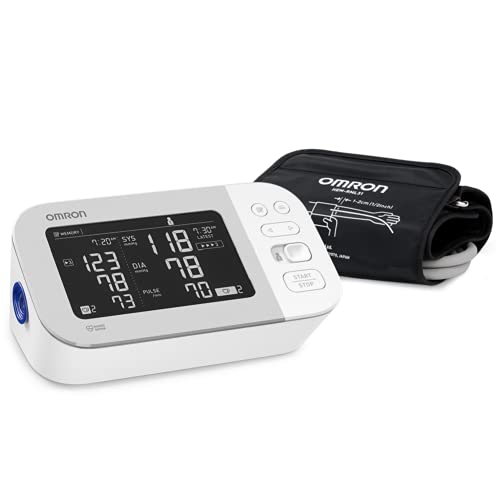
OMRON Platinum Blood Pressure Monitor, Upper Arm Cuff, Digital Bluetooth Blood Pressure Machine, Stores Up To 200 Readings for Two Users (100 readings each) : Everything Else
Buy OMRON Platinum Blood Pressure Monitor, Upper Arm Cuff, Digital Bluetooth Blood Pressure Machine, Stores Up To 200 Readings for Two Users (100 readings each) on Amazon.com ✓ FREE SHIPPING on qualif
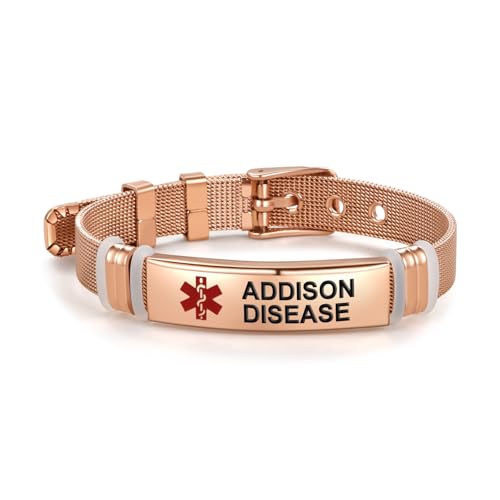
ADDISON'S DISEASE Medical Alert ID Bracelet for Women and Men - Stretchable Modular Charm Link - Stainless Steel
<strong>Your condition or medication is engraved on the center super link</strong>. Select from any available options offered here.
Health Disclaimer
This content is for informational purposes only and does not constitute medical advice. Always consult a qualified healthcare provider before starting, stopping, or changing any supplement or medication regimen.