

Seasonal affective disorder (SAD) and Herbal treatments
Seasonal affective disorder (SAD) is a subtype of depressive disorder marked by predictable seasonal patterns—most commonly low mood, reduced energy, hypersomnia, increased appetite/carbohydrate cravings, impaired concentration, and withdrawal during fall and winter with remission in spring/summer. Western research links SAD to circadian rhythm disruption from shorter daylight, altered melatonin timing, seasonal shifts in serotonin activity, and possibly seasonal immune/inflammatory changes. These pathways create plausible targets for plant-based therapies that influence serotonin signaling, stress resilience, sleep/circadian regulation, and inflammation. Among herbs, St. John’s wort (Hypericum perforatum) has strong evidence for mild-to-moderate nonseasonal depression and limited but suggestive rationale for SAD; however, well-controlled SAD-specific trials are sparse. Saffron (Crocus sativus) shows moderate-quality evidence for improving depressive symptoms in randomized trials of major depression, though SAD-specific research is lacking. Rhodiola rosea, an adaptogen, has emerging evidence for mild-to-moderate depression and stress-related fatigue that may translate to SAD, again with limited direct trials. Lemon balm (Melissa officinalis) has small studies showing reduced anxiety and improved calmness/sleep, making it a potential adjunct for symptom clusters common in SAD. Other botanicals sometimes discussed include ashwagandha and curcumin, each with early signals for mood support, but data remain preliminary and not specific to SAD. Mechanistically, several herbs may modulate serotonin and other monoamines (for example, hyperforin in St. John’s wort), dampen stress-axis overactivation (adaptogens like rhodiola and ashwagandha), influence sleep and restfulness (lemon balm), and exert anti-inflammatory and antioxidant effects (saffron, curcumin). These actions map onto known SAD pathways: supporting circadian stability, improving sleep quality, buffering neuro
Updated August 20, 2026This content is for informational purposes only and does not constitute medical advice. Always consult a qualified healthcare provider before starting, stopping, or changing any supplement or medication regimen.
Overlapping Treatments
St. John’s wort (Hypericum perforatum)
Moderate EvidenceMay reduce depressive symptoms relevant to SAD by serotonergic reuptake inhibition; SAD-specific RCT data are limited
Flagship antidepressant herb with support for mild–moderate MDD in multiple trials and meta-analyses
Strong drug–drug interactions via CYP3A4 and P-gp induction; photosensitivity; risk of serotonin syndrome with SSRIs/SNRIs/triptans; may precipitate mania in bipolar disorder; avoid in pregnancy; may reduce efficacy of hormonal contraceptives and some anticoagulants
Saffron (Crocus sativus)
Moderate EvidencePlausible adjunct for winter depression symptoms via serotonergic, antioxidant, and anti-inflammatory effects; no SAD-specific RCTs
Improves depressive symptoms vs placebo and similar to SSRIs in several small RCTs of MDD
Potential uterotonic effects—avoid in pregnancy; possible antiplatelet activity—use caution with anticoagulants/antiplatelets
Rhodiola rosea
Emerging ResearchMay support energy, mood, and stress resilience in winter; limited direct SAD data
Emerging evidence for mild–moderate depression and fatigue; generally well tolerated
Possible overstimulation/insomnia; theoretical interaction with antidepressants; caution in bipolar spectrum due to activation risk; pregnancy safety not established
Lemon balm (Melissa officinalis)
Emerging ResearchMay improve anxiety, tension, and sleep that co-occur with SAD
Traditionally used as a calming herb; small human studies show anxiolytic/sedative effects
Additive sedation with CNS depressants; theoretical thyroid interactions; pregnancy/lactation safety not established
Ashwagandha (Withania somnifera)
Emerging ResearchMay reduce stress and improve sleep, indirectly supporting mood in SAD
Emerging evidence for stress reduction and adjunctive mood support
Potential thyroid hormone effects; GI upset; avoid in pregnancy; interactions with sedatives/immunosuppressants possible
Curcumin (from turmeric, Curcuma longa)
Emerging ResearchAnti-inflammatory and antioxidant activity may target immune-related aspects of winter depression
Pilot trials suggest adjunctive antidepressant effects
May interact with anticoagulants/antiplatelets; variable bioavailability; GI upset possible
Medical Perspectives
Two Ways of Seeing Health

Western
scientific · clinical
Western medicine applies science, technology, and clinical experience to treat symptoms through testing, diagnosis, and targeted intervention.
Surgeons · Pharmaceuticals · Clinical trials · Diagnostics 
Eastern
traditional · alternative
Eastern medicine focuses on treating the body naturally by applying traditional knowledge practiced for thousands of years, emphasizing balance and whole-person wellness.
Acupuncture · Herbal medicine · Yoga · Meditation
Gold Bamboo presents both perspectives side-by-side so you can make informed decisions. We don't advocate for one over the other — your health choices are yours.
Two Ways of Seeing Health
Western
scientific · clinical
Western medicine applies science, technology, and clinical experience to treat symptoms through testing, diagnosis, and targeted intervention.
Eastern
traditional · alternative
Eastern medicine focuses on treating the body naturally by applying traditional knowledge practiced for thousands of years, emphasizing balance and whole-person wellness.
Gold Bamboo presents both perspectives side-by-side so you can make informed decisions. We don't advocate for one over the other — your health choices are yours.
Western Perspective
Western medicine views herbal treatments for SAD as complementary options with varying levels of evidence. First-line therapies for SAD remain bright light therapy, cognitive-behavioral therapy tailored for SAD (CBT-SAD), and, when indicated, antidepressants (including bupropion XL for prevention). Herbal agents with antidepressant evidence in nonseasonal depression—such as St. John’s wort and saffron—offer biologically plausible adjuncts, but SAD-specific randomized trials are scarce.
Key Insights
- SAD involves circadian phase delay/advance issues, altered melatonin timing, and seasonal shifts in serotonin turnover, offering targets for serotonergic, circadian, and anti-inflammatory strategies.
- St. John’s wort is effective for mild–moderate nonseasonal depression in meta-analyses; direct evidence in SAD is limited.
- Saffron shows moderate-quality evidence for depressive symptom improvement; SAD-specific data are not yet established.
- Rhodiola and lemon balm have emerging evidence for mood, anxiety, sleep, and fatigue—common in SAD—supporting adjunctive use hypotheses.
- Safety and interactions are pivotal, especially with St. John’s wort (CYP induction, serotonin syndrome risk) and saffron’s antiplatelet/pregnancy cautions.
Treatments
- Bright light therapy (first-line)
- CBT-SAD
- Antidepressants (SSRIs/SNRIs)
- Bupropion XL for prevention of SAD episodes
- Selective, cautious use of herbal adjuncts (e.g., SJW, saffron) with monitoring
Deep Dive
From a western clinical standpoint, SAD is conceptualized as a depressive disorder with a predictable seasonal pattern—typically onset in fall/w... From a western clinical standpoint, SAD is conceptualized as a depressive disorder with a predictable seasonal pattern—typically onset in fall/winter and remission in spring—driven by reduced day length. Evidence points to circadian misalignment (phase delay or insufficient morning light), altered melatonin secretion timing, and seasonal modulation of serotonin activity. Inflammation may also vary seasonally, potentially influencing mood in susceptible individuals. First-line treatments include morning bright light therapy to correct circadian phase, cognitive-behavioral therapy tailored to SAD, and, when appropriate, antidepressants; bupropion XL has specific evidence for preventing winter recurrences. Herbal medicines are explored as adjuncts or alternatives when conventional options are insufficient, not tolerated, or declined. St. John’s wort (SJW) has robust meta-analytic support for mild-to-moderate nonseasonal depression and a plausible mechanism—primarily inhibition of serotonin, norepinephrine, and dopamine reuptake via hyperforin. Although SAD-specific randomized trials are limited, symptom overlap justifies careful adjunctive consideration. Saffron has moderate-quality RCTs demonstrating antidepressant effects versus placebo and parity with SSRIs in major depression; mechanisms include serotonergic modulation and anti-inflammatory/antioxidant actions that plausibly intersect with SAD biology. Rhodiola rosea, an adaptogen, shows early evidence for depressive symptoms and stress-related fatigue, both common in winter depression. Lemon balm, a calming herb, may ease anxiety and improve sleep quality—indirectly supporting mood in SAD. Safety is a central concern. SJW can induce hepatic enzymes and P-glycoprotein, lowering levels of many medications (e.g., oral contraceptives, anticoagulants, antiretrovirals, immunosuppressants) and carries photosensitivity and serotonin syndrome risks when combined with serotonergic drugs. Saffron may have antiplatelet effects and is contraindicated in pregnancy at medicinal doses. Rhodiola can be activating and may not be suitable for bipolar spectrum conditions. Lemon balm may potentiate sedatives. Quality and standardization vary across herbal products, complicating dose–response expectations. Clinically, herbs may be positioned as adjuncts to core SAD therapies. Realistic expectations are important: benefits, when present, often emerge over weeks, and monitoring with validated mood scales can help track response. Worsening depression, suicidal ideation, psychosis, or possible mania are urgent indications for medical assessment.
Sources
- Lam RW, Levitt AJ. Canadian J Psychiatry. 1999; and subsequent guidelines on SAD.
- Lam RW, Levitan RD. CNS Drugs. 2000.
- Lewy AJ. Dialogues Clin Neurosci. 2009 (circadian phase-shift hypothesis).
- Linde K et al. Cochrane Database Syst Rev. 2008 (Hypericum for depression).
- Lopresti AL, Drummond PD. J Affect Disord. 2017 (Saffron meta-analysis).
- Mao JJ et al. Phytomedicine. 2015 (Rhodiola vs sertraline).
- Rohan KJ et al. Am J Psychiatry. 2015 (CBT-SAD durability).
- FDA Wellbutrin XL label (SAD prevention indication).
- NCCIH. St. John’s Wort: In Depth (safety/interactions).
Eastern Perspective
Traditional systems frame winter depression as an imbalance influenced by seasonal darkness and cold. In Traditional Chinese Medicine (TCM), patterns often involve Liver Qi stagnation with Spleen deficiency or Kidney Yang insufficiency, aggravated by reduced yang (light/heat). Ayurveda may view winter-onset low mood as Kapha and Vata imbalance, with accumulation (Kapha) and light/circadian disturbance (Vata). Herbal strategies aim to move constrained energy, warm and tonify, calm the spirit, and support resilience. Integrative practitioners often combine gentle mood-lifting and adaptogenic herbs with lifestyle measures that emphasize light, warmth, movement, and sleep regularity.
Key Insights
- TCM emphasizes harmonizing Liver Qi and supporting Spleen/Kidney with formulas that uplift mood and regulate sleep.
- Ayurveda uses warming, sattvic herbs (e.g., ashwagandha, saffron) and dinacharya (daily routines) to stabilize circadian rhythms.
- Adaptogens (rhodiola, ashwagandha) are valued for buffering stress and fatigue across seasons, potentially mitigating winter lows.
- Calming nervines like lemon balm are used to ease anxiety and improve sleep, frequent companions of SAD.
- Evidence for these traditions in SAD specifically is emerging; much support comes from broader mood and stress research.
Treatments
- TCM patterns: Xiao Yao San or Chai Hu Shu Gan San (pattern-dependent), with clinician guidance
- Adaptogens: Rhodiola rosea; Withania somnifera (ashwagandha)
- Saffron (Kumkuma) in Ayurveda for mood support
- Calming nervines: Lemon balm, chamomile
- Lifestyle: morning outdoor light exposure, warming foods/teas, breath practices and movement
Deep Dive
Traditional and integrative frameworks view winter-onset depression through the lens of seasonal energetics. In TCM, winter corresponds to the W... Traditional and integrative frameworks view winter-onset depression through the lens of seasonal energetics. In TCM, winter corresponds to the Water element and a predominance of yin—cold, darkness, and inwardness. SAD-like presentations may reflect Liver Qi stagnation (low mood, irritability), Spleen Qi deficiency (fatigue, craving sweets), and sometimes Kidney Yang deficiency (aversion to cold, low motivation). Herbal formulas are selected after pattern differentiation: harmonizing and coursing the Liver (e.g., Chai Hu Shu Gan San), supporting Spleen and digestion to counter heaviness and dampness, and gently warming Kidney Yang when indicated. Calming the shen (spirit) and improving sleep are frequent goals, for which nervine herbs like lemon balm and jujube seed (Suan Zao Ren) are used. Acupuncture, moxibustion, and morning light exposure are paired to restore yang and regulate the body clock. Ayurveda interprets winter depression as an imbalance of Kapha (heaviness, lethargy) with Vata disturbance (sleep and circadian irregularity). Interventions emphasize daily routines (dinacharya) that anchor sleep–wake cycles, early daylight exposure, warming foods and spices, and uplifting movement (e.g., sun salutations). Herbs include ashwagandha for stress resilience and restorative sleep, saffron (Kumkuma) to lift mood and enhance sattva (clarity), and tulsi for gently stimulating and clearing Kapha. Adaptogens like rhodiola, though not classical Ayurvedic, fit conceptually by enhancing resilience to seasonal stressors. Across traditions, the therapeutic logic maps onto known SAD pathways: promoting morning light/yang to realign circadian rhythms; strengthening digestion/metabolism to reduce Kapha/damp heaviness; calming the spirit to improve sleep; and using uplifting or warming botanicals to counter seasonal stagnation. While the evidentiary base specific to SAD remains limited, convergence with modern mechanisms—serotonergic modulation, sleep regulation, and anti-inflammatory effects—supports integrative use. Collaboration with biomedical clinicians helps ensure safety, especially where polypharmacy or complex psychiatric histories are present. Practitioners emphasize gradual change, consistent routines, and ongoing assessment as daylight length and symptoms evolve through the season.
Sources
- Chen X et al. Front Pharmacol. 2021 (TCM formulas for depression review).
- Sarris J. Phytother Res. 2018 (herbal and nutrient treatments for mood).
- Singh N et al. PLoS One. 2014 (ashwagandha stress/anxiety).
- EMA HMPC monograph: Melissa officinalis (traditional use for nervous tension).
- Ayurvedic classical texts (Charaka Samhita) and contemporary integrative reviews.
Evidence Ratings
Bright light therapy is an effective first-line treatment for SAD.
Lam RW, Levitt AJ. Canadian J Psychiatry. 1999; subsequent clinical guidelines.
St. John’s wort is effective for mild-to-moderate nonseasonal depression, but SAD-specific evidence is limited.
Linde K et al. Cochrane Database Syst Rev. 2008; NCCIH St. John’s Wort: In Depth.
Saffron improves depressive symptoms in several RCTs of major depression; no direct SAD RCTs yet.
Lopresti AL, Drummond PD. J Affect Disord. 2017.
Rhodiola rosea shows emerging efficacy for mild-to-moderate depression and fatigue.
Mao JJ et al. Phytomedicine. 2015.
Lemon balm may reduce anxiety and improve calmness and sleep in small human trials.
EMA HMPC monograph: Melissa officinalis; Kennedy DO et al. Neuropsychopharmacology. 2004.
St. John’s wort can cause clinically significant drug–drug interactions and photosensitivity.
NCCIH. St. John’s Wort: In Depth; Izzo AA, Ernst E. Drugs. 2009.
SAD pathophysiology involves circadian misalignment and altered melatonin/serotonin dynamics.
Lewy AJ. Dialogues Clin Neurosci. 2009; Lambert GW et al. Lancet. 2002.
Bupropion XL can prevent recurrent SAD episodes in some patients.
FDA Wellbutrin XL (bupropion) label, seasonal MDD indication.
Sources
- Lam RW, Levitt AJ. Canadian Journal of Psychiatry. 1999. Clinical management of seasonal affective disorder.
- Lam RW, Levitan RD. Pathophysiology of seasonal affective disorder. CNS Drugs. 2000.
- Lewy AJ. Circadian phase shift hypothesis in seasonal affective disorder. Dialogues Clin Neurosci. 2009.
- Lambert GW et al. Effect of sunlight and season on serotonin turnover in the brain. Lancet. 2002.
- Rohan KJ et al. Randomized trial of CBT-SAD vs light therapy. Am J Psychiatry. 2015.
- FDA. Wellbutrin XL (bupropion) Prescribing Information: indication for prevention of seasonal MDEs.
- Linde K et al. St John’s wort for major depressive disorder. Cochrane Database Syst Rev. 2008.
- NCCIH. St. John’s Wort: In Depth. Updated resource on efficacy and interactions.
- Lopresti AL, Drummond PD. Saffron for depression: meta-analysis. J Affect Disord. 2017.
- Mao JJ et al. Rhodiola vs sertraline vs placebo for depression. Phytomedicine. 2015.
- EMA HMPC. Melissa officinalis L., folium: traditional use monograph.
- Izzo AA, Ernst E. Interactions between herbal medicines and prescribed drugs. Drugs. 2009.
- Dopico XC et al. Widespread seasonal gene expression in human immunity. Nat Commun. 2015.
Related Topics
Recommended Products
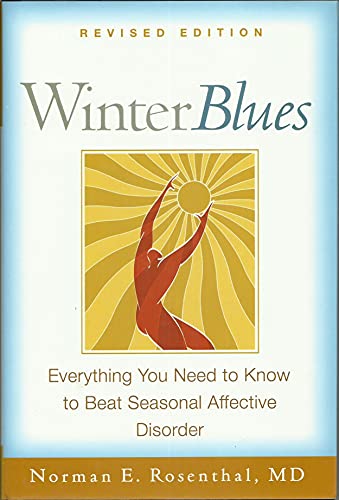
Winter Blues: Everything You Need to Know to Beat Seasonal Affective Disorder
Copyright © 2013 Norman E. Rosenthal All rights reserved. ISBN: 978-1-60918-185-7 · Cover, Praise for Winter Blues, Title Page, Copyright Page, Preface, Introduction, Part I Seasonal Syndromes, ONE Di

Nature's Way Perika St. John’s Wort, Pack of 3
Perika Difference: The patented Perika extract (WS 5570) is standardized to hyperforin - one of the key mood enhancing actives found in St. John's Wort.* HyperiSure System Stabilizing Technology:

Life Extension Optimized Saffron Extract with Satiereal, 90 Vegetarian Capsules
Organic Saffron Extract: Optimized Extract with Safromotivines, Safranal, and Crocins – Clinically Studied | Premium Persian Sargol Quality | Supports Mood, Calmness, and Relaxation – 30 Servings
Health Disclaimer
This content is for informational purposes only and does not constitute medical advice. Always consult a qualified healthcare provider before starting, stopping, or changing any supplement or medication regimen.