

Panic Disorder and Cognitive Behavioral Therapy (CBT)
Panic disorder is characterized by recurrent, unexpected panic attacks—sudden surges of intense fear with symptoms such as racing heart, shortness of breath, chest discomfort, dizziness, and a sense of impending doom—followed by persistent worry about future attacks and avoidance of situations that might trigger them. Modern clinical models highlight three interconnected mechanisms: heightened fight‑or‑flight arousal, catastrophic misinterpretation of benign bodily sensations (for example, “my racing heart means I’m having a heart attack”), and interoceptive conditioning in which internal sensations become cues for fear. Cognitive behavioral therapy (CBT) directly targets these mechanisms using a structured, time‑limited approach. Cognitive restructuring helps people identify and test catastrophic thoughts, reducing fear of normal bodily changes. Interoceptive exposure safely elicits feared sensations (e.g., spinning to induce dizziness or paced stair climbing to elevate heart rate) so the body relearns that these feelings are uncomfortable but not dangerous. In‑vivo exposure gradually reintroduces avoided places (crowds, public transit), undoing fear‑driven avoidance. Breathing and relaxation training support regulation, particularly for those prone to hyperventilation, while relapse prevention consolidates skills, plans for setbacks, and reduces reliance on “safety behaviors.” The evidence base for CBT in panic disorder is strong. Meta‑analyses and guidelines conclude that CBT outperforms waitlist and psychological placebos, and performs comparably to first‑line medications (e.g., SSRIs/SNRIs) in the acute phase, with better durability after treatment ends. Typical courses last 8–14 sessions, often weekly, with many patients achieving substantial reductions in panic frequency, distress, and avoidance. Gains are generally maintained at follow‑up, particularly when exposure components are emphasized. Better outcomes are associated with good homework adherence, a “
Updated September 8, 2026This content is for informational purposes only and does not constitute medical advice. Always consult a qualified healthcare provider before starting, stopping, or changing any supplement or medication regimen.
Overlapping Treatments
Selective serotonin reuptake inhibitors (SSRIs)
Strong EvidenceCan stabilize symptoms to facilitate CBT participation and learning (e.g., tolerating exposures).
Reduce panic frequency and anticipatory anxiety in acute treatment.
Side effects and discontinuation symptoms are possible; relapse risk may increase after stopping without ongoing skills practice.
Serotonin–norepinephrine reuptake inhibitors (SNRIs)
Moderate EvidenceSimilar to SSRIs in supporting engagement with CBT.
Effective for panic symptoms in some patients.
Activation or blood pressure effects can occur; tapering requires medical supervision.
Short-term benzodiazepines
Moderate EvidenceMay reduce acute arousal to attend sessions in early phases.
Rapid symptom relief for severe panic.
Risk of dependence and cognitive slowing; may blunt exposure learning and is generally not favored during exposure phases.
Mindfulness-based interventions (e.g., MBSR/MBCT-informed)
Moderate EvidenceEnhance decentering and tolerance of sensations, complementing cognitive and exposure work.
Reduce overall anxiety and distress reactivity.
Not a substitute for exposure; best used as an adjunct. Practice should be titrated to avoid avoidance-by-meditation.
Aerobic exercise
Moderate EvidenceCan be used as interoceptive exposure (safe induction of somatic cues), reinforcing learning.
Improves anxiety and mood; may reduce panic vulnerability.
High-intensity exercise can initially trigger sensations; gradual pacing and medical clearance when indicated.
Breathing retraining (e.g., slow diaphragmatic, capnometry-assisted)
Moderate EvidenceSupports regulation during and between exposures; aligns with interoceptive targets.
Addresses hyperventilation and dyspnea common in panic.
Overemphasis as a safety behavior can undermine exposure; instruction by trained clinicians is helpful.
Digital/Guided self-help CBT
Moderate EvidenceExtends access and supports homework between sessions.
Reduces panic symptoms, especially with clinician support.
Generally smaller effects than therapist-delivered CBT; adherence is key.
Medical Perspectives
Two Ways of Seeing Health

Western
scientific · clinical
Western medicine applies science, technology, and clinical experience to treat symptoms through testing, diagnosis, and targeted intervention.
Surgeons · Pharmaceuticals · Clinical trials · Diagnostics 
Eastern
traditional · alternative
Eastern medicine focuses on treating the body naturally by applying traditional knowledge practiced for thousands of years, emphasizing balance and whole-person wellness.
Acupuncture · Herbal medicine · Yoga · Meditation
Gold Bamboo presents both perspectives side-by-side so you can make informed decisions. We don't advocate for one over the other — your health choices are yours.
Two Ways of Seeing Health
Western
scientific · clinical
Western medicine applies science, technology, and clinical experience to treat symptoms through testing, diagnosis, and targeted intervention.
Eastern
traditional · alternative
Eastern medicine focuses on treating the body naturally by applying traditional knowledge practiced for thousands of years, emphasizing balance and whole-person wellness.
Gold Bamboo presents both perspectives side-by-side so you can make informed decisions. We don't advocate for one over the other — your health choices are yours.
Western Perspective
Western clinical medicine views panic disorder as a treatable anxiety disorder maintained by misinterpreted interoceptive cues and avoidance. CBT is a first-line, mechanism-focused treatment that modifies catastrophic beliefs and extinguishes conditioned fear through interoceptive and situational exposure.
Key Insights
- CBT outperforms waitlist and psychological placebos and is comparable to antidepressants acutely, with superior durability after treatment ends.
- Interoceptive exposure is a key ingredient; omitting exposure reduces treatment effectiveness.
- Combining CBT with antidepressants can help some patients, but benzodiazepines may hinder exposure learning and are generally not preferred during active exposure.
- Adherence to homework, therapist expertise with exposure, and addressing safety behaviors predict better outcomes; severe comorbidity or high avoidance may require longer or more intensive care.
Treatments
- CBT modules: psychoeducation, cognitive restructuring, interoceptive and in‑vivo exposure, breathing/relaxation skills, relapse prevention
- Pharmacotherapy: SSRIs/SNRIs as first-line; cautious, short-term benzodiazepines when indicated
- Adjuncts: mindfulness-based strategies, aerobic exercise, digital CBT support
Deep Dive
From a western clinical perspective, panic disorder arises when normal bodily fluctuations are misinterpreted as signs of catastrophe, setting o... From a western clinical perspective, panic disorder arises when normal bodily fluctuations are misinterpreted as signs of catastrophe, setting off a positive feedback loop of sympathetic arousal and fear. People begin to fear the sensations themselves—racing heart, breathlessness, dizziness—and avoid contexts where they might occur. CBT is designed to break this loop by changing what the sensations mean and how a person responds to them. It starts with clear psychoeducation about the fight‑or‑flight system and how panic becomes conditioned. Cognitive restructuring then targets overestimates of danger and underestimates of coping ability, using collaborative empiricism and behavioral experiments. The centerpiece is exposure: interoceptive exercises safely reproduce feared sensations so the nervous system can learn new associations, while in‑vivo exposure reverses avoidance and restores functioning. Breathing and relaxation skills support tolerance and reduce hyperventilation in those for whom it is prominent, used as tools rather than safety crutches. Finally, relapse prevention consolidates learning and plans for future stressors. Evidence from randomized trials and meta‑analyses indicates that CBT is superior to waitlist and pill/placebo controls, and similar in acute efficacy to first‑line antidepressants, with advantages in maintaining gains once treatment ends. Guidelines recommend exposure‑inclusive CBT as a first‑line option, either alone or combined with medication depending on severity, preference, and access. Combining CBT with SSRIs/SNRIs may help some patients engage, though long‑term maintenance of skills matters for relapse prevention. Caution is advised with benzodiazepines, as they can dampen arousal but may also interfere with fear extinction learning. Factors predicting good response include strong engagement with homework, therapist competence in exposure, and targeting safety behaviors. Comorbidity and high avoidance can slow progress, calling for flexible pacing, more sessions, or stepped‑care augmentation (e.g., digital supports, exercise, mindfulness).
Sources
- NICE. Generalised anxiety disorder and panic disorder in adults: management (CG113). 2011/updated.
- Pompoli A et al. Psychological therapies for panic disorder in adults: network meta-analysis. Cochrane Database Syst Rev. 2016.
- Hofmann SG, Smits JAJ. CBT for adult anxiety disorders: meta-analysis of RCTs. J Clin Psychiatry. 2008.
- Batelaan NM et al. Relapse after antidepressant discontinuation in anxiety disorders: meta-analysis. Psychol Med. 2017.
- Meuret AE et al. Capnometry-assisted respiratory training for panic disorder: RCT. J Consult Clin Psychol. 2008.
- Westra HA et al. Benzodiazepines and CBT outcomes: associations with poorer exposure learning. J Consult Clin Psychol. 2004.
Eastern Perspective
Eastern and traditional systems frame panic as a disturbance of mind–body balance. In Traditional Chinese Medicine, patterns such as Heart–Shen disturbance or Liver Qi constraint may underlie palpitations and fear; in Ayurveda, chittodvega (anxiety) involves aggravated Vata affecting the mind and prana (breath). Practices emphasize restoring regulation through breath, movement, attention, and botanicals that calm the nervous system.
Key Insights
- Breath regulation (pranayama, slow diaphragmatic breathing) is used to settle autonomic arousal and counter hyperventilation, aligning with CBT’s interoceptive targets.
- Mindfulness cultivates nonjudgmental awareness, reducing catastrophic appraisal of sensations and complementing cognitive restructuring.
- Yoga integrates gentle movement with breath to improve interoceptive accuracy and tolerance, which can support exposure work.
- Acupuncture and selected herbs are traditionally used to ‘calm the Shen’ or pacify Vata; preliminary studies suggest anxiolytic effects, but evidence specific to panic is limited.
Treatments
- Mindfulness-based practice (MBSR/MBCT-informed), integrated with CBT homework
- Yoga therapy emphasizing gentle asana and paced breathing
- Breathwork/pranayama under guidance
- Acupuncture tailored to pattern diagnosis; traditional calming formulas or botanicals used cautiously and under qualified supervision
Deep Dive
Traditional and integrative perspectives conceptualize panic as a disharmony of mind and body reflected in breath, heart rhythm, and attention. ... Traditional and integrative perspectives conceptualize panic as a disharmony of mind and body reflected in breath, heart rhythm, and attention. In TCM, disturbances of the Heart–Shen or constraint of Liver Qi can manifest as palpitations, restlessness, and fear; treatment aims to calm the Shen and restore smooth flow using acupuncture and herbal approaches individualized to the person’s pattern. Ayurveda describes heightened Vata contributing to chittodvega (anxiety), with therapy emphasizing stabilization through breath (pranayama), routine, grounding nutrition, and botanicals under guidance. These frameworks, though different from western nosology, converge on practical methods that regulate arousal and reshape one’s relationship with internal sensations. Mindfulness practices cultivate nonjudgmental awareness, helping individuals notice bodily cues without catastrophic labels—synergistic with CBT’s cognitive and exposure strategies. Yoga combines gentle postures with slow, nasal, diaphragmatic breathing to improve autonomic balance and interoceptive tolerance. Breathwork is central: lengthening the exhale or practicing alternate‑nostril breathing can downshift arousal and counter tendencies toward hyperventilation. Emerging evidence supports these practices for anxiety reduction, though panic‑specific trials are fewer than for generalized anxiety. Acupuncture is traditionally used to calm the nervous system; small studies suggest anxiolytic effects, but rigorous panic‑focused data remain limited. Many integrative clinicians blend these approaches with CBT, using breath and mindfulness to prepare for exposure, and gentle movement to reintroduce exercise sensations in a controlled way. Across traditions, the message is aligned: with structured practice and compassionate attention to the body’s signals, fear of sensations can give way to confidence and flexibility.
Sources
- Goyal M et al. Meditation programs for psychological stress: systematic review and meta-analysis. JAMA Intern Med. 2014.
- Khoury B et al. Mindfulness-based therapy: meta-analysis. Clin Psychol Rev. 2013.
- Cramer H et al. Yoga for anxiety: systematic review and meta-analysis. Depress Anxiety. 2018.
- Pilkington K et al. Acupuncture for anxiety disorders: systematic review. Acupunct Med. 2007.
- Nivethitha L et al. Physiological effects of pranayama: review. Evid Based Complement Alternat Med. 2016.
Evidence Ratings
CBT is superior to waitlist/psychological placebo for panic disorder.
Pompoli A et al. Cochrane Database Syst Rev. 2016.
CBT has similar acute efficacy to antidepressants, with more durable benefits post-treatment.
Hofmann SG, Smits JAJ. J Clin Psychiatry. 2008; Batelaan NM et al. Psychol Med. 2017.
Interoceptive exposure is a critical component; omitting exposure reduces effectiveness.
NICE CG113 (2011, updated); Panic-focused CBT manuals/trials summarized therein.
Benzodiazepines may interfere with exposure learning and are generally not preferred during exposure phases.
Westra HA et al. J Consult Clin Psychol. 2004.
Breathing retraining, especially capnometry-assisted, can reduce panic symptoms.
Meuret AE et al. J Consult Clin Psychol. 2008.
Mindfulness-based interventions reduce anxiety symptoms and can complement CBT.
Goyal M et al. JAMA Intern Med. 2014; Khoury B et al. Clin Psychol Rev. 2013.
Yoga may reduce anxiety and improve regulation relevant to panic, though evidence is less specific.
Cramer H et al. Depress Anxiety. 2018.
Acupuncture has traditional use and limited empirical support for anxiety; panic-specific data are sparse.
Pilkington K et al. Acupunct Med. 2007.
Sources
- NICE. Generalised anxiety disorder and panic disorder in adults: management (CG113). London: National Institute for Health and Care Excellence; 2011 (updates cited online).
- Pompoli A, Furukawa TA, Imai H, Tajika A, Efthimiou O, Salanti G, Chaimani A. Psychological therapies for panic disorder in adults: a network meta-analysis. Cochrane Database Syst Rev. 2016;4:CD011004.
- Hofmann SG, Smits JAJ. Cognitive-behavioral therapy for adult anxiety disorders: a meta-analysis of randomized placebo-controlled trials. J Clin Psychiatry. 2008;69(4):621-632.
- Batelaan NM, Bosman RC, Muntingh AD, et al. Risk of relapse after antidepressant discontinuation in anxiety disorders: a systematic review and meta-analysis. Psychol Med. 2017;47(14):2408-2416.
- Meuret AE, Wilhelm FH, Ritz T, Roth WT. Breathing training for panic disorder: a randomized controlled trial using capnometry-assisted respiratory training. J Consult Clin Psychol. 2008;76(5):735-745.
- Westra HA, Stewart SH, Conrad BE. Naturalistic manner of benzodiazepine use and cognitive behavioral therapy outcome in panic disorder with agoraphobia. J Consult Clin Psychol. 2002;70(2):417-424.
- Goyal M, Singh S, Sibinga EM, et al. Meditation programs for psychological stress and well-being: a systematic review and meta-analysis. JAMA Intern Med. 2014;174(3):357-368.
- Khoury B, Lecomte T, Fortin G, et al. Mindfulness-based therapy: a comprehensive meta-analysis. Clin Psychol Rev. 2013;33(6):763-771.
- Cramer H, Lauche R, Langhorst J, Dobos G. Yoga for anxiety: a systematic review and meta-analysis of randomized controlled trials. Depress Anxiety. 2018;35(9):830-843.
- Pilkington K, Kirkwood G, Rampes H, Richardson J. Acupuncture for anxiety and anxiety disorders – a systematic literature review. Acupunct Med. 2007;25(1-2):1-10.
- Clark DM. A cognitive approach to panic. Behav Res Ther. 1986;24(4):461-470.
- Barlow DH, Craske MG. Mastery of Your Anxiety and Panic (MAP-4): Therapist Guide. Oxford University Press; 2006.
Related Topics
Recommended Products
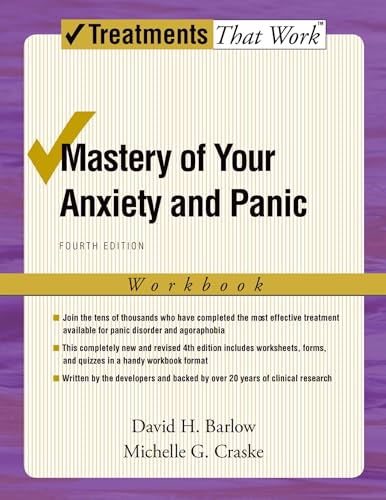
Mastery of Your Anxiety and Panic: Fourth Edition (Treatments That Work)
Now in its 4th edition, Mastery of Your Anxiety and Panic, Workbook has been <strong>updated to include strategie and techniques for dealing with both panic disorder and agoraphobia</strong>. Michelle
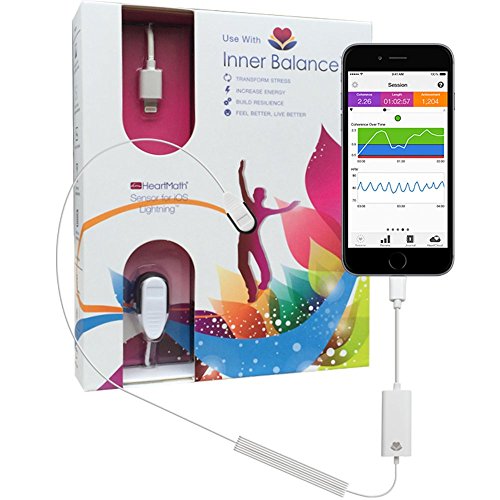
HeartMath Inner Balance Lightning
Research shows that when we are ... improved cognitive function. Inner Balance <strong>uses HeartMath's patented technology to monitor the subtle beat-to-beat changes in your heart rhythms</stron
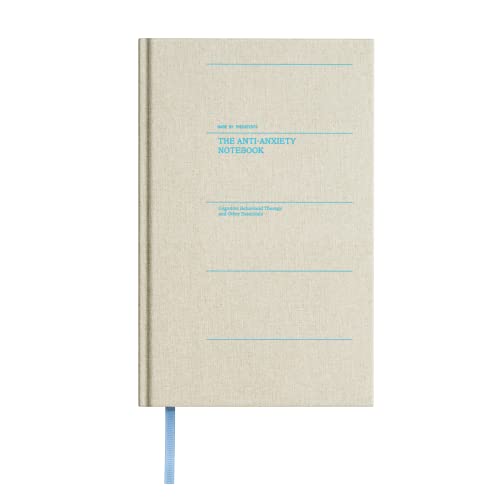
The Anti-Anxiety Notebook: Cognitive Behavioral Therapy and Other Essentials: Tamir, Hod, Brenner, Rachel E., Hu, Diana, Strickland, Emory, Nahman, Haley
<strong>This guided journal is based on Cognitive Behavioral Therapy, a rigorously-tested and widely-used treatment for anxiety</strong>. Made by expert therapists, this journal is filled with structu
Health Disclaimer
This content is for informational purposes only and does not constitute medical advice. Always consult a qualified healthcare provider before starting, stopping, or changing any supplement or medication regimen.