

Osteoarthritis and Glucosamine
Osteoarthritis (OA) is the most common form of arthritis and a leading cause of pain and disability worldwide. It involves progressive loss of articular cartilage, remodeling and sclerosis of subchondral bone, osteophyte formation, varying degrees of low-grade synovitis, and changes in periarticular muscles and ligaments. People typically experience joint pain that worsens with use, brief morning stiffness, swelling, crepitus, and reduced mobility. Knees, hips, hands, and spine are commonly affected. Prevalence rises with age and body weight; knee OA alone affects a substantial proportion of adults over 60 and impacts work, daily activities, and quality of life. Glucosamine is an amino sugar the body uses to build glycosaminoglycans and proteoglycans in cartilage and synovial fluid. Supplements most often come as glucosamine sulfate (GS) or glucosamine hydrochloride (GHCl). Some clinical trials suggest that prescription‑grade crystalline glucosamine sulfate may modestly reduce knee OA pain and improve function over months, while large independent trials using glucosamine hydrochloride generally show no meaningful benefit. Glucosamine is typically derived from shellfish shells, though non‑shellfish and vegetarian sources exist. Products are sold alone or combined with chondroitin, MSM, or other joint ingredients, in tablets, capsules, powders, or liquids. Across randomized trials and meta‑analyses, findings are mixed. The large NIH‑funded GAIT trial found no overall benefit for glucosamine hydrochloride versus placebo in knee OA, though a subgroup with more severe pain improved. Several European trials of prescription‑grade crystalline glucosamine sulfate reported small improvements in pain and function and, in some cases, slower radiographic joint‑space narrowing over years. Pooled analyses differ: some show little to no clinically important effect, while others suggest small benefits, particularly for the crystalline sulfate form. When benefits occur, they tendto
Updated September 8, 2026This content is for informational purposes only and does not constitute medical advice. Always consult a qualified healthcare provider before starting, stopping, or changing any supplement or medication regimen.
Medical Perspectives
Two Ways of Seeing Health

Western
scientific · clinical
Western medicine applies science, technology, and clinical experience to treat symptoms through testing, diagnosis, and targeted intervention.
Surgeons · Pharmaceuticals · Clinical trials · Diagnostics 
Eastern
traditional · alternative
Eastern medicine focuses on treating the body naturally by applying traditional knowledge practiced for thousands of years, emphasizing balance and whole-person wellness.
Acupuncture · Herbal medicine · Yoga · Meditation
Gold Bamboo presents both perspectives side-by-side so you can make informed decisions. We don't advocate for one over the other — your health choices are yours.
Two Ways of Seeing Health
Western
scientific · clinical
Western medicine applies science, technology, and clinical experience to treat symptoms through testing, diagnosis, and targeted intervention.
Eastern
traditional · alternative
Eastern medicine focuses on treating the body naturally by applying traditional knowledge practiced for thousands of years, emphasizing balance and whole-person wellness.
Gold Bamboo presents both perspectives side-by-side so you can make informed decisions. We don't advocate for one over the other — your health choices are yours.
Western Perspective
Western medicine views glucosamine as a symptomatic slow‑acting agent with inconsistent efficacy for osteoarthritis. Evidence quality varies by formulation: trials of prescription‑grade crystalline glucosamine sulfate (pCGS) show small benefits in some studies, whereas glucosamine hydrochloride (GHCl) usually performs no better than placebo. Major North American and international guidelines largely recommend against routine use because average effects are small and inconsistent across independent trials, though European experts note potential value of pCGS for selected patients.
Key Insights
- OA pathology includes cartilage matrix loss, subchondral bone changes, osteophytes, and low‑grade inflammation; pain results from multiple tissues, not cartilage alone.
- GAIT (large, independent RCT) found no overall advantage for GHCl ± chondroitin vs placebo; a moderate‑to‑severe pain subgroup improved.
- Multiple RCTs of pCGS reported modest symptom relief and, in some, less joint‑space narrowing over 3 years; replication outside sponsor‑linked trials is limited.
- Meta‑analyses diverge: some show small or no clinically important effect overall; heterogeneity relates to formulation, study quality, and sponsorship.
- Safety profile is generally favorable; concerns include rare warfarin interaction signals and product quality variability.
Treatments
- Core: exercise therapy, physical therapy, strength training, weight management
- Pharmacologic: topical/oral NSAIDs, intra‑articular corticosteroid injections, duloxetine, topical capsaicin
- Adjuncts sometimes used: glucosamine (select patients), chondroitin, knee bracing, assistive devices
Deep Dive
From a western clinical standpoint, osteoarthritis is a complex, whole‑joint disease marked by progressive cartilage matrix breakdown, subchondr... From a western clinical standpoint, osteoarthritis is a complex, whole‑joint disease marked by progressive cartilage matrix breakdown, subchondral bone remodeling, osteophyte formation, and a background of low‑grade inflammation. This multifactorial pathophysiology helps explain why focusing solely on cartilage ‘building blocks’ has not consistently translated into symptom relief. Glucosamine, an amino sugar integral to glycosaminoglycan and proteoglycan synthesis, seemed a plausible candidate to support cartilage. Yet the clinical literature is divergent, and results depend heavily on the formulation tested. The large, independent NIH‑funded GAIT trial using glucosamine hydrochloride found no overall advantage over placebo for knee OA pain or function, though a subgroup with moderate‑to‑severe pain improved. In contrast, several European randomized trials of prescription‑grade crystalline glucosamine sulfate (pCGS) reported modest improvements in symptoms over months and, in some cases, less radiographic joint‑space narrowing over years. Meta‑analyses that pool different formulations and trial qualities frequently conclude that average benefits are small or clinically unimportant. Consequently, leading guidelines from the American College of Rheumatology, the American Academy of Orthopaedic Surgeons, and OARSI advise against routine glucosamine use, while the ESCEO algorithm allows pCGS as an option in selected patients. Safety signals are generally favorable, with gastrointestinal upset the most common complaint. Observational signals of a warfarin interaction prompt caution and monitoring in anticoagulated patients. Despite longstanding concerns, most clinical studies have not shown meaningful effects on fasting glucose or HbA1c, though individualized monitoring remains prudent in diabetes. Product quality and standardization are practical concerns; over‑the‑counter supplements vary in content and may not match formulations used in positive trials. In practice, glucosamine may be considered as an adjunct when first‑line measures—exercise therapy, weight reduction, and topical/oral NSAIDs when appropriate—are insufficient or poorly tolerated. Expectations should remain modest, benefits (if any) may take weeks to months to emerge, and periodic re‑evaluation helps determine ongoing value within a comprehensive OA care plan.
Sources
- Clegg DO et al. N Engl J Med. 2006;354:795-808 (GAIT).
- Wandel S et al. BMJ. 2010;341:c4675.
- Reginster JY et al. Lancet. 2001;357:251-256.
- Pavelka K et al. Arch Intern Med. 2002;162:2113-2123.
- Kolasinski SL et al. Arthritis Care Res. 2020;72:149-162 (ACR guideline).
- AAOS CPG: Management of Osteoarthritis of the Knee (Non‑Arthroplasty), 2021.
- Bannuru RR et al. OARSI guidelines. Osteoarthritis Cartilage. 2019;27:1578-1589.
- Bruyère O et al. ESCEO algorithm update. Semin Arthritis Rheum. 2019;49:337-350.
Eastern Perspective
Traditional systems frame osteoarthritis as a disorder of obstruction and depletion. In Traditional Chinese Medicine (TCM), OA aligns with Bi syndrome—wind‑cold‑damp invasion and Qi/Blood stasis atop age‑related deficiency of Liver and Kidney, which ‘nourish the sinews and bones.’ Ayurveda describes Sandhivata, in which aggravated Vata with tissue undernourishment leads to joint degeneration and pain. Glucosamine is not a classical remedy in these traditions, but integrative practitioners may view it as a nutritive adjunct that ‘builds’ joint matrix while core therapies move stagnation, reduce inflammation, and restore balance.
Key Insights
- TCM aims to dispel wind‑damp, warm channels, move Blood, and tonify Liver/Kidney; acupuncture and herbal formulas are common.
- Ayurveda focuses on calming Vata, lubricating joints (snehana), cleansing (panchakarma, when appropriate), and Rasayana tonics (e.g., Ashwagandha, Boswellia, Guggulu).
- Naturopathic and integrative care emphasize anti‑inflammatory diet patterns, weight reduction, exercise, and joint nutraceuticals (glucosamine, chondroitin, MSM) as adjuncts.
- Evidence supporting acupuncture and some botanicals (e.g., Boswellia, curcumin) for knee OA symptoms is moderate; evidence for glucosamine varies by form.
Treatments
- TCM: acupuncture; Du Huo Ji Sheng Tang or similar Bi‑syndrome formulas; topical herbal liniments
- Ayurveda: Abhyanga (oil massage), Basti (medicated enemas) when indicated, Guggulu and Boswellia preparations, yoga/therapeutic movement
- Integrative: anti‑inflammatory diet patterns, tai chi/qigong, weight loss, physical therapy; glucosamine as adjunct when tolerated
Deep Dive
Traditional and integrative frameworks approach osteoarthritis through the lenses of obstruction and depletion. In Traditional Chinese Medicine,... Traditional and integrative frameworks approach osteoarthritis through the lenses of obstruction and depletion. In Traditional Chinese Medicine, OA corresponds to Bi syndrome: external wind‑cold‑damp obstruct channels while age‑related Liver and Kidney deficiency weakens the sinews and bones. Treatment aims to move Blood, dispel dampness, warm the channels, and tonify underlying deficiency. Acupuncture, movement therapies (tai chi, qigong), and herbal formulas such as Du Huo Ji Sheng Tang are commonly employed. Evidence for acupuncture suggests modest pain relief and functional gains in knee OA, aligning with a multimodal strategy. Ayurveda views OA (Sandhivata) as Vata aggravation with drying and degeneration of tissues (dhatus). Care seeks to pacify Vata, restore lubrication (snehana), and rebuild through Rasayana. Therapies such as Abhyanga (oil massage), Basti (when indicated), and botanicals like Boswellia and Guggulu are used; contemporary studies report symptom improvements for some of these agents. Naturopathic practice emphasizes anti‑inflammatory dietary patterns, weight reduction, graded exercise, manual therapies, and nutraceuticals. Within these paradigms, glucosamine is not a classical herb but can be understood as a ‘building’ adjunct that nourishes joint structures while other therapies address inflammation, circulation, and biomechanics. Integrative clinicians often individualize care: combining movement therapies with weight management, mind‑body practices for pain coping, topical or internal botanicals, and, where appropriate, a trial of glucosamine—preferably in a consistent, high‑quality form—while monitoring for benefit over time. This approach respects patient preference and the generally favorable safety profile of glucosamine, yet acknowledges the mixed clinical evidence and the central role of lifestyle, strengthening, and alignment in sustainable OA management.
Sources
- NCCIH. Glucosamine and Chondroitin: In Depth (updated 2022).
- Manheimer E et al. Cochrane Database Syst Rev. 2010;(1):CD007978 (acupuncture for OA).
- T. Kizhakkeveettil et al. J Altern Complement Med. 2011;17:543-552 (Ayurveda for OA; overview).
- Ammon HP. Phytomedicine. 2016;23:105-108 (Boswellia review).
- Henrotin Y et al. Nutrients. 2021;13: (naturopathic nutraceuticals review).
Evidence Ratings
Glucosamine hydrochloride does not improve knee OA pain or function versus placebo in large independent trials.
Clegg DO et al. N Engl J Med. 2006;354:795-808 (GAIT).
Prescription-grade crystalline glucosamine sulfate can yield small improvements in knee OA symptoms over months in some RCTs.
Reginster JY et al. Lancet. 2001;357:251-256; Pavelka K et al. Arch Intern Med. 2002;162:2113-2123.
Pooled analyses often find little to no clinically important benefit of glucosamine overall for hip/knee OA.
Wandel S et al. BMJ. 2010;341:c4675.
Some long‑term trials of glucosamine sulfate reported slower radiographic joint‑space loss, but findings are inconsistent across studies.
Reginster JY et al. Lancet. 2001;357:251-256; Sawitzke AD et al. Arthritis Rheum. 2008 (structural outcomes not confirmed).
Major guidelines recommend against routine glucosamine use for knee OA due to inconsistent efficacy.
Kolasinski SL et al. Arthritis Care Res. 2020;72:149-162; AAOS Knee OA CPG 2021; OARSI 2019.
European experts allow prescription crystalline glucosamine sulfate as a symptomatic slow‑acting option in selected patients.
Bruyère O et al. Semin Arthritis Rheum. 2019;49:337-350 (ESCEO).
Glucosamine is generally well tolerated; occasional gastrointestinal upset is the most common complaint.
NCCIH. Glucosamine and Chondroitin: In Depth (2022).
Case reports suggest a potential interaction with warfarin, warranting caution and INR monitoring.
Medsafe NZ. Warfarin and glucosamine interaction safety communication (2019).
Sources
- Clegg DO et al. Glucosamine, chondroitin sulfate, and the two in combination for painful knee osteoarthritis. N Engl J Med. 2006;354:795-808.
- Wandel S et al. Effects of glucosamine, chondroitin, or placebo in patients with osteoarthritis of hip or knee: network meta-analysis. BMJ. 2010;341:c4675.
- Reginster JY et al. Long-term effects of glucosamine sulfate on osteoarthritis progression. Lancet. 2001;357:251-256.
- Pavelka K et al. Glucosamine sulfate use and delay of progression of knee osteoarthritis. Arch Intern Med. 2002;162:2113-2123.
- Kolasinski SL et al. 2019 ACR/AF Guideline for the Management of Osteoarthritis. Arthritis Care Res. 2020;72:149-162.
- American Academy of Orthopaedic Surgeons. Management of Osteoarthritis of the Knee (Non‑Arthroplasty), 3rd ed. 2021.
- Bannuru RR et al. OARSI guidelines for the nonsurgical management of knee, hip, and polyarticular osteoarthritis. Osteoarthritis Cartilage. 2019;27:1578-1589.
- Bruyère O et al. An updated algorithm recommendation for the management of knee osteoarthritis from ESCEO. Semin Arthritis Rheum. 2019;49:337-350.
- NCCIH. Glucosamine and Chondroitin: In Depth. Updated 2022.
- Medsafe New Zealand. Warfarin – interaction with glucosamine and/or chondroitin. Safety communication, 2019.
- American Academy of Allergy, Asthma & Immunology (AAAAI). Ask the Expert: Glucosamine and shellfish allergy (advisory).
Related Topics
Recommended Products
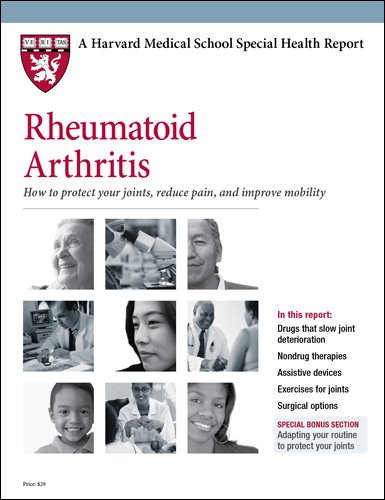
Harvard Medical School: Rheumatoid Arthritis How to protect your joints, reduce pain, and improve mobility (Harvard Medical School Special Health Reports): Robert Shmerling MD, Anne Underwood, Scott Leighton, Alayna Paquette
Harvard Medical School: Rheumatoid Arthritis How to protect your joints, reduce pain, and improve mobility (Harvard Medical School Special Health Reports) [Robert Shmerling MD, Anne Underwood, Scott L

Dona Crystalline Glucosamine Sulfate, 1500 Mg, Joint Supplement Pills for Knee Comfort & Joint Health Support, 1500 Mg, 60 Count
Glucosamine sulfate has been studied ... STRENGTHEN AND MOBILIZE - <strong>Dona is the original Crystalline Glucosamine Sulfate that has been shown effective in two 3-year controlled clinical studies<
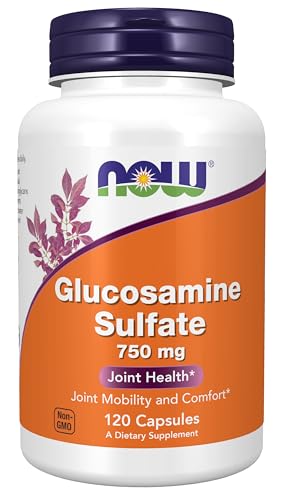
NOW Foods Supplements, Glucosamine Sulfate 750 mg, with UL Dietary Supplement Certification, 240 Veg Capsules
Buy NOW Foods Supplements, Glucosamine Sulfate 750 mg, with UL Dietary Supplement Certification, 240 Veg Capsules on Amazon.com ✓ FREE SHIPPING on qualified orders
Health Disclaimer
This content is for informational purposes only and does not constitute medical advice. Always consult a qualified healthcare provider before starting, stopping, or changing any supplement or medication regimen.