

Obesity and Osteoarthritis
Obesity and osteoarthritis (OA) are two highly prevalent conditions that frequently travel together. Understanding how they interact can help individuals and clinicians tailor prevention and care. Epidemiologically, excess body weight is one of the strongest modifiable risk factors for knee OA, with risk rising in a dose-response fashion from overweight to severe obesity. Associations are also seen for hip OA (more modestly) and even hand OA, suggesting that factors beyond joint loading—such as low-grade systemic inflammation—contribute. Women and older adults are most affected, and elevated risk begins at BMI levels considered overweight, increasing further at BMI ≥30. Two main pathways link obesity and OA. First, mechanical load: additional body mass increases compressive and shear forces across weight-bearing joints, worsens malalignment, and can accelerate cartilage degeneration and meniscal damage. Second, metabolic and inflammatory effects: adipose tissue produces adipokines (such as leptin) and pro-inflammatory cytokines (like IL-6 and TNF-α) that may promote synovial inflammation, cartilage matrix breakdown, and subchondral bone changes—even in non–weight-bearing joints like the hands. Evidence favors both independent and interacting effects, where metabolic inflammation can amplify the impact of biomechanical stress. Weight change alters the course of disease. Clinical trials show that structured weight loss—through dietary changes and exercise—improves pain and function in knee OA, with larger and more sustained benefits at weight loss of about 10% or more. Exercise (aerobic and strength training) reduces pain and disability and supports weight management. Anti-obesity pharmacotherapies, including GLP-1–based agents, substantially reduce weight and, in recent research, improved knee OA pain and function compared with placebo. Bariatric surgery yields large, rapid weight loss and often meaningful symptom relief; some studies suggest it may reduce the need
Updated September 8, 2026This content is for informational purposes only and does not constitute medical advice. Always consult a qualified healthcare provider before starting, stopping, or changing any supplement or medication regimen.
Shared Risk Factors
Ageing
Strong EvidenceAdvancing age increases the likelihood of both adiposity (via metabolic slowing and sarcopenia) and osteoarthritis (via cumulative joint wear, reduced repair capacity).
Female sex and hormonal milieu
Moderate EvidenceWomen have higher prevalence of obesity in many populations and higher symptomatic knee OA; post-menopausal hormonal changes may influence both adiposity distribution and joint tissues.
Physical inactivity/sedentary behavior
Strong EvidenceLow activity contributes to positive energy balance and obesity, and weakens periarticular muscles, increasing joint load and OA symptoms.
Metabolic syndrome/insulin resistance
Moderate EvidenceClusters of dyslipidemia, hypertension, and insulin resistance are linked with obesity and with OA incidence and severity, suggesting metabolic inflammation pathways.
Prior joint injury and adverse biomechanics
Strong EvidenceInjury (e.g., meniscal/ACL) and malalignment raise OA risk and can reduce activity levels, predisposing to obesity.
Low muscle strength/sarcopenic obesity
Emerging ResearchLow muscle mass with excess fat impairs joint support and metabolic health, worsening load and inflammation.
Comorbidity Data
Prevalence
Obesity approximately doubles to quadruples the risk of knee OA; meta-analyses show a dose-response increase from overweight (BMI 25–29.9) to obesity (BMI ≥30). Associations for hip OA are smaller but present; for hand OA, pooled estimates suggest a modest increased odds (~1.2–1.5). In US cohorts, roughly one-third to over 40% of adults with knee OA meet criteria for obesity. Population-attributable fractions suggest that 20–50% of incident knee OA may be due to excess body weight, varying by sex and population.
Mechanistic Link
Two interacting pathways: (1) Biomechanical loading increases compressive and shear forces, particularly at the knee, magnifying with malalignment; (2) Metabolic inflammation from adipokines (e.g., leptin) and cytokines (IL-6, TNF-α) promotes synovial inflammation and cartilage matrix degradation, explaining links with non–weight-bearing joints.
Clinical Implications
Screening and management of weight, metabolic comorbidities, and physical function are central in OA care. Even modest weight loss and strengthening can reduce pain and improve function; larger weight loss may slow progression. Pharmacologic obesity treatments and bariatric surgery can be considered case-by-case to reduce OA burden. Joint-specific strategies (e.g., knee unloading) remain important.
Sources (6)
- Blagojevic M et al. Osteoarthritis Cartilage. 2010;18(1):24-33.
- Jiang L et al. Joint Bone Spine. 2011;78(2):150-155.
- Yusuf E et al. Ann Rheum Dis. 2010;69(4):761-765.
- Glyn-Jones S et al. Lancet. 2015;386(9991):376-387.
- CDC. Obesity prevalence (2022 update).
- Losina E et al. Arthritis Care Res. 2012;64(3):465-474.
Overlapping Treatments
Structured weight-management programs (dietary change + behavioral counseling)
Strong EvidenceProduces clinically meaningful weight loss across diverse populations.
Reduced joint load and systemic inflammation improve pain and function; larger losses (~10%+) yield greater benefit.
Requires sustained support; weight regain is common without long-term follow-up.
Exercise therapy (aerobic + strengthening, including neuromuscular training)
Strong EvidenceIncreases energy expenditure, preserves lean mass, and supports weight control.
Consistently reduces knee/hip OA pain and improves function; enhances joint stability.
Programs should be individualized; start low-impact (e.g., cycling, aquatic) for symptomatic joints.
GLP-1/dual incretin anti-obesity pharmacotherapy (e.g., semaglutide, tirzepatide)
Moderate EvidenceSubstantial, sustained weight loss and improved metabolic risk factors.
Recent randomized evidence shows improved knee OA pain and function alongside weight loss.
Gastrointestinal adverse effects, supply/cost barriers; long-term structural effects on OA are not yet established.
Bariatric surgery
Moderate EvidenceLarge and durable weight loss; improves or resolves many obesity-related comorbidities.
Often reduces knee/hip pain and improves function; may reduce future arthroplasty risk in some cohorts.
Surgical and nutritional risks; careful selection and follow-up required.
Physical therapy with gait retraining and joint offloading strategies
Moderate EvidenceEnables safer activity and caloric expenditure by reducing pain with movement.
Improves biomechanics, reduces knee adduction moment, and alleviates symptoms.
Access and adherence can be barriers; benefits depend on continued practice.
Mind–body exercise (tai chi, yoga)
Moderate EvidenceSupports gentle activity, stress reduction, and may aid weight control.
Improves pain, stiffness, and function in knee OA.
Quality and style vary; instructor experience with OA is helpful.
Anti-inflammatory dietary patterns (e.g., Mediterranean-style)
Emerging ResearchFacilitates weight loss and cardiometabolic health.
Observational and small trials suggest reduced pain and improved function; may lower systemic inflammation.
Evidence for structural modification is limited; diet quality and adherence vary.
Cognitive behavioral therapy and pain self-management
Moderate EvidenceEnhances adherence to lifestyle change and reduces emotional eating.
Improves pain coping, disability, and quality of life.
Requires trained providers; effects build over weeks to months.
Medical Perspectives
Two Ways of Seeing Health

Western
scientific · clinical
Western medicine applies science, technology, and clinical experience to treat symptoms through testing, diagnosis, and targeted intervention.
Surgeons · Pharmaceuticals · Clinical trials · Diagnostics 
Eastern
traditional · alternative
Eastern medicine focuses on treating the body naturally by applying traditional knowledge practiced for thousands of years, emphasizing balance and whole-person wellness.
Acupuncture · Herbal medicine · Yoga · Meditation
Gold Bamboo presents both perspectives side-by-side so you can make informed decisions. We don't advocate for one over the other — your health choices are yours.
Two Ways of Seeing Health
Western
scientific · clinical
Western medicine applies science, technology, and clinical experience to treat symptoms through testing, diagnosis, and targeted intervention.
Eastern
traditional · alternative
Eastern medicine focuses on treating the body naturally by applying traditional knowledge practiced for thousands of years, emphasizing balance and whole-person wellness.
Gold Bamboo presents both perspectives side-by-side so you can make informed decisions. We don't advocate for one over the other — your health choices are yours.
Western Perspective
Western medicine recognizes obesity as a major modifiable risk factor for osteoarthritis, especially of the knee. The relationship is explained by additive biomechanical loading and systemic metabolic inflammation. Clinical guidelines emphasize weight reduction, therapeutic exercise, and comorbidity control to reduce symptoms and possibly slow progression.
Key Insights
- Risk increases from overweight to severe obesity with a clear dose-response, strongest for knee OA and present for hip and hand OA.
- Metabolic inflammation and adipokines likely contribute to OA beyond mechanical load, supported by associations with hand OA.
- Weight loss of about 10% or more yields greater improvements in pain/function than smaller losses; exercise benefits occur even without weight loss.
- Anti-obesity pharmacotherapy (GLP-1–based) and bariatric surgery can improve OA symptoms by facilitating larger weight loss.
- Joint-specific management (e.g., unloading braces, PT) complements weight management to address pain and function.
Treatments
- Lifestyle-based weight management and exercise therapy
- Analgesics and NSAIDs; intra-articular corticosteroid or hyaluronic acid injections (symptomatic relief)
- GLP-1/dual incretin pharmacotherapy for obesity
- Bariatric surgery for eligible individuals
- Physical therapy, orthoses, and gait retraining
Deep Dive
From a western clinical perspective, obesity and osteoarthritis (OA) share a robust, largely bidirectional relationship. Epidemiologic data show... From a western clinical perspective, obesity and osteoarthritis (OA) share a robust, largely bidirectional relationship. Epidemiologic data show a clear dose–response between higher BMI and OA—most prominently at the knee—beginning at overweight and escalating with obesity and severe obesity. The knee, as a major load-bearing joint, experiences amplified compressive and shear forces with added body mass; malalignment and prior meniscal or ligament injury further magnify these loads and accelerate cartilage wear. Yet the story is not purely mechanical: associations between obesity and hand OA, along with biomarker evidence, point to a metabolic–inflammatory pathway. Adipose tissue acts as an endocrine organ, secreting adipokines (e.g., leptin) and cytokines (e.g., IL-6, TNF-α) that can drive synovitis and cartilage matrix degradation, potentially sensitizing joints to the effects of load. Therapeutically, guidelines place weight management and therapeutic exercise at the core of OA care. Randomized trials support that structured dietary programs combined with aerobic and strengthening exercise improve pain and function, with larger and more sustained benefits when weight loss reaches around 10% of body mass. Exercise confers benefits even without weight loss by enhancing shock absorption and neuromuscular control. Physical therapy, gait retraining, and bracing can reduce joint moments and symptomatic load, facilitating safe activity necessary to maintain weight loss. Pharmacologic tools for obesity have expanded: GLP-1–based agents produce substantial weight loss and, in recent trials, improved knee OA pain and function relative to placebo, though long-term structural effects remain under study. In selected patients, bariatric surgery induces large, durable weight loss with common improvements in joint pain and function; cohort data suggest possible reductions in future arthroplasty risk. Clinically, managing comorbidities (diabetes, hypertension, depression), addressing sleep and pain catastrophizing, and removing access barriers (transportation, cost, safe places to exercise) are integral to success. NSAIDs, intra-articular corticosteroid or hyaluronic acid injections, and ultimately arthroplasty remain symptom- or end-stage options, but do not address the metabolic drivers. Key research gaps include defining optimal weight-loss composition (diet vs. medication vs. surgery) for joint structure preservation, validating long-term joint outcomes with anti-obesity drugs, and personalizing programs based on biomechanical and inflammatory phenotypes.
Sources
- Blagojevic M et al. Osteoarthritis Cartilage. 2010;18:24-33.
- Glyn-Jones S et al. Lancet. 2015;386:376-387.
- Messier SP et al. JAMA. 2013;310(12):1263-1273.
- Fransen M et al. Cochrane Database Syst Rev. 2015;CD004376.
- Kolasinski SL et al. Arthritis Care Res. 2020;72(2):149-162.
- NEJM. 2024. Semaglutide in Knee OA with Overweight/Obesity.
Eastern Perspective
Traditional systems frame the obesity–OA connection as an imbalance that combines accumulation and obstruction with weakness of supportive tissues. In Traditional Chinese Medicine (TCM), obesity is often linked to ‘phlegm-damp’ accumulation and spleen qi deficiency, while OA corresponds to ‘bi syndrome’ (painful obstruction) from wind-cold-damp invading weakened channels; excess weight is thought to aggravate obstruction and heat or damp in the joints. Ayurveda describes kapha and ama (metabolic toxins) accumulation contributing to sandhivata (OA) and medoroga (obesity), with digestive fire (agni) impairment central to both. Naturopathic and integrative frameworks emphasize anti-inflammatory nutrition, movement, stress reduction, and restoration of metabolic flexibility.
Key Insights
- Weight reduction is seen as essential to relieve ‘obstruction’ and restore flow; gentle, sustained movement is emphasized.
- Mind–body practices (tai chi, qigong, yoga) cultivate joint-friendly strength, balance, and stress resilience.
- Acupuncture and moxibustion are used to relieve pain, modulate inflammation, and improve function in OA.
- Herbal approaches aim to transform dampness/ama and support joint tissues (e.g., TCM formulas, guggul in Ayurveda), with growing but still limited modern evidence.
- Dietary patterns that reduce heaviness/dampness (lighter, plant-forward, spices) align with contemporary anti-inflammatory diets.
Treatments
- Acupuncture and electroacupuncture for knee OA pain
- Tai chi, qigong, and yoga-based therapy
- TCM herbal formulas (e.g., Du Huo Ji Sheng Tang) or Ayurvedic botanicals (e.g., guggul, turmeric/curcumin) under practitioner guidance
- Constitutionally tailored diet and lifestyle to reduce ‘phlegm-damp/kapha’
- Topical herbal liniments and heat therapies (e.g., moxibustion)
Deep Dive
Traditional and integrative frameworks see the obesity–osteoarthritis connection as a convergence of accumulation, obstruction, and weakness. In... Traditional and integrative frameworks see the obesity–osteoarthritis connection as a convergence of accumulation, obstruction, and weakness. In Traditional Chinese Medicine (TCM), obesity reflects ‘phlegm-damp’ and spleen qi deficiency, while OA (“bi syndrome”) arises when wind-cold-damp obstruct channels and collaterals, particularly where terrain is weakened. Excess body weight intensifies dampness and stagnation around joints, aggravating pain and stiffness. Ayurveda similarly describes kapha dominance and ama (undigested residues) as central to medoroga (obesity) and sandhivata (OA); impaired digestive fire (agni) yields heaviness, swelling, and joint discomfort. These models, while using different language, map onto modern concepts of low-grade inflammation, fluid retention, and reduced tissue resilience. Care emphasizes restoring flow and reducing accumulation through gentle, sustained movement, mindful nutrition, and therapies that modulate pain and inflammation. Tai chi, qigong, and yoga cultivate balance, breath, and joint-friendly strength, aligning with evidence for improved pain and function in knee OA and supporting weight control through consistent activity. Acupuncture is used to disperse obstruction and relieve pain; modern trials show modest but clinically meaningful benefits for chronic osteoarthritic pain. Herbal strategies—such as TCM formulas (e.g., Du Huo Ji Sheng Tang) or Ayurvedic botanicals like guggul and turmeric/curcumin—are selected to transform dampness/ama and ease pain; contemporary studies suggest potential symptom relief, though heterogeneity and quality limitations temper conclusions. Dietary guidance centers on lighter, warm, and spice-forward meals that reduce heaviness (damp/kapha), paralleling Mediterranean-style patterns that support weight management and may lower systemic inflammation. Heat therapies (moxibustion, warm compresses), topical liniments, and manual therapies can complement movement. Importantly, practitioners individualize care—considering constitution, digestion, sleep, and stress—and coordinate with biomedical treatments. Integrative research priorities include rigorous trials of combined mind–body, acupuncture, and nutritional protocols in people with obesity-related OA, and exploration of personalized approaches for phenotypes marked by prominent ‘dampness/ama’ or by mechanical malalignment.
Sources
- Vickers AJ et al. J Pain. 2018;19(5):455-474.
- Wang C et al. Arthritis Rheum. 2009;61(11):1545-1553.
- Daily JW et al. J Med Food. 2016;19(5):454-461.
- TCM and Ayurveda classical texts; contemporary integrative reviews.
Evidence Ratings
Obesity is a strong, dose-dependent risk factor for knee osteoarthritis.
Blagojevic M et al. Osteoarthritis Cartilage. 2010;18:24-33.
Obesity modestly increases risk of hand osteoarthritis, supporting a metabolic/inflammatory link beyond mechanical load.
Yusuf E et al. Ann Rheum Dis. 2010;69:761-765.
Exercise therapy (aerobic and strengthening) reduces pain and improves function in knee OA, even without weight loss.
Fransen M et al. Cochrane Database Syst Rev. 2015;CD004376.
Weight loss of approximately 10% produces greater improvements in knee OA pain and function than smaller losses.
Messier SP et al. JAMA. 2013;310(12):1263-1273.
GLP-1–based pharmacotherapy produces substantial weight loss and improves knee OA pain and function compared with placebo.
NEJM. 2024. Semaglutide in Knee OA with Overweight/Obesity.
Bariatric surgery is associated with clinically meaningful reductions in OA pain and may reduce future joint replacement risk in some cohorts.
Li C et al. Obes Rev. 2016;17(11):1239-1247.
Acupuncture provides modest but clinically relevant pain relief for chronic musculoskeletal pain including osteoarthritis.
Vickers AJ et al. J Pain. 2018;19(5):455-474.
Adipokines and low-grade systemic inflammation link obesity to osteoarthritis pathophysiology.
Guilak F et al. Nat Rev Rheumatol. 2018;14(9):592-593.
Sources
- Blagojevic M, et al. Risk factors for knee osteoarthritis. Osteoarthritis Cartilage. 2010;18(1):24-33.
- Jiang L, et al. Body mass index and hip osteoarthritis: a meta-analysis. Joint Bone Spine. 2011;78(2):150-155.
- Yusuf E, et al. Association between overweight and obesity and osteoarthritis of the hand: a systematic review and meta-analysis. Ann Rheum Dis. 2010;69(4):761-765.
- Glyn-Jones S, et al. Osteoarthritis. Lancet. 2015;386(9991):376-387.
- Messier SP, et al. Diet and exercise for obese adults with knee osteoarthritis. JAMA. 2013;310(12):1263-1273.
- Fransen M, et al. Exercise for osteoarthritis of the knee. Cochrane Database Syst Rev. 2015;CD004376.
- Kolasinski SL, et al. 2020 ACR guideline for the management of osteoarthritis of the hand, hip, and knee. Arthritis Care Res. 2020;72(2):149-162.
- NEJM. 2024. Semaglutide in patients with knee osteoarthritis and overweight or obesity.
- Li C, et al. Bariatric surgery and osteoarthritis: a systematic review and meta-analysis. Obes Rev. 2016;17(11):1239-1247.
- Guilak F, et al. The role of obesity in osteoarthritis pathophysiology. Nat Rev Rheumatol. 2018;14(9):592-593.
- CDC/NCHS. Obesity prevalence among adults, United States (updated 2022).
- Vickers AJ, et al. Acupuncture for chronic pain: update of individual patient data meta-analysis. J Pain. 2018;19(5):455-474.
- Wang C, et al. Tai Chi for knee osteoarthritis. Arthritis Rheum. 2009;61(11):1545-1553.
- Losina E, et al. Lifetime risk and burden of symptomatic knee OA related to obesity. Arthritis Care Res. 2012;64(3):465-474.
Related Topics
Recommended Products
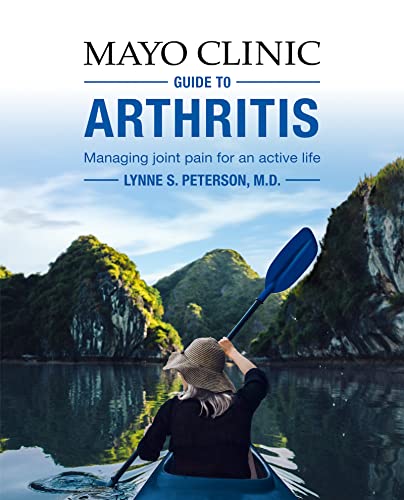
Mayo Clinic Guide to Arthritis: Managing Joint Pain for an Active Life: Peterson M.D., Lynne S.
Lynne S. Peterson ... From the rheumatology experts at Mayo Clinic comes <strong>a complete guide on arthritis</strong>.
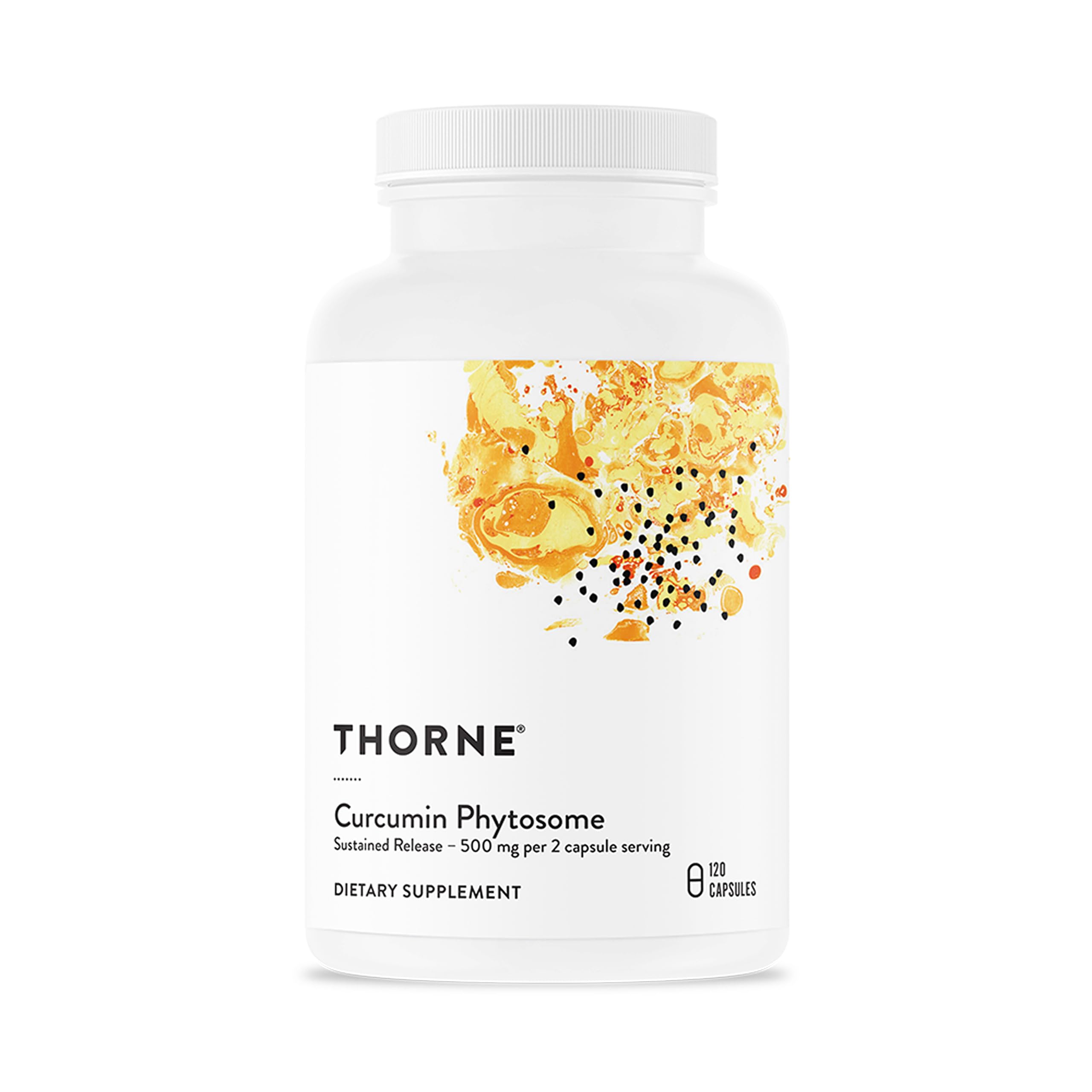
THORNE - Curcumin Phytosome 500 mg (Meriva) - Sustained Release, Clinically Studied - Supports Healthy Inflammatory Response in Joints, Muscles, GI Tract, Liver, Brain & Nerves* - 60 Servings
Buy THORNE - Curcumin Phytosome 500 mg (Meriva) - Sustained Release, Clinically Studied - <strong>Supports Healthy Inflammatory Response in Joints, Muscles, GI Tract, Liver, Brain & Nerves</strong

WITHINGS Body Smart - Accurate Scale for Body Weight and Fat Percentage, Body Composition Wi-Fi and Bluetooth Weight Scale, Baby Weight Scale, Smart Scale Apple Health Compatible, Bathroom Scale
ACHIEVE YOUR WEIGHT GOALS FASTER - <strong>Reliably track your weight to within 50 g and view your weight trends directly on the scale's high-resolution color display</strong>. INCREASE MUSCLE MA
Health Disclaimer
This content is for informational purposes only and does not constitute medical advice. Always consult a qualified healthcare provider before starting, stopping, or changing any supplement or medication regimen.