

Migraine and Patent Foramen Ovale (PFO)
Migraine is a neurologic disorder marked by recurrent headaches and sensory symptoms. About 12–15% of people experience migraine; roughly one-third have migraine with aura (visual or sensory disturbances), while two-thirds have migraine without aura. A patent foramen ovale (PFO) is a small, flap-like opening between the heart’s upper chambers that persists after birth; it is common, present in about 20–25% of adults. Over the past two decades, researchers have observed that PFO appears more often in people with migraine—especially those with aura—than in the general population. Meta-analyses suggest that migraine with aura is associated with a two- to threefold higher odds of having a PFO, and some cohorts report PFO in 40–60% of patients with aura, though estimates vary by method and selection. Several biologically plausible mechanisms may connect the two. A PFO can permit right‑to‑left shunting of blood, potentially allowing tiny clots (microemboli) or vasoactive substances such as serotonin to bypass the lungs’ filtration and inactivation. These may reach the brain and trigger cortical spreading depolarization, thought to underlie aura and migraine initiation. Larger shunts and coexisting atrial septal aneurysm appear to strengthen the association. Platelet activation and shared vascular susceptibilities may also contribute. Clinical trials testing whether closing a PFO improves migraine have produced mixed results. Early randomized trials in migraine-focused populations (MIST, PRIMA, PREMIUM) did not meet their primary endpoints for overall migraine relief, though some showed signals—particularly in patients with frequent aura or large shunts. Trials focused on preventing recurrent cryptogenic stroke (e.g., REDUCE, CLOSE, RESPECT) reported fewer migraines as secondary or exploratory outcomes after closure, but these findings were not the main purpose of the studies and should be interpreted cautiously. Meta-analyses suggest modest average reductions in aura‑
Updated September 8, 2026This content is for informational purposes only and does not constitute medical advice. Always consult a qualified healthcare provider before starting, stopping, or changing any supplement or medication regimen.
Shared Risk Factors
Large right-to-left shunt and atrial septal aneurysm (ASA)
Moderate EvidenceAmong people with PFO, larger shunt size and coexisting ASA are associated with higher odds of migraine—particularly with aura—likely via greater passage of microemboli or vasoactive substances.
Hypercoagulable states and platelet activation
Emerging ResearchInherited or acquired prothrombotic tendencies (e.g., Factor V Leiden, elevated platelet reactivity) can increase microthrombi formation that, in the presence of PFO, may reach cerebral circulation and trigger aura; platelet activation pathways are also implicated in migraine biology.
Smoking and estrogen-containing contraceptives
Moderate EvidenceBoth promote a prothrombotic milieu and endothelial dysfunction. Smoking is associated with higher migraine (especially aura) risk; in PFO carriers, these factors may raise paradoxical embolic risk.
Vascular endothelial dysfunction
Emerging ResearchEndothelial dysfunction is reported in migraine and is relevant to embolic risk in PFO; impaired nitric oxide signaling and vascular reactivity may facilitate migraine onset.
Comorbidity Data
Prevalence
Migraine affects ~12–15% of the population; about one‑third have aura. PFO is present in ~20–25% of adults. Meta-analyses report higher PFO prevalence in migraine with aura (often 40–60%) and an odds ratio around 2–3 for the association versus controls.
Mechanistic Link
Right-to-left shunting through PFO can permit microemboli or vasoactive amines to bypass pulmonary filtration and reach the brain, potentially triggering cortical spreading depolarization. Larger shunt size and atrial septal aneurysm amplify this effect.
Clinical Implications
Patients with migraine with aura may more often harbor sizeable PFOs. However, routine PFO closure solely to treat migraine is not supported by consistent RCT evidence. In patients with cryptogenic stroke plus PFO, closure reduces recurrent stroke and may modestly reduce migraine burden as a secondary effect. Careful risk–benefit assessment and shared decision-making are essential.
Sources (3)
- Katsanos AH et al. Cephalalgia. 2013; systematic review linking PFO and migraine
- Li J et al. J Am Heart Assoc. 2019; meta-analysis of PFO prevalence in migraine with aura
- Saver JL et al. N Engl J Med. 2017 (RESPECT/CLOSE/REDUCE); closure for stroke with migraine outcomes secondary
Overlapping Treatments
Transcatheter PFO closure
Moderate EvidenceInconsistent overall migraine improvement; some subgroups (frequent aura, large shunt) show reduced aura frequency or attack days in secondary or post hoc analyses.
Reduces recurrent cryptogenic stroke in carefully selected patients (large shunt/ASA, age 18–60).
Procedure risks include new-onset atrial fibrillation (≈3–6% early), vascular/device complications, and residual shunt; RCTs in migraine alone largely negative for primary endpoints.
Antiplatelet therapy (e.g., aspirin)
Emerging ResearchLimited and mixed evidence for reducing migraine with aura frequency; may benefit select patients with platelet-driven triggers.
Standard of care for many with PFO who do not undergo closure, to reduce thromboembolic risk.
Bleeding risk; evidence for migraine benefit is not definitive.
Anticoagulation (select indications)
Emerging ResearchCase series suggest possible reduction in aura when microembolic triggers are suppressed.
Used in selected PFO patients with venous thrombosis or other indications to mitigate paradoxical embolism risk.
Bleeding risk; not indicated solely for migraine or uncomplicated PFO.
Vascular risk reduction (smoking cessation, review of estrogen-containing contraceptives, hydration during triggers)
Moderate EvidenceMay reduce migraine with aura risk and cerebrovascular complications.
Reduces thrombotic load that could traverse a PFO.
Lifestyle modifications require individualized counseling; contraceptive decisions require personalized risk assessment.
Medical Perspectives
Two Ways of Seeing Health

Western
scientific · clinical
Western medicine applies science, technology, and clinical experience to treat symptoms through testing, diagnosis, and targeted intervention.
Surgeons · Pharmaceuticals · Clinical trials · Diagnostics 
Eastern
traditional · alternative
Eastern medicine focuses on treating the body naturally by applying traditional knowledge practiced for thousands of years, emphasizing balance and whole-person wellness.
Acupuncture · Herbal medicine · Yoga · Meditation
Gold Bamboo presents both perspectives side-by-side so you can make informed decisions. We don't advocate for one over the other — your health choices are yours.
Two Ways of Seeing Health
Western
scientific · clinical
Western medicine applies science, technology, and clinical experience to treat symptoms through testing, diagnosis, and targeted intervention.
Eastern
traditional · alternative
Eastern medicine focuses on treating the body naturally by applying traditional knowledge practiced for thousands of years, emphasizing balance and whole-person wellness.
Gold Bamboo presents both perspectives side-by-side so you can make informed decisions. We don't advocate for one over the other — your health choices are yours.
Western Perspective
Western medicine recognizes a statistical association between PFO and migraine—especially with aura—and has investigated whether closing PFO reduces migraine burden. While biologic plausibility is strong, randomized trials aimed at migraine relief have been mixed or negative for primary endpoints. Closure is recommended for secondary stroke prevention in select PFO patients, not for migraine alone.
Key Insights
- PFO is more prevalent in migraine with aura than in controls; association strength OR ≈2–3.
- Mechanisms include paradoxical microembolism and unfiltered vasoactive substances prompting cortical spreading depolarization.
- Migraine-focused RCTs (MIST, PRIMA, PREMIUM) did not meet primary efficacy endpoints overall, though aura subgroups sometimes benefited.
- Stroke-prevention trials (RESPECT, CLOSE, REDUCE) showed reduced recurrent stroke and exploratory reductions in migraine burden post-closure.
- Guidelines recommend PFO closure for cryptogenic stroke in select patients; not for migraine alone.
Treatments
- Standard migraine management (acute and preventive therapies)
- Antiplatelet therapy when PFO is managed medically
- Transcatheter PFO closure for secondary stroke prevention (not for migraine alone)
- Risk factor modification (smoking cessation; careful use of estrogen therapies)
Deep Dive
From a western clinical perspective, migraine and patent foramen ovale (PFO) intersect at the level of vascular biology and intracardiac shuntin... From a western clinical perspective, migraine and patent foramen ovale (PFO) intersect at the level of vascular biology and intracardiac shunting. Migraine affects roughly one in seven people, with aura present in about a third. A PFO persists in a quarter of adults. Meta-analyses indicate that PFO is more common among those with migraine with aura than in controls, with odds ratios in the two-to-three range. The leading mechanistic hypothesis is that right-to-left shunting enables microemboli or vasoactive amines to bypass pulmonary filtration, reach the cerebral circulation, and trigger cortical spreading depolarization—the electrophysiologic event underlying aura. Associations appear stronger with larger shunts and atrial septal aneurysm, which increase the probability of paradoxical passage. Whether closing the PFO improves migraine has been tested in randomized trials. The MIST, PRIMA, and PREMIUM trials—designed to evaluate migraine outcomes—did not meet their primary endpoints across unselected migraine populations, tempering early enthusiasm. Nonetheless, some signals emerged: patients with frequent aura and large shunts experienced reductions in aura days or attack frequency in secondary or post hoc analyses. Separately, stroke-prevention trials (RESPECT, CLOSE, REDUCE) established that PFO closure reduces recurrent cryptogenic stroke in carefully selected patients; several reported fewer or less severe migraines as exploratory outcomes after closure. Clinically, this evidence translates into a cautious approach. Current neurology and cardiology guidelines endorse PFO closure for secondary stroke prevention in adults 18–60 years with cryptogenic stroke and high-risk PFO anatomy, but not for migraine alone. Diagnostic evaluation of PFO uses contrast echocardiography (TTE/TEE) or transcranial Doppler, each with trade-offs in sensitivity, invasiveness, and anatomic detail. For most patients, evidence-based migraine care—acute and preventive medications, trigger management, and comorbidity control—remains first-line. Antiplatelet therapy is standard for many PFO patients not undergoing closure; any migraine benefit is uncertain. Shared decision-making should weigh aura phenotype, shunt size, prior embolic events, procedural risks (notably early atrial fibrillation), and patient preferences while acknowledging research gaps.
Sources
- Dowson A et al. MIST Trial. Circulation. 2008
- Tobis J, Charles A et al. PREMIUM. Circulation. 2017
- PRIMA Trial. Circulation. 2017
- Søndergaard L et al. REDUCE. N Engl J Med. 2017
- Mas JL et al. CLOSE. N Engl J Med. 2017
- Carroll JD et al. RESPECT (long-term). N Engl J Med. 2017
- AAN Practice Advisory Update on PFO and secondary stroke. Neurology. 2020
- AHA/ASA Stroke Prevention Guideline. 2021
Eastern Perspective
Traditional systems do not describe PFO as a discrete entity but frame migraine within patterns of circulation, energy flow, and constitutional balance. In these views, congenital heart openings would be approached indirectly by supporting healthy circulation (“moving blood”), calming overactive wind or pitta, and strengthening constitutional resilience. Integrative care focuses on reducing triggers, modulating vascular reactivity, and harmonizing the nervous system.
Key Insights
- In Traditional Chinese Medicine (TCM), migraine often reflects Liver wind, Qi stagnation, and blood stasis affecting the head; therapies aim to calm wind, move blood, and clear heat.
- From an Ayurvedic view, many migraines arise from aggravated Vata (movement) and Pitta (heat) in the channels, calling for grounding, cooling, and nerve-calming approaches.
- Acupuncture shows moderate evidence for reducing migraine frequency; it may influence autonomic tone and cerebrovascular reactivity.
- Herbal strategies that ‘move blood’ (e.g., Chuanxiong, Dan Shen) or ‘calm wind’ (e.g., Tian Ma) are traditionally used for headaches, though evidence regarding PFO-related mechanisms is limited.
- Breathwork (pranayama), meditation, and gentle yoga can reduce stress reactivity and autonomic triggers implicated in migraine.
Treatments
- Acupuncture (evidence-based adjunct for migraine prevention)
- TCM herbal formulas tailored to Liver wind/Qi stagnation patterns
- Ayurvedic modalities: nasya (medicated nasal oils), abhyanga (oiling), and individualized herbs
- Mind–body practices: mindfulness, breathwork, yoga nidra to reduce trigger load
Deep Dive
Traditional and integrative frameworks view migraine as a disorder of circulation, nervous system reactivity, and constitutional balance. While ... Traditional and integrative frameworks view migraine as a disorder of circulation, nervous system reactivity, and constitutional balance. While PFO is not a classical diagnosis in Traditional Chinese Medicine (TCM) or Ayurveda, its essence—a congenital portal allowing unfiltered blood to circulate—resonates with concepts of blood stasis, wind agitation, and disturbed channel flow. In TCM, migraine often arises from Liver wind, Qi stagnation, and phlegm or blood stasis obstructing clear yang in the head. Treatment aims to calm wind, move blood, and harmonize Liver and Heart systems—principles that, in modern terms, may influence vascular tone and autonomic balance implicated in migraine triggers. Acupuncture has moderate evidence for reducing migraine frequency and can complement biomedical care without directly addressing the cardiac shunt. Herbal strategies such as Chuanxiong (Ligusticum chuanxiong), Dan Shen (Salvia miltiorrhiza), and Tian Ma (Gastrodia elata) are traditionally used to regulate circulation and quell wind, though rigorous trials specific to PFO-related migraine are lacking. Ayurveda interprets many migraines as expressions of aggravated Vata (movement, nerve function) and Pitta (heat), with therapies that ground, cool, and soothe the nervous system—abhyanga (oiling), nasya (medicated nasal therapies), dietary adjustments, and herbs individualized to constitution. Breathwork (pranayama), meditation, and gentle yoga support autonomic steadiness, a known migraine modulator. In an integrative plan for someone with migraine and PFO, traditional approaches can reduce trigger load and improve resilience while western diagnostics clarify shunt anatomy and embolic risk. Coordination is important: some circulation-moving herbs may interact with antiplatelet or anticoagulant medicines. The shared goal is to lessen migraine burden safely, optimize cardiovascular health, and respect that PFO closure is a procedure with specific indications and uncertain migraine benefits. This collaborative stance allows patients and clinicians to align choices with values and evolving evidence.
Sources
- Vickers AJ et al. Acupuncture for chronic pain: individual patient data meta-analysis. Arch Intern Med. 2012 (migraine subgroup)
- Linde K et al. Cochrane Review: Acupuncture for migraine prophylaxis. 2016 update
- TCM and Ayurveda classic texts; modern integrative reviews on migraine management
Evidence Ratings
PFO is more prevalent among people with migraine with aura than in the general population.
Li J et al. J Am Heart Assoc. 2019; meta-analysis
Larger right-to-left shunt and atrial septal aneurysm strengthen the PFO–migraine association.
Katsanos AH et al. Cephalalgia. 2013; systematic review
PFO closure does not consistently reduce migraine burden when tested as a primary migraine therapy.
Dowson A et al. Circulation. 2008 (MIST); Tobis J et al. Circulation. 2017 (PREMIUM); PRIMA 2017
In patients undergoing PFO closure for cryptogenic stroke, migraine (especially with aura) may decrease as a secondary outcome.
Søndergaard L et al. N Engl J Med. 2017 (REDUCE) and secondary analyses; Mas JL et al. 2017 (CLOSE) exploratory data
Right-to-left shunt may permit microemboli or vasoactive amines to trigger cortical spreading depolarization underlying aura.
Review of pathophysiology in migraine with aura and PFO: Cephalalgia/Headache reviews 2013–2020
New-onset atrial fibrillation occurs in approximately 3–6% of patients early after PFO closure.
N Engl J Med. 2017 (REDUCE, CLOSE, RESPECT) device-related safety outcomes
Antiplatelet therapy may modestly reduce migraine with aura in some patients.
Small observational/controlled studies summarized in Mojadidi et al. BMJ Open. 2014
Sources
- Dowson A et al. Migraine Intervention With STARFlex Technology (MIST). Circulation. 2008.
- Tobis J, Charles A et al. The PREMIUM Trial. Circulation. 2017.
- PRIMA Trial investigators. Percutaneous PFO closure in migraine with aura. Circulation. 2017.
- Søndergaard L et al. Patent Foramen Ovale Closure or Antiplatelet Therapy for Cryptogenic Stroke (REDUCE). N Engl J Med. 2017.
- Mas JL et al. Patent Foramen Ovale Closure or Anticoagulation vs Antiplatelets (CLOSE). N Engl J Med. 2017.
- Carroll JD et al. RESPECT long-term results. N Engl J Med. 2017.
- Li J et al. Association between PFO and migraine: Meta-analysis. J Am Heart Assoc. 2019.
- Katsanos AH et al. PFO and migraine: Systematic review. Cephalalgia. 2013.
- AAN Practice Advisory Update: PFO and secondary stroke prevention. Neurology. 2020.
- AHA/ASA Guideline for Prevention of Stroke in Patients With Stroke and TIA. 2021.
- SCAI (Society for Cardiovascular Angiography & Interventions) Guideline on PFO Management. 2022.
- Linde K et al. Cochrane Review: Acupuncture for migraine prophylaxis. 2016 update.
Related Topics
Recommended Products

The Migraine Brain: Your Breakthrough Guide to Fewer Headaches, Better Health: Bernstein M.D., Carolyn, McArdle, Elaine
Now, with The Migraine Brain, <strong>the most comprehensive, up-to-the-minute book on migraines ever written</strong>, you will be able to do the same—reduce the frequency and intensity of your migra

Doctor's Best High Absorption Magnesium Glycinate Lysinate Supplement for Sleep Support - Chelated Magnesium Tablets for Women & Men, 200mg per Serving, Supports Calm & Relaxation, Vegan - 240 Count
Doctor's Best High Absorption Magnesium Glycinate Lysinate Supplement for Sleep Support - Chelated Magnesium Capsules for Women & Men, 105 mg per Serving, Calm Support, Vegan - 120 Veg Caps
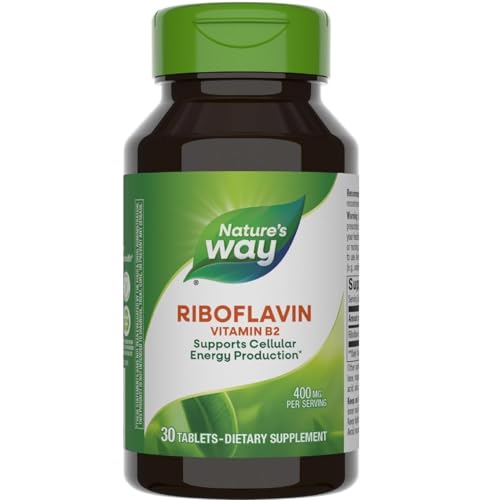
Nature's Way Riboflavin Vitamin B2, 400 mg per serving, Pack of 3
Riboflavin (Vitamin B2) 400 mg, Cellulose, sodium croscarmellose, magnesium stearate, stearic acid, hypromellose, silica, glycerin, carnauba wax.
Health Disclaimer
This content is for informational purposes only and does not constitute medical advice. Always consult a qualified healthcare provider before starting, stopping, or changing any supplement or medication regimen.