

Migraine and Hormonal contraception
Migraine is a neurological disorder marked by recurrent headaches and sensitivity to light/sound; about 18–25% of women and people assigned female at birth experience it, most commonly during reproductive years. Two clinical subtypes matter greatly for contraception decisions: migraine without aura (headache without transient neurological symptoms) and migraine with aura (reversible visual/sensory/language symptoms, usually 5–60 minutes). Hormonal fluctuations—especially falling estrogen in the late luteal phase—can trigger attacks, explaining the common pattern of menstrual migraine. Hormonal contraception can change migraine patterns in helpful or harmful ways, depending on method, dose, and individual biology. Combined hormonal contraceptives (CHCs—pill, patch, ring) contain estrogen plus progestin. Cyclic CHC schedules create an “estrogen withdrawal” during the hormone‑free interval, which may provoke migraines; extended or continuous CHC use can lessen withdrawal and reduce menstrual‑related attacks in eligible users. However, estrogen‑containing methods raise the risk of ischemic stroke in people with migraine with aura; major guidelines classify CHCs as contraindicated for migraine with aura and restrict their use as vascular risk increases with age, smoking, or hypertension. Progestin‑only methods (progestin‑only pills, implant, levonorgestrel IUD, depot medroxyprogesterone) do not carry the same stroke risk and are generally considered acceptable for people with migraine, including with aura. Long‑acting reversible contraception (LARC)—the implant and levonorgestrel IUD—provides stable progestin exposure and is often migraine‑neutral or occasionally beneficial; the copper IUD avoids hormones entirely. Safety centers on vascular risk. The combination of migraine with aura and estrogen‑containing contraception increases ischemic stroke risk compared with non‑use; risk is further amplified by smoking, age ≥35, uncontrolled hypertension, hyperlipidemia, and a
Updated September 8, 2026This content is for informational purposes only and does not constitute medical advice. Always consult a qualified healthcare provider before starting, stopping, or changing any supplement or medication regimen.
Shared Risk Factors
Migraine with aura phenotype
Strong EvidencePresence of aura independently increases baseline ischemic stroke risk and interacts with estrogen‑containing contraception to further elevate risk.
Estrogen dose and fluctuations
Moderate EvidenceHigh estrogen exposure and cyclical hormone‑free intervals can precipitate estrogen‑withdrawal headaches; lower, steady exposure tends to be better tolerated.
Age ≥35 years
Strong EvidenceVascular risk accumulates with age; stroke and thrombotic risks from estrogen exposure rise in older reproductive‑age users.
Cigarette smoking
Strong EvidenceSmoking augments arterial thrombosis risk, particularly with estrogen use.
Hypertension and other cardiovascular risks
Strong EvidenceHypertension, hyperlipidemia, diabetes, and obesity raise background risk of arterial events.
Thrombophilia or prior thrombotic events
Strong EvidenceInherited/acquired thrombophilias and prior stroke/TIA/VTE substantially increase thrombotic risk with estrogen.
Overlapping Treatments
Continuous or extended‑cycle combined hormonal contraceptives (ultra‑low‑dose EE + progestin)
Moderate EvidenceMay reduce menstrual‑related migraine by preventing estrogen withdrawal.
Highly effective contraception with fewer withdrawal bleeds.
Not recommended for migraine with aura or in users with significant vascular risk; monitor for new/worsening aura or neurological symptoms.
Progestin‑only pill (desogestrel or norethindrone formulations)
Moderate EvidenceOften migraine‑neutral; some report improvement with steady progestin exposure.
Effective contraception without estrogen‑related stroke risk.
Strict daily timing needed for efficacy; irregular bleeding may occur.
Etonogestrel subdermal implant
Moderate EvidenceStable hormone levels; typically neutral or beneficial for menstrual‑pattern migraine.
Long‑acting, highly effective contraception.
Irregular bleeding possible; limited direct migraine‑specific RCT data.
Levonorgestrel intrauterine device (LNG‑IUD)
Emerging ResearchReduces menstrual bleeding and prostaglandin release; some users note fewer perimenstrual headaches.
Top‑tier contraceptive efficacy with local progestin effect.
Headache effects vary; systemic progestin levels are low but not zero.
Depot medroxyprogesterone acetate (DMPA) injection
Emerging ResearchAmenorrhea with continued use may lessen menstrual triggers in some.
Reliable contraception independent of daily adherence.
Potential effects on bone density, weight, mood; delayed return to fertility.
Copper IUD (non‑hormonal) paired with standard migraine care
Moderate EvidenceAvoids hormonal triggers; migraine course reflects baseline biology.
Hormone‑free, highly effective contraception.
May increase menstrual bleeding/cramps initially, which can indirectly affect headaches.
Medical Perspectives
Two Ways of Seeing Health

Western
scientific · clinical
Western medicine applies science, technology, and clinical experience to treat symptoms through testing, diagnosis, and targeted intervention.
Surgeons · Pharmaceuticals · Clinical trials · Diagnostics 
Eastern
traditional · alternative
Eastern medicine focuses on treating the body naturally by applying traditional knowledge practiced for thousands of years, emphasizing balance and whole-person wellness.
Acupuncture · Herbal medicine · Yoga · Meditation
Gold Bamboo presents both perspectives side-by-side so you can make informed decisions. We don't advocate for one over the other — your health choices are yours.
Two Ways of Seeing Health
Western
scientific · clinical
Western medicine applies science, technology, and clinical experience to treat symptoms through testing, diagnosis, and targeted intervention.
Eastern
traditional · alternative
Eastern medicine focuses on treating the body naturally by applying traditional knowledge practiced for thousands of years, emphasizing balance and whole-person wellness.
Gold Bamboo presents both perspectives side-by-side so you can make informed decisions. We don't advocate for one over the other — your health choices are yours.
Western Perspective
Western medicine recognizes that estrogen fluctuations and vascular risk determine how hormonal contraception interacts with migraine. Estrogen‑containing methods can both modulate attacks (via cycle control) and increase ischemic stroke risk, particularly in migraine with aura. Progestin‑only and non‑hormonal methods provide effective contraception with a more favorable cerebrovascular profile.
Key Insights
- Migraine with aura is an independent ischemic stroke risk; adding combined hormonal contraception (CHC) further increases relative risk compared with non‑use.
- Cyclic CHC regimens may worsen menstrual migraine due to estrogen withdrawal; continuous/extended regimens can reduce withdrawal‑triggered attacks in eligible users.
- Progestin‑only methods (POP, implant, LNG‑IUD, DMPA) do not appear to increase stroke risk, even with aura, and are generally acceptable.
- Vascular risk modifiers (age ≥35, smoking, hypertension, thrombophilia) shift CHC from acceptable to not recommended or contraindicated.
- Non‑hormonal copper IUD avoids hormonal effects entirely and is suitable regardless of aura status.
Treatments
- Progestin‑only pill, etonogestrel implant, levonorgestrel IUD, DMPA
- Non‑hormonal copper IUD
- Continuous or extended‑cycle CHC for menstrual migraine in eligible users without aura
- Perimenstrual migraine strategies (NSAIDs, triptans, CGRP‑pathway options)
- Lifestyle and trigger management (sleep regularity, stress reduction)
Deep Dive
From a western clinical perspective, the relationship between migraine and hormonal contraception is defined by two intersecting considerations:... From a western clinical perspective, the relationship between migraine and hormonal contraception is defined by two intersecting considerations: hormonal dynamics that modulate headache patterns, and vascular risks that shape safety. Estrogen fluctuations—particularly the decline in late luteal phase—are a well‑described migraine trigger. Cyclic combined hormonal contraceptives (CHCs) reproduce this physiology with a hormone‑free interval, during which estrogen withdrawal can precipitate menstrual migraines. In contrast, extended or continuous CHC regimens reduce or eliminate the hormone‑free interval, thereby minimizing estrogen withdrawal and, in eligible users, may decrease menstrual‑related attacks. Ultra‑low‑dose ethinyl estradiol formulations may also be better tolerated by some. However, safety drives method selection. Migraine with aura independently carries a small but measurable ischemic stroke risk, which is magnified by exogenous estrogen. Large observational datasets and consensus statements conclude that CHCs meaningfully increase ischemic stroke risk in people with migraine with aura; national guidelines therefore classify CHCs as contraindicated in this group. The risk rises further with additional factors such as age ≥35, cigarette smoking, hypertension, hyperlipidemia, diabetes, or thrombophilia. In contrast, progestin‑only contraception—including progestin‑only pills, the etonogestrel implant, levonorgestrel intrauterine device (LNG‑IUD), and depot medroxyprogesterone—does not appear to increase stroke risk and is considered acceptable for people with migraine, including those with aura. LARC options (implant, LNG‑IUD) provide highly effective contraception with stable or local progestin exposure and are typically migraine‑neutral; some users report fewer perimenstrual headaches due to reduced bleeding and prostaglandin release. The copper IUD avoids hormones entirely and leaves migraine patterns to reflect baseline biology. Clinically, shared decision‑making balances contraceptive efficacy, bleeding profiles, migraine phenotypes (with or without aura, menstrual pattern), and vascular risk. Practical options include progestin‑only and non‑hormonal methods for those with aura or elevated vascular risk; and, for those without aura and otherwise low risk, consideration of continuous/extended CHC to reduce estrogen withdrawal. Red flags that warrant prompt evaluation include new or worsening focal neurological symptoms, first or markedly different headache, aura lasting longer than usual, or onset of aura after starting estrogen‑containing contraception. Co‑management with neurology or gynecology is helpful when diagnosis is uncertain, attacks escalate after a method change, or preventive migraine therapy is being initiated alongside contraceptive selection.
Sources
- CDC. U.S. Medical Eligibility Criteria for Contraceptive Use, 2024. MMWR Recomm Rep. 2024.
- Sacco S et al. Hormonal contraceptives and risk of ischemic stroke in women with migraine: consensus statement. J Headache Pain. 2017.
- Lidegaard Ø et al. Thrombotic stroke and myocardial infarction with hormonal contraception. BMJ. 2012.
- Etminan M et al. Risk of ischemic stroke in women with migraine who use oral contraceptives. BMJ. 2005.
- ACOG Practice Bulletin No. 206: Use of Hormonal Contraception in Women with Coexisting Medical Conditions. 2019 (reaffirmed).
- MacGregor EA. Migraine, menstruation and estrogen withdrawal. Headache. 2013.
Eastern Perspective
Traditional systems emphasize cycle balance and whole‑person regulation to mitigate hormonally sensitive migraine. While they do not prescribe hormonal contraception as a therapy, they offer frameworks and adjunctive treatments—such as acupuncture, botanicals, and mind‑body practices—that may stabilize migraine patterns for individuals who choose any contraceptive method.
Key Insights
- Traditional Chinese Medicine (TCM) often interprets menstrual‑linked migraine as Liver Qi stagnation with Blood deficiency or internal wind; treatment aims to smooth Qi, nourish Blood, and regulate menses.
- Ayurveda frequently attributes cyclical headaches to Vata imbalance influenced by menstrual rhythm; practices target nervous system steadiness and digestive fire (agni).
- Acupuncture shows benefit in reducing migraine frequency and intensity compared with usual care or sham in several trials.
- Naturopathic/integrative strategies (magnesium, riboflavin, CoQ10; yoga, mindfulness) have supportive evidence for migraine prevention and can complement contraceptive choices.
- Herb–drug interactions matter: for example, St. John’s wort may reduce effectiveness of estrogen/progestin contraceptives via enzyme induction.
Treatments
- Acupuncture and acupressure for prevention and acute relief
- Dietary/nutrient support (magnesium, riboflavin, CoQ10)
- Mind‑body approaches: yoga, paced breathing, meditation
- TCM herbal formulas individualized by pattern (under qualified supervision)
- Ayurvedic routines for cycle regularity and stress moderation
Deep Dive
Traditional and integrative perspectives view hormonally sensitive migraine as a manifestation of whole‑system imbalance influenced by the menst... Traditional and integrative perspectives view hormonally sensitive migraine as a manifestation of whole‑system imbalance influenced by the menstrual cycle, stress, sleep, and digestion. In Traditional Chinese Medicine (TCM), menstrual‑linked headaches are often attributed to constrained Liver Qi, Blood deficiency, or internal wind; treatment aims to smooth Qi, nourish Blood, and regulate the cycle. Individualized acupuncture protocols commonly include points that calm the nervous system and reduce pain reactivity, and moderate‑quality evidence suggests acupuncture can reduce migraine frequency compared with usual care or sham. Herbal prescriptions are tailored to patterns and administered under qualified supervision, especially when a person is using hormonal contraception. Ayurveda contextualizes cyclical headaches within Vata imbalance—an overactive, changeable nervous system—exacerbated by hormonal shifts. Daily routines that prioritize regular sleep/wake times, warm nourishing foods, gentle yoga, and breath practices (pranayama) are used to steady Vata. Naturopathic approaches often integrate nutrient support (such as magnesium or riboflavin), trigger identification, and stress‑reduction tools. These strategies can be layered with any contraceptive method and may be particularly useful when hormonal options are limited by vascular risk. An integrative plan respects contraceptive priorities while supporting neurological resilience. For someone with migraine with aura who prefers to avoid estrogen because of stroke risk, options like the copper IUD or a progestin‑only method can be combined with acupuncture, mind‑body practices, and evidence‑supported nutrients to reduce attack frequency. For those without aura using continuous combined contraception to stabilize hormones, complementary therapies can further temper triggers like stress or sleep disruption. Across traditions, careful attention is paid to herb–drug interactions—most notably that St. John’s wort may reduce hormonal contraceptive effectiveness—and to informed consent about realistic benefits and limitations. The shared goal is fewer, less disabling migraines while meeting contraceptive needs safely.
Sources
- Linde K et al. Acupuncture for the prevention of episodic migraine. Cochrane Review. 2016.
- American Headache Society. Integrative approaches and nutraceuticals for migraine prevention. 2021 consensus resources.
- Zhao L et al. Acupuncture for migraine prophylaxis: systematic reviews. Pain. 2017.
- WHO monographs and traditional texts on TCM/Ayurveda pattern approaches to menstrual disorders.
Evidence Ratings
Combined hormonal contraception increases ischemic stroke risk in people with migraine with aura.
Sacco S et al. J Headache Pain. 2017; Etminan M et al. BMJ. 2005; Lidegaard Ø et al. BMJ. 2012.
Progestin‑only contraceptives are acceptable for people with migraine (including with aura) and do not increase stroke risk.
CDC U.S. MEC 2024; WHO MEC for Contraceptive Use.
Continuous or extended‑cycle combined hormonal contraception can reduce menstrual‑related migraine by minimizing estrogen withdrawal.
MacGregor EA. Headache. 2013; ACOG Practice Bulletin No. 206, 2019.
Estrogen withdrawal is a recognized trigger for migraine in susceptible individuals.
MacGregor EA. Headache. 2013.
Levonorgestrel intrauterine devices are generally migraine‑neutral and may improve perimenstrual headaches in some users.
Narrative reviews in contraception‑migraine literature (e.g., Nappi RE et al., J Headache Pain, 2013).
Smoking, age ≥35, and hypertension amplify arterial event risk with estrogen‑containing contraception.
ACOG Practice Bulletin No. 206, 2019; Lidegaard Ø et al. BMJ. 2012.
Acupuncture can reduce migraine frequency compared with usual care or sham.
Linde K et al. Cochrane Review. 2016.
Magnesium and riboflavin have supportive evidence for migraine prevention and are compatible with most contraceptive choices.
American Headache Society integrative resources, 2021.
Sources
- CDC. U.S. Medical Eligibility Criteria for Contraceptive Use, 2024. MMWR Recomm Rep. 2024. https://www.cdc.gov/mmwr/volumes/73/rr/rr7304a1.htm
- Sacco S, Merki-Feld GS, Ægidius KL, et al. Hormonal contraceptives and risk of ischemic stroke in women with migraine: a consensus. J Headache Pain. 2017;18:108. https://thejournalofheadacheandpain.biomedcentral.com/articles/10.1186/s10194-017-0815-1
- Lidegaard Ø, Løkkegaard E, Jensen A, Skovlund CW, Keiding N. Thrombotic stroke and myocardial infarction with hormonal contraception. BMJ. 2012;345:e6328. https://www.bmj.com/content/345/bmj.e6328
- Etminan M, Takkouche B, Isorna FC, Samii A. Risk of ischaemic stroke in people with migraine who use oral contraceptives. BMJ. 2005;330:63. https://www.bmj.com/content/330/7482/63
- ACOG Practice Bulletin No. 206: Use of Hormonal Contraception in Women with Coexisting Medical Conditions. Obstet Gynecol. 2019. https://www.acog.org/clinical/clinical-guidance/practice-bulletin/articles/2019/12/use-of-hormonal-contraception-in-women-with-coexisting-medical-conditions
- MacGregor EA. Estrogen withdrawal headache and menstrual migraine. Headache. 2013;53(3):447-461. https://pubmed.ncbi.nlm.nih.gov/23432444/
- WHO. Medical eligibility criteria for contraceptive use. 5th ed. 2015 (and updates). https://www.who.int/publications/i/item/9789241549158
- Linde K, Allais G, Brinkhaus B, et al. Acupuncture for the prevention of episodic migraine. Cochrane Database Syst Rev. 2016. https://www.cochranelibrary.com/cdsr/doi/10.1002/14651858.CD001218.pub3/full
- American Headache Society. Integrative and alternative treatments for migraine (patient resources and consensus). 2021. https://americanheadachesociety.org/resources
Related Topics
Recommended Products
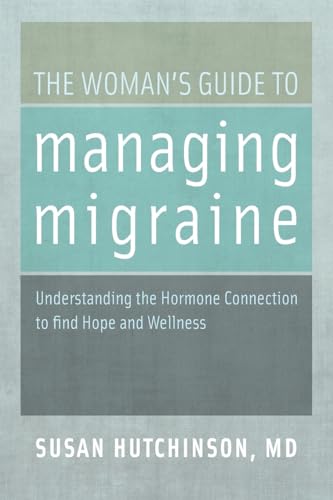
The Woman's Guide to Managing Migraine: Understanding the Hormone Connection to find Hope and Wellness: Hutchinson MD, Susan
<strong>A compact, down-to-earth guide to managing migraine headaches, filled with practical information to help take control of this often debilitating condition</strong> · Susan L. Hutchinson, MD, i
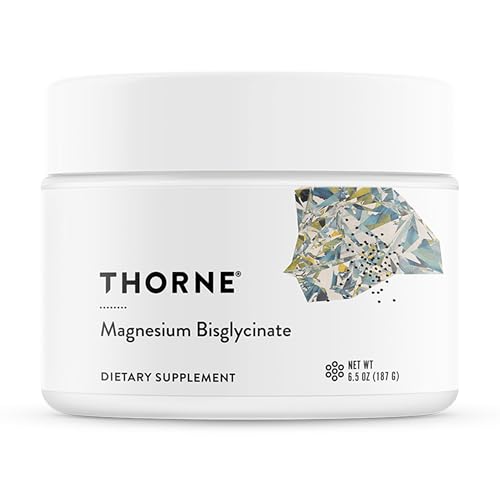
THORNE - Magnesium Bisglycinate - Powdered Magnesium Formula - Supports Restful Sleep, Muscle Relaxation, Heart Health & Metabolism* - NSF Certified for Sport - Gluten, Dairy & Soy-Free - 60 Servings
THORNE - Magnesium Glycinate - <strong>Supports Restful Sleep, Muscle Relaxation, Heart Health & Metabolism</strong>* - Chelated Magnesium Capsules - Third-Party Certified - Gluten, Dairy & So

Nutricost Vitamin B2 (Riboflavin) 400mg, 120 Capsules - Gluten Free, Non-GMO
Vitamin B2, Riboflavin 400mg | 240 Softgels with Coconut Oil | Highly Bioavailable | Extra Strength Vitamin B Energy Supplements | Essential B Vitamins for Women & Men | Non-GMO, Gluten Free
Health Disclaimer
This content is for informational purposes only and does not constitute medical advice. Always consult a qualified healthcare provider before starting, stopping, or changing any supplement or medication regimen.