

Migraine and CGRP inhibitors
Migraine is a neurologic pain disorder marked by recurrent attacks often accompanied by nausea, light or sound sensitivity, and functional impairment. A key player in migraine biology is calcitonin gene–related peptide (CGRP), a neuropeptide released during trigeminal nerve activation. CGRP promotes neurogenic inflammation, sensitizes pain pathways, and dilates cranial blood vessels—processes that together contribute to the “migraine cascade.” CGRP levels rise during attacks and are especially elevated in people with chronic migraine; menstrual cycling and central sensitization features (such as cutaneous allodynia) also appear to involve CGRP signaling (strong to moderate evidence). CGRP-targeted therapies fall into two categories. Monoclonal antibodies (erenumab targets the CGRP receptor; fremanezumab, galcanezumab, and eptinezumab target the CGRP ligand) are preventive treatments given monthly or quarterly by injection or infusion. Clinical trials show they reduce monthly migraine days by about 1–2 more days than placebo and increase 50% responder rates by roughly 10–20% over placebo, with many patients noticing benefits within the first weeks; eptinezumab has demonstrated day-1 onset after infusion (strong evidence). Small-molecule receptor antagonists, known as “gepants,” include ubrogepant and rimegepant (acute treatment), atogepant (prevention), and intranasal zavegepant (acute). Gepants relieve pain and symptoms within 2 hours for a meaningful proportion of attacks and, for prevention, modestly reduce monthly migraine days compared with placebo (strong evidence). Overall tolerability of CGRP-pathway therapies is favorable. Common effects include injection-site reactions and constipation for monoclonals, and nausea, somnolence, or taste disturbance for some gepants. Unlike triptans, CGRP inhibitors do not constrict blood vessels; however, CGRP has protective vascular roles. Postmarketing reports link erenumab with new or worsening hypertension in some users
Updated September 8, 2026This content is for informational purposes only and does not constitute medical advice. Always consult a qualified healthcare provider before starting, stopping, or changing any supplement or medication regimen.
Medical Perspectives
Two Ways of Seeing Health

Western
scientific · clinical
Western medicine applies science, technology, and clinical experience to treat symptoms through testing, diagnosis, and targeted intervention.
Surgeons · Pharmaceuticals · Clinical trials · Diagnostics 
Eastern
traditional · alternative
Eastern medicine focuses on treating the body naturally by applying traditional knowledge practiced for thousands of years, emphasizing balance and whole-person wellness.
Acupuncture · Herbal medicine · Yoga · Meditation
Gold Bamboo presents both perspectives side-by-side so you can make informed decisions. We don't advocate for one over the other — your health choices are yours.
Two Ways of Seeing Health
Western
scientific · clinical
Western medicine applies science, technology, and clinical experience to treat symptoms through testing, diagnosis, and targeted intervention.
Eastern
traditional · alternative
Eastern medicine focuses on treating the body naturally by applying traditional knowledge practiced for thousands of years, emphasizing balance and whole-person wellness.
Gold Bamboo presents both perspectives side-by-side so you can make informed decisions. We don't advocate for one over the other — your health choices are yours.
Western Perspective
Western medicine identifies migraine as a neurovascular pain syndrome driven by trigeminovascular activation. CGRP (calcitonin gene–related peptide) is released from trigeminal afferents, where it amplifies nociceptive transmission, promotes sterile neurogenic inflammation, and dilates intracranial vessels. Blocking this pathway with monoclonal antibodies (mAbs) or small-molecule antagonists (gepants) interrupts attack generation and maintenance. mAbs are used preventively; gepants are used acutely and, in some cases, preventively.
Key Insights
- CGRP levels are elevated during attacks and in many people with chronic migraine; CGRP infusion can trigger migraine-like headaches in susceptible individuals (strong evidence).
- Anti-CGRP mAbs reduce monthly migraine days by about 1–2 more days than placebo and improve 50% responder rates by 10–20% versus placebo across episodic and chronic migraine trials (strong evidence).
- Gepants provide 2-hour pain freedom for a clinically meaningful minority versus placebo and improve most bothersome symptom relief; preventive gepants modestly reduce monthly migraine days (strong evidence).
- CGRP-pathway therapies lack vasoconstrictive effects, differentiating them from triptans; however, caution is advised in patients with severe or uncontrolled cardiovascular disease due to CGRP’s physiologic vasodilatory roles (moderate evidence).
- Eptinezumab can show onset by day 1 post-infusion; other mAbs often have onset within 1–4 weeks. Combining mAbs with onabotulinumtoxinA or with a gepant is used clinically, with growing but still limited controlled data (emerging evidence).
Treatments
- Erenumab (CGRP receptor mAb, preventive)
- Fremanezumab, Galcanezumab, Eptinezumab (CGRP ligand mAbs, preventive)
- Ubrogepant, Rimegepant, Zavegepant (gepants for acute treatment)
- Atogepant (gepant for prevention)
Deep Dive
From a western clinical standpoint, migraine arises when the trigeminovascular system becomes hyperexcitable. Peripheral trigeminal afferents re... From a western clinical standpoint, migraine arises when the trigeminovascular system becomes hyperexcitable. Peripheral trigeminal afferents release neuropeptides, prominently calcitonin gene–related peptide (CGRP). CGRP binds to receptors on vascular smooth muscle and meningeal immune cells, producing vasodilation, mast cell activation, and a feed-forward loop of neuronal sensitization that propagates pain. Elevated CGRP during attacks and normalization after effective therapy, alongside the ability of CGRP infusion to trigger migraine-like headaches, firmly implicate this peptide in attack biology. People with chronic migraine and those with prominent central sensitization features (e.g., cutaneous allodynia) often show higher interictal CGRP levels, suggesting sustained pathway upregulation. Targeting this pathway has reshaped prevention and acute care. Monoclonal antibodies against the CGRP ligand (galcanezumab, fremanezumab, eptinezumab) or its receptor (erenumab) are administered monthly or quarterly. Across pivotal trials, they reduce monthly migraine days by roughly 1–2 more than placebo and increase the odds of 50% response by about 10–20% over placebo. Onset is frequently observed within the first 1–4 weeks, and eptinezumab has shown day-1 onset after infusion. Small-molecule CGRP receptor antagonists—ubrogepant and rimegepant for acute treatment, zavegepant as an intranasal acute option, and atogepant for prevention—provide 2-hour pain freedom and symptom relief rates superior to placebo and yield modest preventive gains. Safety profiles are favorable compared with many traditional preventives. Common adverse effects include injection-site reactions and constipation with mAbs, and nausea, somnolence, or dysgeusia with gepants. Postmarketing surveillance notes a hypertension signal with erenumab. Because CGRP supports physiologic vasodilation, prudence is warranted in patients with severe or unstable cardiovascular disease, though these agents themselves do not cause vasoconstriction. Data in pregnancy, lactation, and pediatrics remain limited; regulatory approvals are largely for adults. Gepants have drug–drug interaction considerations (e.g., CYP3A4), whereas mAbs have minimal pharmacokinetic interactions. In the broader treatment landscape, CGRP inhibitors compare favorably to traditional preventives (beta-blockers, topiramate, tricyclics) on tolerability and often on speed of benefit, though absolute efficacy gains are modest and costs higher. They can be combined with behavioral therapies, sleep optimization, trigger management, and, in select cases, onabotulinumtoxinA. Shared decision-making weighs attack frequency, prior treatment trials, comorbidities, patient preferences, route and frequency of administration, and access constraints.
Sources
- Ashina M et al. Migraine. Lancet. 2021.
- Edvinsson L. CGRP and migraine: therapeutic approaches. Physiol Rev. 2019.
- Goadsby PJ et al. Erenumab for episodic migraine. N Engl J Med. 2017.
- Silberstein SD et al. Fremanezumab for chronic migraine. N Engl J Med. 2017.
- Skljarevski V et al. Galcanezumab EVOLVE trials. JAMA Neurol. 2018.
- Kudrow D et al. Early onset with eptinezumab. Headache. 2021.
- Dodick DW et al. Ubrogepant for acute migraine. N Engl J Med. 2019.
- Croop R et al. Rimegepant acute treatment. N Engl J Med. 2019.
- Ailani J et al. Atogepant for prevention. N Engl J Med. 2021.
- Lipton RB et al. Zavegepant nasal spray. N Engl J Med. 2023.
- American Headache Society Position Statement on CGRP-pathway therapies. 2024.
Eastern Perspective
Traditional systems view migraine as a dysregulation of internal balance affecting the head’s channels and circulation. In Traditional Chinese Medicine (TCM), patterns such as Liver yang rising, internal wind, phlegm-damp obstruction, and blood stasis are common. Ayurveda describes Ardhavabhedaka, often involving Vata-Pitta imbalance with aggravated heat and movement in the head. These frameworks emphasize restoring flow, cooling excess, and calming the nervous system. Modern integrative research suggests acupuncture and select botanicals/nutrients may modulate neuroinflammation and pain signaling, potentially including CGRP dynamics.
Key Insights
- Acupuncture has moderate-quality evidence for reducing migraine frequency and disability versus no treatment and performs similarly to some drug preventives with fewer adverse effects; biomarker studies suggest reductions in CGRP levels after treatment (moderate to emerging evidence).
- Ayurvedic approaches (dietary cooling, stress regulation, Nasya, Shirodhara, and herbs aimed at Vata-Pitta balance) are traditionally used for episodic headaches; modern trials are small and heterogeneous (traditional to emerging evidence).
- Nutraceuticals such as magnesium, riboflavin (B2), and coenzyme Q10 have supportive evidence for prevention and are often combined with standard care (moderate evidence).
- Mind–body methods (biofeedback, relaxation, mindfulness, CBT) address stress reactivity and pain coping, complementing pharmacologic prevention (moderate evidence).
Treatments
- Acupuncture
- Magnesium, Riboflavin (B2), Coenzyme Q10 (nutraceuticals)
- TCM herbal formulas individualized to pattern (e.g., Gastrodia/Uncaria-based)
- Ayurvedic therapies (Nasya, Shirodhara) with herbal support
- Mind–body therapies (biofeedback, CBT, meditation)
Deep Dive
Eastern and integrative traditions understand migraine as a disturbance of internal balance and flow affecting the head. Traditional Chinese Med... Eastern and integrative traditions understand migraine as a disturbance of internal balance and flow affecting the head. Traditional Chinese Medicine (TCM) frequently identifies Liver yang rising with internal wind, sometimes compounded by phlegm-damp and blood stasis obstructing the channels that traverse the temples and vertex. Treatment principles calm wind, anchor yang, move blood, and clear heat, achieved through individualized acupuncture and herbal formulas. Ayurveda describes Ardhavabhedaka, often involving Vata (movement) and Pitta (heat) derangement, addressed through dietary cooling, routine and sleep regulation, stress reduction, nasal therapies (Nasya), and oil therapies (Shirodhara), alongside botanicals to steady the nervous system and digestion. Modern integrative science provides bridges between these frameworks and neurobiology. Acupuncture has moderate-quality evidence for reducing migraine frequency and disability, and small mechanistic studies show decreases in circulating CGRP and other pro-nociceptive mediators after treatment, aligning conceptually with the goal of calming “internal wind” and inflammation. Nutraceuticals such as magnesium (supporting neuronal stability), riboflavin (mitochondrial energy), and coenzyme Q10 (oxidative metabolism) have supportive evidence as preventive adjuncts and are often well tolerated. Mind–body approaches—biofeedback, relaxation training, mindfulness, and cognitive-behavioral therapy—modulate stress reactivity and autonomic tone, echoing traditional aims of restoring balance. When patients use CGRP inhibitors, integrative care focuses on complementarity: acupuncture and mind–body practices may reduce attack frequency and enhance resilience; sleep regularity, nutrition, and hydration address triggers; and selected botanicals or nutrients can be added with attention to interactions and patient-specific factors. Practitioners emphasize pattern differentiation (TCM) or dosha assessment (Ayurveda) to tailor nonpharmacologic strategies while coordinating with biomedical teams. Respecting that CGRP has physiologic roles, traditional practitioners also value gradual, balanced modulation of the pain system rather than aggressive suppression alone. The shared goal across traditions is fewer, less severe attacks and improved quality of life through a personalized blend of pharmacologic precision and holistic self-care.
Sources
- Linde K et al. Acupuncture for migraine prophylaxis. Cochrane. 2016.
- Liu L et al. Effects of acupuncture on plasma CGRP in migraine. Front Neurol. 2020.
- Sun-Edelstein C, Mauskop A. Role of magnesium, riboflavin, CoQ10. CNS Drugs. 2009.
- Murthy HN et al. Ayurveda in primary headaches: review. J Altern Complement Med. 2010.
- AHS guidance on integrative approaches in migraine. 2021.
Evidence Ratings
CGRP is a central mediator in migraine pathophysiology, rising during attacks and driving trigeminovascular pain, vasodilation, and neurogenic inflammation.
Edvinsson L. Physiol Rev. 2019; Ashina M. Lancet. 2021.
Anti-CGRP monoclonal antibodies reduce monthly migraine days by about 1–2 more than placebo and increase 50% responder rates by ~10–20%.
Goadsby PJ. N Engl J Med. 2017; Silberstein SD. N Engl J Med. 2017; JAMA Neurol. 2018.
Gepants provide superior 2-hour pain freedom and symptom relief versus placebo for acute attacks, and preventive gepants modestly reduce monthly migraine days.
Dodick DW. N Engl J Med. 2019; Croop R. N Engl J Med. 2019; Ailani J. N Engl J Med. 2021; Lipton RB. N Engl J Med. 2023.
Eptinezumab may demonstrate onset of preventive effect by day 1 after infusion.
Kudrow D. Headache. 2021.
CGRP-pathway therapies lack vasoconstrictive effects seen with triptans, supporting use in some patients with vascular risk, though CGRP has protective vascular roles.
Ashina M. Lancet. 2021; AHS Position Statement. 2024.
Erenumab has been associated with new or worsening hypertension in postmarketing data.
FDA label update for erenumab (2020); Robbins MS. Headache. 2021.
Acupuncture can reduce migraine frequency and may lower circulating CGRP, complementing pharmacologic care.
Linde K. Cochrane. 2016; Liu L. Front Neurol. 2020.
Combining anti-CGRP mAbs with onabotulinumtoxinA or with a gepant is used in practice with encouraging early data but limited randomized evidence.
Blumenfeld AM. Headache. 2021; AHS consensus. 2024.
Sources
- Ashina M, et al. Migraine. Lancet. 2021;398:1277-1290.
- Edvinsson L. CGRP and its receptors in migraine. Physiol Rev. 2019;99:1109-1151.
- Goadsby PJ, et al. A Controlled Trial of Erenumab for Episodic Migraine. N Engl J Med. 2017;377:2123-2132.
- Silberstein SD, et al. Fremanezumab for the Prevention of Chronic Migraine. N Engl J Med. 2017;377:2113-2122.
- Skljarevski V, et al. Effect of Galcanezumab on Episodic Migraine. JAMA Neurol. 2018;75:1080-1088.
- Kudrow D, et al. Eptinezumab shows early preventive benefit. Headache. 2021;61:130-141.
- Dodick DW, et al. Ubrogepant for Acute Migraine. N Engl J Med. 2019;381:2230-2241.
- Croop R, et al. Rimegepant ODT for Acute Migraine. N Engl J Med. 2019;381:142-149.
- Ailani J, et al. Atogepant for Prevention of Episodic Migraine. N Engl J Med. 2021;385:695-706.
- Lipton RB, et al. Zavegepant Intranasal for Acute Migraine. N Engl J Med. 2023;388:1157-1167.
- American Headache Society. Position Statement: CGRP-targeting therapies as first-line options. 2024.
- FDA Prescribing Information: Erenumab (Aimovig), Fremanezumab (Ajovy), Galcanezumab (Emgality), Eptinezumab (Vyepti), Ubrogepant (Ubrelvy), Rimegepant (Nurtec ODT), Atogepant (Qulipta), Zavegepant (Zavzpret).
- Linde K, et al. Acupuncture for Migraine Prophylaxis. Cochrane Database Syst Rev. 2016;6:CD001218.
- Liu L, et al. Acupuncture reduces plasma CGRP in migraineurs. Front Neurol. 2020;11:631.
- Cernuda-Morollón E, et al. Interictal CGRP in chronic migraine. Cephalalgia. 2013;33:301-306.
- Vetvik KG, MacGregor EA. Menstrual migraine. Nat Rev Neurol. 2017;13:709-722.
- Blumenfeld AM, et al. Real-world combination of onabotulinumtoxinA with anti-CGRP mAbs. Headache. 2021;61:1092-1101.
- ACOG. Headaches in Pregnancy and Postpartum. Clinical Practice Guideline. 2022.
- ICER. CGRP inhibitors for migraine: Evidence report. 2020.
Related Topics
Recommended Products

The Migraine Brain: Your Breakthrough Guide to Fewer Headaches, Better Health: Bernstein M.D., Carolyn, McArdle, Elaine
Now, with The Migraine Brain, <strong>the most comprehensive, up-to-the-minute book on migraines ever written</strong>, you will be able to do the same—reduce the frequency and intensity of your migra
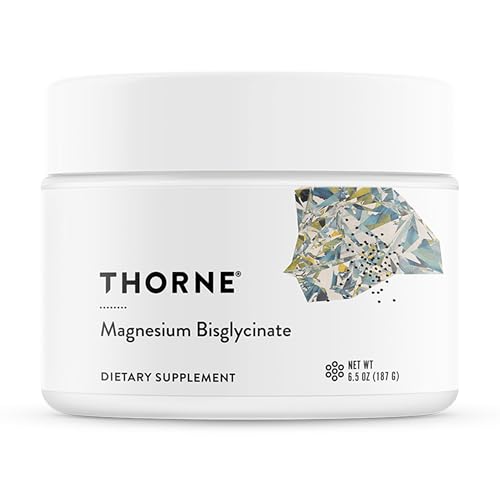
THORNE - Magnesium Bisglycinate - Powdered Magnesium Formula - Supports Restful Sleep, Muscle Relaxation, Heart Health & Metabolism* - NSF Certified for Sport - Gluten, Dairy & Soy-Free - 60 Servings
THORNE - Magnesium Glycinate - <strong>Supports Restful Sleep, Muscle Relaxation, Heart Health & Metabolism</strong>* - Chelated Magnesium Capsules - Third-Party Certified - Gluten, Dairy & So
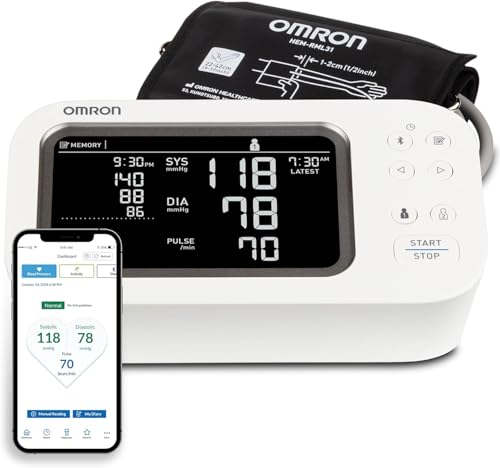
OMRON Platinum Blood Pressure Monitor for Home Use & Upper Arm Blood Pressure Cuff - #1 Doctor & Pharmacist Recommended Brand - Clinically Validated - AFib Detection - Connect App
CONFIDENCE IN EVERY READING: Monitor your heart health with the OMRON Platinum Upper Arm Blood Pressure Monitor's <strong>Advanced Accuracy with AFib Detection Technology</strong>; Store up to 10
Health Disclaimer
This content is for informational purposes only and does not constitute medical advice. Always consult a qualified healthcare provider before starting, stopping, or changing any supplement or medication regimen.