

Knee Osteoarthritis and Knee Replacement (Arthroplasty)
Knee osteoarthritis (OA) is a progressive joint disease marked by cartilage loss, inflammation, pain, stiffness, and declining function. When symptoms persist despite optimized non‑surgical care and imaging shows advanced damage, knee replacement (arthroplasty) can be considered. Decisions typically weigh the severity of pain and functional limits, radiographic grade (often Kellgren–Lawrence 3–4), correlation of imaging with symptoms, failure of conservative therapies, and patient goals. Total knee arthroplasty (TKA) addresses multicompartment disease; unicompartmental (partial) replacement (UKA) may suit isolated, well‑aligned single‑compartment OA with intact ligaments. Expected outcomes for appropriately selected patients are substantial pain relief and improved function and quality of life. Large trials and registries show high satisfaction rates and good implant survivorship at 10–20 years, though not all pain resolves and revision risk is higher for younger, very active, or higher‑BMI patients. Risks include infection, blood clots, stiffness, and rare medical complications. Compared with comprehensive non‑operative care, surgery delivers larger symptom gains but carries higher short‑term risks; many people can delay or avoid surgery for years with structured exercise therapy, weight reduction when needed, bracing for unicompartmental OA, evidence‑based injections, and selected complementary therapies. Prehabilitation—supervised strengthening, aerobic conditioning, and functional training—may speed early recovery and shorten hospital stay. Perioperative multimodal pain strategies (including acetaminophen, COX‑2 inhibitors when appropriate, regional anesthesia) reduce opioid needs. Complementary options such as acupuncture have evidence for modest OA pain relief and for reducing postoperative pain and nausea in some studies. Mind‑body practices (e.g., Tai Chi, mindfulness) can help pain perception and confidence before and after surgery. Nutrition that ensures
Updated September 8, 2026This content is for informational purposes only and does not constitute medical advice. Always consult a qualified healthcare provider before starting, stopping, or changing any supplement or medication regimen.
Overlapping Treatments
Exercise therapy and prehabilitation (strengthening, aerobic, neuromuscular)
Moderate EvidenceReduces pain and improves function; enhances joint stability and confidence in knee OA
Prehab is associated with faster early recovery, improved early function, and shorter length of stay after arthroplasty
Programs should be individualized to symptoms and comorbidities; not all studies show long‑term differences post‑op
Weight management and metabolic health optimization
Strong EvidenceWeight loss (≈5–10% or more) reduces knee pain and disability and may slow progression
Lower BMI/metabolic risk is associated with fewer complications, easier rehabilitation, and better implant longevity
Targets and methods should be personalized; rapid weight loss immediately pre‑op may not be appropriate for all patients
Unloader bracing and assistive devices
Moderate EvidenceUnloader braces can reduce medial compartment load and pain; canes improve stability and confidence
Improved pre‑op function may aid post‑op mobility and safety in early recovery
Best suited for unicompartmental OA with correctable alignment; adherence and comfort vary
Intra‑articular corticosteroid injections
Moderate EvidenceProvides short‑term (weeks) pain relief and improved function for symptomatic flares
May facilitate participation in prehab; timing before surgery requires caution due to possible infection risk if given close to arthroplasty
Discuss timing relative to planned surgery; repeated injections may have diminishing benefit
Acupuncture
Moderate EvidenceModest improvements in pain and function versus usual care in some trials and meta‑analyses
May reduce postoperative pain, opioid consumption, and nausea in the perioperative period
Effects vary; ensure coordination with surgical team for perioperative timing and infection control
Mind‑body practices (Tai Chi, mindfulness, relaxation)
Emerging ResearchImproves pain coping, balance, and confidence; Tai Chi shows functional gains in knee OA
May reduce perioperative anxiety and improve perceived recovery and sleep
Adjunctive to, not a substitute for, rehabilitation protocols
Multimodal analgesia (e.g., acetaminophen, COX‑2 inhibitors, regional anesthesia)
Strong EvidenceImproves pain control to enable activity when used judiciously
Core element of enhanced‑recovery protocols; reduces opioid needs and supports mobilization
Medication choices depend on comorbidities and bleeding/renal/CV risk; coordinated by surgical/ anesthesia teams
Nutrition optimization (adequate protein; correct deficiencies such as iron or vitamin D when present)
Emerging ResearchSupports muscle maintenance and overall health; low vitamin D linked to worse symptoms in some studies
Adequate nutrition supports wound healing, immune function, and rehabilitation capacity
Supplement use should be disclosed pre‑op; some supplements and herbs may affect bleeding, glucose, or anesthesia—coordinate with clinicians
Medical Perspectives
Two Ways of Seeing Health

Western
scientific · clinical
Western medicine applies science, technology, and clinical experience to treat symptoms through testing, diagnosis, and targeted intervention.
Surgeons · Pharmaceuticals · Clinical trials · Diagnostics 
Eastern
traditional · alternative
Eastern medicine focuses on treating the body naturally by applying traditional knowledge practiced for thousands of years, emphasizing balance and whole-person wellness.
Acupuncture · Herbal medicine · Yoga · Meditation
Gold Bamboo presents both perspectives side-by-side so you can make informed decisions. We don't advocate for one over the other — your health choices are yours.
Two Ways of Seeing Health
Western
scientific · clinical
Western medicine applies science, technology, and clinical experience to treat symptoms through testing, diagnosis, and targeted intervention.
Eastern
traditional · alternative
Eastern medicine focuses on treating the body naturally by applying traditional knowledge practiced for thousands of years, emphasizing balance and whole-person wellness.
Gold Bamboo presents both perspectives side-by-side so you can make informed decisions. We don't advocate for one over the other — your health choices are yours.
Western Perspective
Western medicine views knee replacement as a definitive option for advanced knee osteoarthritis when pain and functional limitation persist despite guideline‑based non‑operative management and imaging confirms substantial joint damage. Choice between total and partial replacement depends on compartment involvement, alignment, and ligament integrity. Outcomes are generally excellent but vary with patient factors.
Key Insights
- Indications integrate symptoms, function, radiographic severity (e.g., Kellgren–Lawrence 3–4), and failure of conservative therapy, not imaging alone
- TKA provides larger pain and function gains than optimized non‑operative care for surgical candidates but with higher short‑term adverse events
- UKA can offer faster recovery and more natural knee kinematics in selected single‑compartment OA but tends to have higher revision rates than TKA in registries
- Prehabilitation and enhanced‑recovery pathways improve early postoperative outcomes and reduce opioid exposure
- Weight reduction and risk optimization reduce complications and may improve implant longevity
Treatments
- Total knee arthroplasty (cruciate‑retaining or posterior‑stabilized)
- Unicompartmental knee arthroplasty (medial/lateral)
- High tibial osteotomy for younger, malaligned unicompartmental OA
- Structured physical therapy and exercise therapy
- Injections (corticosteroid; PRP evidence evolving)
Deep Dive
From a Western clinical standpoint, knee replacement is considered when knee osteoarthritis produces persistent, substantial pain and functional... From a Western clinical standpoint, knee replacement is considered when knee osteoarthritis produces persistent, substantial pain and functional impairment despite guideline-based nonoperative care. Indications synthesize patient-reported symptoms, daily activity limitations, examination findings (range of motion, alignment, stability), and imaging that demonstrates advanced degeneration—often Kellgren–Lawrence grade 3–4—while emphasizing that radiographs alone do not dictate surgery. When disease involves multiple compartments or deformity is not correctable, total knee arthroplasty (TKA) is favored; unicompartmental knee arthroplasty (UKA) may be appropriate for isolated compartment disease with intact ligaments and correctable alignment. Evidence shows that for appropriate candidates, TKA provides large and clinically meaningful improvements in pain and function compared with comprehensive nonoperative programs, although short-term adverse events are more frequent. Registry data indicate high satisfaction and durable implant survival at 10–20 years, but outcomes vary: younger, very active, or higher-BMI individuals face higher revision risk, and 10–20% may report residual pain. UKA can yield a faster recovery and more natural-feeling knee yet tends to carry a higher revision rate than TKA in many national registries. Nonoperative strategies remain pivotal for symptom relief and may delay surgery: structured exercise therapy improves strength and function; weight reduction meaningfully reduces pain and may slow progression; unloader bracing can help unicompartmental OA; corticosteroid injections offer short-term relief; PRP shows emerging benefit. Multimodal analgesia and physical therapy are foundational. Perioperative optimization matters. Prehabilitation (progressive strengthening and functional training) is associated with improved early function and shorter hospital stays. Enhanced-recovery pathways combine regional anesthesia, scheduled non-opioid analgesics (e.g., acetaminophen, COX-2 inhibitors when appropriate), early mobilization, and complication prevention. Nutrition that supports protein needs and addresses deficiencies can aid wound healing and rehab capacity. Shared decision-making centers on realistic expectations for pain relief and activity, understanding complication and revision risks, and weighing quality-of-life gains against perioperative risks and recovery demands. Decision aids from organizations such as AAOS, NICE, and OARSI can structure these conversations and help align timing with patient goals.
Sources
- Skou ST et al. N Engl J Med. 2015;373:1597–1606
- AAOS 2021 Clinical Practice Guideline: Management of Osteoarthritis of the Knee (Non‑Arthroplasty)
- ACR/Arthritis Foundation Guideline for the Management of Osteoarthritis of the Hand, Hip, and Knee (2020)
- OARSI Guidelines for the Non‑Surgical Management of Knee OA (2019)
- National Joint Registry (UK) 2022 Annual Report
- NICE Guideline NG226: Osteoarthritis (2022/2023)
- Bade MJ, Stevens‑Lapsley JE. Prehabilitation evidence reviews
Eastern Perspective
Traditional systems emphasize restoring balance, circulation, and tissue nourishment to relieve pain and improve function in knee OA and to support recovery around surgery. In Traditional Chinese Medicine (TCM), knee OA often reflects Bi syndrome (wind‑cold‑damp obstruction) with local stagnation; treatment promotes qi and blood flow, dispels pathogenic factors, and strengthens tendons and bones. Ayurveda frames knee OA as Sandhigata Vata, focusing on calming Vata, reducing inflammation, and lubricating joints. These frameworks complement surgical care by preparing the body and mind, aiding analgesia, and supporting rehabilitation.
Key Insights
- TCM acupuncture at local (e.g., Xiyan/ST35) and distal points (e.g., GB34, SP9) can reduce knee pain and may aid postoperative analgesia and nausea control
- Tai Chi/Qigong improve balance, coordination, and pain coping, benefiting prehabilitation and long‑term self‑management
- Herbal approaches (e.g., Boswellia, turmeric/curcumin) are traditionally used for joint discomfort; modern studies suggest modest symptom relief for some individuals
- Manual therapies (Tuina/Abhyanga) and gentle mobilization may reduce muscle guarding and facilitate range of motion after wound healing
- Integrative perioperative plans emphasize calming practices, adequate nutrition, and careful coordination to avoid herb–drug interactions
Treatments
- Acupuncture and electroacupuncture
- Moxibustion and warming techniques for cold‑damp Bi patterns
- Tai Chi or Qigong for low‑impact conditioning and balance
- Ayurvedic botanicals such as Boswellia and curcumin (coordinated with clinicians)
- Massage/Tuina and gentle joint mobilizations after surgical clearance
Deep Dive
Traditional and integrative perspectives approach knee osteoarthritis and surgery through the lenses of balance, circulation, and resilience. In... Traditional and integrative perspectives approach knee osteoarthritis and surgery through the lenses of balance, circulation, and resilience. In Traditional Chinese Medicine (TCM), knee OA often reflects Bi syndrome—obstruction of qi and blood by wind, cold, or damp—leading to pain and stiffness. Treatment aims to open channels, warm and nourish the joint, and strengthen tendons and bones. Acupuncture at local (e.g., Xiyan/ST35) and distal points (GB34, SP9) and techniques such as electroacupuncture and moxibustion are used to reduce pain and facilitate movement. Trials and meta-analyses generally support modest benefits for knee OA symptoms, with some evidence that perioperative acupuncture reduces postoperative pain, opioid demand, and nausea when integrated into surgical care pathways. Mind–body practices such as Tai Chi and Qigong cultivate balance, coordination, and breath-centered relaxation, potentially enhancing confidence and movement quality before surgery and aiding low-impact conditioning afterward. Manual therapies like Tuina or, in Ayurveda, Abhyanga and gentle mobilization can address muscle guarding and comfort once surgical wounds have healed and clinicians approve mobilization. Herbal traditions employ anti-inflammatory botanicals—such as Boswellia and turmeric/curcumin—for joint comfort; contemporary studies suggest symptom benefit for some, though quality and standardization vary. Integrative perioperative planning emphasizes clear communication with the surgical team so that timing of acupuncture, manual therapies, and any supplements aligns with infection-control and anesthesia safety. Attention to calming the mind (e.g., mindfulness, guided relaxation) complements biomedical analgesia and may reduce perceived pain and improve sleep during recovery. Across traditions, the shared goals are pain relief, safe mobilization, and return to valued activities. Where Western protocols provide structural repair and pathway-driven rehab, Eastern modalities can support pain modulation, circulation, and self-efficacy. An integrative plan weaves them together—exercise and prehab as the foundation; surgery when indicated; and carefully coordinated complementary therapies to support comfort, function, and long-term self-care.
Sources
- Vickers AJ et al. Arch Intern Med. 2012; and updated IPD meta‑analyses on acupuncture for chronic pain
- Cochrane and contemporary meta‑analyses on acupuncture for knee OA and for postoperative pain/nausea
- Wang C et al. Ann Intern Med. 2009; Tai Chi for knee OA
- Haroyan A et al. Phytomedicine. 2018; curcumin/boswellia for OA symptoms
- Texts on TCM Bi syndrome and Ayurvedic Sandhigata Vata, with modern integrative reviews
Evidence Ratings
Total knee arthroplasty yields greater pain and function improvement at 12 months than optimized nonoperative care in surgical candidates
Skou ST et al. N Engl J Med. 2015;373:1597–1606
Weight loss meaningfully reduces pain and disability in knee osteoarthritis
Messier SP et al. JAMA. 2013;310:1263–1273 (IDEA trial); Messier SP et al. Ann Rheum Dis. 2018
Prehabilitation before knee replacement improves early function and can shorten length of stay
Moyer R et al. Syst Rev. 2017; Bade MJ & Stevens-Lapsley JE reviews on prehab for TKA
Unicompartmental knee arthroplasty offers faster recovery but has higher revision risk than total knee arthroplasty in many registries
NJR (UK) Annual Reports; Liddle AD et al. Lancet. 2014;384:1437–1445
Intra-articular corticosteroid injections provide short-term pain relief for knee OA
ACR/AF 2020 guideline; Jüni P et al. Cochrane Rev. 2015
Acupuncture provides modest symptom relief for knee OA and can reduce postoperative pain/opioid use after TKA in some trials
Vickers AJ IPD meta-analysis 2018; Sun Y et al. Pain Med. 2015 meta-analysis for TKA
Platelet-rich plasma injections improve knee OA symptoms compared with hyaluronic acid or placebo in recent meta-analyses
Bennell KL et al. Br J Sports Med. 2017; Belk JW et al. Arthroscopy. 2021
Vitamin D supplementation does not improve knee OA pain or structure in non-deficient adults
McAlindon TE et al. JAMA. 2013;309:155–162
Sources
- Skou ST, Roos EM, et al. Total Knee Replacement and Nonoperative Treatment of Knee Osteoarthritis. N Engl J Med. 2015;373:1597–1606.
- American Academy of Orthopaedic Surgeons (AAOS) 2021 Clinical Practice Guideline: Management of Osteoarthritis of the Knee (Non-Arthroplasty).
- American College of Rheumatology/Arthritis Foundation Guideline for the Management of Osteoarthritis of the Hand, Hip, and Knee. Arthritis Care Res. 2020.
- OARSI Guidelines for the Non-Surgical Management of Knee Osteoarthritis. 2019.
- NICE Guideline NG226: Osteoarthritis: care and management. 2022/2023.
- National Joint Registry (NJR) 2022 Annual Report (UK).
- Messier SP et al. Weight loss, exercise, and knee OA. JAMA. 2013;310:1263–1273; Ann Rheum Dis. 2018.
- McAlindon TE et al. Effect of Vitamin D on Knee Osteoarthritis. JAMA. 2013;309:155–162.
- Jüni P et al. Intra-articular corticosteroid for knee OA. Cochrane Database Syst Rev. 2015.
- Vickers AJ et al. Acupuncture for chronic pain IPD meta-analyses. 2012–2018.
- Sun Y et al. Acupuncture for postoperative pain after TKA. Pain Med. 2015.
- Belk JW et al. PRP for knee OA. Arthroscopy. 2021.
- Moyer R et al. Prehabilitation before TKA: systematic review. Syst Rev. 2017.
Related Topics
Recommended Products
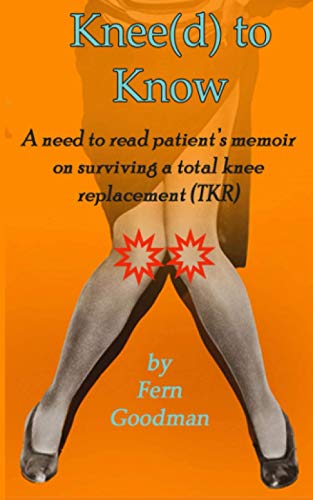
Total Knee Replacement and Rehabilitation: The Knee Owner's Manual: Brugioni, M.D. Daniel J., Falkel Ph.D. P.T., Jeff
Total Knee Replacement and Rehabilitation: The Knee Owner's Manual [Brugioni, M.D. Daniel J., Falkel Ph.D. P.T., Jeff] on Amazon.com. *FREE* shipping on qualifying offers. Total Knee Replacement

DonJoy OA (Osteoarthritis) Reaction Web Knee Support Brace: Medial Right/Lateral Left, XX-Large
The DonJoy OA (Osteoarthritis) Reaction WEB Knee Brace <strong>allows you to select the specific brace according to your affected osteoarthritis compartment and/or if you are having early cartilage de
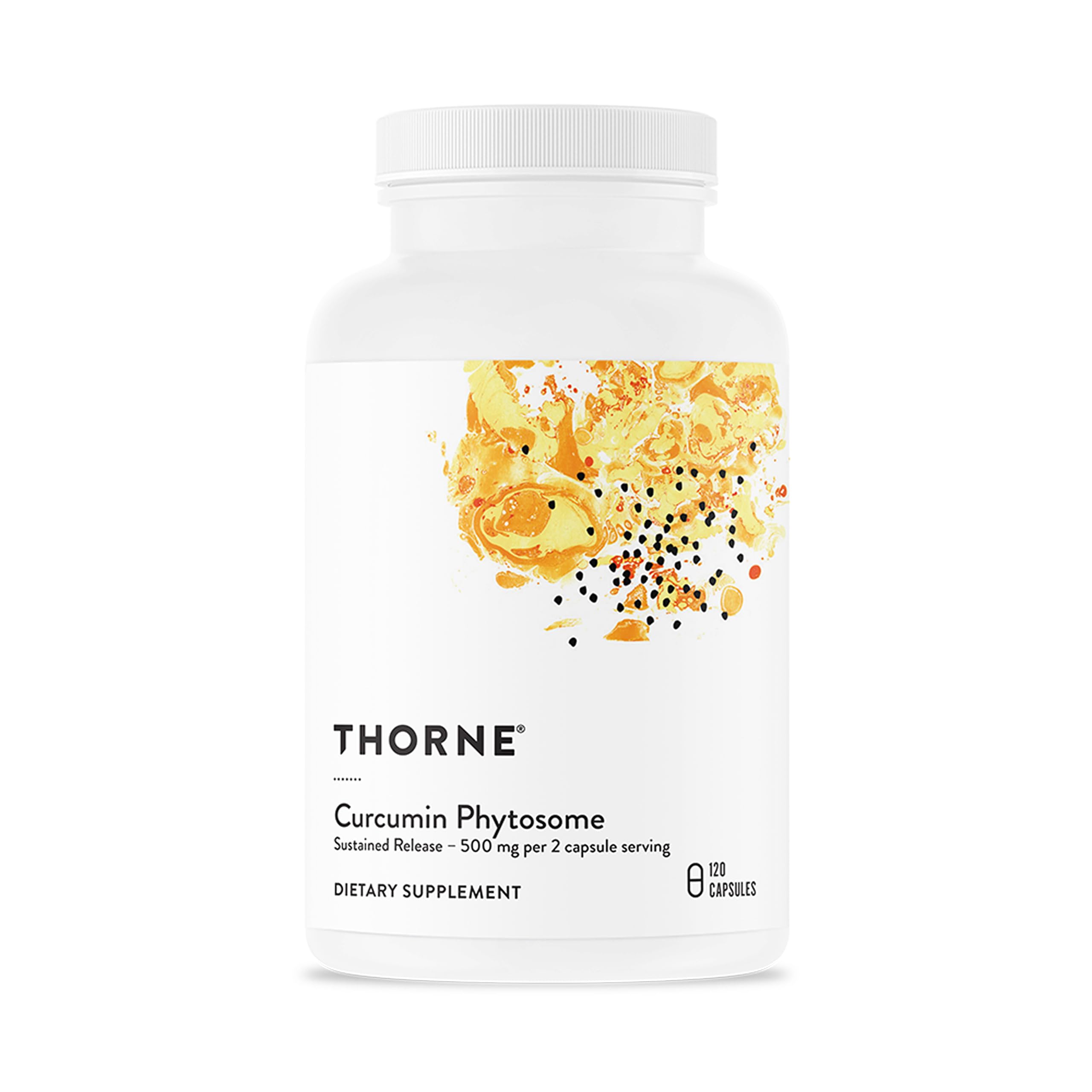
THORNE - Curcumin Phytosome 500 mg (Meriva) - Sustained Release, Clinically Studied - Supports Healthy Inflammatory Response in Joints, Muscles, GI Tract, Liver, Brain & Nerves* - 60 Servings
Buy THORNE - Curcumin Phytosome 500 mg (Meriva) - Sustained Release, Clinically Studied - <strong>Supports Healthy Inflammatory Response in Joints, Muscles, GI Tract, Liver, Brain & Nerves</strong
Health Disclaimer
This content is for informational purposes only and does not constitute medical advice. Always consult a qualified healthcare provider before starting, stopping, or changing any supplement or medication regimen.