

Hypertension and Yoga
Hypertension (high blood pressure) affects more than one billion people worldwide and is a leading driver of stroke, heart disease, kidney disease, and cognitive decline. Because blood pressure is influenced by the nervous system, stress hormones, vascular health, and lifestyle, yoga is often explored as a complementary approach alongside conventional care. Yoga is accessible, adaptable across ages and abilities, and combines movement (asana), breath regulation (pranayama), and meditation/relaxation—elements that target stress, autonomic balance, and vascular tone. How might yoga lower blood pressure? Research points to multiple, interacting pathways. Slow, diaphragmatic breathing and mind–body relaxation can rebalance the autonomic nervous system toward greater vagal (parasympathetic) activity and less sympathetic drive, reflected in improved heart rate variability and baroreflex sensitivity. Stress reduction through yoga and meditation may lower cortisol and catecholamines, easing vasoconstriction. Gentle movement and breath practices are also linked with improved endothelial function and nitric‑oxide signaling, which support healthier arterial dilation, and with reductions in inflammatory markers that contribute to vascular stiffness. Indirectly, yoga may support healthier sleep, weight, and mood—factors tied to blood pressure control. Clinical evidence is growing. Multiple randomized trials and meta-analyses suggest yoga can reduce systolic blood pressure by roughly 5–8 mmHg and diastolic by 3–5 mmHg on average, with larger effects in people who have elevated or uncontrolled blood pressure at baseline. Interventions that combine postures, slow breathing, and meditation/relaxation show the most consistent benefits, while posture-only programs yield smaller changes. Studies typically span 8–12 weeks or longer, with 2–5 sessions per week or brief daily breathing/relaxation. Limitations include variability in yoga styles, instructor training, and adherence; small,
Updated September 8, 2026This content is for informational purposes only and does not constitute medical advice. Always consult a qualified healthcare provider before starting, stopping, or changing any supplement or medication regimen.
Medical Perspectives
Two Ways of Seeing Health

Western
scientific · clinical
Western medicine applies science, technology, and clinical experience to treat symptoms through testing, diagnosis, and targeted intervention.
Surgeons · Pharmaceuticals · Clinical trials · Diagnostics 
Eastern
traditional · alternative
Eastern medicine focuses on treating the body naturally by applying traditional knowledge practiced for thousands of years, emphasizing balance and whole-person wellness.
Acupuncture · Herbal medicine · Yoga · Meditation
Gold Bamboo presents both perspectives side-by-side so you can make informed decisions. We don't advocate for one over the other — your health choices are yours.
Two Ways of Seeing Health
Western
scientific · clinical
Western medicine applies science, technology, and clinical experience to treat symptoms through testing, diagnosis, and targeted intervention.
Eastern
traditional · alternative
Eastern medicine focuses on treating the body naturally by applying traditional knowledge practiced for thousands of years, emphasizing balance and whole-person wellness.
Gold Bamboo presents both perspectives side-by-side so you can make informed decisions. We don't advocate for one over the other — your health choices are yours.
Western Perspective
Western medicine views yoga as a mind–body, low-to-moderate intensity activity that can complement standard hypertension management by reducing sympathetic tone, stress reactivity, and vascular stiffness. Trials suggest modest average blood pressure reductions, most robust when yoga includes breathing and meditation. Yoga is positioned alongside established lifestyle measures (DASH-style diet, aerobic activity, weight management, limiting alcohol, and smoking cessation) and antihypertensive medications as needed.
Key Insights
- Meta-analyses of randomized trials show average blood pressure reductions of about 5–8 mmHg systolic and 3–5 mmHg diastolic with yoga, larger in hypertensive vs. normotensive participants.
- Programs combining postures, slow breathing, and meditation/relaxation outperform posture-only yoga for blood pressure outcomes.
- Physiologic studies link yoga and slow breathing with improved heart rate variability and baroreflex sensitivity, consistent with reduced sympathetic drive.
- Small trials suggest improvements in endothelial function and inflammatory markers, though data are less consistent than for autonomic effects.
- Safety is generally favorable, but heated yoga, forceful breathing, prolonged breath holds, and full inversions can acutely raise blood pressure and are usually avoided in uncontrolled hypertension.
Treatments
- Yoga programs emphasizing slow pranayama, gentle/restorative asana, and guided relaxation or meditation
- Conventional lifestyle measures (DASH diet, aerobic exercise, weight management) combined with yoga
- Stress-management approaches (mindfulness-based programs, biofeedback)
- Standard antihypertensive pharmacotherapy with monitoring when adding yoga
Deep Dive
From a Western clinical standpoint, hypertension reflects sustained elevations in arterial pressure driven by genetic predisposition, environmen... From a Western clinical standpoint, hypertension reflects sustained elevations in arterial pressure driven by genetic predisposition, environmental stressors, autonomic imbalance, hormonal factors, vascular stiffness, and lifestyle. Yoga is investigated as a complementary therapy because it engages multiple mechanisms relevant to these pathways. Randomized trials and pooled analyses report modest average reductions—roughly 5–8 mmHg systolic and 3–5 mmHg diastolic—with greater effects in individuals who start with higher blood pressure. These magnitudes, while smaller than many medications, are clinically meaningful at a population level and similar to other lifestyle strategies when practiced consistently. Mechanistically, yoga’s slow, regulated breathing and relaxation responses appear central. Studies show increased heart rate variability and baroreflex sensitivity with slow breathing, consistent with enhanced parasympathetic (vagal) tone and reduced sympathetic drive—changes that promote vasodilation and lower peripheral resistance. Small trials also suggest improved endothelial function (e.g., better flow-mediated dilation) and reductions in inflammatory mediators, which could translate into less arterial stiffness over time. Programs that integrate postures, pranayama, and meditation outperform posture-only routines, indicating that autonomic downregulation and stress relief are key drivers of blood pressure benefit. Clinically, yoga is best positioned as an adjunct to guideline-based care: DASH-style eating patterns, regular aerobic/strength activity, weight management, limited alcohol, and pharmacotherapy when indicated. Safety is favorable, but caution is warranted with practices that acutely raise intrathoracic and arterial pressures—forceful breathing (e.g., Kapalabhati, Bhastrika), prolonged breath retention, heated/high-intensity classes, and full inversions—especially in uncontrolled hypertension. When yoga is added to existing antihypertensive medication, further blood pressure reductions are possible; therefore, monitoring for symptoms of hypotension (lightheadedness, dizziness) and regular home BP checks are prudent. Research gaps include larger, longer-duration trials with standardized protocols, better characterization of dose–response (frequency/intensity), and stratification by hypertension phenotype and comorbidities.
Sources
- Whelton PK et al. 2017 ACC/AHA Guideline for High Blood Pressure. Hypertension. 2018.
- Levine GN et al. Meditation and Cardiovascular Risk Reduction. J Am Heart Assoc. 2017.
- Cramer H et al. Yoga for cardiovascular risk factors: systematic review and meta-analysis. Int J Cardiol. 2014.
- Hagins M et al. Effectiveness of yoga for hypertension: systematic review and meta-analysis. Evid Based Complement Alternat Med. 2013.
- Tyagi A, Cohen M. Yoga and heart rate variability: a review. Int J Yoga. 2016.
- Pascoe MC et al. Yoga and stress physiology: meta-analysis. Psychoneuroendocrinology. 2017.
- Patil SG et al. Yoga and endothelial function/arterial stiffness: RCT. Complement Ther Med. 2015.
Eastern Perspective
In traditional yogic and Ayurvedic frameworks, hypertension arises from disturbances in prana (vital energy), heightened rajas (agitation) of the mind, and aggravations of Vata and Pitta that disturb the flow in the channels (srotas), especially those of the blood (rakta). Yoga is used to restore balance through breath-centered movement, mental steadiness, and relaxation, cultivating sattva (clarity/calm). Emphasis is placed on gentle, cooling, and grounding practices, regularity of routine, and mindful living to downshift reactivity and tension.
Key Insights
- Pranayama such as Nadi Shodhana (alternate-nostril), Bhramari (humming), and slow diaphragmatic breathing calm Vata, cool Pitta, and are traditionally recommended for high tension states.
- Restorative, supported postures and mindful pacing reduce effort, limit strain, and favor parasympathetic dominance.
- Meditation, mantra, and Yoga Nidra reduce ruminative thought and cultivate equanimity, aligning with modern findings on stress physiology.
- Lifestyle elements—sattvic diet, adequate sleep, self-massage with warm oil (abhyanga), and contemplative practices—are used to sustain autonomic balance.
Treatments
- Slow pranayama (Nadi Shodhana, Bhramari, lengthened exhalation)
- Restorative/Iyengar-inspired asana with props; gentle Hatha flows
- Guided relaxation and meditation (Yoga Nidra, mantra japa)
- Ayurvedic lifestyle supports (routine, sleep hygiene, calming daily rituals)
Deep Dive
Traditional yoga and Ayurveda conceptualize hypertension as a disturbance of prana and mental agitation (rajas), with excess Vata and Pitta disr... Traditional yoga and Ayurveda conceptualize hypertension as a disturbance of prana and mental agitation (rajas), with excess Vata and Pitta disrupting the flow through the body’s channels. The therapeutic aim is to cultivate steadiness and cool the system through breath-centered practice, mindful movement, and deep rest. In this view, gentle, supported postures (often Iyengar-influenced), slow pranayama emphasizing elongated, easeful exhalation (e.g., Nadi Shodhana, Bhramari), and contemplative practices (meditation, mantra, Yoga Nidra) are primary. The desired experiential markers are calm, unforced breathing; a relaxed jaw and face; and a quieted mind—all proxies for parasympathetic predominance. This paradigm aligns with modern findings that show slow breathing and relaxation lower sympathetic arousal and improve heart rate variability. Ayurvedic recommendations extend beyond the mat, encouraging a regular daily rhythm, adequate sleep, and sattvic dietary choices to sustain autonomic balance. Touch therapies like warm oil self-massage (abhyanga) may be used to ground Vata, while breath practices that avoid strain protect against provoking Pitta-type heat. Traditional guidance discourages practices that generate intense heat or pressure—including vigorous, competitive pacing; strong breath manipulations; extended breath holds; and head‑below‑heart inversions—for those with high blood pressure. Instead, sequencing prioritizes floor-based, supported poses, gentle spinal movements, and a long, quiet savasana, often accompanied by mantra or guided relaxation. In integrative settings, these time-honored principles are adapted to contemporary safety standards: sessions are titrated to comfort, teachers screen for dizziness or headaches, and transitions are gradual to avoid blood pressure swings. Collaboration with conventional clinicians helps determine who may benefit from supervised therapeutic yoga—such as those with stage 2 hypertension, target‑organ damage, or cardiovascular disease—so that practice complements, rather than replaces, medications and lifestyle measures.
Sources
- Hatha Yoga Pradipika (classic yoga text)
- Caraka Samhita (Ayurvedic classic)
- NCCIH: Yoga—What You Need To Know
- IAYT educational resources on yoga therapy for cardiometabolic health
- Modern RCTs/meta-analyses listed under Western sources supporting these traditional practices
Evidence Ratings
Yoga reduces systolic blood pressure by ~5–8 mmHg and diastolic by ~3–5 mmHg on average in adults with elevated BP.
Cramer H et al. Int J Cardiol. 2014; Hagins M et al. Evid Based Complement Alternat Med. 2013.
Yoga programs that include postures, slow breathing, and meditation produce larger BP reductions than posture-only programs.
Hagins M et al. 2013 meta-analysis; subgroup analyses in Cramer H et al. 2014.
Slow diaphragmatic breathing (~6 breaths/min) increases baroreflex sensitivity and reduces sympathetic activity.
Bernardi L et al. Heart. 2001; Tyagi A, Cohen M. Int J Yoga. 2016 (review).
Yoga practice improves heart rate variability, suggesting enhanced vagal tone.
Tyagi A, Cohen M. Int J Yoga. 2016.
Yoga may improve endothelial function and reduce arterial stiffness in small trials.
Patil SG et al. Complement Ther Med. 2015.
Yoga and meditation reduce perceived stress and cortisol levels.
Pascoe MC et al. Psychoneuroendocrinology. 2017.
Adding yoga to standard care can further lower BP compared with usual care alone, though trials are small and heterogeneous.
Cramer H et al. Int J Cardiol. 2014; Selected RCTs within meta-analyses.
Forceful breathing, prolonged breath retention, and full inversions can transiently raise BP and are generally discouraged in uncontrolled hypertension.
ACSM Guidelines for Exercise Testing & Prescription; IAYT yoga therapy safety resources.
Sources
- Whelton PK, Carey RM, Aronow WS, et al. 2017 ACC/AHA Guideline for High Blood Pressure in Adults. Hypertension. 2018;71(6):e13–e115.
- Levine GN, Lange RA, Bairey Merz CN, et al. Meditation and Cardiovascular Risk Reduction: A Scientific Statement From the American Heart Association. J Am Heart Assoc. 2017;6(10):e002218.
- Cramer H, Haller H, Lauche R, Steckhan N, Michalsen A, Dobos G. Yoga for cardiovascular disease risk factors: A systematic review and meta-analysis. Int J Cardiol. 2014;173(2):170–183.
- Hagins M, States R, Selfe T, Innes K. Effectiveness of yoga for hypertension: Systematic review and meta-analysis. Evid Based Complement Alternat Med. 2013;2013:649836.
- Tyagi A, Cohen M. Yoga and heart rate variability: A comprehensive review. Int J Yoga. 2016;9(2):97–113.
- Bernardi L, Porta C, Gabutti A, Spicuzza L, Sleight P. Modulatory effects of respiration on autonomic function in humans. Heart. 2001;86(2):189–194.
- Pascoe MC, Thompson DR, Ski CF. Yoga, mindfulness-based stress reduction and stress-related physiological measures: A meta-analysis. Psychoneuroendocrinology. 2017;86:152–168.
- Patil SG, Aithala MR, Das KK. Effect of yoga on arterial stiffness in elderly subjects with increased pulse pressure: A randomized controlled study. Complement Ther Med. 2015;23(4):562–569.
- NCCIH. Yoga: What You Need To Know. Updated 2022.
- International Association of Yoga Therapists (IAYT) resources on cardiovascular conditions and yoga therapy.
Related Topics
Recommended Products

Yoga as Medicine: The Yogic Prescription for Health and Healing: Yoga Journal, McCall, Timothy
Timothy McCall, M.D. is a <strong>board-certified internist, Yoga Journal's Medical Editor since 2002 and the bestselling author of Yoga as Medicine</strong>, and his latest, Saving My Neck: A Do
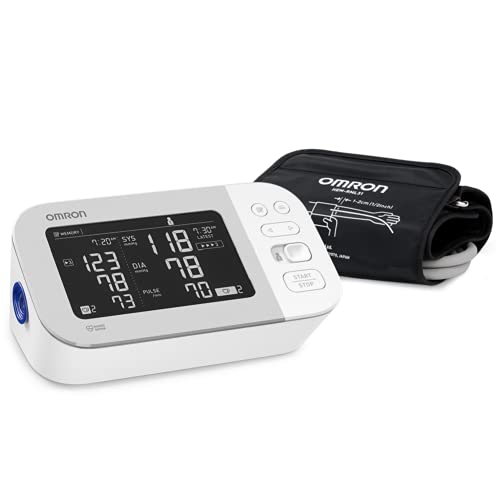
OMRON Platinum Blood Pressure Monitor, Upper Arm Cuff, Digital Bluetooth Blood Pressure Machine, Stores Up To 200 Readings for Two Users (100 readings each) : Everything Else
Buy OMRON Platinum Blood Pressure Monitor, Upper Arm Cuff, Digital Bluetooth Blood Pressure Machine, Stores Up To 200 Readings for Two Users (100 readings each) on Amazon.com ✓ FREE SHIPPING on qualif
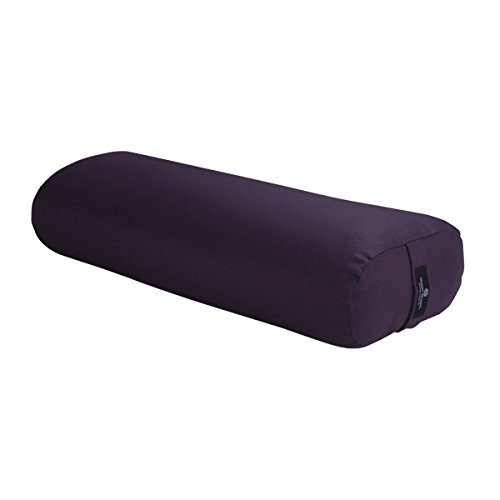
Hugger Mugger Standard Yoga Bolster
Hugger Mugger Standard Yoga Bolster - <strong>Firm, Supportive, Handmade, Durable</strong> · Manduka enlight Bolster Pillow - Yoga Pillow with Machine Washable Microfiber Cover, Curved Design for Opti
Health Disclaimer
This content is for informational purposes only and does not constitute medical advice. Always consult a qualified healthcare provider before starting, stopping, or changing any supplement or medication regimen.