

Hypertension and DASH Diet
Hypertension—chronically elevated blood pressure—is among the most common cardiovascular risks worldwide and a major driver of heart attack, stroke, heart failure, kidney disease, and premature mortality. Many adults have blood pressure above current targets set by major guidelines, and risk typically rises with age, excess sodium intake, sedentary lifestyle, alcohol use, obesity, and genetic factors. Because diet influences vascular tone, fluid balance, and metabolic health, nutrition is a central non-drug strategy to help manage blood pressure alongside medications when needed. The DASH (Dietary Approaches to Stop Hypertension) diet is a well-studied eating pattern built around fruits, vegetables, legumes, nuts, whole grains, and low-fat dairy; it emphasizes lean proteins, limits added sugars and refined grains, and reduces sodium. It naturally raises dietary potassium, magnesium, calcium, and fiber—nutrients associated with healthier vascular function. Landmark clinical trials show that DASH lowers systolic blood pressure by several millimeters of mercury within weeks, with larger reductions when paired with lower sodium intake. Meta-analyses of randomized trials confirm these benefits across diverse groups, independent of weight change; greater weight loss and regular physical activity add further improvements. Physiologically, DASH works through multiple pathways. Lower sodium reduces fluid retention and vascular stiffness, while higher potassium counters sodium’s effects and supports natriuresis and vasodilation. Magnesium and calcium contribute to smooth muscle regulation and endothelial function. The overall pattern also improves insulin sensitivity and dampens low-grade inflammation, which can benefit arterial health. In trials, meaningful blood pressure changes often appear in 1–4 weeks; average reductions are commonly in the mid–single digits for systolic pressure, with larger effects among people with hypertension and when sodium is lower—sometimes in
Updated September 8, 2026This content is for informational purposes only and does not constitute medical advice. Always consult a qualified healthcare provider before starting, stopping, or changing any supplement or medication regimen.
Medical Perspectives
Two Ways of Seeing Health

Western
scientific · clinical
Western medicine applies science, technology, and clinical experience to treat symptoms through testing, diagnosis, and targeted intervention.
Surgeons · Pharmaceuticals · Clinical trials · Diagnostics 
Eastern
traditional · alternative
Eastern medicine focuses on treating the body naturally by applying traditional knowledge practiced for thousands of years, emphasizing balance and whole-person wellness.
Acupuncture · Herbal medicine · Yoga · Meditation
Gold Bamboo presents both perspectives side-by-side so you can make informed decisions. We don't advocate for one over the other — your health choices are yours.
Two Ways of Seeing Health
Western
scientific · clinical
Western medicine applies science, technology, and clinical experience to treat symptoms through testing, diagnosis, and targeted intervention.
Eastern
traditional · alternative
Eastern medicine focuses on treating the body naturally by applying traditional knowledge practiced for thousands of years, emphasizing balance and whole-person wellness.
Gold Bamboo presents both perspectives side-by-side so you can make informed decisions. We don't advocate for one over the other — your health choices are yours.
Western Perspective
Western clinical medicine views the DASH diet as a first-line lifestyle intervention for elevated blood pressure. It is supported by randomized controlled trials and meta-analyses demonstrating clinically meaningful reductions in systolic and diastolic blood pressure, with additive benefits when combined with reduced sodium intake, weight loss, and regular physical activity.
Key Insights
- Randomized trials (DASH and DASH-Sodium) show significant blood pressure reductions within weeks; effects are larger with lower sodium and in hypertensive individuals.
- Benefits of DASH occur even without weight loss, indicating nutrient composition and food pattern drive much of the effect.
- Combining DASH with comprehensive lifestyle changes (weight loss, exercise, limited alcohol) yields greater blood pressure reductions and improved control rates.
- Physiological mechanisms include reduced extracellular volume (lower sodium), enhanced natriuresis and vasodilation (higher potassium), and improved endothelial function (mineral- and phytonutrient-rich foods).
Treatments
- DASH dietary pattern
- Sodium reduction within guideline-recommended ranges
- Aerobic and resistance exercise
- Weight management and behavioral counseling
- Limiting alcohol and avoiding tobacco
Deep Dive
From a western clinical perspective, hypertension is a leading, modifiable risk factor for cardiovascular and kidney disease. Even small average... From a western clinical perspective, hypertension is a leading, modifiable risk factor for cardiovascular and kidney disease. Even small average reductions in population blood pressure prevent substantial numbers of heart attacks and strokes. Lifestyle therapy is therefore a cornerstone of care, with dietary patterns playing a central role. The DASH dietary pattern was designed and tested explicitly to lower blood pressure. In the original DASH randomized trial, participants following a diet rich in fruits, vegetables, whole grains, legumes, nuts, and low-fat dairy—while limiting sweets and refined grains—experienced significant drops in systolic and diastolic blood pressure within two weeks compared with a typical control diet. The DASH-Sodium trial subsequently showed that reducing sodium intake enhances these benefits, with the largest reductions observed among participants with hypertension on the lower-sodium DASH variant. Mechanistically, the diet improves blood pressure via multiple complementary pathways. Lower sodium curbs extracellular fluid and reduces arterial stiffness; higher potassium promotes natriuresis and vasodilation; magnesium and calcium support smooth muscle and endothelial function; and the overall pattern, rich in fiber and phytonutrients, improves insulin sensitivity and low-grade inflammation. Importantly, these effects are measurable even without weight loss, though coupling DASH with caloric moderation and physical activity amplifies the impact. Trials such as PREMIER and ENCORE demonstrate that combining DASH with structured exercise, behavioral counseling, and weight loss yields greater blood pressure reductions and higher control rates than either approach alone. Clinically, DASH is recommended as a first-line intervention in major guidelines. Benefits typically emerge within 1–4 weeks, with average systolic reductions in the mid–single digits, and larger effects among individuals with hypertension and with more substantial sodium reduction. While many patients also need medications to achieve targets, DASH can be synergistic with pharmacotherapy, potentially allowing for simpler regimens under clinician guidance. Safety considerations include monitoring potassium levels in chronic kidney disease or when taking medications that raise potassium, and selecting suitable dairy or fortified alternatives for those with lactose intolerance. Ongoing follow-up with home and clinic blood pressure monitoring helps tailor the overall plan.
Sources
- Appel LJ et al. A clinical trial of the effects of dietary patterns on blood pressure (DASH). N Engl J Med. 1997.
- Sacks FM et al. Effects on blood pressure of reduced dietary sodium and the DASH diet (DASH-Sodium). N Engl J Med. 2001.
- Svetkey LP et al. PREMIER trial: Comprehensive lifestyle modification. JAMA. 2003.
- Blumenthal JA et al. ENCORE study: DASH with exercise/weight loss. Arch Intern Med. 2010.
- Whelton PK et al. 2017 ACC/AHA Guideline for the Prevention, Detection, Evaluation, and Management of High Blood Pressure.
- Filippou CD et al. DASH diet and blood pressure: Updated meta-analysis of RCTs. J Hypertens. 2020.
Eastern Perspective
Traditional and integrative medicine systems emphasize dietary balance, moderation of salty and heavy foods, stress regulation, and daily movement—principles that align with DASH’s emphasis on plant-forward, minimally processed foods. While frameworks differ—e.g., Traditional Chinese Medicine (TCM) patterns such as Liver Yang rising or phlegm-dampness, or Ayurveda’s pitta/vata imbalances—the practical advice often echoes lower-sodium, high-vegetable, whole-grain patterns and mind–body practices that complement medical care.
Key Insights
- TCM dietary guidance often limits very salty, greasy, and alcohol-heavy foods, favoring vegetables, legumes, and fruits to reduce internal "heat" and phlegm—paralleling the DASH emphasis on produce and reduced sodium.
- Ayurveda emphasizes sattvic, minimally processed foods, whole grains, legumes, and adequate hydration; spices like garlic and turmeric are traditionally used to support vascular health.
- Mind–body practices (yoga, qigong, meditation, breathwork) may lower sympathetic drive and modestly reduce blood pressure, complementing dietary patterns such as DASH.
- Herbal supports (e.g., hawthorn in TCM) are traditionally used for cardiovascular balance; modern evidence is preliminary and should be integrated cautiously with clinical care.
Treatments
- TCM-informed diet emphasizing vegetables/legumes and reduced salty/greasy foods
- Ayurvedic dietary pattern (sattvic emphasis) with gentle spices
- Yoga or qigong and meditation/breathwork for stress modulation
- Acupuncture as adjunctive therapy
Deep Dive
Traditional systems approach high blood pressure through the lenses of balance, moderation, and mind–body harmony, offering complementary strate... Traditional systems approach high blood pressure through the lenses of balance, moderation, and mind–body harmony, offering complementary strategies that resonate with the DASH pattern. In Traditional Chinese Medicine (TCM), hypertension may be interpreted as manifestations of Liver Yang rising, internal wind, or phlegm-dampness. Dietary therapy aims to calm excess and clear dampness by emphasizing vegetables, legumes, fruits, and lightly prepared whole foods, while limiting very salty, greasy, or alcohol-heavy fare. This guidance echoes the lower-sodium, plant-rich character of DASH. Additional TCM approaches, including acupuncture and qigong, are used to regulate qi and reduce stress reactivity—factors thought to influence vascular tone. Ayurveda frames hypertension in terms of imbalances in doshas—often pitta and vata—with management centered on sattvic (pure, balanced) foods, whole grains, legumes, and gentle spices such as garlic and turmeric, alongside daily routines that encourage restorative sleep and regular elimination. Mind–body practices, including yoga asana, breathwork (pranayama), and meditation, are used to calm the nervous system; modern trials suggest modest blood pressure reductions from these practices, making them reasonable adjuncts to dietary change in an integrative plan. Across these traditions, the common threads are: reduce heavy, salty, and highly processed foods; increase fresh, plant-forward meals; cultivate mindful eating; and practice regular movement and stress regulation. While the explanatory models differ from western pathophysiology, the practical overlap with DASH is substantial. Evidence for specific traditional herbs (e.g., hawthorn) and tailored constitutional diets is still emerging and should be integrated thoughtfully with clinician oversight, particularly when people are taking antihypertensive medications or have kidney disease. In this integrative view, a DASH-aligned diet provides the nutritional foundation, while TCM or Ayurvedic dietary principles and mind–body practices can personalize and support adherence, stress resilience, and overall well-being.
Sources
- Liu G et al. Traditional Chinese medicine dietary therapy for hypertension: review. Altern Ther Health Med. 2015.
- Cramer H et al. Yoga for hypertension: systematic review/meta-analysis. Am J Hypertens. 2014.
- Zamora-Ros R et al. Hawthorn (Crataegus) and cardiovascular health: review. Phytother Res. 2012.
- Patwardhan B et al. Ayurveda and integrative approaches to cardiovascular health. Evid Based Complement Alternat Med. 2015.
Evidence Ratings
The DASH diet lowers systolic and diastolic blood pressure within weeks compared with control diets.
Appel LJ et al. N Engl J Med. 1997; Filippou CD et al. J Hypertens. 2020 (meta-analysis).
Reducing sodium intake further augments the blood pressure–lowering effect of DASH, especially in hypertensive adults.
Sacks FM et al. N Engl J Med. 2001 (DASH-Sodium).
DASH’s blood pressure benefits occur even without weight loss, indicating independent nutrient-pattern effects.
Appel LJ et al. N Engl J Med. 1997; Siervo M et al. Am J Clin Nutr. 2015 (meta-analysis).
Combining DASH with weight loss and exercise produces greater blood pressure reductions than either alone.
Svetkey LP et al. JAMA. 2003 (PREMIER); Blumenthal JA et al. Arch Intern Med. 2010 (ENCORE).
Higher dietary potassium intake reduces blood pressure and counters sodium’s hypertensive effects.
Aburto NJ et al. BMJ. 2013 (systematic review).
Yoga and related mind–body practices modestly reduce blood pressure and may complement dietary changes.
Cramer H et al. Am J Hypertens. 2014 (systematic review/meta-analysis).
TCM and Ayurvedic dietary guidance aligns with reduced salty, processed foods and increased plant foods; direct RCT evidence specific to these systems for hypertension is limited.
Patwardhan B et al. Evid Based Complement Alternat Med. 2015; Liu G et al. Altern Ther Health Med. 2015.
Sources
- Appel LJ et al. A clinical trial of the effects of dietary patterns on blood pressure. N Engl J Med. 1997;336:1117-1124.
- Sacks FM et al. Effects on blood pressure of reduced dietary sodium and the DASH diet. N Engl J Med. 2001;344:3-10.
- Svetkey LP et al. Effect of comprehensive lifestyle modification on blood pressure control (PREMIER). JAMA. 2003;289:2083-2093.
- Blumenthal JA et al. Effects of the DASH diet alone and in combination with exercise and weight loss (ENCORE). Arch Intern Med. 2010;170:126-135.
- Filippou CD et al. The effect of the DASH diet on blood pressure: an updated systematic review and meta-analysis of RCTs. J Hypertens. 2020;38:155-166.
- Siervo M et al. Effects of the DASH diet on blood pressure in randomized trials: meta-analysis. Am J Clin Nutr. 2015;102:398-414.
- Aburto NJ et al. Effect of increased potassium intake on cardiovascular risk factors and disease. BMJ. 2013;346:f1378.
- Whelton PK et al. 2017 ACC/AHA Guideline for the prevention, detection, evaluation, and management of high blood pressure in adults. Hypertension. 2018;71:e13–e115.
- Cramer H et al. Yoga for hypertension: systematic review and meta-analysis. Am J Hypertens. 2014;27:1146-1151.
Related Topics
Topics
- Cardiovascular disease
- Stroke
- Chronic kidney disease
- Sodium
Recommended Products

The DASH Diet Action Plan: Proven to Boost Weight Loss and Improve Health (A DASH Diet Book): Heller, Marla
Unlike any diet before it, DASH, which stands for Dietary Approaches to Stop Hypertension, came out of groundbreaking NIH-funded research. Now, Marla Heller, MS, RD, who was trained by one of the prim
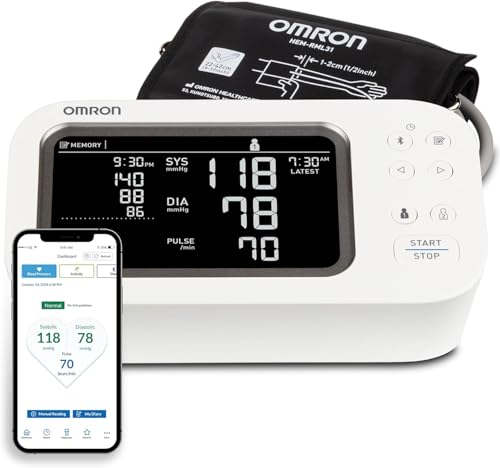
OMRON Platinum Blood Pressure Monitor for Home Use & Upper Arm Blood Pressure Cuff - #1 Doctor & Pharmacist Recommended Brand - Clinically Validated - AFib Detection - Connect App
CONFIDENCE IN EVERY READING: Monitor your heart health with the OMRON Platinum Upper Arm Blood Pressure Monitor's <strong>Advanced Accuracy with AFib Detection Technology</strong>; Store up to 10
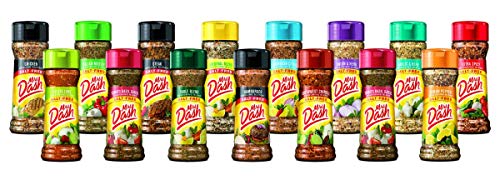
Mrs Dash Seasoning Salt Free Variety Pack, 12 Bottles Complete Set, A Healthier Option Salt Free Spices, Mrs. Dash No Salt Seasoning with Measuring Spoon by Erbies
Dash Seasoning Salt Free Spices ... and Seasonings no salt pack includes <strong>1 bottle each of twelve distinct flavors such as garlic extra spicy chili seasoning and original blends</strong>....
Health Disclaimer
This content is for informational purposes only and does not constitute medical advice. Always consult a qualified healthcare provider before starting, stopping, or changing any supplement or medication regimen.