

Hypertension and Calcium channel blockers
Hypertension (high blood pressure) is one of the most common chronic conditions worldwide and a leading modifiable risk factor for heart attack, stroke, heart failure, chronic kidney disease, and premature death. In the United States, nearly half of adults have hypertension by current definitions, and only a portion achieve recommended targets, which are commonly less than 130/80 mm Hg for most adults at elevated cardiovascular risk. Pharmacologic control matters because sustained reductions in blood pressure translate into fewer cardiovascular events and lower mortality in large clinical trials. Calcium channel blockers (CCBs) are a first‑line class of antihypertensive medicines. They inhibit L‑type calcium channels, relaxing vascular smooth muscle and, for certain agents, slowing conduction through the heart. Two major subclasses exist: dihydropyridines (e.g., amlodipine, nifedipine, felodipine) that primarily dilate arteries to lower blood pressure, and non‑dihydropyridines (verapamil, diltiazem) that also reduce heart rate and contractility. Amlodipine and other long‑acting dihydropyridines are widely used for isolated systolic hypertension and in older or Black adults, where they often work especially well. Non‑dihydropyridines are useful when rate control is also desired (for example, in certain arrhythmias) but are generally avoided in heart failure with reduced ejection fraction. In comparative trials, long‑acting dihydropyridines lower blood pressure and reduce major cardiovascular events on par with other first‑line drug classes. They are commonly combined with ACE inhibitors, ARBs, or thiazide diuretics when a single agent is not enough. Typical adverse effects of dihydropyridines include ankle swelling, flushing, headache, and palpitations; non‑dihydropyridines can cause slow heart rate, constipation (verapamil), and, rarely, heart block. Immediate‑release nifedipine is generally avoided for hypertensive emergencies. Monitoring usually includes home or
Updated September 8, 2026This content is for informational purposes only and does not constitute medical advice. Always consult a qualified healthcare provider before starting, stopping, or changing any supplement or medication regimen.
Medical Perspectives
Two Ways of Seeing Health

Western
scientific · clinical
Western medicine applies science, technology, and clinical experience to treat symptoms through testing, diagnosis, and targeted intervention.
Surgeons · Pharmaceuticals · Clinical trials · Diagnostics 
Eastern
traditional · alternative
Eastern medicine focuses on treating the body naturally by applying traditional knowledge practiced for thousands of years, emphasizing balance and whole-person wellness.
Acupuncture · Herbal medicine · Yoga · Meditation
Gold Bamboo presents both perspectives side-by-side so you can make informed decisions. We don't advocate for one over the other — your health choices are yours.
Two Ways of Seeing Health
Western
scientific · clinical
Western medicine applies science, technology, and clinical experience to treat symptoms through testing, diagnosis, and targeted intervention.
Eastern
traditional · alternative
Eastern medicine focuses on treating the body naturally by applying traditional knowledge practiced for thousands of years, emphasizing balance and whole-person wellness.
Gold Bamboo presents both perspectives side-by-side so you can make informed decisions. We don't advocate for one over the other — your health choices are yours.
Western Perspective
Western medicine regards calcium channel blockers (CCBs) as one of four first‑line drug classes for treating hypertension. Long‑acting dihydropyridines (e.g., amlodipine) are preferred for routine blood‑pressure lowering; non‑dihydropyridines (verapamil, diltiazem) are chosen when heart‑rate control is needed. The choice is individualized based on age, comorbidities (e.g., coronary disease, arrhythmias, heart failure), race/ethnicity patterns of response, and drug–drug interactions.
Key Insights
- Long‑acting dihydropyridine CCBs reduce cardiovascular events comparably to thiazides, ACE inhibitors, and ARBs; they are guideline‑endorsed first‑line options.
- Older adults and many Black patients often respond well to dihydropyridine CCBs, especially for isolated systolic hypertension.
- Non‑dihydropyridines lower heart rate and are used for rate control in atrial fibrillation, but are contraindicated in heart failure with reduced ejection fraction or significant conduction disease.
- Common adverse effects include peripheral edema (dihydropyridines) and constipation/bradycardia (verapamil/diltiazem). Edema risk is reduced when combined with an ACE inhibitor or ARB.
- Important interactions include CYP3A4 inhibitors (e.g., grapefruit, certain macrolides, azoles) that raise CCB levels and CYP3A4 inducers (e.g., St. John’s wort) that lower levels. Verapamil/diltiazem also raise levels of other drugs (e.g., simvastatin, some DOACs, digoxin).
Treatments
- Amlodipine, nifedipine ER, felodipine (dihydropyridines)
- Verapamil, diltiazem (non‑dihydropyridines)
- Combination therapy with ACE inhibitor/ARB or thiazide
- Lifestyle measures: DASH diet, sodium reduction, weight management, exercise
Deep Dive
Hypertension is highly prevalent and a major driver of cardiovascular morbidity and mortality. Contemporary guidelines endorse several first‑lin... Hypertension is highly prevalent and a major driver of cardiovascular morbidity and mortality. Contemporary guidelines endorse several first‑line medications; among them, calcium channel blockers (CCBs) occupy a prominent role. By blocking L‑type calcium channels, dihydropyridine CCBs relax arterial smooth muscle, lowering systemic vascular resistance and systolic pressure—particularly effective in older adults with stiffened arteries and in many Black patients. Amlodipine and other long‑acting formulations produce smooth, 24‑hour control and robust outcome benefits comparable to thiazide diuretics, ACE inhibitors, and ARBs in large trials like ALLHAT. Non‑dihydropyridines (verapamil, diltiazem) add cardiac effects—slowing AV‑node conduction and decreasing contractility—useful for rate control in atrial fibrillation or angina. These same properties, however, make them inappropriate in heart failure with reduced ejection fraction or in significant conduction disease. Dihydropyridines’ primary adverse effect is dose‑related peripheral edema; pairing with a renin–angiotensin system blocker (ACE inhibitor/ARB) often mitigates this. Verapamil commonly causes constipation; both verapamil and diltiazem can lead to bradycardia or heart block, especially with concurrent beta‑blockers. CCB pharmacology intersects with drug metabolism. Many agents are CYP3A4 substrates; inhibitors such as grapefruit, azole antifungals, and clarithromycin can raise CCB levels, increasing hypotension or edema risk. Conversely, inducers like St. John’s wort may lower levels and blunt efficacy. Verapamil/diltiazem inhibit CYP3A4 and P‑glycoprotein, elevating co‑medications such as simvastatin (necessitating dose limits), some direct oral anticoagulants, and digoxin. Clinicians monitor home and office blood pressures, heart rate, edema, and, when indicated, ECGs and potential drug interactions. In special populations, long‑acting dihydropyridines are favored in the elderly and in isolated systolic hypertension; nifedipine ER is commonly used during pregnancy; non‑dihydropyridines are avoided in HFrEF. Most patients require combination therapy, and fixed‑dose combinations can support adherence. Patient‑centered counseling emphasizes what to expect (gradual BP lowering over days to weeks), the importance of consistent daily dosing, watching for ankle swelling, flushing, dizziness, slow pulse (with non‑DHPs), and promptly seeking care for severe lightheadedness/syncope, rapidly worsening swelling with shortness of breath, or new chest pain. Discussing diet, alcohol, and all over‑the‑counter or herbal products is essential to minimize interactions and optimize outcomes.
Sources
- Whelton PK et al. 2017 ACC/AHA Hypertension Guideline. Hypertension. 2018.
- NICE NG136: Hypertension in adults: diagnosis and management. 2019 (updates ongoing).
- ALLHAT Collaborative Research Group. Major outcomes in high‑risk hypertensive patients randomized to CCB vs diuretic. JAMA. 2002.
- SPRINT Research Group. Intensive vs standard blood‑pressure control. N Engl J Med. 2015.
- Heidenreich PA et al. 2022 AHA/ACC/HFSA Heart Failure Guideline. Circulation. 2022.
Eastern Perspective
Traditional systems view hypertension as a disturbance in circulation and balance. In Traditional Chinese Medicine (TCM), patterns such as Liver yang rising, internal wind, phlegm‑damp accumulation, or Kidney yin deficiency are often considered. Ayurveda describes imbalances in Vata and Pitta and disturbances in Rasa/Rakta dhatus. Mind–body therapies (e.g., acupuncture, Tai Chi/Qigong, yoga, meditation) aim to calm sympathetic overactivity and improve vascular tone. Certain botanicals have been traditionally used to support healthy blood pressure but may interact with CCBs.
Key Insights
- Acupuncture and meditative movement (Tai Chi/Qigong) may produce modest blood‑pressure reductions and stress relief; evidence quality ranges from low to moderate.
- Garlic preparations demonstrate modest systolic pressure reductions in hypertensive individuals in meta‑analyses; effects may be additive with CCBs.
- Hawthorn has traditional cardiovascular use; limited modern evidence suggests mild blood‑pressure and rate effects, with potential additive hypotension.
- Rauwolfia serpentina (source of reserpine) is historically antihypertensive but carries notable adverse‑effect concerns; modern use is limited and should be medically supervised.
- Herb–drug interactions are important: grapefruit (not a herb but common in CAM diets) inhibits CYP3A4 and can raise many CCB levels; St. John’s wort may lower levels via induction.
Treatments
- Acupuncture
- Tai Chi or Qigong
- Garlic (Allium sativum) preparations
- Hawthorn (Crataegus)
- Mindfulness/meditation; yoga (gentle forms)
Deep Dive
Traditional and integrative frameworks approach hypertension as a multidimensional imbalance involving stress, autonomic tone, fluid metabolism,... Traditional and integrative frameworks approach hypertension as a multidimensional imbalance involving stress, autonomic tone, fluid metabolism, and vascular reactivity. In Traditional Chinese Medicine (TCM), patterns such as Liver yang rising or phlegm‑damp accumulation may underlie headaches, dizziness, and tension. Treatment combines acupuncture points aimed at calming yang, settling wind, and harmonizing the Liver–Kidney axis, together with lifestyle guidance on sleep, diet, and movement. Evidence suggests acupuncture and meditative movement (Tai Chi, Qigong) can modestly lower blood pressure and improve perceived stress, which may complement pharmacologic therapy for overall risk reduction, though study quality is variable and effects are generally modest. Ayurveda similarly emphasizes balancing Vata/Pitta through gentle routines, breathing practices, and botanicals. Historically, Rauwolfia serpentina (source of reserpine) was used to lower blood pressure, demonstrating that botanical paths can meaningfully influence physiology; however, concerns about depressive symptoms and other adverse effects limit modern use without medical oversight. Garlic has more favorable contemporary evidence for modest systolic reductions in hypertensive individuals and may support lipid and endothelial health. Hawthorn is traditionally used to support the heart and circulation, with limited modern data suggesting mild blood‑pressure and rate effects, potentially additive with prescribed drugs. Integrative safety is paramount. Grapefruit—often part of healthful diets—can substantially raise levels of several CCBs; some concentrated botanical extracts or supplements may inhibit or induce metabolizing enzymes (CYP3A4, P‑glycoprotein), altering drug effects. St. John’s wort may lower CCB exposure; licorice, ephedra (ma huang), and bitter orange can raise blood pressure and counteract therapy. Collaborative care encourages patients to share all supplements and herbal formulas with clinicians and pharmacists, introduce one change at a time, monitor home blood pressures, and prioritize foundational measures—whole‑food eating patterns (e.g., DASH‑like), stress reduction, restorative sleep, and regular movement—alongside prescribed medications. This respectful, combined approach aims to achieve target pressures while honoring patient preferences and cultural practices.
Sources
- Zhu D et al. Acupuncture for essential hypertension. Cochrane Database Syst Rev. 2016.
- Liu X et al. Tai Chi and blood pressure: systematic review/meta‑analysis. J Altern Complement Med. 2017.
- Ried K. Garlic lowers blood pressure in hypertensive individuals. J Nutr. 2016.
- Walker AF et al. Hawthorn extract for cardiovascular conditions: review. Am J Med. 2002.
- WHO Traditional Medicine Strategy; TCM and Ayurveda texts on hypertension patterns (reviews).
Evidence Ratings
Amlodipine and other long‑acting dihydropyridine CCBs lower BP and reduce major cardiovascular events comparably to other first‑line classes.
ALLHAT Collaborative Research Group. JAMA. 2002; ACC/AHA 2017 Guideline.
Non‑dihydropyridine CCBs are contraindicated in heart failure with reduced ejection fraction due to negative inotropy.
2022 AHA/ACC/HFSA Heart Failure Guideline.
Combining a dihydropyridine CCB with an ACE inhibitor/ARB reduces CCB‑related peripheral edema.
Makani H et al. Anti‑hypertensive combination therapy meta‑analysis. Hypertension. 2013.
Grapefruit juice can substantially increase levels of several CCBs (e.g., felodipine, nifedipine, verapamil).
Bailey DG et al. Grapefruit–medication interactions. CMAJ. 2013.
Clarithromycin co‑prescribed with CCBs is associated with increased risk of hypotension/hospitalization.
Wright AJ et al. CMAJ. 2011/2013 population studies.
St. John’s wort may reduce exposure to CCBs via CYP3A4 induction, potentially decreasing efficacy.
Izzo AA, Ernst E. Interactions between herbal medicines and prescribed drugs. Drugs. 2009.
Acupuncture may modestly reduce blood pressure, but evidence quality is low and heterogeneous.
Cochrane Review 2016: Acupuncture for essential hypertension.
Amlodipine commonly causes peripheral edema and can cause gingival hyperplasia.
Specialty drug monographs; Scully C. Drug‑induced gingival overgrowth. J Clin Periodontol. 2003.
Sources
- Whelton PK et al. 2017 ACC/AHA/AAPA/ABC/ACPM/AGS/APhA/ASH/ASPC/NMA/PCNA Guideline for the Prevention, Detection, Evaluation, and Management of High Blood Pressure in Adults. Hypertension. 2018.
- NICE Guideline NG136: Hypertension in adults: diagnosis and management. 2019 (updates).
- ALLHAT Collaborative Research Group. Major outcomes in high‑risk hypertensive patients randomized to CCB vs diuretic. JAMA. 2002.
- SPRINT Research Group. A randomized trial of intensive vs standard blood‑pressure control. N Engl J Med. 2015.
- Heidenreich PA et al. 2022 AHA/ACC/HFSA Guideline for the Management of Heart Failure. Circulation. 2022.
- Bailey DG et al. Grapefruit–medication interactions. CMAJ. 2013.
- Wright AJ et al. The risk of hypotension with clarithromycin and calcium‑channel blockers. CMAJ. 2011/2013.
- Makani H et al. Efficacy and safety of combination therapy in hypertension: meta‑analysis. Hypertension. 2013.
- Zhu D et al. Acupuncture for essential hypertension. Cochrane Database Syst Rev. 2016.
- Liu X et al. Tai Chi and blood pressure: systematic review and meta‑analysis. J Altern Complement Med. 2017.
- Ried K. Garlic lowers blood pressure in hypertensive individuals: meta‑analysis. J Nutr. 2016.
- Izzo AA, Ernst E. Interactions between herbal medicines and prescribed drugs: an updated systematic review. Drugs. 2009.
- FDA Drug Safety Communication: Simvastatin dose limitations with diltiazem/verapamil. 2011 (and label updates).
- AHA/ACC/HRS Guideline for the Management of Patients With Atrial Fibrillation. 2014/2019 update.
Related Topics
Recommended Products
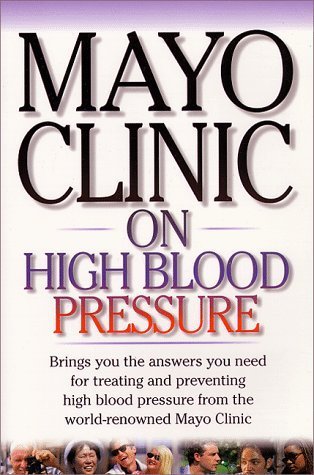
Mayo Clinic on High Blood Pressure: Sheps, Sheldon G.
Mayo Clinic on High Blood Pressure [Sheps, Sheldon G.] on Amazon.com. *FREE* shipping on qualifying offers. Mayo Clinic on High Blood Pressure
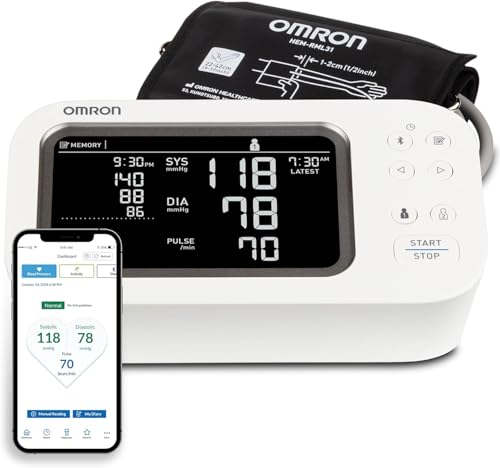
OMRON Platinum Blood Pressure Monitor for Home Use & Upper Arm Blood Pressure Cuff - #1 Doctor & Pharmacist Recommended Brand - Clinically Validated - AFib Detection - Connect App
CONFIDENCE IN EVERY READING: Monitor your heart health with the OMRON Platinum Upper Arm Blood Pressure Monitor's <strong>Advanced Accuracy with AFib Detection Technology</strong>; Store up to 10

Sukuos AM PM Weekly Pill Organizer 2 Times A Day, Large Daily Pill Box Case 7 Day with Easy Push Button Design, Detachable Medicine Holder for Vitamin/Fish Oil/Supplements (Rainbow)
<strong>EZY DOSE</strong> Push Button (7-Day) Pill Case, Medicine Planner, Vitamin Organizer, 2 Times a Day, AM/PM Container, X-Large Compartments, Arthritis Friendly, Easy to Use, Clear Lids, Rainbow
Health Disclaimer
This content is for informational purposes only and does not constitute medical advice. Always consult a qualified healthcare provider before starting, stopping, or changing any supplement or medication regimen.