

Hepatitis B and Liver Cancer (Hepatocellular Carcinoma)
Hepatitis B virus (HBV) infection is one of the most important causes of hepatocellular carcinoma (HCC), the most common form of primary liver cancer. The link is both biological and epidemiological. HBV can persist in the liver for decades; its DNA integrates into the host genome and viral proteins such as HBx can disrupt cell-cycle control, foster genomic instability, and promote oncogenic signaling. In parallel, chronic immune-mediated inflammation drives fibrosis, then cirrhosis, creating a microenvironment that favors malignant transformation. Notably, HBV-related HCC can occur even without cirrhosis, highlighting the virus’s direct oncogenic potential. The global burden is substantial: roughly 296 million people live with chronic HBV, and HBV accounts for about half of HCC cases worldwide, with even higher proportions in East Asia and sub‑Saharan Africa. Lifetime HCC risk among people with chronic HBV varies by age at infection, sex, viral load, genotype, and family history; estimates range from low single-digit percentages in low‑risk groups to 10–25% or more in men infected perinatally. Cofactors that markedly elevate risk include co‑infection with HCV or HDV, heavy alcohol use, aflatoxin exposure, metabolic syndrome/obesity and NAFLD, and smoking. Prevention strategies have transformed outcomes. Universal infant HBV vaccination—especially when a timely birth dose is given—has led to dramatic reductions in childhood HCC in population studies. For infants born to mothers with high viral loads, birth‑dose vaccine plus HBIG and maternal antivirals late in pregnancy sharply lowers transmission risk. In those already infected, long‑term antiviral suppression with high‑barrier nucleos(t)ide analogs (e.g., entecavir, tenofovir) reduces inflammation, fibrosis progression, and HCC incidence, though risk is not eliminated. Additional modifiable measures—alcohol cessation, weight and diabetes management, tobacco avoidance, and food safety to limit aflatoxin—further降低
Updated September 8, 2026This content is for informational purposes only and does not constitute medical advice. Always consult a qualified healthcare provider before starting, stopping, or changing any supplement or medication regimen.
Shared Risk Factors
Male sex and older age
Strong EvidenceMale sex and advancing age are associated with more active HBV disease and substantially higher HCC incidence.
High HBV DNA level and HBeAg positivity
Strong EvidenceMarkers of active viral replication predict liver disease progression and independently predict HCC risk.
Aflatoxin B1 exposure (contaminated grains/groundnuts)
Strong EvidenceAflatoxin forms DNA adducts and synergizes with HBV to drive TP53 mutations (e.g., codon 249) and hepatocarcinogenesis.
Heavy alcohol use
Moderate EvidenceAlcohol accelerates liver inflammation and fibrosis and increases HCC risk in HBV.
Metabolic syndrome/obesity and NAFLD/diabetes
Moderate EvidenceMetabolic liver stress interacts with HBV to heighten carcinogenic pathways (insulin resistance, lipotoxicity).
Viral co‑infections (HDV, HCV) and HIV
Moderate EvidenceCo‑infection intensifies liver inflammation and fibrosis, amplifying cancer risk.
Comorbidity Data
Prevalence
HBV causes ~50% of HCC globally; in East Asia and sub‑Saharan Africa, HBV accounts for 50–70% of HCC. Among 296 million with chronic HBV worldwide, annual HCC incidence ranges from ~0.1–0.3% (non‑cirrhotic, low‑risk) to 2–5% (cirrhosis/high‑risk).
Mechanistic Link
HBV integrates into hepatocyte DNA; HBx and preS/S proteins transactivate oncogenic pathways and impair tumor suppressors. Persistent necroinflammation leads to fibrosis → cirrhosis → dysplasia. Direct oncogenic effects allow HCC without cirrhosis in a subset of HBV patients.
Clinical Implications
Antiviral therapy lowers but does not eliminate HCC risk; high‑risk HBV populations warrant semiannual surveillance. Vaccination and perinatal prophylaxis reduce future HCC at a population level. Management of cofactors (alcohol, metabolic disease, aflatoxin) further reduces risk.
Sources (4)
- World Health Organization. Hepatitis B Fact Sheet (2024).
- AASLD Practice Guidance on HCC (2018, 2023 update).
- EASL 2017 Clinical Practice Guidelines on HBV; EASL 2018 HCC Guidelines.
- Chen CJ et al. JAMA 2006 (REVEAL‑HBV): HBV DNA level and HCC risk.
Overlapping Treatments
Universal HBV vaccination (timely birth dose + series) and perinatal prophylaxis (HBIG; maternal antivirals when indicated)
Strong EvidencePrevents chronic HBV infection and mother‑to‑child transmission.
Population‑level reduction in HBV‑related HCC, especially childhood HCC.
Vaccine coverage and timely birth dose are critical; maternal antivirals used selectively with specialist oversight.
Nucleos(t)ide analog antiviral therapy (e.g., entecavir, tenofovir)
Strong EvidenceDurable viral suppression reduces inflammation and fibrosis progression; promotes HBeAg seroconversion and, rarely, HBsAg loss.
Reduces HCC incidence and improves outcomes in HBV‑infected HCC patients by lowering decompensation risk.
Does not eliminate HCC risk; long‑term adherence and monitoring required.
Pegylated interferon (selected patients)
Moderate EvidenceFinite therapy can induce sustained immune control and HBsAg decline/loss in responders.
Responders have lower long‑term HCC risk compared with non‑responders.
Significant side effects; careful selection and monitoring needed.
Alcohol cessation and tobacco avoidance
Moderate EvidenceReduces hepatic inflammation and fibrosis progression in chronic HBV.
Lowers HCC risk and improves overall liver outcomes.
Behavioral support often needed; relapse risk.
Metabolic risk management (weight management, diabetes control; consider statin use when indicated)
Moderate EvidenceImproves steatosis and may slow fibrosis progression in HBV with metabolic comorbidity.
Associated with lower HCC incidence in observational studies.
Medication choices individualized in chronic liver disease; evidence largely observational for HCC reduction.
Aflatoxin exposure reduction (food safety, storage, regulation)
Strong EvidenceReduces additional hepatic toxin burden in HBV.
Substantially decreases HCC incidence in high‑exposure regions.
Requires public health and regulatory interventions; individual control may be limited.
Medical Perspectives
Two Ways of Seeing Health

Western
scientific · clinical
Western medicine applies science, technology, and clinical experience to treat symptoms through testing, diagnosis, and targeted intervention.
Surgeons · Pharmaceuticals · Clinical trials · Diagnostics 
Eastern
traditional · alternative
Eastern medicine focuses on treating the body naturally by applying traditional knowledge practiced for thousands of years, emphasizing balance and whole-person wellness.
Acupuncture · Herbal medicine · Yoga · Meditation
Gold Bamboo presents both perspectives side-by-side so you can make informed decisions. We don't advocate for one over the other — your health choices are yours.
Two Ways of Seeing Health
Western
scientific · clinical
Western medicine applies science, technology, and clinical experience to treat symptoms through testing, diagnosis, and targeted intervention.
Eastern
traditional · alternative
Eastern medicine focuses on treating the body naturally by applying traditional knowledge practiced for thousands of years, emphasizing balance and whole-person wellness.
Gold Bamboo presents both perspectives side-by-side so you can make informed decisions. We don't advocate for one over the other — your health choices are yours.
Western Perspective
Western medicine recognizes chronic hepatitis B as a causal driver of hepatocellular carcinoma via both indirect (inflammation → fibrosis → cirrhosis) and direct (viral DNA integration, HBx‑mediated oncogenesis) pathways. Risk stratification integrates viral activity, host factors, and environmental cofactors to guide prevention and surveillance.
Key Insights
- HBV DNA level is a strong, dose‑response predictor of HCC independent of ALT and HBeAg status.
- HBV vaccination and perinatal prophylaxis have produced large, durable declines in HBV infection and childhood HCC.
- Potent antiviral suppression reduces but does not eliminate HCC risk, necessitating ongoing surveillance in high‑risk groups.
- Cofactors—aflatoxin, alcohol, metabolic syndrome, HDV/HCV co‑infection—markedly amplify HCC risk and are targets for intervention.
Treatments
- Universal/birth‑dose HBV vaccination; HBIG for exposed neonates
- High‑barrier antivirals (entecavir, tenofovir DF/AF)
- Risk‑based HCC surveillance with ultrasound ± AFP every 6 months
- Curative HCC therapies when detected early: resection, ablation, transplantation; locoregional and systemic therapies for advanced disease
Deep Dive
From a western clinical perspective, chronic hepatitis B is a preventable infection and a well‑established carcinogen for hepatocytes. After acu... From a western clinical perspective, chronic hepatitis B is a preventable infection and a well‑established carcinogen for hepatocytes. After acute exposure, immune‑tolerant or immune‑active phases can lead to persistent viremia. HBV’s covalently closed circular DNA stabilizes persistence, and fragments of viral DNA integrate into host chromosomes. Viral proteins—especially HBx—modulate transcription and signaling pathways (e.g., p53, Wnt/β‑catenin), creating selective pressures that favor malignant clones. In parallel, chronic necroinflammatory injury stimulates fibrogenesis; cirrhosis, a preneoplastic state, markedly increases HCC risk. Unlike many liver diseases, HBV can produce HCC without cirrhosis because of these direct oncogenic mechanisms. Epidemiologically, HBV explains about half of global HCC, with the largest impact in regions with early‑life transmission. The REVEAL‑HBV study established a robust, graded relationship between serum HBV DNA and HCC risk, informing modern risk scores. Cofactors such as aflatoxin exposure, heavy alcohol use, metabolic syndrome/NAFLD, and co‑infection with HDV or HCV further elevate risk. Prevention operates on several levels: universal vaccination with a timely birth dose and perinatal prophylaxis have reduced childhood HCC dramatically in Taiwan and other settings. For people with chronic infection, long‑term suppression with high‑barrier nucleos(t)ide analogs reduces necroinflammation, fibrosis progression, and HCC incidence, but residual risk persists, necessitating surveillance. Guidelines recommend semiannual ultrasound, with or without AFP, for all patients with HBV cirrhosis and for high‑risk non‑cirrhotic groups (e.g., Asian men over 40, Asian women over 50, individuals from Africa over 20, and those with a family history of HCC). When small tumors are found early, curative therapies—resection, ablation, or transplantation—offer the best outcomes. More advanced disease may be managed with locoregional approaches (e.g., TACE) and systemic therapies, including immune‑checkpoint inhibitors and anti‑angiogenic agents. Throughout, management of modifiable risks—alcohol abstinence, metabolic control, and food safety to limit aflatoxin—complements antiviral therapy to lower cancer risk.
Sources
- WHO Hepatitis B Fact Sheet (2024)
- AASLD 2018/2023 HCC Guidance
- EASL 2017 HBV and 2018 HCC Guidelines
- Chen CJ et al. JAMA 2006 (REVEAL‑HBV)
- Chang MH et al. N Engl J Med 1997/2013 (Taiwan vaccination and HCC)
- Meta‑analyses of NA therapy and HCC risk (e.g., Papatheodoridis et al., J Hepatol/Gut)
Eastern Perspective
Traditional East Asian medicine (e.g., TCM, Kampo) and Ayurveda view chronic hepatitis and liver tumors through patterns such as damp‑heat, qi and blood stasis, toxin accumulation, and spleen deficiency. Long‑standing heat/toxin injures the liver, leading to stagnation and masses. Care emphasizes harmonizing the liver, clearing heat/dampness, resolving toxin and phlegm, and supporting vital energy, alongside diet and lifestyle moderation. In modern integrative practice, herbal formulas and acupuncture are used adjunctively with guideline‑directed antiviral and oncologic care.
Key Insights
- Pattern differentiation guides therapy; common patterns in chronic hepatitis include liver qi stagnation with damp‑heat and blood stasis.
- Herbal formulas like Xiao Chai Hu Tang (Sho‑saiko‑to) and adjunct botanicals (e.g., Phyllanthus species, turmeric) are traditionally used; modern studies suggest antiviral, anti‑inflammatory, or chemopreventive potential but with mixed clinical evidence.
- Acupuncture and mind‑body practices may support symptom control (fatigue, nausea, anxiety) during antiviral or cancer treatments.
- Dietary principles—avoiding alcohol, greasy/spoiled foods (analogous to reducing aflatoxin risk), and supporting digestion—align with risk‑reduction goals.
Treatments
- Xiao Chai Hu Tang (Sho‑saiko‑to/TJ‑9) in chronic hepatitis (adjunctive)
- Phyllanthus amarus (Bhumyamalaki) in Ayurveda (traditional antiviral use)
- Curcuma longa (turmeric) as anti‑inflammatory adjunct
- Acupuncture for symptom relief and wellbeing
Deep Dive
Traditional East Asian medicine interprets chronic hepatitis and liver tumors through functional patterns rather than viral etiology. Long‑stand... Traditional East Asian medicine interprets chronic hepatitis and liver tumors through functional patterns rather than viral etiology. Long‑standing liver heat and dampness are thought to congeal into phlegm and blood stasis, while dietary excess and toxins burden the spleen‑stomach and the liver. Over time, this terrain fosters “abdominal masses.” Treatment aims to clear heat and dampness, move qi and blood, resolve toxin and phlegm, and support essence and spleen function. In practice, formulas such as Xiao Chai Hu Tang (Sho‑saiko‑to) have been used to harmonize the lesser yang, support digestion, and address chronic hepatitis symptoms. Some observational research has explored its potential to reduce progression, though later reports raised safety concerns (e.g., interstitial pneumonia), underscoring the need for careful, supervised use. In Ayurveda, Phyllanthus amarus (Bhumyamalaki) and turmeric (Curcuma longa) are traditional hepatics; preclinical studies suggest antiviral or anti‑inflammatory effects, but high‑quality clinical evidence for HCC prevention remains limited. Integrative care aligns with several biomedical risk‑reduction pillars: abstaining from alcohol, avoiding spoiled or mold‑contaminated foods, maintaining a balanced diet and healthy weight, and supporting stress resilience. Acupuncture and mind‑body practices may help with fatigue, sleep disturbance, pain, and procedural anxiety during antiviral or oncologic treatments, although they do not treat HBV or HCC directly. Contemporary integrative clinicians often emphasize partnership: using guideline‑directed antiviral therapy and cancer surveillance while personalizing diet, movement, and supportive therapies to improve quality of life and adherence. In this view, traditional frameworks offer a language for terrain‑focused care that sits alongside virologic suppression and evidence‑based surveillance to reduce overall risk and support patients across the disease spectrum.
Sources
- Cochrane reviews of Phyllanthus for HBV (evidence inconclusive)
- Observational studies on Sho‑saiko‑to with mixed outcomes and safety cautions (e.g., interstitial pneumonia reports)
- NCCIH summaries on milk thistle and herbal therapies in liver disease
- Modern reviews on turmeric/curcumin preclinical effects in HBV/HCC
Evidence Ratings
Chronic HBV infection is a leading global cause of hepatocellular carcinoma (~50% of cases).
WHO Hepatitis B Fact Sheet (2024).
Higher serum HBV DNA levels independently predict future HCC risk in a dose‑response manner.
Chen CJ et al. JAMA 2006 (REVEAL‑HBV).
Long‑term nucleos(t)ide analog therapy (tenofovir/entecavir) reduces HCC incidence compared with no treatment or less potent agents.
EASL 2017 HBV Guidelines; meta‑analyses summarized in J Hepatol/Gut (Papatheodoridis et al.).
Universal infant HBV vaccination and timely birth dose reduce childhood HCC incidence at the population level.
Chang MH et al. N Engl J Med 1997; follow‑ups through 2013 in Taiwan.
Aflatoxin exposure synergizes with HBV to greatly increase HCC risk via characteristic TP53 mutations.
Qidong, China cohort studies; Kensler TW et al. Cancer Prev Res 2011 review.
HBV‑related HCC can occur without cirrhosis due to direct oncogenic effects of the virus.
EASL 2018 HCC Guidelines; observational cohorts.
Semiannual ultrasound ± AFP in at‑risk HBV populations detects HCC earlier and is associated with improved survival.
AASLD 2018/2023 HCC Guidance; Singal AG et al. meta‑analysis on surveillance outcomes.
Traditional formulas like Sho‑saiko‑to may influence chronic hepatitis outcomes, but clinical evidence for HCC prevention is inconclusive and safety concerns exist.
Japanese observational studies; safety alerts on interstitial pneumonia; integrative reviews.
Sources
- World Health Organization. Hepatitis B Fact Sheet. https://www.who.int/news-room/fact-sheets/detail/hepatitis-b
- AASLD Practice Guidance on Prevention, Diagnosis, and Treatment of HCC (2018; 2023 update). https://aasldpubs.onlinelibrary.wiley.com
- EASL 2017 Clinical Practice Guidelines on the management of HBV infection. J Hepatol. https://easl.eu
- EASL Clinical Practice Guidelines: Management of hepatocellular carcinoma (2018). J Hepatol. https://easl.eu
- Chen CJ et al. Risk of hepatocellular carcinoma across a biological gradient of serum HBV DNA level. JAMA. 2006;295:65-73.
- Chang MH et al. Decreased incidence of HCC in HBV-vaccinated children: Taiwan experience. N Engl J Med. 1997;336:1855-1859; updates 2009–2013.
- Kensler TW et al. Aflatoxin: a 50-year odyssey of mechanistic and translational toxicology. Cancer Prev Res (Phila). 2011;4(9):1378-1384.
- Singal AG et al. Effectiveness of surveillance for HCC in chronic liver disease: a meta-analysis. Ann Intern Med. 2012;156:91-101.
- Hepatitis B Foundation patient resources. https://www.hepb.org
- CDC Hepatitis B information. https://www.cdc.gov/hepatitis/hbv/
- NCI PDQ Hepatocellular Carcinoma Treatment. https://www.cancer.gov/types/liver/hp/liver-treatment-pdq
Related Topics
Recommended Products
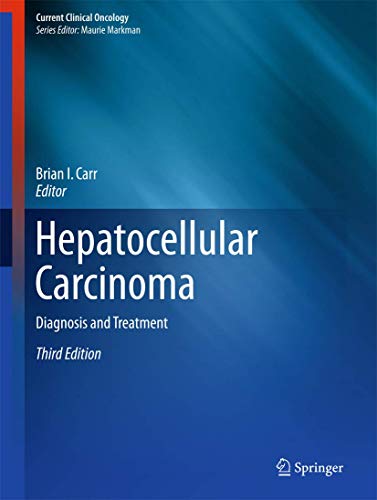
Hepatocellular Carcinoma: Diagnosis and Treatment (Current Clinical Oncology)
Since 1977 he has devoted both his clinical activities and research science efforts to the clinical and scientific study of primary liver cancer (HCC or hepatocellular carcinoma). He has published mor
Hepatitis B: The Hunt for a Killer Virus: Blumberg, Baruch S.
He clearly presents a superb account of the story of hepatitis B virus discovery and argues, interestingly, how such a discovery can mirror the general process by which scientific ideas evolve, includ

NicoDerm CQ Step 1 Nicotine Patches to Quit Smoking, 21 mg, Stop Smoking Aid, 14 Count
Buy NicoDerm CQ Step 1 Nicotine Patches to Quit Smoking, 21 mg, Stop Smoking Aid, 14 Count on Amazon.com ✓ FREE SHIPPING on qualified orders
Health Disclaimer
This content is for informational purposes only and does not constitute medical advice. Always consult a qualified healthcare provider before starting, stopping, or changing any supplement or medication regimen.