

Helicobacter pylori infection and Peptic ulcers
Helicobacter pylori (H. pylori) is a spiral-shaped bacterium that colonizes the stomach lining. Peptic ulcers are open sores in the stomach or proximal small intestine (duodenum). Understanding their relationship matters because H. pylori infection is the leading global cause of peptic ulcers, and eliminating the bacterium markedly reduces ulcer recurrence and complications. Worldwide, about 44% of people carry H. pylori, with higher rates in settings of crowding and limited sanitation. Lifetime risk of peptic ulcer disease is roughly 5–10%, though current prevalence varies with antibiotic use and nonsteroidal anti-inflammatory drug (NSAID) exposure. Risk rises with older age, smoking, and in people using NSAIDs or aspirin. While H. pylori is the dominant cause, ulcers can also result from NSAIDs, severe physiological stress, and rare acid hypersecretory states (e.g., Zollinger–Ellison syndrome). Pathophysiology links are well described. H. pylori produces urease to neutralize acid locally and penetrates the mucus layer. Its toxins (e.g., CagA, VacA) and the host’s inflammatory response damage the mucosal barrier and disrupt mucus/bicarbonate defenses. By increasing gastrin and reducing somatostatin, antral-predominant infection can drive acid hypersecretion and duodenal ulceration; corpus-predominant gastritis can reduce acid and predispose to gastric atrophy. Cofactors such as NSAIDs, smoking, and genetic inflammatory polymorphisms magnify injury. Typical presentation includes burning epigastric pain, gnawing discomfort, bloating, or nausea; duodenal ulcer pain may improve with meals and occur nocturnally, while gastric ulcer pain may worsen with eating. Red flags calling for prompt medical evaluation include black or bloody stools, vomiting blood, unintentional weight loss, anemia, persistent vomiting, or sudden severe pain (possible perforation). Complications include bleeding, perforation, gastric outlet obstruction, and an elevated long-term risk of gastric,
Updated September 8, 2026This content is for informational purposes only and does not constitute medical advice. Always consult a qualified healthcare provider before starting, stopping, or changing any supplement or medication regimen.
Shared Risk Factors
Smoking
Moderate EvidenceSmoking impairs gastric mucosal blood flow and healing, promotes inflammation, and is associated with higher H. pylori colonization persistence and ulcer complications.
Low socioeconomic status, crowding, and poor sanitation
Strong EvidenceThese conditions increase acquisition of H. pylori and, by extension, ulcer risk in infected individuals.
NSAID or aspirin exposure (cofactor)
Strong EvidenceNSAIDs independently injure mucosa; in the presence of H. pylori the risks of ulcers and bleeding are additive or synergistic.
Host inflammatory genetics (e.g., IL-1β, TNF-α polymorphisms)
Moderate EvidencePro-inflammatory genotypes intensify gastric inflammation from H. pylori and increase ulcer risk.
Alcohol (heavy use)
Moderate EvidenceHeavy alcohol intake damages gastric mucosa and may exacerbate H. pylori gastritis, compounding ulcer risk.
Older age
Strong EvidencePrevalence of H. pylori and ulcer complications rises with age; polypharmacy (including NSAIDs/antithrombotics) adds risk.
Comorbidity Data
Prevalence
H. pylori infects ~44% of the global population. Historically 70–95% of duodenal ulcers and 50–70% of gastric ulcers are H. pylori–positive, though proportions vary with regional NSAID use and eradication rates.
Mechanistic Link
H. pylori urease buffers acid, enabling colonization; virulence factors (CagA, VacA) and host inflammation damage epithelium and disrupt mucus/bicarbonate defenses. Antral gastritis increases gastrin and acid output (duodenal ulcers), while corpus-predominant gastritis may reduce acid (gastric atrophy). Duodenal gastric metaplasia allows H. pylori to colonize the duodenum and ulcerate.
Clinical Implications
Testing and eradication of H. pylori heals most ulcers and dramatically reduces recurrence and bleeding. Coexisting NSAID use multiplies risk; eradication plus acid suppression and NSAID risk mitigation are key. All gastric ulcers warrant endoscopic follow-up to confirm healing and exclude malignancy.
Sources (4)
- Hooi JKY et al. Global prevalence of Helicobacter pylori infection: systematic review and meta-analysis. Gastroenterology. 2017.
- Malfertheiner P et al. Maastricht V/Florence Consensus Report. Gut. 2017; and Maastricht VI Update. Gut. 2022.
- Ford AC et al. Helicobacter pylori eradication therapy for peptic ulcer disease: systematic reviews/meta-analyses.
- Chey WD et al. ACG Clinical Guideline: Treatment of Helicobacter pylori Infection. Am J Gastroenterol. 2017.
Overlapping Treatments
H. pylori eradication therapy (PPI-based combination of antibiotics; bismuth or non-bismuth regimens)
Strong EvidenceEliminates infection; reduces gastritis and long-term gastric cancer risk.
Promotes ulcer healing and markedly lowers recurrence and bleeding risk.
Rising antibiotic resistance (e.g., clarithromycin, metronidazole) reduces efficacy; adherence and confirmation of cure are important.
Proton pump inhibitors (PPIs)
Strong EvidenceEnhance antibiotic efficacy against H. pylori by raising intragastric pH.
Accelerate ulcer healing and control symptoms; essential in bleeding ulcers.
May cause false-negative noninvasive tests; typically withheld before testing when safe to do so.
Bismuth (as part of bismuth quadruple therapy)
Strong EvidenceDirect anti–H. pylori activity and mucosal protection; useful in resistance settings.
Protects mucosa and supports healing of gastric/duodenal ulcers.
Can darken stools/tongue; interacts with some tests; avoid in significant renal impairment.
Probiotics (e.g., Lactobacillus, Saccharomyces boulardii) as adjuncts
Moderate EvidenceModestly increase eradication rates and reduce antibiotic-related side effects.
May reduce dyspeptic symptoms and support mucosal health during therapy.
Strain- and product-specific effects; rare infections in severely immunocompromised hosts.
Zinc-carnosine (polaprezinc)
Moderate EvidenceAdjunctive anti-inflammatory and mucosal-stabilizing effects; some studies show improved eradication when added to standard therapy.
Improves ulcer healing and symptom relief in several trials.
Availability varies by region; monitor for zinc-related adverse effects with long-term use.
Smoking cessation
Moderate EvidenceImproves eradication success and reduces gastritis severity.
Enhances ulcer healing and lowers recurrence and bleeding risk.
Behavioral support often needed; relapse common without programs.
Medical Perspectives
Two Ways of Seeing Health

Western
scientific · clinical
Western medicine applies science, technology, and clinical experience to treat symptoms through testing, diagnosis, and targeted intervention.
Surgeons · Pharmaceuticals · Clinical trials · Diagnostics 
Eastern
traditional · alternative
Eastern medicine focuses on treating the body naturally by applying traditional knowledge practiced for thousands of years, emphasizing balance and whole-person wellness.
Acupuncture · Herbal medicine · Yoga · Meditation
Gold Bamboo presents both perspectives side-by-side so you can make informed decisions. We don't advocate for one over the other — your health choices are yours.
Two Ways of Seeing Health
Western
scientific · clinical
Western medicine applies science, technology, and clinical experience to treat symptoms through testing, diagnosis, and targeted intervention.
Eastern
traditional · alternative
Eastern medicine focuses on treating the body naturally by applying traditional knowledge practiced for thousands of years, emphasizing balance and whole-person wellness.
Gold Bamboo presents both perspectives side-by-side so you can make informed decisions. We don't advocate for one over the other — your health choices are yours.
Western Perspective
Western medicine recognizes H. pylori as the principal infectious cause of peptic ulcer disease. Ulcers also arise from NSAIDs/aspirin and, less commonly, hypersecretory states or critical illness. Eradication of H. pylori and acid suppression have transformed outcomes, with dramatic reductions in recurrence and complications.
Key Insights
- Most duodenal and many gastric ulcers are associated with H. pylori; eradication prevents relapse.
- NSAIDs and H. pylori have additive/synergistic risks for ulceration and bleeding; both should be addressed.
- Noninvasive testing (urea breath test or stool antigen) is first-line in most dyspeptic patients without alarm features; endoscopy is indicated with red flags or for gastric ulcers.
- Antibiotic resistance patterns drive regimen selection; bismuth-containing or concomitant therapies are preferred where clarithromycin resistance is high.
- Confirmation of eradication after treatment is recommended due to rising resistance and clinical implications.
Treatments
- Test-and-treat strategy for H. pylori in appropriate patients
- Bismuth quadruple therapy or non-bismuth concomitant therapy
- High-dose PPI therapy for ulcer healing and after endoscopic hemostasis
- NSAID risk mitigation (avoidance, COX-2 selection, PPI co-therapy)
- Follow-up endoscopy for gastric ulcers to exclude malignancy
Deep Dive
From a western clinical standpoint, Helicobacter pylori infection is the dominant infectious driver of peptic ulcer disease (PUD). The organism’... From a western clinical standpoint, Helicobacter pylori infection is the dominant infectious driver of peptic ulcer disease (PUD). The organism’s urease activity neutralizes gastric acid at the mucosal surface, while flagella and adhesins allow penetration into the mucus layer. Virulence factors such as CagA and VacA, coupled with the host inflammatory response, erode epithelial defenses and alter acid regulation. Antral-predominant gastritis reduces somatostatin and increases gastrin, leading to acid hypersecretion that promotes duodenal gastric metaplasia and ulceration. Corpus-predominant gastritis can suppress acid and foster atrophic changes, with different clinical implications. Although ulcers also occur with NSAIDs/aspirin, critical illness, and rare hypersecretory states (e.g., Zollinger–Ellison syndrome), the intersection of H. pylori with NSAIDs is especially consequential: together they multiply the risk of ulcers and bleeding. Diagnosis follows a risk-stratified approach. In patients younger than about 55–60 without alarm features, noninvasive tests—13C urea breath test or monoclonal stool antigen—accurately detect infection. Endoscopy with biopsy (rapid urease testing, histology, and culture where available) is preferred with red flags, in older adults with new dyspepsia, or when gastric ulcers are suspected, both to diagnose and to exclude malignancy. Because PPIs, bismuth, and antibiotics can suppress the organism, they are withheld before testing when safe. Rising antibiotic resistance has shifted first-line therapy toward bismuth-containing quadruple regimens or non-bismuth concomitant combinations, tailored where possible to local resistance patterns or susceptibility testing. Confirmation of eradication—by breath or stool antigen testing at least four weeks after antibiotics and two weeks off PPIs—is recommended. Clinically, eradication plus acid suppression heals most ulcers and prevents relapse and bleeding. In complicated ulcers (e.g., bleeding), endoscopic hemostasis combined with high-dose PPI therapy reduces rebleeding. Preventive strategies include testing for and treating H. pylori before initiating long-term NSAIDs, minimizing NSAID exposure, smoking cessation, and addressing comorbid risks. The long-term outlook after successful eradication is excellent, with low reinfection rates in low-prevalence settings and meaningful reductions in gastric cancer risk.
Sources
- ACG Clinical Guideline: Treatment of Helicobacter pylori Infection. Am J Gastroenterol. 2017.
- Maastricht V/VI Florence Consensus Reports. Gut. 2017, 2022.
- Cochrane Reviews on H. pylori eradication for peptic ulcer disease and on PPI therapy for ulcer bleeding.
- British Society of Gastroenterology Dyspepsia Guidelines. 2022.
Eastern Perspective
Traditional systems conceptualize ulcer syndromes as imbalances in digestive fire, damp-heat, or deficiency with heat, with microbial factors seen as ‘heat-toxin’ or dysbiosis. Integrative care aims to remove the cause (eradicate H. pylori), calm inflammation, protect the mucosa, and restore microbial harmony and diet-lifestyle balance.
Key Insights
- In Traditional Chinese Medicine (TCM), patterns such as Stomach Heat, Liver overacting on Stomach, and Damp-Heat may map to acid injury and H. pylori inflammation.
- Ayurveda relates peptic symptoms to Amlapitta (perturbed pitta/digestive fire) and uses demulcents and bitters to soothe and rebalance.
- Naturopathic approaches emphasize diet quality, stress reduction, and targeted botanicals with antimicrobial and mucosal-protective properties.
- Adjunctive botanicals like berberine-containing herbs and deglycyrrhizinated licorice are used to support symptom relief and, in some studies, to enhance eradication when combined with standard therapy.
Treatments
- Berberine-containing herbs (e.g., Coptis/Huang Lian) as adjuncts to standard therapy
- Deglycyrrhizinated licorice (DGL) for mucosal soothing
- Acupuncture for epigastric pain and dyspepsia support
- Curcumin and demulcents (e.g., slippery elm/ulmus) for inflammation and comfort
- Dietary measures: high-fiber, polyphenol-rich foods; reducing alcohol and tobacco
Deep Dive
Traditional healing systems frame ulcer symptoms within broader imbalances of digestive function and internal heat. In Traditional Chinese Medic... Traditional healing systems frame ulcer symptoms within broader imbalances of digestive function and internal heat. In Traditional Chinese Medicine (TCM), epigastric pain, acid regurgitation, and irritability often reflect Stomach Heat, Damp-Heat in the Middle Jiao, or Liver qi constraint attacking the Stomach. H. pylori can be interpreted as a form of ‘heat-toxin’ that aggravates these patterns. Treatment principles include clearing heat, resolving dampness, harmonizing the Liver and Stomach, and protecting the mucosa. Herbs rich in berberine (e.g., Coptis/Huang Lian) are traditionally used to clear heat and toxin; modern studies suggest that berberine may modestly assist eradication when combined with standard antibiotics. Demulcents such as licorice (often used in deglycyrrhizinated form to minimize mineralocorticoid effects) soothe the gastric lining. Acupuncture points selected to regulate qi and relieve pain (e.g., Zusanli/ST36, Neiguan/PC6, Zhongwan/CV12) are used clinically to reduce epigastric discomfort and nausea. Ayurveda locates these conditions under Amlapitta—disturbed pitta and agni—manifesting as sour belching, burning, and pain. Management calms pitta and protects the gut using cooling, demulcent herbs (e.g., yashtimadhu/licorice, amla/Emblica officinalis) and mindful dietary routines. Naturopathic and integrative frameworks emphasize microbiome-friendly nutrition (fiber- and polyphenol-rich foods), avoidance of alcohol and tobacco, stress reduction, and targeted supplements such as probiotics and zinc-carnosine to support the mucosa. Integrative practice aligns with western priorities: eradicate H. pylori when present, suppress acid to heal the ulcer, and reduce cofactors like NSAIDs and smoking. Within that medical scaffold, carefully chosen adjuncts—probiotics to reduce antibiotic side effects, zinc-carnosine or DGL for mucosal comfort, and, where appropriate, berberine-containing botanicals—may support outcomes. Safety and collaboration are central: herbs can interact with medications (for example, berberine with cytochrome P450 substrates, or non-deglycyrrhizinated licorice raising blood pressure), and vulnerable groups (pregnancy, significant comorbidities) require extra caution. Open communication with healthcare providers allows a personalized, culturally respectful plan that marries evidence-based eradication with supportive traditional measures.
Sources
- Li et al. Systematic reviews of berberine adjunctive therapy for H. pylori (Chinese RCTs).
- Matsukura N, Tanaka H. Zinc-L-carnosine in gastric mucosal protection. Curr Pharm Des. 2013.
- Cochrane and other reviews on acupuncture for dyspepsia (evidence mixed, more for functional dyspepsia).
- Traditional sources: TCM and Ayurveda texts describing Stomach Heat/Amlapitta patterns.
Evidence Ratings
Eradication of H. pylori heals peptic ulcers and markedly reduces recurrence compared with acid suppression alone.
Cochrane Review; Maastricht Consensus; ACG Guideline 2017.
Most duodenal ulcers and many gastric ulcers are caused by H. pylori.
Maastricht V/VI; Ford AC meta-analyses.
NSAID use and H. pylori together increase ulcer and bleeding risk more than either factor alone.
Systematic reviews of risk factors for ulcer bleeding; guideline statements (ACG/Maastricht).
Probiotics used adjunctively modestly improve eradication rates and reduce antibiotic side effects.
Meta-analyses of adjunct probiotics in H. pylori therapy (e.g., Zhang MM et al., 2015; Lu C et al., 2016).
Bismuth quadruple therapy is an effective first-line option in regions with high clarithromycin resistance.
ACG Guideline 2017; Maastricht V/VI.
Zinc-carnosine supports ulcer healing and may improve symptoms.
Clinical trials and narrative reviews (e.g., Matsukura & Tanaka, 2013).
Berberine-containing botanicals may enhance eradication rates when added to standard therapy.
Systematic reviews of primarily Chinese RCTs; heterogeneous quality.
Smoking is associated with higher ulcer complication rates and lower eradication success.
Observational studies summarized in guidelines and reviews.
Sources
- Hooi JKY, Lai WY, Ng WK, et al. Global Prevalence of Helicobacter pylori Infection. Gastroenterology. 2017.
- Malfertheiner P, Megraud F, Rokkas T, et al. Maastricht V/VI Florence Consensus Reports. Gut. 2017, 2022.
- Chey WD, Leontiadis GI, Howden CW, Moss SF. ACG Clinical Guideline: Treatment of Helicobacter pylori Infection. Am J Gastroenterol. 2017.
- Ford AC, Forman D, Hunt RH, et al. Helicobacter pylori eradication therapy to prevent peptic ulcer recurrence: meta-analyses.
- Cochrane Reviews: Eradication therapy for peptic ulcer disease; PPI therapy for bleeding ulcers.
- Zhang MM, Qian W, Qin YY, He J. Probiotics in Helicobacter pylori eradication therapy: A meta-analysis. World J Gastroenterol. 2015.
- Matsukura N, Tanaka H. Zinc-L-carnosine in mucosal protection. Curr Pharm Des. 2013.
- Guidelines on dyspepsia and alarm features (e.g., British Society of Gastroenterology, 2022).
Related Topics
Recommended Products

Helicobacter Pylori in Peptic Ulceration and Gastritis
Books Advanced Search New Releases Best Sellers & More Amazon Book Clubs Children's Books Textbooks Textbook Rentals Best Books of the Month Best Books of 2023 So Far Your Company Bookshelf .

Jarrow Formulas Mastic Gum 1000 mg - 60 Veggie Caps - Mastic Gum Capsules Supporting Stomach and Duodenal Health - 30 Servings
Each serving of these supplement capsules provides 1000 mg of Mastic Gum obtained from the resin of the Mastic Tree, which <strong>supports the health of gastric and duodenal cells and tissues to supp
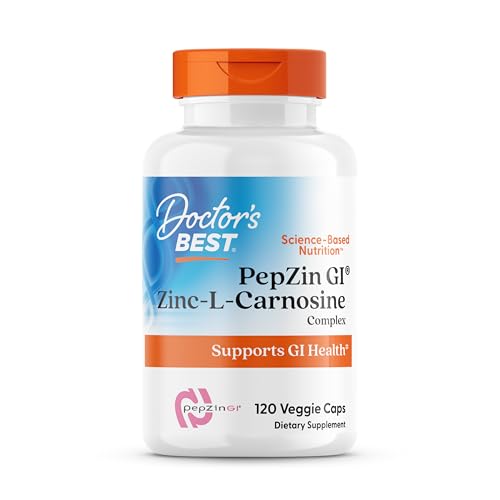
Doctor's Best PepZin GI, Zinc-L-Carnosine Complex for Men & Women - Zinc Carnosine Supplement Caps for Gut Health, Digestive Support, & Stomach Comfort, Vegan, Gluten Free - 120 Veg Capsules
PEPZIN GI ZINC-L-CARNOSINE: <strong>This formula combines 75 mg of zinc and L-carnosine to support healthy digestive function, ease occasional gastric discomfort, and promote overall stomach comfort</
Health Disclaimer
This content is for informational purposes only and does not constitute medical advice. Always consult a qualified healthcare provider before starting, stopping, or changing any supplement or medication regimen.