

Heart Failure and Beta Blockers
Heart failure (HF) is a clinical syndrome in which the heart cannot meet the body’s metabolic needs. Two broad phenotypes are recognized: heart failure with reduced ejection fraction (HFrEF, typically ≤40%), where the heart’s pumping function is impaired, and heart failure with preserved ejection fraction (HFpEF, ≥50%), where relaxation and filling are abnormal despite a near‑normal pumping fraction. A unifying driver across HF types is chronic sympathetic nervous system overactivation and heightened adrenergic signaling. Initially compensatory, persistent catecholamine excess accelerates disease by raising heart rate and oxygen demand, promoting sodium and water retention via renin release, triggering arrhythmias, and remodeling the ventricle (hypertrophy, fibrosis, apoptosis). Beta blockers counter these processes by antagonizing beta‑adrenergic receptors—primarily β1 in the heart—to slow heart rate, prolong diastolic filling, reduce myocardial oxygen demand, dampen renin release, and protect the myocardium from catecholamine toxicity. Over time, this fosters reverse remodeling and improves systolic function in HFrEF. Landmark trials show that specific agents—carvedilol, metoprolol succinate (extended‑release), and bisoprolol—significantly reduce all‑cause mortality and HF hospitalizations in chronic, stable HFrEF. Contemporary cardiology guidelines give these three agents a top‑tier recommendation. Evidence in HFpEF is more limited and mixed; beta blockers may help with symptom control when tachycardia, hypertension, ischemia, or atrial fibrillation coexist, but consistent reductions in mortality or HF hospitalizations have not been demonstrated. Risks include bradycardia, hypotension, fatigue, dizziness, and, if started or up‑titrated during acute decompensation, transient worsening of congestion. Less common concerns are conduction block, cold extremities, sexual dysfunction, and bronchospasm with nonselective agents. Important cautions include severe asthma/
Updated September 8, 2026This content is for informational purposes only and does not constitute medical advice. Always consult a qualified healthcare provider before starting, stopping, or changing any supplement or medication regimen.
Shared Risk Factors
Sympathetic overactivation
Strong EvidencePersistent adrenergic drive contributes to HF progression and also predicts stronger therapeutic indication and response to beta blockade.
Ischemic heart disease
Strong EvidenceCoronary disease is a leading cause of HFrEF; beta blockers are anti‑ischemic and reduce post‑MI mortality.
Atrial fibrillation and tachyarrhythmias
Strong EvidenceFrequent in HF and worsen hemodynamics; beta blockers are cornerstone for rate control.
Chronic obstructive pulmonary disease (COPD)/reactive airway disease
Strong EvidenceCommon comorbidity in HF; nonselective beta blockers may provoke bronchospasm, while cardioselective agents are generally safe.
Diabetes and metabolic syndrome
Moderate EvidenceMajor HF risk factors; beta blockers can mask adrenergic symptoms of hypoglycemia and modestly affect glycemic control.
Low systolic blood pressure/advanced age
Moderate EvidenceMarkers of HF severity that can limit beta‑blocker titration due to hypotension or bradycardia.
Overlapping Treatments
ACE inhibitors/ARBs/ARNI (sacubitril–valsartan)
Strong EvidenceReduce mortality and HF hospitalizations; improve remodeling (HFrEF).
Improve hemodynamic stability and reverse remodeling, facilitating beta‑blocker titration; complementary neurohormonal blockade.
Monitor blood pressure, kidney function, and potassium; risk of hypotension when combined.
Mineralocorticoid receptor antagonists (spironolactone/eplerenone)
Strong EvidenceLower mortality and hospitalizations in HFrEF; potential benefits in selected HFpEF.
May reduce congestion and arrhythmias, supporting tolerance of beta blockers.
Hyperkalemia and renal dysfunction risk; monitor electrolytes and creatinine.
SGLT2 inhibitors (e.g., dapagliflozin, empagliflozin)
Strong EvidenceReduce cardiovascular death/HF hospitalization across EF spectrum; improve symptoms.
Decongestive and hemodynamic benefits can ease beta‑blocker up‑titration.
Monitor volume status; genital mycotic infections; rare ketoacidosis in diabetes.
Loop diuretics
Strong EvidenceImprove congestion and symptoms; reduce hospitalizations when appropriately managed.
Euvolemia is key for initiating and titrating beta blockers safely.
Electrolyte depletion and renal effects; adjust dose with weight/symptoms.
Ivabradine (sinus‑rhythm HR ≥70 bpm on maximally tolerated beta blocker)
Moderate EvidenceReduces HF hospitalizations in HFrEF by further heart‑rate reduction.
Allows additional HR lowering when beta blocker is at limit or not tolerated.
Use only in sinus rhythm; monitor for bradycardia and visual phenomena.
Cardiac resynchronization therapy (CRT) in eligible patients
Strong EvidenceImproves symptoms, reverse remodeling, and survival in select HFrEF with LBBB/QRS prolongation.
Enhances hemodynamics and may increase tolerance to beta blockers.
Device‑related risks; requires guideline‑based selection.
Cardiac rehabilitation and structured exercise
Strong EvidenceImproves functional capacity and quality of life; reduces rehospitalization risk.
Supports safe activity while accounting for beta‑blocker‑lowered maximal heart rate (use RPE).
Tailor intensity; monitor symptoms and blood pressure.
Hydralazine–isosorbide dinitrate (when ACEi/ARB/ARNI not tolerated; added in Black patients with HFrEF)
Strong EvidenceReduces mortality and hospitalizations in HFrEF.
Afterload/preload reduction can assist beta‑blocker tolerance and symptom control.
Headache, hypotension; adherence challenges due to dosing frequency.
Medical Perspectives
Two Ways of Seeing Health

Western
scientific · clinical
Western medicine applies science, technology, and clinical experience to treat symptoms through testing, diagnosis, and targeted intervention.
Surgeons · Pharmaceuticals · Clinical trials · Diagnostics 
Eastern
traditional · alternative
Eastern medicine focuses on treating the body naturally by applying traditional knowledge practiced for thousands of years, emphasizing balance and whole-person wellness.
Acupuncture · Herbal medicine · Yoga · Meditation
Gold Bamboo presents both perspectives side-by-side so you can make informed decisions. We don't advocate for one over the other — your health choices are yours.
Two Ways of Seeing Health
Western
scientific · clinical
Western medicine applies science, technology, and clinical experience to treat symptoms through testing, diagnosis, and targeted intervention.
Eastern
traditional · alternative
Eastern medicine focuses on treating the body naturally by applying traditional knowledge practiced for thousands of years, emphasizing balance and whole-person wellness.
Gold Bamboo presents both perspectives side-by-side so you can make informed decisions. We don't advocate for one over the other — your health choices are yours.
Western Perspective
Western cardiology views beta blockers as foundational neurohormonal therapy for chronic, stable HFrEF. By antagonizing β‑adrenergic signaling, they reverse maladaptive sympathetic activation, reduce arrhythmias, and improve survival. Evidence in HFpEF is uncertain; beta blockers are used primarily for comorbid indications such as hypertension, ischemia, or atrial fibrillation.
Key Insights
- Three agents—carvedilol, metoprolol succinate (extended‑release), and bisoprolol—carry strong, guideline‑endorsed mortality and hospitalization benefits in HFrEF.
- Initiation is recommended only when patients are euvolemic and clinically stable; start low and uptitrate every few weeks as tolerated.
- In HFpEF, large trials demonstrating hard‑outcome benefits are lacking; beta blockers may improve symptoms in selected patients but are not universally indicated for outcome modification.
- Adverse effects include bradycardia, hypotension, fatigue, and potential worsening of acute decompensation if titrated during congestion; cardioselective agents mitigate bronchospasm risk in COPD.
- Monitoring focuses on heart rate, blood pressure, signs of congestion, conduction abnormalities, and interactions with other AV‑nodal–blocking drugs.
Treatments
- Carvedilol
- Metoprolol succinate (extended‑release)
- Bisoprolol
- Adjuncts: ACEi/ARB/ARNI, MRA, SGLT2 inhibitor, diuretics, ivabradine
Deep Dive
Heart failure reflects a maladaptive neurohormonal state marked by chronic sympathetic overdrive and renin–angiotensin–aldosterone activation. I... Heart failure reflects a maladaptive neurohormonal state marked by chronic sympathetic overdrive and renin–angiotensin–aldosterone activation. In HFrEF, sustained β‑adrenergic stimulation increases heart rate and contractility at the cost of higher oxygen demand, arrhythmogenicity, and progressive ventricular remodeling. Beta blockers interrupt this cycle by antagonizing β1‑receptors, reducing heart rate and myocardial workload, prolonging diastolic filling, suppressing renin release, and shielding cardiomyocytes from catecholamine toxicity. Over time, these effects translate into reverse remodeling and improved ejection fraction. Randomized trials established three agents as mortality‑reducing in HFrEF: metoprolol succinate (MERIT‑HF), bisoprolol (CIBIS‑II), and carvedilol (COPERNICUS, U.S. Carvedilol Program), with consistent reductions in all‑cause death and HF hospitalizations. Comparative data (COMET) favored carvedilol over metoprolol tartrate, reinforcing the importance of agent and formulation. Guidelines therefore recommend initiating one of these evidence‑based beta blockers in all eligible, stable HFrEF patients, using a start‑low, go‑slow titration to target or maximally tolerated doses. Initiation should occur when patients are euvolemic; starting during acute decompensation risks hypotension, bradycardia, and worsening congestion. Monitoring focuses on heart rate, blood pressure, rhythm/conduction, symptoms, and signs of fluid retention, with dose adjustments and diuretic optimization as needed. In HFpEF, large trials demonstrating hard‑outcome benefits are lacking. Beta blockers are commonly used to manage comorbidities—hypertension, ischemia, and atrial fibrillation—where they can reduce symptoms and improve rate control, but consistent mortality or hospitalization reductions specific to HFpEF have not been shown. Across phenotypes, important cautions include severe bradycardia, advanced AV block without pacing, cardiogenic shock, and active bronchospasm (favoring β1‑selective agents when obstructive lung disease coexists). Drug–drug interactions with non‑dihydropyridine calcium channel blockers, digoxin, and certain antiarrhythmics may potentiate bradycardia or block. Optimal care integrates beta blockers with other guideline‑directed therapies—ACEi/ARB/ARNI, MRA, SGLT2 inhibitors, diuretics, and, when indicated, ivabradine and device therapy (CRT/ICD)—plus cardiac rehabilitation and lifestyle measures. Together, these strategies target multiple nodes in the HF pathophysiology, improving survival, symptoms, and quality of life.
Sources
- Heidenreich PA et al. 2022 AHA/ACC/HFSA Guideline for the Management of Heart Failure. Circulation.
- MERIT‑HF: Lancet 1999;353:2001‑2007.
- CIBIS‑II: Lancet 1999;353:9‑13.
- COPERNICUS: N Engl J Med 2001;344:1651‑1658.
- COMET: Lancet 2003;362:7‑13.
- SENIORS: Eur Heart J 2005;26:215‑225.
- Bavishi C et al. Beta‑blockers in HFpEF: Am J Med 2015;128:146‑155.
Eastern Perspective
Traditional systems describe heart failure–like syndromes as imbalances of vital energy and fluids with overactivity of the stress response. Interventions aim to strengthen cardiac vitality, calm the spirit, mobilize fluids, and restore autonomic balance. Several botanicals and mind‑body practices have long been used for palpitations, dyspnea, and edema—concepts overlapping with HF. Modern integrative practice often combines cautious use of these modalities with guideline‑directed therapy, emphasizing safety and interaction checks.
Key Insights
- Traditional Chinese Medicine often frames HF as Heart Qi/Yang deficiency with Phlegm‑Fluid retention; formulas may include cardiotonic and vasodilatory herbs such as hawthorn (Shan zha) and Salvia (Dan shen), alongside acupuncture to modulate autonomic tone.
- Ayurveda’s Hridroga emphasizes strengthening the heart (hridya) with herbs like arjuna (Terminalia arjuna) and practices that reduce sympathetic drive (pranayama, meditation).
- Mind‑body approaches—qigong, yoga, slow breathing—may improve exercise tolerance and quality of life, partly by reducing adrenergic arousal and improving ventilatory efficiency.
- Evidence for botanicals ranges from traditional and small trials (hawthorn, astragalus) to limited or mixed modern data; any use should be reconciled with prescribed beta blockers due to additive blood‑pressure/heart‑rate effects and potential pharmacokinetic interactions.
- Acupuncture and relaxation practices are generally well tolerated; small studies suggest symptom and functional gains, but high‑quality trials are limited.
Treatments
- Hawthorn (Crataegus) extracts for mild HF symptoms (traditional; mixed RCT data)
- Astragalus (Huang qi)–containing formulas (traditional; limited clinical data)
- Arjuna (Terminalia arjuna) in Ayurveda (traditional; small trials)
- Acupuncture for dyspnea/fatigue and autonomic balance (emerging evidence)
- Yoga, qigong, meditation and slow breathing to reduce sympathetic tone
Deep Dive
Traditional and integrative perspectives describe heart failure as depletion of vital energy with fluid stagnation and an agitated nervous syste... Traditional and integrative perspectives describe heart failure as depletion of vital energy with fluid stagnation and an agitated nervous system. In Traditional Chinese Medicine, patterns such as Heart Qi and Yang deficiency with Phlegm‑Fluid retention correspond to fatigue, palpitations, dyspnea, and edema. Treatment seeks to tonify the Heart and Spleen, move Blood, and transform fluids. Hawthorn (Shan zha) has a long history for cardiac complaints and appears, in modern extracts, to exert mild positive inotropic and vasodilatory effects; small trials suggest symptom relief in mild HF, though contemporary evidence is mixed. Other botanicals—Salvia (Dan shen) to invigorate blood and Astragalus (Huang qi) to tonify Qi—are used traditionally, with limited clinical data suggesting improved exercise tolerance in some studies. Acupuncture and moxibustion protocols aim to calm the spirit, support Yang, and reduce breathlessness; modern hypotheses propose modulation of autonomic balance and inflammatory mediators. Ayurveda conceptualizes related conditions under Hridroga, addressing imbalances of vata, pitta, and kapha. Arjuna (Terminalia arjuna) is described as hridya (heart‑supportive), with small clinical studies indicating potential improvements in angina symptoms and left ventricular function in select populations. Mind–body practices—yoga, pranayama (slow breathing), and meditation—are frequently applied to reduce sympathetic arousal, improve ventilatory efficiency, and enhance quality of life. These practices dovetail with the western aim of reducing adrenergic stress and are generally safe when tailored to a patient’s functional capacity. Within integrative care, these modalities are considered adjuncts, not replacements, for guideline‑directed pharmacotherapy such as beta blockers in HFrEF. Practitioners emphasize careful reconciliation: some herbs may lower blood pressure or heart rate and thus potentiate beta‑blocker effects, while others may alter drug metabolism. Coordination between conventional clinicians and trained herbalists or acupuncturists can individualize plans, monitor for additive hypotension or bradycardia, and align mind–body practices with exercise prescriptions or cardiac rehabilitation. This respectful, safety‑first approach allows traditional therapies to support symptom relief and well‑being alongside proven medical treatments.
Sources
- Cochrane Review: Hawthorn extract for chronic heart failure. Cochrane Database Syst Rev 2008.
- Izzo AA, Ernst E. Interactions between herbal medicines and prescribed drugs: Drugs 2009;69:1777‑1798.
- NCCIH. Hawthorn: Clinical summary.
- Zheng XX et al. Acupuncture for chronic heart failure: systematic reviews (various; low‑certainty).
- Sharma R et al. Terminalia arjuna in chronic stable angina/HF (small trials).
Evidence Ratings
Beta blockers (carvedilol, metoprolol succinate, bisoprolol) reduce all‑cause mortality and HF hospitalizations in chronic HFrEF.
MERIT‑HF (Lancet 1999); CIBIS‑II (Lancet 1999); COPERNICUS (NEJM 2001); 2022 AHA/ACC/HFSA Guideline.
Initiating or up‑titrating beta blockers during acute decompensated HF can worsen congestion and should be deferred until euvolemia and stability.
2022 AHA/ACC/HFSA Guideline; expert consensus based on clinical trials’ enrollment criteria and physiologic rationale.
In HFpEF, beta blockers have not shown consistent reductions in mortality or HF hospitalizations; benefits are mainly for comorbid indications (AF, angina, hypertension).
Bavishi C et al., Am J Med 2015 meta‑analysis of beta blockers in HFpEF; guideline statements.
Greater heart‑rate reduction on beta blockers correlates with improved outcomes in HFrEF.
Post‑hoc analyses of HFrEF trials; SHIFT trial (ivabradine) underscores prognostic role of heart rate (Lancet 2010).
Cardioselective beta blockers are generally safe in patients with COPD without active bronchospasm.
Cochrane Review: Cardioselective beta‑blockers for COPD (Salpeter et al., updated).
Exercise‑based cardiac rehabilitation improves functional capacity and reduces rehospitalization in HF, including patients on beta blockers.
Cochrane Review: Exercise‑based rehabilitation for heart failure (Taylor RS et al.).
Hawthorn may improve mild HF symptoms but evidence is mixed and herb–drug interactions are possible.
Cochrane Review 2008 on hawthorn in chronic HF; NCCIH monograph.
Sources
- Heidenreich PA, Bozkurt B, Aguilar D, et al. 2022 AHA/ACC/HFSA Guideline for the Management of Heart Failure. Circulation.
- MERIT‑HF Study Group. Effect of metoprolol CR/XL in chronic heart failure. Lancet. 1999;353:2001‑2007.
- CIBIS‑II Investigators. The Cardiac Insufficiency Bisoprolol Study II. Lancet. 1999;353:9‑13.
- Packer M, et al. Effect of carvedilol on survival in severe chronic heart failure (COPERNICUS). N Engl J Med. 2001;344:1651‑1658.
- Poole‑Wilson PA, et al. Carvedilol or metoprolol tartrate (COMET). Lancet. 2003;362:7‑13.
- Flather MD, et al. SENIORS trial (nebivolol in elderly HF). Eur Heart J. 2005;26:215‑225.
- Bavishi C, Chatterjee S, Ather S, et al. Beta‑blockers in HFpEF: meta‑analysis. Am J Med. 2015;128:146‑155.
- SHIFT Investigators. Ivabradine in systolic HF. Lancet. 2010;376:875‑885.
- Cochrane Review: Cardioselective beta‑blockers for COPD (Salpeter SR et al.).
- Cochrane Review: Exercise‑based rehabilitation for heart failure (Taylor RS et al.).
- Cochrane Review: Hawthorn extract for chronic heart failure. 2008.
- NCCIH. Hawthorn and St. John’s Wort: Clinical summaries.
- Izzo AA, Ernst E. Interactions between herbal medicines and prescribed drugs. Drugs. 2009;69:1777‑1798.
Related Topics
Recommended Products
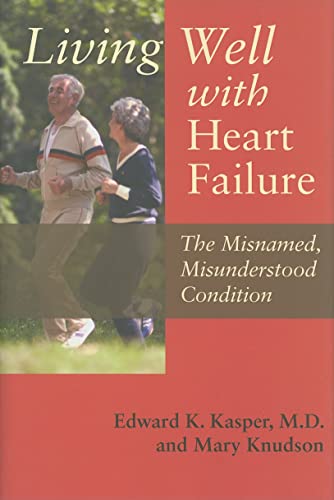
Living Well with Heart Failure, the Misnamed, Misunderstood Condition: Edward K. Kasper, Mary Knudson
Edward Kasper and award-winning medical journalist Mary Knudson, have created <strong>an exceptionally helpful and incredibly readable way to explore the ways the heart fails and the ways we can help
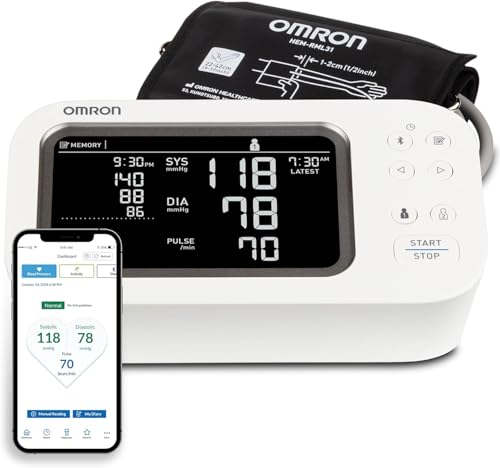
OMRON Platinum Blood Pressure Monitor for Home Use & Upper Arm Blood Pressure Cuff - #1 Doctor & Pharmacist Recommended Brand - Clinically Validated - AFib Detection - Connect App
CONFIDENCE IN EVERY READING: Monitor your heart health with the OMRON Platinum Upper Arm Blood Pressure Monitor's <strong>Advanced Accuracy with AFib Detection Technology</strong>; Store up to 10
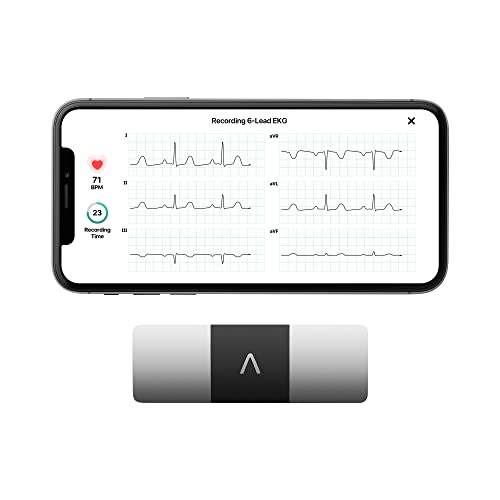
KardiaMobile 6-Lead Personal EKG Monitor – Six Views of ...
Stay on top of your health with heart rate monitors that provide accurate real-time data, seamless device integration, and long-lasting battery life.
Health Disclaimer
This content is for informational purposes only and does not constitute medical advice. Always consult a qualified healthcare provider before starting, stopping, or changing any supplement or medication regimen.