

Gastroesophageal Reflux Disease (GERD) and Proton Pump Inhibitors (PPIs)
Gastroesophageal reflux disease (GERD) is a chronic condition in which stomach contents reflux into the esophagus, causing bothersome symptoms or complications. It affects roughly 10–20% of adults in Western countries and about 13% globally. Typical symptoms include heartburn and regurgitation; atypical or extra-esophageal symptoms can include chest pain, chronic cough, hoarseness, asthma exacerbation, sore throat, and sleep disturbance. Acid, pepsin, and sometimes bile can injure the esophageal lining when the lower esophageal sphincter relaxes inappropriately, pressure gradients favor backflow, or a hiatal hernia impairs the anti-reflux barrier. Patients most likely to receive acid-suppressive therapy are those with frequent heartburn or regurgitation, erosive esophagitis, peptic strictures, Barrett’s esophagus, or reflux-related chest pain, and those with extra-esophageal symptoms when objective reflux is documented. Proton pump inhibitors (PPIs) reduce gastric acid by irreversibly blocking the parietal cell H+/K+-ATPase. Common agents include omeprazole, esomeprazole, lansoprazole, pantoprazole, rabeprazole, and dexlansoprazole. They are typically taken once daily before a meal; some patients with persistent symptoms or severe esophagitis may require twice-daily dosing under clinician guidance. Strong evidence shows PPIs are more effective than H2 blockers for healing erosive esophagitis and controlling classic GERD symptoms in the short term. For long-term control, PPIs reduce relapse in erosive disease and are often used as maintenance at the lowest effective dose or on-demand in non-erosive disease. A short therapeutic trial can help guide diagnosis; lack of response suggests alternative diagnoses (e.g., reflux hypersensitivity, functional heartburn) or need for objective testing. Risks and tradeoffs are well studied. Common side effects include headache, diarrhea or constipation, and abdominal discomfort. Documented safety concerns with long-term use show:
Updated August 20, 2026This content is for informational purposes only and does not constitute medical advice. Always consult a qualified healthcare provider before starting, stopping, or changing any supplement or medication regimen.
Medical Perspectives
Two Ways of Seeing Health

Western
scientific · clinical
Western medicine applies science, technology, and clinical experience to treat symptoms through testing, diagnosis, and targeted intervention.
Surgeons · Pharmaceuticals · Clinical trials · Diagnostics 
Eastern
traditional · alternative
Eastern medicine focuses on treating the body naturally by applying traditional knowledge practiced for thousands of years, emphasizing balance and whole-person wellness.
Acupuncture · Herbal medicine · Yoga · Meditation
Gold Bamboo presents both perspectives side-by-side so you can make informed decisions. We don't advocate for one over the other — your health choices are yours.
Two Ways of Seeing Health
Western
scientific · clinical
Western medicine applies science, technology, and clinical experience to treat symptoms through testing, diagnosis, and targeted intervention.
Eastern
traditional · alternative
Eastern medicine focuses on treating the body naturally by applying traditional knowledge practiced for thousands of years, emphasizing balance and whole-person wellness.
Gold Bamboo presents both perspectives side-by-side so you can make informed decisions. We don't advocate for one over the other — your health choices are yours.
Western Perspective
Western medicine views GERD as a disorder of the anti-reflux barrier and esophageal clearance in which gastric acid, pepsin, and sometimes bile damage the mucosa and produce symptoms. PPIs are first-line pharmacologic therapy due to superior acid suppression and proven efficacy for healing esophagitis and reducing symptoms. Diagnostic and management strategies balance symptom relief, mucosal healing, long-term safety, and identification of patients who need testing or procedural therapy.
Key Insights
- Global GERD prevalence is about 13%, with typical symptoms of heartburn and regurgitation and recognized extra-esophageal manifestations.
- PPIs irreversibly inhibit the gastric proton pump, providing stronger and longer acid suppression than H2 blockers and superior healing of erosive esophagitis.
- An 8-week optimized PPI trial is an accepted initial strategy for typical GERD without alarm features; nonresponders warrant reassessment and often objective testing.
- Long-term PPI therapy is indicated for severe erosive esophagitis, Barrett’s esophagus, or recurrent symptoms off therapy; use the lowest effective dose.
- Safety data show small absolute increases in certain risks (e.g., enteric infections), while other associations (CKD, fractures) are debated and may reflect confounding; periodic review and deprescribing when appropriate are recommended.
Treatments
- Proton pump inhibitors (first-line pharmacotherapy)
- Lifestyle measures (weight loss if overweight, head-of-bed elevation, meal timing, trigger management)
- H2 receptor antagonists and antacids/alginates (adjuncts or alternatives for mild/intermittent symptoms)
- Anti-reflux surgery (laparoscopic fundoplication, magnetic sphincter augmentation) and select endoscopic options
- Objective testing and endoscopy for refractory symptoms or alarm features
Deep Dive
GERD arises when the anti-reflux barrier at the gastroesophageal junction is compromised by transient lower esophageal sphincter relaxations, hy... GERD arises when the anti-reflux barrier at the gastroesophageal junction is compromised by transient lower esophageal sphincter relaxations, hypotensive sphincter tone, or anatomic disruption such as hiatal hernia. Gastric acidity, pepsin, and occasionally bile can contact the esophageal mucosa, leading to symptoms and mucosal injury. Population studies estimate a global prevalence near 13%, with heartburn and regurgitation as cardinal symptoms and recognized extra-esophageal manifestations (chronic cough, laryngitis, asthma flares, sleep disruption). In clinical practice, a short therapeutic trial of a proton pump inhibitor (PPI) is a common first step for typical symptoms without alarm features. PPIs irreversibly block the parietal cell H+/K+-ATPase, producing potent, sustained acid suppression. High-quality evidence shows PPIs outperform H2 receptor antagonists for healing erosive esophagitis and relieving symptoms over 4–8 weeks. Patients with severe erosive disease or Barrett’s esophagus often require long-term maintenance at the lowest effective dose; patients with non-erosive disease may do well with on-demand or step-down strategies. When symptoms persist despite optimized dosing and correct timing relative to meals, clinicians reassess adherence, consider alternative mechanisms (reflux hypersensitivity, functional heartburn, eosinophilic esophagitis), and use objective testing (endoscopy, ambulatory pH impedance monitoring). Lifestyle measures—weight loss in those with overweight or obesity, head-of-bed elevation, avoiding late meals, and individualized trigger management—have supportive evidence, particularly for nocturnal reflux. Adjuncts such as alginates can reduce postprandial reflux. Safety considerations with chronic PPI therapy are nuanced: common minor adverse effects include headache and gastrointestinal upset; observational data link PPIs with enteric infections (notably C. difficile) and suggest associations with fractures, chronic kidney disease, and micronutrient abnormalities (B12, magnesium), but causality is uncertain for several outcomes. The absolute risk increases are generally small. Rebound acid hypersecretion may produce transient symptom flare after stopping PPIs, so tapering and bridge strategies (H2 blockers, alginates, lifestyle) are often employed. Clinicians periodically reevaluate the indication and consider de-prescribing when appropriate; conversely, ongoing therapy is warranted for high-risk indications such as severe erosive esophagitis, strictures, or Barrett’s esophagus. Surgical options (fundoplication, magnetic sphincter augmentation) or endoscopic therapies are discussed for patients with proven reflux who remain symptomatic or prefer non-pharmacologic durable solutions.
Sources
- Katz PO et al. ACG Clinical Guideline: Guidelines for the Diagnosis and Management of GERD. Am J Gastroenterol. 2022.
- Eusebi LH et al. Global prevalence of GERD: a systematic review and meta-analysis. Gut. 2018.
- van Pinxteren B et al. Short-term treatment for GERD. Cochrane Database Syst Rev. 2006/2010 update.
- Leiman DA et al. Alginate therapy for GERD: systematic review/meta-analysis. Aliment Pharmacol Ther. 2017.
- Bhatt DL et al. COGENT Trial. N Engl J Med. 2010.
- AGA Clinical Practice Update on De-Prescribing of PPIs. Gastroenterology. 2022.
Eastern Perspective
Traditional and integrative systems interpret GERD as a disturbance in digestive harmony rather than an isolated acid problem. In Traditional Chinese Medicine (TCM), reflux often reflects disharmony of Stomach and Liver with "rebellious Stomach qi," possibly from stress, dietary excess, or Spleen qi deficiency. Ayurveda frames reflux within Amlapitta—an aggravated Pitta (heat/acid) and impaired Agni (digestive fire). Naturopathic approaches emphasize mucosal support, mechanical strategies to reduce reflux, and nervous system regulation. These traditions aim to restore balance through diet, herbs, mind–body practices, and acupuncture, often alongside or after a course of PPIs.
Key Insights
- Pattern-based diagnosis (e.g., TCM Liver–Stomach disharmony; Ayurvedic Pitta aggravation) guides personalized herbal formulas and acupuncture point selection.
- Dietary changes—lighter evening meals, avoiding late eating, moderating acidic/spicy foods, and mindful eating—are central across traditions.
- Acupuncture and diaphragmatic breathing may reduce reflux episodes and improve symptoms; evidence is promising but limited by small trials.
- Demulcent botanicals (e.g., deglycyrrhizinated licorice, slippery elm, marshmallow) are traditionally used to soothe the esophageal lining; modern evidence is preliminary.
- Integrative care often seeks to taper PPIs when appropriate, while supporting symptom control with lifestyle, botanicals, and stress reduction.
Treatments
- Acupuncture targeting points such as PC6, ST36, CV12 (evidence emerging)
- Demulcent botanicals (deglycyrrhizinated licorice, slippery elm, marshmallow root)
- Multi-herb bitters or formulations (e.g., Iberogast/STW‑5; TCM formulas like Zuo Jin Wan)
- Diaphragmatic breathing and yoga-based practices to decrease transient LES relaxations
- Mindful eating, meal timing, and individualized trigger identification
Deep Dive
Traditional frameworks view GERD as a systemic imbalance in digestive function. In Traditional Chinese Medicine, reflux often reflects “rebellio... Traditional frameworks view GERD as a systemic imbalance in digestive function. In Traditional Chinese Medicine, reflux often reflects “rebellious Stomach qi” driven by Liver qi stagnation, diet-related Damp-Heat, or Spleen qi deficiency. Treatment aims to harmonize the Liver and Stomach, descend qi, and protect the mucosa. Practitioners may use formulas such as Zuo Jin Wan (Coptis and Evodia) to address acid regurgitation, or modify tonifying formulas when deficiency patterns predominate. Acupuncture points including PC6 (Neiguan), ST36 (Zusanli), and CV12 (Zhongwan) are selected to regulate motility, reduce nausea, and calm the autonomic nervous system. Evidence, while limited, suggests acupuncture can improve reflux symptoms and quality of life, and small trials indicate diaphragmatic breathing decreases transient LES relaxations and reflux episodes. Ayurveda conceptualizes reflux under Amlapitta, an aggravation of Pitta (heat/acid) with impaired Agni (digestive fire). Care emphasizes cooling, non-spicy foods, mindful eating, earlier dinners, and herbs like Yashtimadhu (licorice), Amalaki, and Guduchi to soothe and restore balance. Naturopathic and Western herbal traditions converge on demulcent botanicals—deglycyrrhizinated licorice, slippery elm, and marshmallow root—to coat and comfort the esophageal lining; multi-herb preparations like Iberogast (STW‑5) have clinical data in functional dyspepsia and may help overlap symptoms. Integrative clinicians often pair a finite PPI course to heal erosions with lifestyle, botanicals, and stress regulation, then attempt a careful taper while monitoring for rebound symptoms. They also caution about herb–drug interactions (for example, glycyrrhizin-containing licorice can raise blood pressure and potassium loss) and tailor choices to comorbidities. Across traditions, shared pillars include attention to meal timing (earlier, lighter evening meals), body weight optimization, smoking cessation, and stress reduction. These measures complement pharmacologic therapy and, for selected patients with documented reflux, can help sustain symptom control when stepping down PPI therapy under medical supervision.
Sources
- Zheng H et al. Acupuncture for GERD: systematic review. Evid Based Complement Alternat Med. 2017.
- Eherer AJ et al. Positive effect of breathing exercises on GERD. Am J Gastroenterol. 2012.
- Holtmann G et al. Efficacy of Iberogast (STW-5). Phytomedicine. 2016.
- Traditional Chinese Medicine and Ayurveda classical texts; modern reviews in integrative gastroenterology.
Evidence Ratings
PPIs are superior to H2 blockers for healing erosive esophagitis and controlling typical GERD symptoms.
van Pinxteren B et al. Cochrane Database Syst Rev. 2006/2010; Katz PO et al. Am J Gastroenterol. 2022.
An 8-week optimized PPI trial is an effective initial diagnostic–therapeutic approach for typical GERD without alarm features.
Katz PO et al. ACG Guideline. Am J Gastroenterol. 2022.
Long-term PPI therapy reduces relapse in erosive esophagitis and is appropriate for severe disease or Barrett’s esophagus; use lowest effective dose.
Katz PO et al. Am J Gastroenterol. 2022; AGA Best Practice Advice. Gastroenterology. 2017/2022.
PPI use is associated with increased risk of enteric infections, including C. difficile.
Janarthanan S et al. Am J Gastroenterol. 2012; FDA Safety Communication 2012.
Rebound acid hypersecretion and increased symptoms can occur after stopping PPIs.
Reimer C et al. Gastroenterology. 2009.
Associations between chronic PPI use and fractures are small and confounded; causality remains uncertain.
FDA Safety Communication 2010 (fractures); AGA Best Practice Advice. Gastroenterology. 2017.
PPI use is associated with chronic kidney disease in observational studies; causality is debated.
Lazarus B et al. JAMA Intern Med. 2016; Xie Y et al. Kidney Int. 2017.
Weight loss and head-of-bed elevation reduce GERD symptoms, especially nocturnal reflux.
Kaltenbach T et al. Arch Intern Med. 2006; Ness-Jensen E et al. J Intern Med. 2016.
Alginates reduce postprandial reflux and improve symptoms compared with placebo/antacids.
Leiman DA et al. Aliment Pharmacol Ther. 2017.
Acupuncture and diaphragmatic breathing may improve GERD symptoms.
Zheng H et al. Evid Based Complement Alternat Med. 2017; Eherer AJ et al. Am J Gastroenterol. 2012.
Sources
- Katz PO, Dunbar KB, Schnoll-Sussman F, et al. ACG Clinical Guideline: Diagnosis and Management of Gastroesophageal Reflux Disease. Am J Gastroenterol. 2022.
- Eusebi LH, Ratnakumaran R, Yuan Y, et al. Global prevalence of GERD: a systematic review and meta-analysis. Gut. 2018.
- van Pinxteren B, Numans ME, Lau J, de Wit NJ. Short-term treatment with proton pump inhibitors for GERD. Cochrane Database Syst Rev. 2006/2010 update.
- Leiman DA, Riff BP, Morgan S, et al. Alginate therapy for GERD: systematic review and meta-analysis. Aliment Pharmacol Ther. 2017.
- Reimer C, Søndergaard B, Hilsted L, Bytzer P. Proton-pump inhibitor therapy induces acid-related symptoms in healthy volunteers after withdrawal. Gastroenterology. 2009.
- Janarthanan S, Ditah I, Adler DG, Ehrlich AC. Clostridium difficile-associated diarrhea and proton pump inhibitor therapy: meta-analysis. Am J Gastroenterol. 2012.
- U.S. FDA Safety Communications: PPI and fractures (2010); PPI and hypomagnesemia (2011); PPI and C. difficile risk (2012).
- Lazarus B, Chen Y, Wilson FP, et al. Proton Pump Inhibitor Use and the Risk of Chronic Kidney Disease. JAMA Intern Med. 2016.
- Xie Y, Bowe B, Li T, et al. Long-term kidney outcomes among PPI users. Kidney Int. 2017.
- Lam JR, Schneider JL, Zhao W, Corley DA. Proton pump inhibitor and histamine-2 receptor antagonist use and vitamin B12 deficiency. JAMA. 2013.
- Jackson MA, Goodrich JK, Maxan M-E, et al. Proton pump inhibitors strongly affect the gut microbiome. Gut. 2016.
- Eom CS, Jeon CY, Lim J-W, et al. Use of acid-suppressive drugs and risk of pneumonia: meta-analysis. CMAJ. 2011.
- Bhatt DL, Cryer BL, Contant CF, et al. Clopidogrel with or without omeprazole (COGENT). N Engl J Med. 2010.
- Kaltenbach T, Crockett S, Gerson LB. Are lifestyle measures effective in GERD? Arch Intern Med. 2006.
- Ness-Jensen E, Hveem K, El-Serag H, Lagergren J. Lifestyle intervention for GERD symptoms. J Intern Med. 2016.
- Fackler WK, Ours TM, Vaezi MF, Richter JE. Long-term famotidine: development of tolerance. Aliment Pharmacol Ther. 2002.
- SAGES Guidelines Committee. Guidelines for surgical treatment of GERD. Surg Endosc. 2017.
- Zheng H, Chen R, Zhao X, et al. Acupuncture for GERD: systematic review. Evid Based Complement Alternat Med. 2017.
- Eherer AJ, Netolitzky F, Högenauer C, et al. Positive effect of breathing exercises on GERD. Am J Gastroenterol. 2012.
- Zalvan CH, Hu S, Greenberg B, et al. A comparison of alkaline water and Mediterranean diet vs PPI for LPR. JAMA Otolaryngol Head Neck Surg. 2017.
Related Topics
Recommended Products
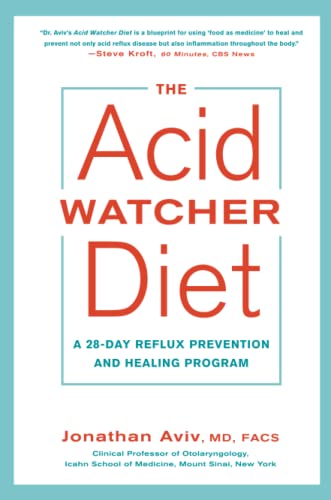
The Acid Watcher Diet: A 28-Day Reflux Prevention and Healing Program: Aviv MD FACS, Jonathan
Jonathan Aviv, <strong>a leading authority on the diagnosis and treatment of acid reflux disease</strong>, helps readers identify those often misunderstood symptoms while providing a proven solution f
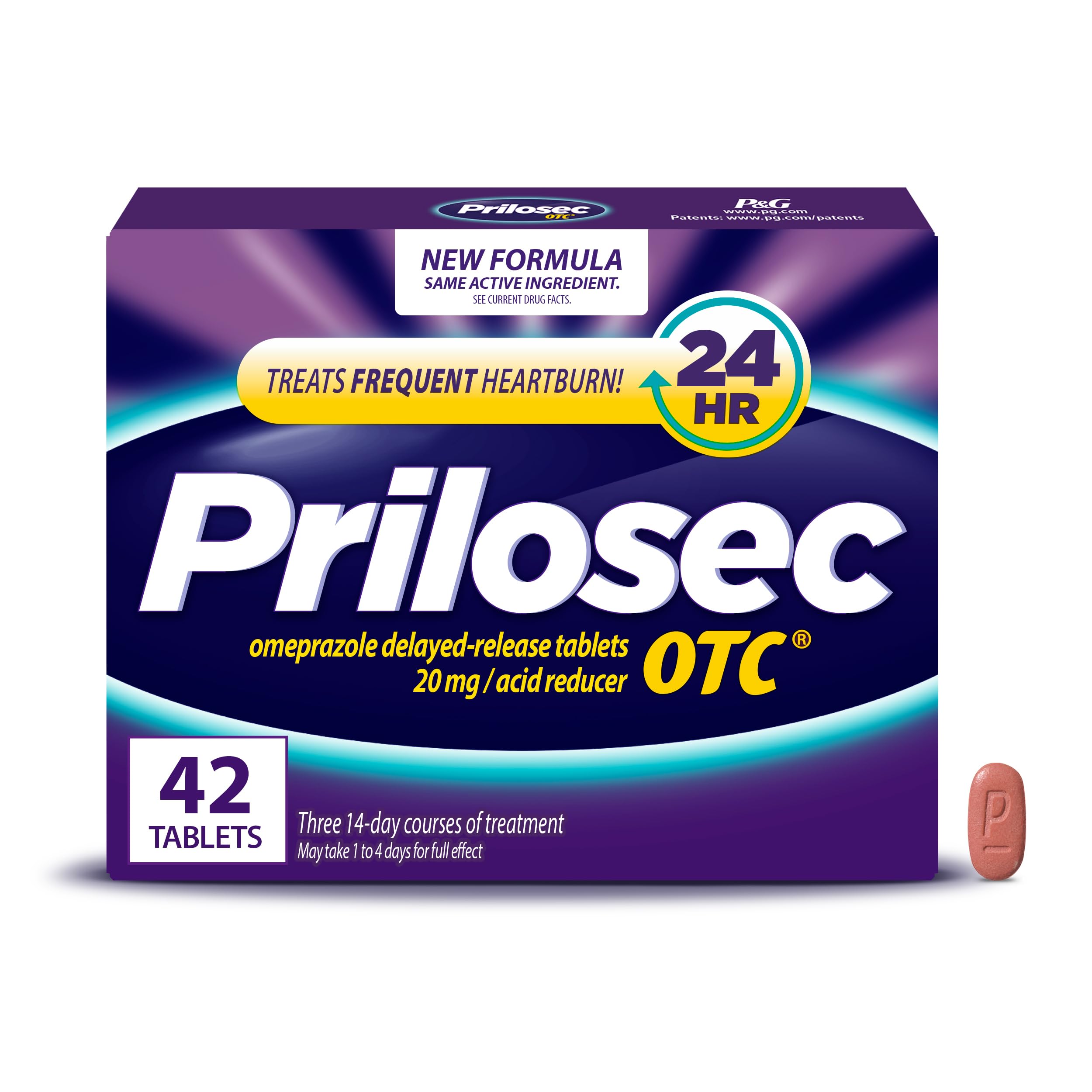
Prilosec OTC, Omeprazole 20mg, Heartburn Medicine, Acid Reflux Medicine, 24 Hour Relief, 42 Tablets
Amazon Basic Care Omeprazole Delayed ... OTC, Omeprazole Delayed Release 20mg, Acid Reducer, <strong>Treats Frequent Heartburn for 24 Hour Relief, All Day, All Night*, Heartburn</strong> ......
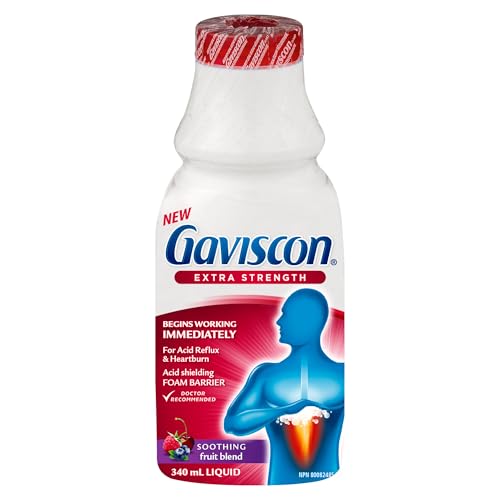
Gaviscon Gaviscon Extra Strength Liquid Fruit | Long-Lasting Acid Reflux and Heartburn Relief | 340ml 1 Count
Medicinal Ingredients: <strong>375 mg Sodium Alginate (Derived from Brown Seaweed),</strong> 150 mg Calcium Carbonate, 150 mg Aluminum Hydroxide/ Teaspoon (5 ml).
Health Disclaimer
This content is for informational purposes only and does not constitute medical advice. Always consult a qualified healthcare provider before starting, stopping, or changing any supplement or medication regimen.