

Fatty Liver Disease (AFLD/NAFLD, MASLD/MetALD) and Alcohol (consumption and alcohol use disorder)
Alcohol and fatty liver disease are tightly linked. Fatty liver disease describes excess fat in the liver and exists on a spectrum from simple steatosis (fat only) to steatohepatitis (fat plus inflammation and injury), fibrosis, cirrhosis, and liver cancer. When alcohol is the primary driver, it is termed alcoholic fatty liver disease (AFLD), which can progress to alcoholic hepatitis and alcohol-related cirrhosis. When metabolic factors drive fat accumulation—often in people with obesity, type 2 diabetes, dyslipidemia, or hypertension—it is called nonalcoholic fatty liver disease (NAFLD). A 2023 international consensus updated terminology to MASLD (metabolic dysfunction–associated steatotic liver disease) and introduced MetALD to describe dual-etiology disease where metabolic dysfunction coexists with moderate alcohol intake. Biologically, alcohol promotes liver fat and injury through multiple pathways: its metabolism generates excess NADH, shifting lipid metabolism toward fat synthesis and away from fat burning; acetaldehyde (a toxic metabolite) and CYP2E1-driven oxidative stress damage cell structures; immune activation and cytokine release drive inflammation; and changes in the gut microbiome and intestinal permeability allow bacterial products (e.g., LPS) to reach the liver and worsen injury. These processes also activate stellate cells, laying down scar tissue that can lead to fibrosis. Evidence suggests a dose–response relationship: higher quantities and patterns such as binge drinking increase risks of steatohepatitis, fibrosis, and cirrhosis, especially when combined with metabolic risk factors. Risk is highest for people with obesity, type 2 diabetes, or certain genetic variants (e.g., PNPLA3), and is amplified by viral hepatitis, older age, and female sex. Diagnosis uses history (including alcohol intake), lab tests (ALT, AST, GGT), and imaging (ultrasound, transient elastography/FibroScan with CAP, or MRI-PDFF). Noninvasive fibrosis scores (FIB-4, NA‑
Updated August 20, 2026This content is for informational purposes only and does not constitute medical advice. Always consult a qualified healthcare provider before starting, stopping, or changing any supplement or medication regimen.
Shared Risk Factors
Metabolic syndrome (obesity, insulin resistance, type 2 diabetes)
Strong EvidenceMetabolic dysfunction increases hepatic free fatty acid influx and de novo lipogenesis, predisposing to steatosis. Alcohol amplifies these metabolic insults and increases risk of steatohepatitis and fibrosis.
Genetic variants (PNPLA3 I148M, TM6SF2, HSD17B13)
Moderate EvidenceThese variants modulate hepatic fat handling and injury. PNPLA3 I148M increases steatosis and fibrosis risk from either alcohol or metabolic factors; HSD17B13 loss-of-function may be protective.
Gut–liver axis (dysbiosis and increased intestinal permeability)
Moderate EvidenceAlcohol and high-fat/high-sugar diets can disrupt the microbiome and barrier function, allowing endotoxins (LPS) to reach the liver and trigger inflammation.
Female sex and older age
Moderate EvidenceWomen and older adults show higher susceptibility to alcohol-induced liver injury at lower intake; age also increases NAFLD and fibrosis risk.
Chronic viral hepatitis (especially HCV)
Moderate EvidenceViral hepatitis and alcohol or metabolic dysfunction act synergistically to worsen fibrosis and hepatocellular carcinoma (HCC) risk.
Medications/toxins (e.g., methotrexate, amiodarone, tamoxifen)
Emerging ResearchSome drugs can cause or worsen hepatic steatosis or injury, which alcohol can further exacerbate.
Comorbidity Data
Prevalence
Globally, NAFLD/MASLD affects ~25–30% of adults; alcohol-related liver disease (ALD) is a leading cause of cirrhosis. Dual-etiology disease (MetALD) is common where metabolic dysfunction and moderate alcohol intake coexist.
Mechanistic Link
Alcohol amplifies hepatic fat accumulation and inflammatory signaling already elevated in metabolic dysfunction, leading to higher rates of steatohepatitis, fibrosis, and cirrhosis than either exposure alone.
Clinical Implications
People with metabolic risk factors appear to have no reliably safe alcohol threshold for liver risk. Even modest intake may raise the odds of advanced fibrosis and HCC. Screening for fibrosis (FIB-4, elastography) is advised in at-risk groups; sustained abstinence is central in ALD and prudent in MASLD with fibrosis.
Sources (5)
- Younossi ZM. Nat Rev Gastroenterol Hepatol. 2016;13:56–64.
- Eslam M et al. J Hepatol. 2023 consensus on MASLD/MetALD.
- AASLD NAFLD/MASLD Practice Guidance. Hepatology. 2023.
- Schroeder JH et al. Hepatology. 2021 on obesity–alcohol synergy.
- GBD 2018/Lancet 2018: no safe level of alcohol for health.
Overlapping Treatments
Alcohol cessation/reduction support (brief counseling, motivational interviewing, mutual-help, AUD pharmacotherapies such as naltrexone/acamprosate)
Strong EvidenceAbstinence often reverses steatosis and can stabilize or improve fibrosis; reduces risk of steatohepatitis and decompensation.
Improves alcohol use outcomes, relapse prevention, and overall morbidity/mortality.
AUD medications require clinician oversight; monitor liver function, especially in advanced disease.
Nutritional therapy (adequate protein, Mediterranean-style pattern, limit fructose/ultra-processed foods)
Moderate EvidenceImproves steatosis and cardiometabolic risk; supports NASH improvement when combined with weight loss.
Addresses malnutrition in ALD; stabilizes energy balance and micronutrients depleted by alcohol.
Severe alcoholic hepatitis needs supervised nutrition; beware refeeding risk.
Physical activity and exercise (aerobic and resistance)
Moderate EvidenceReduces liver fat and improves insulin sensitivity even without weight loss.
Supports mood, sleep, and AUD recovery; may reduce craving in some individuals.
Tailor to fitness and comorbidities; medical clearance for advanced liver disease.
Weight management (behavioral programs, metabolic medications, bariatric procedures where appropriate)
Strong EvidenceWeight loss of 7–10% is associated with histologic NASH improvement; metabolic drugs (e.g., GLP‑1 RAs) reduce steatosis.
May reduce alcohol-related liver stress by lowering baseline metabolic inflammation.
Procedures/medications require specialist care; adjust for cirrhosis and AUD recovery context.
Coffee consumption (dietary pattern)
Moderate EvidenceAssociated with lower risk of advanced fibrosis and HCC in fatty liver disease.
Observational links to lower ALD progression risk.
Observational data; consider caffeine sensitivity, pregnancy, arrhythmias.
Probiotics/synbiotics
Emerging ResearchMay modestly reduce liver enzymes and steatosis by modulating gut–liver axis.
Small studies suggest improvements in inflammation in ALD.
Heterogeneous strains/doses; immunocompromised patients require caution.
Herbal antioxidants (e.g., silymarin/milk thistle)
Emerging ResearchMixed evidence for enzyme reductions; uncertain impact on fibrosis.
Investigated in ALD with variable outcomes.
Quality and purity vary; potential drug–herb interactions.
Integrated behavioral health (mindfulness-based relapse prevention, acupuncture as adjunct)
Emerging ResearchIndirect benefit via improved alcohol outcomes and stress reduction.
Can support craving management and recovery engagement.
Adjunct to—not a replacement for—evidence-based AUD care.
Medical Perspectives
Two Ways of Seeing Health

Western
scientific · clinical
Western medicine applies science, technology, and clinical experience to treat symptoms through testing, diagnosis, and targeted intervention.
Surgeons · Pharmaceuticals · Clinical trials · Diagnostics 
Eastern
traditional · alternative
Eastern medicine focuses on treating the body naturally by applying traditional knowledge practiced for thousands of years, emphasizing balance and whole-person wellness.
Acupuncture · Herbal medicine · Yoga · Meditation
Gold Bamboo presents both perspectives side-by-side so you can make informed decisions. We don't advocate for one over the other — your health choices are yours.
Two Ways of Seeing Health
Western
scientific · clinical
Western medicine applies science, technology, and clinical experience to treat symptoms through testing, diagnosis, and targeted intervention.
Eastern
traditional · alternative
Eastern medicine focuses on treating the body naturally by applying traditional knowledge practiced for thousands of years, emphasizing balance and whole-person wellness.
Gold Bamboo presents both perspectives side-by-side so you can make informed decisions. We don't advocate for one over the other — your health choices are yours.
Western Perspective
Western medicine recognizes alcohol as both an independent cause of steatotic liver disease (AFLD/ALD) and a potent modifier that worsens outcomes in metabolically driven fatty liver (NAFLD/MASLD). Risk escalates with dose and binge patterns, and with coexisting obesity, diabetes, or genetic susceptibility. Management centers on alcohol abstinence in ALD, metabolic risk reduction in MASLD, and fibrosis risk stratification for both.
Key Insights
- Dual-etiology disease (MetALD) is common; even modest alcohol can increase fibrosis risk in MASLD with metabolic risk.
- Alcohol’s hepatotoxicity involves acetaldehyde toxicity, oxidative stress via CYP2E1, immune activation, and gut-derived endotoxins.
- Noninvasive tools (FIB‑4, elastography) effectively stratify fibrosis risk and guide referrals.
- Abstinence improves steatosis and survival in ALD; in MASLD with fibrosis, abstinence is prudent due to synergy.
- Weight loss (7–10%), exercise, and cardiometabolic therapies are core to treating MASLD/NASH; resmetirom is newly approved for selected patients.
Treatments
- Alcohol cessation and AUD pharmacotherapy (naltrexone, acamprosate) with psychosocial care
- Nutritional therapy; treat malnutrition in ALD
- Weight loss programs; GLP‑1/GIP-based therapies; pioglitazone or vitamin E in select NASH
- Noninvasive fibrosis monitoring; manage cirrhosis complications
- Corticosteroids for carefully selected severe alcoholic hepatitis
Deep Dive
From a western clinical perspective, alcohol is both a distinct cause of steatotic liver disease and a powerful accelerator of metabolically dri... From a western clinical perspective, alcohol is both a distinct cause of steatotic liver disease and a powerful accelerator of metabolically driven fatty liver. Ethanol is oxidized to acetaldehyde and acetate, generating excess NADH that shifts hepatocyte metabolism toward fat synthesis and away from fatty acid oxidation. Induction of CYP2E1 amplifies reactive oxygen species, while acetaldehyde adducts impair mitochondrial function and protein repair. Parallel gut–liver axis disturbances increase intestinal permeability and endotoxin exposure, provoking Kupffer cell activation and cytokine cascades that drive steatohepatitis. These mechanisms converge on hepatic stellate cell activation and collagen deposition, setting the stage for fibrosis and cirrhosis. Epidemiologically, NAFLD/MASLD affects roughly a quarter to a third of adults worldwide and is rising alongside obesity and type 2 diabetes. Alcohol-related liver disease remains a leading cause of cirrhosis and liver-related mortality. When alcohol and metabolic dysfunction co-occur—now termed MetALD—risk of steatohepatitis and advanced fibrosis exceeds either exposure alone. Observational data and guidelines emphasize that for individuals with metabolic risk, there may be no reliably safe alcohol threshold for liver outcomes. Risk is further modulated by age, sex (greater susceptibility in women), and genetics (e.g., PNPLA3 I148M). Clinically, assessment includes a careful alcohol history, liver enzymes (ALT, AST, GGT), and noninvasive fibrosis stratification using FIB‑4 and elastography (FibroScan). Ultrasound detects steatosis but misses mild disease; MRI‑PDFF quantifies fat; biopsy remains the reference for grading steatohepatitis and staging fibrosis when results would change management. In ALD, severity scoring (e.g., MELD, Maddrey discriminant function) informs inpatient care for alcoholic hepatitis. Management priorities are clear: sustained abstinence is the cornerstone for ALD and prudent in MASLD with fibrosis. Nutritional rehabilitation and treatment of vitamin/mineral deficiencies are critical in ALD. For MASLD, lifestyle therapy—weight loss around 7–10%, Mediterranean-style diet, and regular aerobic plus resistance exercise—improves steatosis and cardiometabolic risk; exercise benefits even without weight loss. Pharmacotherapy options include pioglitazone or vitamin E in selected NASH patients, GLP‑1/GIP-based agents that reduce steatosis and support weight loss, and the 2024 FDA approval of resmetirom for noncirrhotic MASH with moderate-to-advanced fibrosis. Ongoing monitoring with noninvasive fibrosis tools guides intensity of care and surveillance for complications.
Sources
- AASLD Practice Guidance for NAFLD/MASLD (2023)
- EASL Clinical Practice Guidelines: Alcohol-related liver disease (2018)
- Lancet GBD Alcohol 2018: risk without a safe threshold
- Seitz HK, Stickel F. Nat Rev Gastroenterol Hepatol. 2007 mechanisms
- Szabo G, Saha B. Nat Rev Gastroenterol Hepatol. 2015 gut–liver axis
- FDA approval of resmetirom for MASH with fibrosis (2024)
Eastern Perspective
Traditional systems view alcohol-related and metabolic liver injury through patterns of heat, dampness, stagnation, and depletion. Interventions aim to clear ‘damp-heat,’ move Liver qi, protect essence, and restore digestive fire. Modern integrative practice blends these frameworks with evidence-informed lifestyle and biomedical monitoring.
Key Insights
- In Traditional Chinese Medicine (TCM), excess alcohol contributes to damp-heat and Liver qi stagnation; herbs and acupuncture aim to clear heat, resolve damp, and support Spleen/Liver.
- Ayurveda attributes fatty liver to agni (digestive fire) impairment and pitta/kapha imbalance; therapies emphasize bitter/hepatoprotective herbs and kapha‑pacifying diet and movement.
- Naturopathic and integrative care focus on the gut–liver axis: probiotics, fiber-rich diets, and stress reduction to lower inflammatory signaling.
- Emerging research on botanicals (e.g., silymarin, Phyllanthus, Picrorhiza) suggests hepatoprotective potential, but standardization and high-quality trials remain limited.
Treatments
- TCM formulas such as Yin Chen Hao Tang (Artemisia capillaris-based) or modified Long Dan Xie Gan Tang under practitioner guidance
- Ayurvedic herbs like Bhumyamalaki (Phyllanthus niruri), Guduchi (Tinospora cordifolia), and Kutki (Picrorhiza kurroa) as traditionally used hepatoprotectives
- Acupuncture and mindfulness-based practices to support cravings, sleep, and stress in AUD recovery
- Dietary patterns emphasizing whole foods, bitter greens, spices (turmeric), and reduced alcohol/sugar
Deep Dive
Traditional medical systems conceptualize alcohol- and metabolism-related liver injury through functional patterns rather than discrete histolog... Traditional medical systems conceptualize alcohol- and metabolism-related liver injury through functional patterns rather than discrete histologic categories. In Traditional Chinese Medicine, habitual alcohol intake and rich, greasy foods foster damp-heat in the Liver and Spleen with qi stagnation. This pattern manifests as fullness, fatigue, and a bitter taste, mapping onto modern ideas of steatosis and inflammatory stress. Herbal strategies such as Yin Chen Hao Tang (centered on Artemisia capillaris) aim to clear damp-heat and support bile flow, while adjunct formulas may soothe Liver qi and protect yin. Acupuncture is used to regulate Liver and Spleen, address cravings, and improve sleep—an integrative adjunct in alcohol use recovery. Ayurveda attributes fatty liver to impaired agni (digestive fire) with kapha and pitta imbalance. Classical hepatoprotectives include Bhumyamalaki (Phyllanthus niruri), Guduchi (Tinospora cordifolia), and Kutki (Picrorhiza kurroa), traditionally used to ‘cool’ the liver, support bile, and restore metabolism. Dietary guidance emphasizes light, bitter, and astringent foods, gentle movement (e.g., yoga), and avoidance of substances that aggravate pitta, aligning with modern recommendations to limit alcohol and ultra-processed sugars. Contemporary integrative practice bridges these frameworks with biomedical evidence on the gut–liver axis. Probiotics, high-fiber diets, and polyphenol-rich plants (e.g., green tea, turmeric/curcumin) are explored to rebalance the microbiome and reduce oxidative stress. Milk thistle (silymarin) remains a widely used botanical with antioxidant properties, though modern trials show mixed results on hard liver outcomes. Importantly, traditional remedies are considered adjunctive: they may help symptom patterns and offer modest biochemical improvements, but they do not replace core biomedical strategies—alcohol abstinence in ALD, metabolic risk reduction in MASLD, and regular monitoring. Collaboration between qualified traditional practitioners and hepatology teams can honor patient preferences while prioritizing safety, quality-controlled products, and evidence-informed care.
Sources
- TCM classical texts and modern reviews (e.g., Pharmacognosy Rev. on Phyllanthus)
- Randomized trials of silymarin in liver disease (mixed results)
- Systematic reviews of acupuncture/mindfulness for AUD support (adjunctive benefits)
- Integrative reviews on gut–liver axis and probiotics in NAFLD
Evidence Ratings
Sustained abstinence from alcohol reverses hepatic steatosis and improves outcomes in alcohol-related liver disease.
EASL ALD Guidelines 2018; AASLD ALD guidance reviews.
Obesity and alcohol act synergistically to increase risk of advanced fibrosis and cirrhosis.
Schroeder JH et al. Hepatology. 2021; population-based analyses.
Even modest alcohol intake may increase fibrosis progression risk in NAFLD/MASLD with metabolic risk factors.
AASLD 2023 NAFLD/MASLD Guidance; cohort studies summarized therein.
PNPLA3 I148M variant heightens susceptibility to both NAFLD and alcohol-related liver disease.
Romeo S et al. Nat Genet. 2008; subsequent meta-analyses.
Exercise reduces liver fat independent of weight loss in NAFLD.
Keating SE et al. J Hepatol. 2012; meta-analyses of exercise in NAFLD.
Coffee intake is associated with lower risk of advanced fibrosis and HCC in chronic liver diseases.
Liu F et al. BMC Public Health. 2015; Kennedy OJ et al. BMJ. 2017.
Probiotics can modestly improve liver enzymes and steatosis markers in NAFLD.
Ma YY et al. PLoS One. 2013; updated meta-analyses with heterogeneity.
Corticosteroids reduce short-term mortality in severe alcoholic hepatitis in selected patients.
Mathurin P et al. N Engl J Med. 2011; EASL ALD Guidelines 2018.
Sources
- AASLD Practice Guidance on the clinical assessment and management of NAFLD (2023). Hepatology. https://doi.org/10.1002/hep.32829
- Eslam M et al. MASLD and MetALD consensus (2023). J Hepatol. https://doi.org/10.1016/j.jhep.2023.06.018
- EASL Clinical Practice Guidelines: Management of alcohol-related liver disease (2018). J Hepatol. https://doi.org/10.1016/j.jhep.2018.03.018
- Seitz HK, Stickel F. ‘Alcoholic liver disease in the 21st century.’ Nat Rev Gastroenterol Hepatol. 2007. https://doi.org/10.1038/ncpgasthep0723
- Szabo G, Saha B. ‘Alcohol’s effect on host defense.’ Nat Rev Gastroenterol Hepatol. 2015. https://doi.org/10.1038/nrgastro.2015.109
- Global Burden of Disease 2016 Alcohol. Lancet. 2018. https://doi.org/10.1016/S0140-6736(18)31310-2
- Younossi ZM et al. ‘Global epidemiology of NAFLD.’ Nat Rev Gastroenterol Hepatol. 2016. https://doi.org/10.1038/nrgastro.2016.65
- Schroeder JH et al. ‘Obesity, alcohol, and liver fibrosis risk.’ Hepatology. 2021. https://doi.org/10.1002/hep.31675
- Kennedy OJ et al. Coffee and liver outcomes. BMJ. 2017. https://doi.org/10.1136/bmj.j5024
- Ma YY et al. Probiotics and NAFLD: meta-analysis. PLoS One. 2013. https://doi.org/10.1371/journal.pone.0083497
- Mathurin P et al. Corticosteroids in severe alcoholic hepatitis. N Engl J Med. 2011. https://doi.org/10.1056/NEJMoa1105703
- FDA approves resmetirom (Rezdiffra) for MASH with fibrosis (2024). https://www.fda.gov/
- Romeo S et al. PNPLA3 variant and fatty liver. Nat Genet. 2008. https://doi.org/10.1038/ng.257
- Keating SE et al. Exercise and NAFLD. J Hepatol. 2012. https://doi.org/10.1016/j.jhep.2011.10.010
Related Topics
Topics
- Alcohol-related liver disease
- Alcoholic hepatitis
- Cirrhosis
- Metabolic syndrome
Recommended Products

This Naked Mind: Control Alcohol, Find Freedom, Discover Happiness & Change Your Life - Kindle edition by Grace, Annie. Health, Fitness & Dieting Kindle eBooks @ Amazon.com.
Here, Annie Grace <strong>clearly presents the psychological and neurological components of alcohol use based on the latest science, and reveals the cultural, social, and industry factors that support
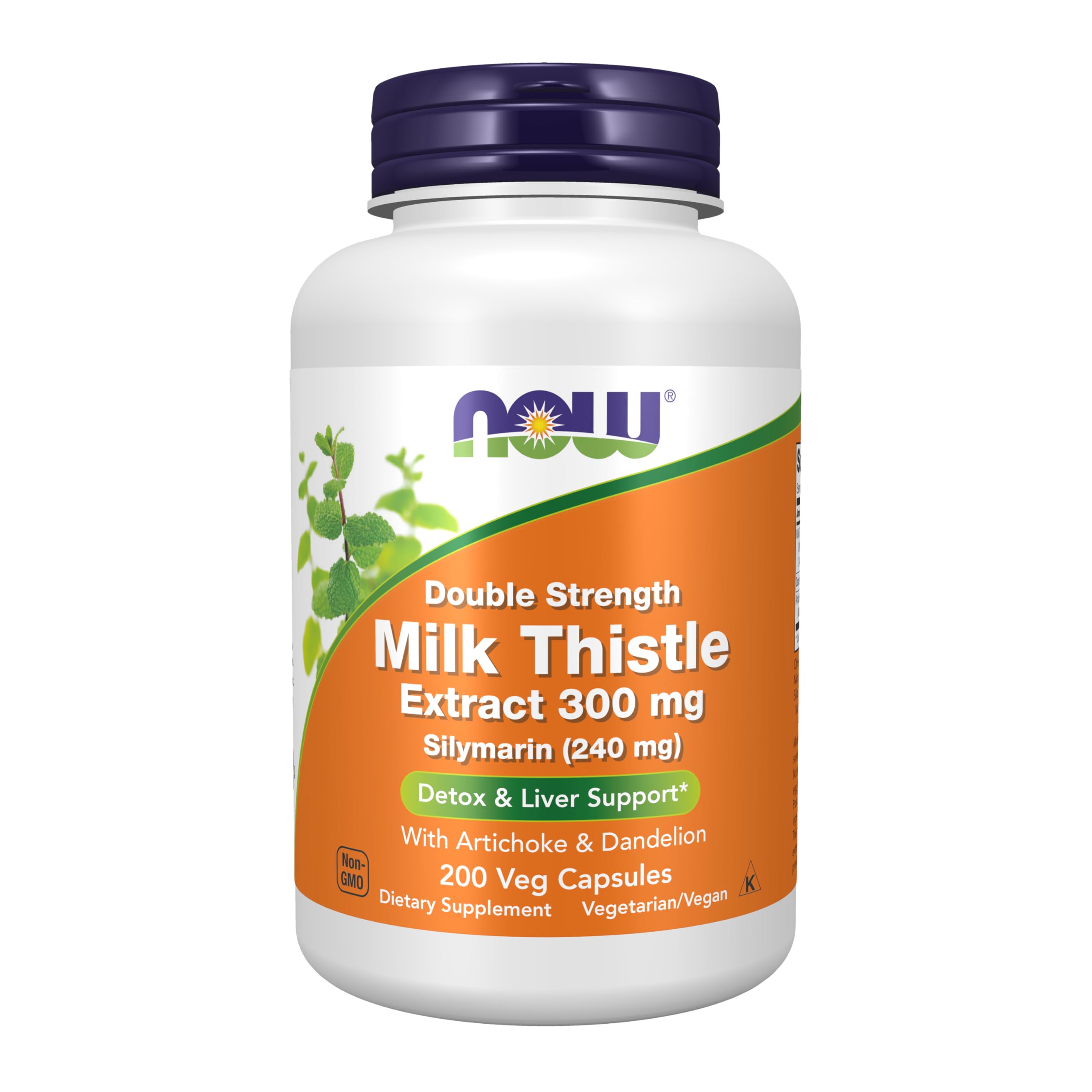
NOW Foods Supplements, Silymarin Milk Thistle Extract 300 mg with Artichoke and Dandelion, Double Strength, Supports Liver Function*, 200 Veg Capsules
DOUBLE STRENGTH: <strong>Double Strength Silymarin has twice the milk thistle extract (300 mg per capsule) as in our regular strength product (150 mg per capsule).</strong>

Everlywell At
CLIA-CERTIFIED LAB ANALYSIS: Everlywell test results are reviewed by board-certified physicians and analyzed in a CLIA-certified lab that meets federal standards for laboratory testing to ensure accur
Health Disclaimer
This content is for informational purposes only and does not constitute medical advice. Always consult a qualified healthcare provider before starting, stopping, or changing any supplement or medication regimen.