

Benign Prostatic Hyperplasia (BPH) and Alpha blockers
Benign prostatic hyperplasia (BPH) is a noncancerous enlargement of the prostate that can constrict the urethra and impede bladder emptying, producing lower urinary tract symptoms (LUTS) such as weak stream, hesitancy, straining, and nocturia. Alpha blockers are a first‑line medication class for bothersome BPH symptoms. They work by blocking alpha‑1 adrenergic receptors in the smooth muscle of the prostate and bladder neck, relaxing this tissue and reducing the “dynamic” obstruction to urine flow. They do not shrink the prostate, but they typically relieve symptoms quickly—often within days—with benefits generally evident by 1–2 weeks. Clinical evidence shows alpha blockers produce modest but meaningful improvements in symptom scores and flow. Meta‑analyses suggest average International Prostate Symptom Score (IPSS) reductions of about 3–6 points from baseline and increases in peak urinary flow (Qmax) by roughly 1–3 mL/s compared with small changes on placebo. Uroselective agents (tamsulosin, silodosin, alfuzosin) tend to have less blood‑pressure lowering but more ejaculatory side effects, while nonselective agents (terazosin, doxazosin) require dose titration and carry higher risks of dizziness and orthostatic hypotension. Alpha blockers can be used alone for rapid relief; for men with larger prostates or higher risk of progression, combination therapy with a 5‑alpha‑reductase inhibitor (5‑ARI: finasteride or dutasteride) improves long‑term outcomes, reducing the risk of urinary retention and surgery. Safety considerations include common effects—dizziness, fatigue, nasal congestion, and ejaculatory changes—and less common but important risks: orthostatic hypotension and rare syncope, especially at initiation or dose changes; and intraoperative floppy iris syndrome during cataract surgery, which can occur even long after stopping the drug, so informing an eye surgeon is essential. Drug interactions include additive blood‑pressure effects with antihypertensives and
Updated August 20, 2026This content is for informational purposes only and does not constitute medical advice. Always consult a qualified healthcare provider before starting, stopping, or changing any supplement or medication regimen.
Overlapping Treatments
5-alpha-reductase inhibitors (finasteride, dutasteride)
Strong EvidenceShrink prostate volume, lower PSA, reduce risk of urinary retention and need for surgery; symptom benefits accrue over months
Complement alpha blockers: combination provides rapid symptom relief plus long-term disease modification
Sexual side effects (reduced libido, erectile/ejaculatory changes); slow onset; best for larger prostates (e.g., >30–40 mL)
PDE5 inhibitors (e.g., tadalafil)
Moderate EvidenceImprove LUTS and quality of life, particularly in men with coexisting erectile dysfunction
Additive symptom relief with alpha blockers in selected patients
Potential hypotension when combined—caution with nonselective alpha blockers; avoid initiating both on the same day; monitor for dizziness
Antimuscarinics (e.g., solifenacin) and beta-3 agonists (mirabegron)
Moderate EvidenceTarget storage symptoms (urgency, frequency, nocturia) that may persist despite alpha blocker therapy
Combination with alpha blockers addresses mixed (voiding + storage) LUTS patterns
Risk of urinary retention with antimuscarinics; mirabegron may raise blood pressure—monitor in hypertensive patients
Minimally invasive/surgical therapies (TURP, laser enucleation, UroLift, Rezūm)
Strong EvidenceProvide greater and more durable relief, especially for refractory symptoms or complications of BPH
May allow discontinuation of alpha blockers after successful procedure
Procedure-specific risks (bleeding, sexual side effects, temporary urinary symptoms); choice depends on anatomy and priorities
Pelvic floor physical therapy and bladder training
Emerging ResearchMay reduce urgency, frequency, and nocturia; supports voiding mechanics
Nonpharmacologic adjunct that can reduce reliance on medication in some cases
Benefits vary; requires adherence and trained guidance
Lifestyle modification (fluid timing, caffeine/alcohol reduction, weight and sleep optimization)
Moderate EvidenceCan decrease nocturia and frequency; may modestly improve overall LUTS
Supports symptom control alongside alpha blockers; may lower need for dose escalation
Individual response varies; best as part of a comprehensive plan
Herbal agents (e.g., saw palmetto, pygeum, beta‑sitosterol, rye grass pollen)
Emerging ResearchSome individuals report modest symptom improvements
Occasionally used when patients prefer complementary approaches with or without alpha blockers
Evidence mixed or limited; potential interactions and variable product quality—discuss with a clinician
Medical Perspectives
Two Ways of Seeing Health

Western
scientific · clinical
Western medicine applies science, technology, and clinical experience to treat symptoms through testing, diagnosis, and targeted intervention.
Surgeons · Pharmaceuticals · Clinical trials · Diagnostics 
Eastern
traditional · alternative
Eastern medicine focuses on treating the body naturally by applying traditional knowledge practiced for thousands of years, emphasizing balance and whole-person wellness.
Acupuncture · Herbal medicine · Yoga · Meditation
Gold Bamboo presents both perspectives side-by-side so you can make informed decisions. We don't advocate for one over the other — your health choices are yours.
Two Ways of Seeing Health
Western
scientific · clinical
Western medicine applies science, technology, and clinical experience to treat symptoms through testing, diagnosis, and targeted intervention.
Eastern
traditional · alternative
Eastern medicine focuses on treating the body naturally by applying traditional knowledge practiced for thousands of years, emphasizing balance and whole-person wellness.
Gold Bamboo presents both perspectives side-by-side so you can make informed decisions. We don't advocate for one over the other — your health choices are yours.
Western Perspective
Western medicine views alpha blockers as first‑line pharmacotherapy for bothersome LUTS due to BPH because they rapidly relax smooth muscle in the prostate and bladder neck, improving flow without altering prostate size. Evidence demonstrates modest symptom and flow gains, with agent selection tailored to comorbidity, side‑effect profiles, and patient preferences. For men at risk of progression (larger prostates, higher PSA), combining an alpha blocker with a 5‑alpha‑reductase inhibitor provides superior long‑term protection against retention and surgery.
Key Insights
- Alpha blockers improve IPSS by about 3–6 points and Qmax by ~1–3 mL/s on average versus small placebo changes
- Uroselective agents (tamsulosin, silodosin, alfuzosin) produce fewer blood‑pressure effects; nonselective agents (terazosin, doxazosin) require titration and carry higher hypotension risk
- Combination therapy with 5‑ARIs reduces disease progression in men with enlarged prostates (MTOPS, CombAT)
- Alpha blockers do not reduce prostate size or PSA—5‑ARIs are needed for disease modification
- IFIS is a notable perioperative risk; patients should alert ophthalmologists before cataract surgery
Treatments
- Alpha blockers (tamsulosin, terazosin, doxazosin, alfuzosin, silodosin)
- 5‑alpha‑reductase inhibitors (finasteride, dutasteride)
- PDE5 inhibitor (tadalafil) for LUTS/ED
- Antimuscarinics or mirabegron for persistent storage symptoms
- Minimally invasive or surgical options (TURP, HoLEP, UroLift, Rezūm)
Deep Dive
From a western clinical perspective, BPH produces lower urinary tract symptoms through two processes: a static component (enlarged gland compres... From a western clinical perspective, BPH produces lower urinary tract symptoms through two processes: a static component (enlarged gland compressing the urethra) and a dynamic component (increased smooth‑muscle tone in the prostate and bladder neck). Alpha‑1 adrenergic antagonists directly target the dynamic component, decreasing outlet resistance and improving urinary flow. Randomized trials and meta‑analyses show that, as a class, alpha blockers yield modest but clinically relevant improvements: average symptom score reductions on the order of a few points and small increases in peak flow. This rapid relief—often within days—is why alpha blockers are first‑line for bothersome LUTS. Agent choice leverages pharmacologic nuances. Tamsulosin, silodosin, and alfuzosin are more uroselective, generally causing fewer blood‑pressure effects but more ejaculatory disturbances (particularly silodosin). Terazosin and doxazosin are nonselective, require careful up‑titration, and confer a higher risk of orthostatic hypotension and first‑dose syncope, which is particularly relevant in older adults or those on antihypertensives. All alpha blockers share class effects such as dizziness and nasal congestion; rare but important risks include syncope and intraoperative floppy iris syndrome during cataract surgery—ophthalmologists should be informed pre‑operatively. Because alpha blockers do not shrink the prostate or reduce PSA, they do not on their own prevent structural progression. For men with larger prostates (e.g., >30–40 mL) or higher PSA who have increased risk of retention and surgery, combining an alpha blocker with a 5‑alpha‑reductase inhibitor (finasteride or dutasteride) adds disease modification. Landmark trials (MTOPS and CombAT) confirm that combination therapy reduces long‑term progression more than monotherapy. For persistent storage symptoms (urgency, frequency) despite improved flow, adding an antimuscarinic or beta‑3 agonist is guideline‑supported with attention to retention risk and blood pressure, respectively. PDE5 inhibitors (tadalafil) can improve LUTS—especially in men with erectile dysfunction—but may add hypotensive effects when combined with alpha blockers, warranting cautious co‑administration. When medication is inadequate, minimally invasive or surgical options—TURP, laser enucleation, UroLift, Rezūm—offer more durable relief. Throughout care, clinicians monitor symptom scores, side effects, blood pressure, and objective measures such as post‑void residuals to align treatment intensity with patient goals and risk profile.
Sources
- AUA Guideline: Management of LUTS attributed to BPH (2023 update)
- EAU Guidelines on Non‑neurogenic Male LUTS (2024)
- Cochrane Review: Alpha‑blockers for LUTS/BPH (2014; updates)
- McConnell et al., NEJM 2003 (MTOPS)
- Roehrborn et al., Eur Urol 2010 (CombAT)
- Chang & Campbell, J Cataract Refract Surg 2005 (IFIS)
Eastern Perspective
Traditional systems frame urinary difficulty within broader patterns of constitutional balance and pelvic energy flow. In Traditional Chinese Medicine (TCM), BPH‑like symptoms are often attributed to Kidney qi/yang deficiency, damp‑heat in the Lower Jiao, or Qi stagnation affecting the Bladder channel. Ayurveda describes Mutraghata, involving derangements of Vata (flow), with Kapha accumulation obstructing urinary passages. Interventions aim to restore balance, reduce pelvic congestion, and support bladder emptying using botanicals, acupuncture, dietary regulation, and pelvic practices.
Key Insights
- TCM distinguishes patterns (e.g., damp‑heat vs. deficiency) and selects formulas and points accordingly, often alongside conventional care
- Ayurvedic protocols emphasize gentle diuretics and tonics (e.g., varuna, punarnava) and bowel regularity to reduce pelvic pressure
- Acupuncture may modulate autonomic tone and pelvic floor function, potentially easing urgency and frequency
- Saw palmetto, pygeum, pumpkin seed, and beta‑sitosterol are widely used in integrative practice, though modern evidence is mixed
Treatments
- TCM herbal formulas tailored to pattern (e.g., Ji Sheng Shen Qi Wan for yang deficiency; Ba Zheng San short‑term for damp‑heat)
- Acupuncture at bladder/pelvic points (e.g., BL33, BL28, CV3, CV4, SP6)
- Ayurvedic botanicals (e.g., Crataeva nurvala/varuna, Boerhaavia diffusa/punarnava) with dietary moderation
- Evidence‑backed nutraceuticals used integratively (beta‑sitosterol, rye grass pollen)
Deep Dive
Traditional and integrative frameworks view urinary difficulty not only as a mechanical problem but also as a manifestation of systemic imbalanc... Traditional and integrative frameworks view urinary difficulty not only as a mechanical problem but also as a manifestation of systemic imbalance. In TCM, patterns such as Kidney yang deficiency (weak transformative power leading to incomplete voiding), damp‑heat in the Lower Jiao (burning, frequency), or Qi stagnation obstructing the Bladder channel inform therapy. Herbal formulas are individualized—for example, Ji Sheng Shen Qi Wan to warm and tonify deficiency, or short‑term Ba Zheng San to clear damp‑heat—while acupuncture at pelvic and sacral points (BL33, BL28) and on the Ren channel (CV3, CV4) aims to regulate autonomic tone, relax pelvic floor musculature, and improve bladder emptying. Evidence from small randomized studies suggests potential symptom reductions, but heterogeneity and modest sample sizes keep the certainty low. Ayurveda describes Mutraghata, emphasizing Vata derangement (disordered flow) with Kapha accumulation (obstruction). Management may include botanicals such as varuna (Crataeva nurvala) and punarnava (Boerhaavia diffusa) for urinary support, along with dietary moderation to reduce heaviness and fluid shifts. Gentle pelvic practices and attention to bowel regularity are thought to decrease pelvic congestion. In naturopathic and integrative settings, widely used botanicals—saw palmetto, pygeum, pumpkin seed, and beta‑sitosterol—are chosen to ease LUTS; among these, beta‑sitosterol and pygeum have some supportive trials, whereas high‑quality evidence for saw palmetto is inconsistent. In an integrative plan, conventional alpha blockers can be paired with lifestyle measures—fluid timing, caffeine and alcohol reduction, weight and sleep optimization—and, where appropriate, pelvic floor physical therapy to address urgency, frequency, and nocturia. Practitioners emphasize individualization: matching the herbal or acupuncture approach to the presenting pattern while coordinating with medical therapy to avoid interactions (for example, monitoring blood pressure if combining vasomodulatory herbs with alpha blockers). The shared aim with western medicine is symptom relief and quality‑of‑life improvement; eastern traditions add a focus on restoring systemic balance and long‑term resilience. Given variable evidence quality for complementary modalities, open communication with clinicians helps patients use these tools safely and effectively.
Sources
- TCM and urology texts summarizing Lower Jiao patterns
- Ayurvedic classics on Mutraghata (Sushruta Samhita) and contemporary reviews
- Systematic reviews on acupuncture for male LUTS (small RCTs; mixed quality)
- Cochrane Reviews on Serenoa repens (saw palmetto) and phytotherapy for LUTS/BPH
Evidence Ratings
Alpha blockers provide rapid symptom relief in BPH, with average IPSS reductions of ~3–6 points and Qmax gains of ~1–3 mL/s
Cochrane Review: Alpha‑blockers for LUTS/BPH (2014; updates); EAU 2024
Uroselective alpha blockers have lower risks of orthostatic hypotension than terazosin/doxazosin but more ejaculatory dysfunction, especially with silodosin
EAU 2024; AUA 2023; head‑to‑head trials summaries
Combination therapy with an alpha blocker plus a 5‑ARI reduces risk of acute urinary retention and need for surgery in men with enlarged prostates
MTOPS (NEJM 2003); CombAT (Eur Urol 2010)
Alpha blockers do not reduce prostate size or PSA and do not prevent long‑term progression when used alone
AUA 2023; EAU 2024 guidelines
Intraoperative floppy iris syndrome (IFIS) is associated with tamsulosin exposure and can occur long after discontinuation
Chang & Campbell, J Cataract Refract Surg 2005; ophthalmology case series/reviews
Concurrent use of PDE5 inhibitors and alpha blockers can increase risk of symptomatic hypotension, particularly with nonselective alpha blockers
AUA 2023; FDA labeling for PDE5 inhibitors and alpha blockers
Lifestyle measures (fluid timing, caffeine/alcohol reduction, weight management) can modestly improve LUTS and complement medication
EAU 2024 guideline recommendations and observational data
Saw palmetto has not consistently outperformed placebo for LUTS/BPH in rigorous trials
Cochrane Review: Serenoa repens for BPH (2012; updates)
Sources
- American Urological Association (AUA). Management of Lower Urinary Tract Symptoms Attributed to Benign Prostatic Hyperplasia (2023 update)
- European Association of Urology (EAU). Guidelines on Non‑neurogenic Male LUTS, including BPO (2024)
- Cochrane Review. Alpha‑blockers for treating lower urinary tract symptoms in men with benign prostatic hyperplasia (2014; subsequent updates)
- McConnell JD et al. The MTOPS Study. N Engl J Med. 2003;349:2387‑2398
- Roehrborn CG et al. The CombAT Study. Eur Urol. 2010;57:123‑131
- Chang DF, Campbell JR. Intraoperative floppy iris syndrome associated with tamsulosin. J Cataract Refract Surg. 2005;31:664‑673
- EAU/AUA guideline statements on combination therapy with antimuscarinics and mirabegron for persistent storage LUTS
- FDA labeling and safety communications for PDE5 inhibitors and alpha blockers (hypotension risk)
- Cochrane Review. Serenoa repens (saw palmetto) for BPH (2012; updates)
- Wilt TJ et al. Phytosterols/beta‑sitosterol for BPH. Cochrane Review (2000; updates)
- Wilt TJ et al. Pygeum africanum for BPH. Cochrane Review (2002)
- Reviews on acupuncture for male LUTS/BPH (systematic reviews with small RCTs)
Related Topics
Recommended Products

Mayo Clinic on Prostate Health 3rd Edition: Answers to questions about prostate enlargement, inflammation and cancer: Lomas M.D., Derek J., Shah M.D., Paras H.
Topics covered in this updated ... incontinence and sexual dysfunction. The book is <strong>based on the advice that Mayo Clinic doctors share every day in caring for their patients</strong>....
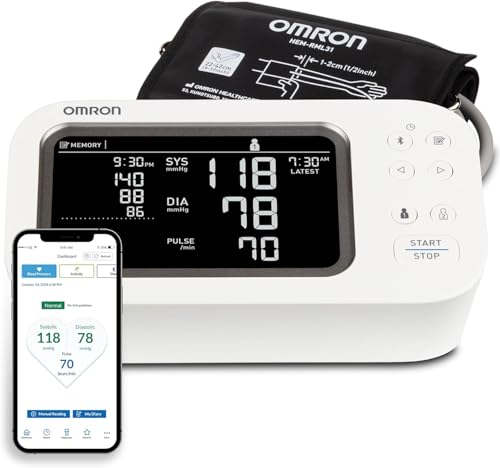
OMRON Platinum Blood Pressure Monitor for Home Use & Upper Arm Blood Pressure Cuff - #1 Doctor & Pharmacist Recommended Brand - Clinically Validated - AFib Detection - Connect App
CONFIDENCE IN EVERY READING: Monitor your heart health with the OMRON Platinum Upper Arm Blood Pressure Monitor's <strong>Advanced Accuracy with AFib Detection Technology</strong>; Store up to 10
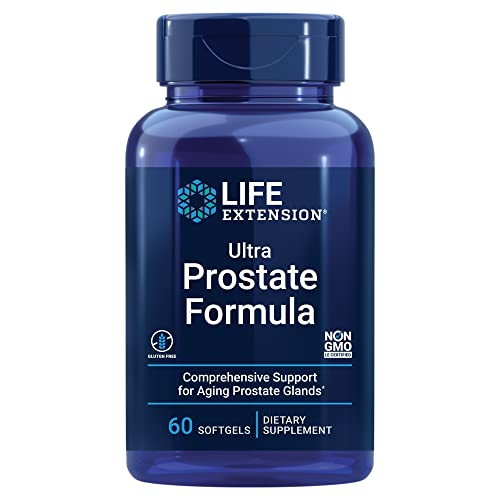
Life Extension Ultra Prostate Formula - Men’s Prostate Health Supplement with Beta Sitosterol, Saw Palmetto, Lycopene, Pumpkin Seed - 60 Softgels
Buy <strong>Life Extension Ultra Prostate Formula</strong> - Men’s Prostate Health Supplement with Beta Sitosterol, Saw Palmetto, Lycopene, Pumpkin Seed - 60 Softgels on Amazon.com ✓ FREE SHIPPING on
Health Disclaimer
This content is for informational purposes only and does not constitute medical advice. Always consult a qualified healthcare provider before starting, stopping, or changing any supplement or medication regimen.