

Atopic Dermatitis (Eczema) and Topical Corticosteroids (Topical Steroids)
Atopic dermatitis (AD), commonly called eczema, is a chronic, relapsing inflammatory skin condition marked by intense itch, dryness, and rash. Its biology centers on a leaky skin barrier (often tied to filaggrin defects), immune overactivation (type 2 inflammation with Th2 cytokines like IL-4/IL-13), and a tendency to flare with triggers such as irritants, allergens, infection, sweating, stress, and climate. Because inflammation and barrier dysfunction drive symptoms and flares, topical anti‑inflammatories are a cornerstone of control alongside daily emollients to restore barrier function. Topical corticosteroids (TCS) are first‑line anti‑inflammatory treatments for AD. They are grouped by potency (very high to low) with choice guided by age, body site, and severity. By activating glucocorticoid receptors, TCS reduce inflammatory cytokines, itch, and skin redness. In most flares, visible and symptomatic improvement begins within days and commonly within 1–2 weeks. After clearing, many guidelines support intermittent “proactive” therapy (e.g., twice weekly on previously affected sites) to reduce relapses. Risks and uncertainties deserve careful attention. Local effects can include skin atrophy, stretch marks, telangiectasias, perioral dermatitis, acneiform eruptions, and, rarely, glaucoma or cataracts with periocular use. Risk rises with higher potency, thin/occluded skin areas (face, folds), larger application areas, and longer continuous use. Systemic absorption can suppress the hypothalamic‑pituitary‑adrenal axis, especially in young children, with potent agents, large surface areas, or occlusion; this is uncommon when used appropriately. Topical steroid withdrawal (TSW, sometimes called “red skin syndrome”) is reported, mainly after prolonged daily use of potent agents; current evidence is largely from case reports and expert opinion, so true prevalence and mechanisms remain uncertain. At the same time, “steroid phobia”—fear of using TCS—affects many patients/c
Updated September 8, 2026This content is for informational purposes only and does not constitute medical advice. Always consult a qualified healthcare provider before starting, stopping, or changing any supplement or medication regimen.
Shared Risk Factors
Skin barrier dysfunction and filaggrin variants
Moderate EvidenceA defective barrier increases transepidermal water loss and allergen/microbe penetration, worsening AD severity. The same barrier impairment and inflamed skin can increase percutaneous absorption of topical steroids, amplifying both efficacy and risk of local adverse effects.
Age and body site (thin skin, large BSA)
Strong EvidenceInfants/children have higher surface‑area‑to‑weight ratios and thinner skin; the face, neck, and intertriginous areas are more permeable. AD often involves these sites; TCS on them has higher local and systemic absorption risk.
Inflammation, infection, and Staphylococcus aureus colonization
Moderate EvidenceS. aureus overgrowth and skin infection worsen AD by fueling inflammation. Inflamed/infected skin is more permeable, which can alter steroid absorption and necessitate combined antimicrobial strategies.
Occlusion and wet‑wraps
Moderate EvidenceOcclusion (dressings, diapers, wet‑wraps) markedly increases TCS penetration and clinical effect; beneficial during severe flares but also raises risk of adverse effects.
Adherence and steroid phobia
Moderate EvidenceFear of steroids leads to underuse, undertreatment, and persistent inflammation; conversely, misunderstanding can lead to overuse. Education influences both disease control and safety.
Comorbid atopy and allergen exposure
Moderate EvidencePatients with AD often have allergic rhinitis, asthma, and food/environmental sensitivities, which can trigger flares and increase anti‑inflammatory needs; flares drive more frequent TCS courses.
Overlapping Treatments
Emollients and barrier repair moisturizers
Moderate EvidenceReduce xerosis, itch, and flare frequency; improve quality of life.
Steroid‑sparing by lowering flare intensity and frequency; may enhance penetration when appropriately layered.
Choose fragrance‑free products; patch test if sensitive; consistent daily use needed.
Wet‑wrap therapy
Moderate EvidenceShort‑term improvement in severe flares, better hydration, and itch relief.
Enhances TCS efficacy allowing shorter courses; potential to reduce needed potency.
Increases absorption; monitor closely in children; limit duration under clinical guidance.
Topical calcineurin inhibitors (tacrolimus, pimecrolimus)
Strong EvidenceEffective for facial/flexural AD and maintenance; reduce flares.
Steroid‑sparing alternative for sensitive sites and long‑term control.
Transient burning; black‑box warning based on theoretical risk; long‑term cancer signal not demonstrated in large studies.
Topical PDE‑4 inhibitor (crisaborole) and topical JAK inhibitor (ruxolitinib)
Moderate EvidenceReduce inflammation and itch in mild‑to‑moderate (crisaborole) and mild‑to‑moderate with rapid itch relief (ruxolitinib).
Provide non‑steroidal options for maintenance or steroid‑sparing.
Potential stinging with crisaborole; ruxolitinib labeling cautions for class‑wide JAK risks though systemic exposure is low when used as directed.
Phototherapy (narrowband UVB)
Moderate EvidenceImproves moderate‑to‑severe AD when topicals insufficient.
Reduces reliance on frequent steroid bursts.
Access/logistics; cumulative UV exposure considerations; not ideal for very young children.
Biologics (dupilumab, tralokinumab) and oral JAK inhibitors (upadacitinib, abrocitinib)
Strong EvidenceSubstantial itch and lesion reduction in moderate‑to‑severe AD; improved sleep and quality of life.
Marked steroid‑sparing effects for refractory disease.
Injection/medication adverse effects; lab monitoring for some; specialty care required.
Antiseptic strategies (e.g., dilute bleach baths, intranasal mupirocin when indicated)
Emerging ResearchMay reduce S. aureus burden and flares in selected patients.
Lower infection‑driven inflammation may reduce steroid need.
Evidence mixed; avoid overuse of antibiotics; follow clinician guidance.
Medical Perspectives
Two Ways of Seeing Health

Western
scientific · clinical
Western medicine applies science, technology, and clinical experience to treat symptoms through testing, diagnosis, and targeted intervention.
Surgeons · Pharmaceuticals · Clinical trials · Diagnostics 
Eastern
traditional · alternative
Eastern medicine focuses on treating the body naturally by applying traditional knowledge practiced for thousands of years, emphasizing balance and whole-person wellness.
Acupuncture · Herbal medicine · Yoga · Meditation
Gold Bamboo presents both perspectives side-by-side so you can make informed decisions. We don't advocate for one over the other — your health choices are yours.
Two Ways of Seeing Health
Western
scientific · clinical
Western medicine applies science, technology, and clinical experience to treat symptoms through testing, diagnosis, and targeted intervention.
Eastern
traditional · alternative
Eastern medicine focuses on treating the body naturally by applying traditional knowledge practiced for thousands of years, emphasizing balance and whole-person wellness.
Gold Bamboo presents both perspectives side-by-side so you can make informed decisions. We don't advocate for one over the other — your health choices are yours.
Western Perspective
Western medicine views topical corticosteroids as first‑line, highly effective anti‑inflammatories for atopic dermatitis. Potency selection, site‑specific use, and intermittent proactive maintenance are key to maximizing benefit while minimizing risk. Guidelines emphasize barrier repair with emollients, prompt anti‑inflammatory treatment of flares, and escalation to non‑steroidal topicals, phototherapy, or systemic agents when disease is uncontrolled.
Key Insights
- TCS rapidly reduce AD signs and itch; most flares improve within 1–2 weeks when appropriately treated.
- Risk of local adverse effects increases with higher potency, thin skin sites, occlusion, and prolonged continuous use; systemic effects are uncommon with guideline‑concordant regimens.
- Proactive, intermittent TCS on previously affected sites reduces relapses compared with reactive‑only use.
- Undertreatment due to steroid phobia is common and linked to poorer disease control; structured education improves adherence and outcomes.
- Non‑steroidal options (TCIs, PDE‑4, JAK inhibitors) and biologics offer steroid‑sparing pathways, especially for sensitive sites or moderate‑to‑severe disease.
Treatments
- Topical corticosteroids by appropriate potency and site
- Topical calcineurin inhibitors; PDE‑4 and topical JAK inhibitors
- Emollients and wet‑wraps
- Phototherapy (NB‑UVB)
- Biologics (dupilumab, tralokinumab) and oral JAK inhibitors in severe cases
Deep Dive
From a western clinical perspective, atopic dermatitis is driven by two intertwined problems: a compromised epidermal barrier and immune dysregu... From a western clinical perspective, atopic dermatitis is driven by two intertwined problems: a compromised epidermal barrier and immune dysregulation skewed toward type 2 inflammation. This combination allows irritants, microbes, and allergens to penetrate, increasing antigen presentation and cytokine release that perpetuate itch and inflammation. Topical corticosteroids (TCS) address the inflammatory arm directly by activating cutaneous glucocorticoid receptors and down‑regulating pro‑inflammatory pathways. In practice, they are selected by potency according to age, body site, and severity—milder agents on thin skin and in children; stronger agents for short bursts on lichenified plaques. With appropriate use, most patients experience clinically meaningful relief of erythema, edema, and pruritus within days, often achieving control within 1–2 weeks. Evidence also supports proactive, intermittent use on previously involved areas to prevent relapses, in tandem with daily emollients that restore barrier function. Risk management is integral. The likelihood of cutaneous atrophy, telangiectasia, striae, and other local effects rises with higher potency, prolonged continuous use, and application to thin or occluded skin. Systemic absorption sufficient to suppress the hypothalamic–pituitary–adrenal axis is unusual under guideline‑concordant regimens but can occur, particularly in young children when large areas or wet‑wraps are involved. Clinical teams prioritize the lowest effective potency for the shortest necessary duration, reassess after acute control, and pivot to steroid‑sparing strategies—topical calcineurin inhibitors, PDE‑4 or topical JAK inhibitors—for maintenance or for sensitive areas like the face and folds. For moderate‑to‑severe disease refractory to optimized topical care, phototherapy and highly effective systemic options (dupilumab, tralokinumab, oral JAK inhibitors) provide durable control and reduce dependence on TCS. Two controversies require nuance. First, topical steroid withdrawal (TSW) or “red skin syndrome” is recognized anecdotally and in case series, especially after prolonged daily use of potent agents; robust epidemiologic data are lacking, leaving prevalence and pathophysiology uncertain. Second, steroid phobia is widespread and contributes to undertreatment and ongoing inflammation. Shared decision‑making—clear instructions, safety monitoring, and discussion of alternatives—helps patients balance benefits and risks. Pediatric care warrants special attention to absorption, body‑site differences, and caregiver education, with referral to dermatology for severe, recurrently infected, or treatment‑resistant disease.
Sources
- American Academy of Dermatology (AAD) Guidelines of Care for Atopic Dermatitis, updates 2014–2023
- Eichenfield LF et al. J Am Acad Dermatol. 2014; management guidelines
- van Zuuren EJ et al. Emollients and moisturisers for eczema. Cochrane Review 2017
- Schmitt J et al. Topical calcineurin inhibitors for eczema. Cochrane Review 2015
- Simpson EL et al. Dupilumab in moderate‑to‑severe AD. N Engl J Med. 2016
- Kim BS et al. Ruxolitinib cream for AD (TRuE‑AD1/2). JAMA Dermatol. 2021
- Hengge UR et al. Adverse effects of topical glucocorticoids. J Am Acad Dermatol. 2006
- Li AW et al. Topical corticosteroid phobia: systematic review. JAMA Dermatol. 2017
- Hajar T et al. Topical corticosteroid withdrawal: systematic review. J Am Acad Dermatol. 2015
Eastern Perspective
Traditional systems frame atopic dermatitis as an external manifestation of internal imbalance plus environmental provocation. In Traditional Chinese Medicine (TCM), AD often reflects wind‑damp‑heat with underlying blood and yin dryness; therapy aims to clear heat, dispel wind, resolve dampness, and nourish blood/skin. Ayurveda typically interprets eczema as Pitta‑Kapha aggravation with impaired Agni (digestion/metabolism); management focuses on pacifying Pitta, supporting skin integrity, and calming itch through botanicals, diet, and mind‑body practices. Many approaches target itch, inflammation, and barrier repair—overlapping mechanistically with western goals—though evidence quality varies.
Key Insights
- TCM herbal formulas (e.g., Xiao Feng San variations) and individualized decoctions are traditionally used for oozing, itchy dermatitis; small trials suggest benefit but heterogeneity and quality concerns remain.
- Topical herbal preparations (e.g., indigo naturalis/other botanicals), colloidal oatmeal, and coconut or sunflower seed oil are used to soothe skin and may support the barrier.
- Acupuncture and acupressure are used to modulate itch and stress; limited trials report symptomatic improvement.
- Probiotic and dietary modulation are common integrative strategies, with more evidence for prevention than for treatment of established AD.
- Quality control is essential; some imported herbal creams have been found adulterated with corticosteroids, underscoring the need for reputable sources and clinician oversight.
Treatments
- Individualized TCM herbal formulas; dermatology‑focused TCM care
- Acupuncture for itch modulation and stress reduction
- Topical botanicals/oils (e.g., coconut oil, colloidal oatmeal)
- Ayurvedic skin‑soothing herbs and routines (e.g., neem, manjistha, gentle emollients)
- Mind–body stress reduction practices
Deep Dive
Traditional and integrative frameworks conceptualize eczema as a surface sign of deeper imbalance. In Traditional Chinese Medicine, patterns suc... Traditional and integrative frameworks conceptualize eczema as a surface sign of deeper imbalance. In Traditional Chinese Medicine, patterns such as wind‑damp‑heat with underlying blood or yin deficiency guide individualized herbal formulas intended to clear heat, resolve dampness, disperse wind (to calm itch), and nourish the skin. Ayurveda commonly views eczema as a Pitta‑Kapha aggravation with impaired Agni; therapies emphasize cooling, anti‑itch botanicals, gentle emollients, dietary adjustments to calm Pitta, and routines that soothe the nervous system. These systems also emphasize environmental moderation and stress reduction—factors that often flare eczema in biomedical models via neuroimmune pathways. A practical bridge between traditions lies in barrier support and itch modulation. Topical botanicals such as colloidal oatmeal and certain oils (e.g., coconut or sunflower seed oil) are used to soften and protect the skin; limited clinical studies suggest improvements in hydration, bacterial colonization, or symptoms. Acupuncture is sometimes used to reduce itch and stress burden, potentially acting through neuromodulatory effects; pilot trials report symptomatic relief though larger, rigorous studies are needed. Probiotics and diet are common integrative tools; current evidence suggests inconsistent benefit for treating established AD, with more promise for preventing eczema in high‑risk infants. Importantly, quality control matters: some non‑prescription herbal creams have been found adulterated with corticosteroids, which can confound perceived benefits and pose safety risks. Collaboration with qualified practitioners and dermatologists can help select reputable products and integrate these approaches safely. In this view, topical corticosteroids remain valuable for short‑term symptom control, while traditional strategies may contribute to barrier care, itch relief, and stress reduction, potentially lowering reliance on steroids over time. A patient‑centered plan can honor symptom relief, safety, and the individual’s values while drawing on the strengths of both paradigms.
Sources
- Zemaphyte/complex Chinese herbal mixtures for AD: early RCTs with mixed results (BMJ 1992; subsequent safety concerns)
- Hon KL et al. Complementary and alternative medicine in children with eczema. Hong Kong Med J. 2011
- Evangelista MT et al. Topical virgin coconut oil vs mineral oil in pediatric AD. Dermatitis. 2014
- Boyle RJ et al. Probiotics for treating eczema. Cochrane Review 2018
- National Eczema Association: guidance on integrative approaches and product safety (2020–2023)
- Reports of adulteration in some herbal creams: regulatory alerts in UK/EU/US
Evidence Ratings
Topical corticosteroids are effective first‑line therapy for AD, improving signs and itch within 1–2 weeks for most flares.
AAD Guidelines of Care for Atopic Dermatitis (2014–2023 updates); Eichenfield LF et al., J Am Acad Dermatol. 2014
Intermittent proactive TCS on previously affected sites reduces AD relapses compared with reactive‑only use.
Cochrane Skin reviews on TCS strategies (2014–2017); guideline summaries in AAD 2014/2023
Risk of skin atrophy and other local adverse effects increases with higher potency, thin skin sites, occlusion, and prolonged continuous use.
Hengge UR et al. Adverse effects of topical glucocorticoids. J Am Acad Dermatol. 2006; AAD Guidelines
Clinically significant HPA‑axis suppression from TCS is uncommon with guideline‑concordant regimens, but risk rises with potent agents, large areas, pediatrics, and occlusion.
Castela E et al. Systemic side‑effects of topical corticosteroids. Ann Dermatol Venereol. 2011; AAD Guidelines
Topical steroid withdrawal reactions are reported but rare; current evidence is mainly case reports/series, so true prevalence is uncertain.
Hajar T et al. Topical corticosteroid addiction/withdrawal. J Am Acad Dermatol. 2015; British Association of Dermatologists statement, 2021
Regular emollient use reduces flare frequency and steroid need in AD.
van Zuuren EJ et al. Emollients and moisturisers for eczema. Cochrane Review 2017
Topical calcineurin inhibitors are effective steroid‑sparing options for sensitive sites and maintenance.
Schmitt J et al. Topical calcineurin inhibitors for eczema. Cochrane Review 2015
Probiotics have inconsistent benefit for treating established AD, with more supportive evidence for prevention than treatment.
Boyle RJ et al. Probiotics for treating eczema. Cochrane Review 2018
Sources
- American Academy of Dermatology (AAD) Guidelines of Care for the Management of Atopic Dermatitis. 2014–2023 updates.
- Eichenfield LF, Tom WL, et al. Guidelines of care for the management of atopic dermatitis. J Am Acad Dermatol. 2014.
- van Zuuren EJ, Fedorowicz Z, et al. Emollients and moisturisers for eczema. Cochrane Database Syst Rev. 2017.
- Schmitt J, Schmitt N, Meurer M. Topical calcineurin inhibitors for atopic dermatitis. Cochrane Database Syst Rev. 2015.
- Simpson EL, et al. Two phase 3 trials of dupilumab in atopic dermatitis. N Engl J Med. 2016.
- Kim BS, et al. Efficacy and safety of ruxolitinib cream in atopic dermatitis (TRuE‑AD1/AD2). JAMA Dermatol. 2021.
- Hengge UR, Ruzicka T, Schwartz RA, Cork MJ. Adverse effects of topical glucocorticoids. J Am Acad Dermatol. 2006.
- Castela E, Archier E, et al. Topical corticosteroids in atopic dermatitis and risk of systemic adverse events: a systematic review. Ann Dermatol Venereol. 2011.
- Hajar T, Leshem YA, Hanifin JM, et al. Topical corticosteroid addiction and withdrawal in atopic dermatitis: a systematic review. J Am Acad Dermatol. 2015.
- British Association of Dermatologists (BAD). Topical Steroid Withdrawal reactions: information and guidance. 2021.
- Li AW, Yin ES, Mostaghimi A. Topical corticosteroid phobia in atopic dermatitis: a systematic review. JAMA Dermatol. 2017.
- Huang JT, et al. Treatment of Staphylococcus aureus colonization in atopic dermatitis decreases disease severity. Pediatrics. 2009.
- Evangelista MT, Abad-Casintahan F, Lopez-Villafuerte L. Topical virgin coconut oil vs mineral oil for pediatric atopic dermatitis. Dermatitis. 2014.
- Boyle RJ, Bath-Hextall F, Leonardi-Bee J, et al. Probiotics for treating eczema. Cochrane Database Syst Rev. 2018.
Related Topics
Recommended Products
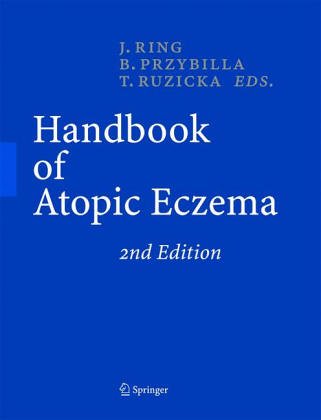
Handbook of Atopic Eczema eBook : Ruzicka, Thomas, Ring, Johannes, Przybilla, Bernhard: Kindle Store
<strong>Atopic eczema is one of the most common dermatologic Altough the etiopathogenesis of the disease has not yet conditions</strong>. According to recent data, up to 10 % of all been fully elucida
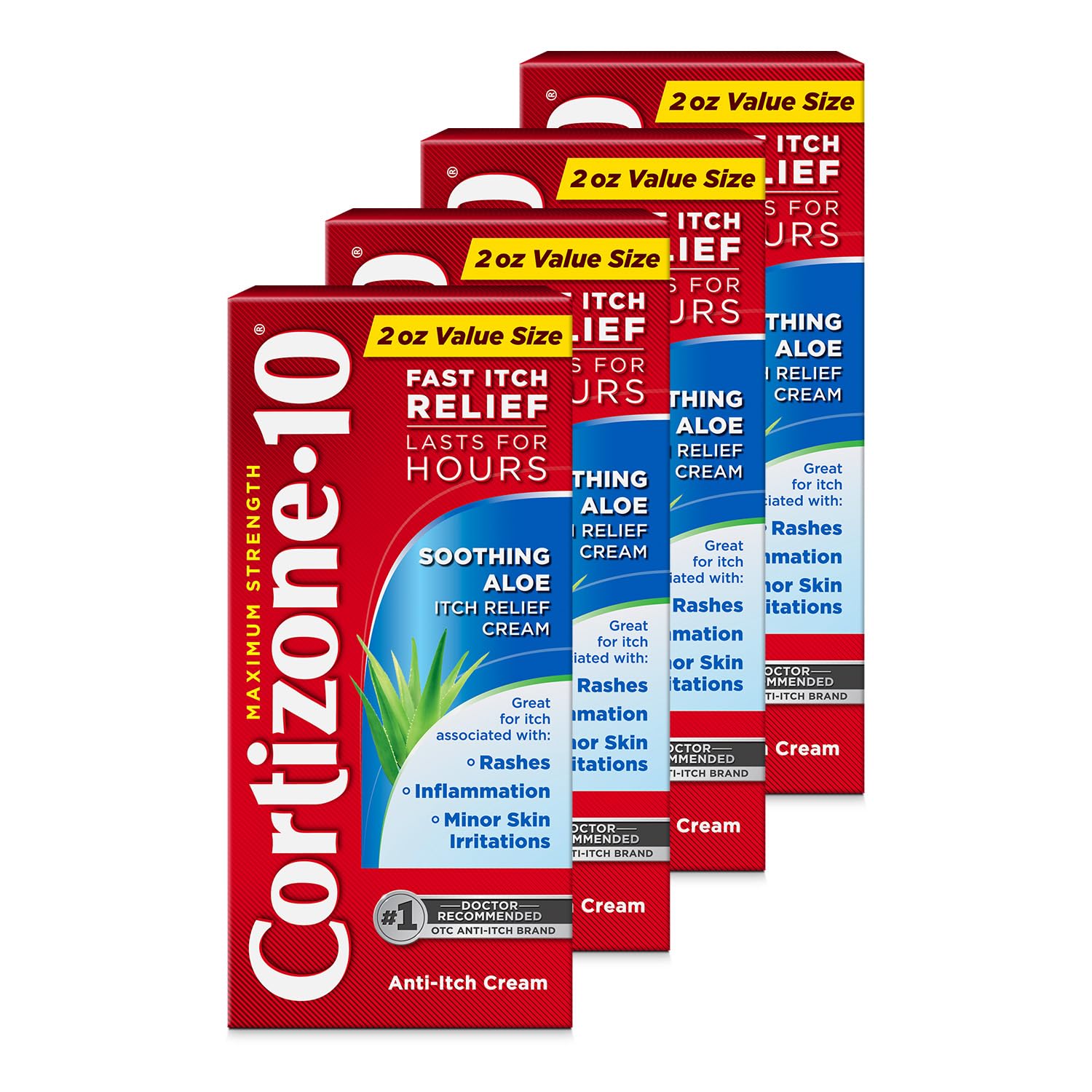
Cortizone-10 Maximum Strength Soothing Aloe Itch Relief Cream, 1% Hydrocortisone, Fast-Acting, Anti-Itch Cream for Bug Bites, Rash, Eczema, Psoriasis, Poison Ivy, Oak, Sumac & More, 2 oz
INCLUDES: One (1) 2 oz. tube of ... <strong>helps relieve itch associated with minor skin irritations, inflammation, and rashes due to eczema, psoriasis, insect bites, seborrheic dermatitis, poison iv
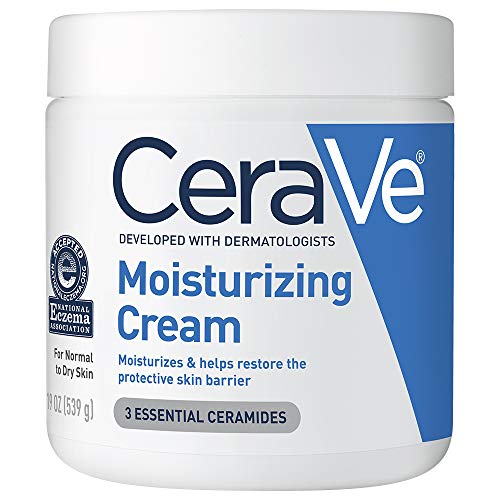
CeraVe Moisturizing Cream, Body and Face Moisturizer for Dry Skin, Body Cream with Hyaluronic Acid and Ceramides, Daily Moisturizer, Oil-Free, Fragrance Free, Non-Comedogenic, 19 Ounce
Amazon.com : CeraVe Moisturizing Cream, Body and Face Moisturizer for Dry Skin, <strong>Body Cream with Hyaluronic Acid and Ceramides</strong>, Daily Moisturizer, Oil-Free, Fragrance Free, Non-Comedog
Health Disclaimer
This content is for informational purposes only and does not constitute medical advice. Always consult a qualified healthcare provider before starting, stopping, or changing any supplement or medication regimen.