

Acne and Zinc
Acne is an inflammatory skin condition involving clogged pores, overgrowth of Cutibacterium acnes, excess sebum, and dysregulated wound healing. Zinc is an essential mineral with roles in immune modulation, antimicrobial defense, antioxidant protection, hormone metabolism, and collagen synthesis. Understanding how zinc and acne intersect can help patients and clinicians consider when zinc might serve as a useful adjunct—and when other therapies should take precedence. Biologically, zinc dampens key inflammatory pathways implicated in acne (for example, neutrophil activity and cytokines), can inhibit C. acnes lipase activity and biofilm formation, and may slightly reduce sebum output by influencing 5‑alpha‑reductase in vitro. It also supports keratinocyte proliferation and collagen formation, relevant to post‑lesional repair. Zinc deficiency is known to manifest in the skin as delayed wound healing, periorificial dermatitis, increased infections, and hair loss—signs that, along with dietary risk factors, can raise suspicion for low zinc status. Clinical research suggests a mixed but generally modest benefit of zinc for acne. Case‑control studies and meta‑analyses report lower average serum zinc levels in people with acne, correlating with severity in some cohorts. Randomized trials of oral zinc salts show small‑to‑moderate improvements in inflammatory lesions compared with placebo, though typically less than standard oral antibiotics. Topical zinc alone is inconsistently effective; however, combining zinc acetate with topical antibiotics (such as erythromycin) improves outcomes and may help limit antibiotic resistance. Data for nodulocystic or clearly hormonal acne are limited; zinc may help as part of a broader regimen but is unlikely to replace established therapies like retinoids, benzoyl peroxide, or, where appropriate, hormonal treatments. Formulation matters: different zinc salts vary in elemental zinc content and gastrointestinal tolerance; some forms may a
Updated September 8, 2026This content is for informational purposes only and does not constitute medical advice. Always consult a qualified healthcare provider before starting, stopping, or changing any supplement or medication regimen.
Medical Perspectives
Two Ways of Seeing Health

Western
scientific · clinical
Western medicine applies science, technology, and clinical experience to treat symptoms through testing, diagnosis, and targeted intervention.
Surgeons · Pharmaceuticals · Clinical trials · Diagnostics 
Eastern
traditional · alternative
Eastern medicine focuses on treating the body naturally by applying traditional knowledge practiced for thousands of years, emphasizing balance and whole-person wellness.
Acupuncture · Herbal medicine · Yoga · Meditation
Gold Bamboo presents both perspectives side-by-side so you can make informed decisions. We don't advocate for one over the other — your health choices are yours.
Two Ways of Seeing Health
Western
scientific · clinical
Western medicine applies science, technology, and clinical experience to treat symptoms through testing, diagnosis, and targeted intervention.
Eastern
traditional · alternative
Eastern medicine focuses on treating the body naturally by applying traditional knowledge practiced for thousands of years, emphasizing balance and whole-person wellness.
Gold Bamboo presents both perspectives side-by-side so you can make informed decisions. We don't advocate for one over the other — your health choices are yours.
Western Perspective
Western dermatology views zinc as an adjunctive option for acne due to its anti-inflammatory, antibacterial, and wound‑healing roles. Evidence indicates modest clinical benefit for inflammatory acne with oral zinc and more consistent benefit when zinc is paired with topical antibiotics. Zinc is not considered first‑line monotherapy for moderate to severe disease but may be useful when standard agents are not tolerated or when deficiency is suspected.
Key Insights
- People with acne often show lower mean serum/plasma zinc than controls, with severity correlations in some studies (moderate evidence).
- Oral zinc salts yield modest reductions in inflammatory lesions versus placebo; effects are generally smaller than with oral tetracyclines (moderate evidence).
- Topical antibiotic plus zinc acetate combinations outperform antibiotic alone and may mitigate resistance (moderate-to-strong evidence).
- Topical zinc alone shows limited and inconsistent efficacy (moderate evidence).
- High supplemental zinc can cause gastrointestinal upset and, chronically, copper deficiency; it chelates tetracyclines/fluoroquinolones and should be timed apart (strong evidence).
Treatments
- Oral zinc salts (e.g., gluconate, sulfate, picolinate) as adjuncts
- Topical erythromycin or clindamycin combined with zinc acetate
- Standard acne therapies alongside zinc: benzoyl peroxide, topical retinoids, oral antibiotics
- Monitoring for micronutrient status in suspected deficiency
Deep Dive
From a western clinical standpoint, acne arises through interplay among follicular hyperkeratinization, excess sebum, Cutibacterium acnes activi... From a western clinical standpoint, acne arises through interplay among follicular hyperkeratinization, excess sebum, Cutibacterium acnes activity, and inflammation. Zinc touches several of these nodes. It modulates innate and adaptive immune responses, curbing neutrophil activation and inflammatory cytokines that drive papules and pustules. Laboratory data show zinc can inhibit C. acnes lipases and biofilms, and certain topical forms modestly reduce sebum output, aligning with its proposed antiandrogenic effects in vitro. Zinc is also integral to keratinocyte proliferation and matrix remodeling, supporting lesion repair. Clinically, the signal is cautious optimism. Observational studies often find lower circulating zinc in acne versus controls, especially in more inflammatory presentations. Randomized trials of oral zinc salts demonstrate improvements in inflammatory lesion counts compared to placebo, though the magnitude tends to be smaller than with standard oral antibiotics. Tolerability is a practical limiter; gastrointestinal upset increases with higher supplemental amounts and varies by salt. Topically, zinc alone underperforms modern mainstays like benzoyl peroxide and retinoids. However, adding zinc acetate to topical antibiotics (notably erythromycin) improves efficacy and may help slow resistance—an appealing feature as stewardship becomes paramount. Guidelines situate zinc as an adjunct: consider it when patients cannot tolerate or prefer to minimize antibiotics, or when diet and clinical context raise suspicion of marginal zinc status. Interactions matter—zinc impairs absorption of tetracyclines and fluoroquinolones and should be spaced apart. Chronic excess risks copper deficiency, so prolonged high‑dose use warrants clinician oversight. In practice, zinc is layered onto a foundation of proven therapies: topical retinoids to normalize desquamation, benzoyl peroxide to target C. acnes without fostering resistance, and where indicated, hormonal or isotretinoin therapy. Outcomes, when zinc helps, typically emerge over several weeks to a few months, aligning with acne’s natural turnover cycles.
Sources
- Zaenglein AL et al. Guidelines of care for acne vulgaris. J Am Acad Dermatol. 2016; updated 2024.
- NICE Guideline NG198: Acne vulgaris: management. 2021.
- Gupta M et al. Zinc therapy in dermatology: A review. Indian Dermatol Online J. 2014.
- Eady EA et al. Topical erythromycin with zinc acetate in acne: randomized trials. Br J Dermatol. 1990.
- Cochrane Skin. Topical antibiotics for acne vulgaris. Cochrane Review. 2019.
- NIH Office of Dietary Supplements. Zinc Fact Sheet for Health Professionals. 2022.
Eastern Perspective
Traditional systems emphasize restoring balance in skin, digestion, and inflammation—concepts that resonate with zinc’s roles in tissue repair and immune regulation. Ayurveda has long used mineral preparations containing zinc (Jasad bhasma) for skin eruptions resembling acne (mukhadushika), often alongside herbs to reduce pitta/heat and support digestion. In Traditional Chinese Medicine (TCM), acne is commonly attributed to heat and dampness in the Lung and Stomach channels; mineral topicals containing zinc oxide or calamine (a zinc compound) are used to dry and soothe lesions while formulae, diet, and acupuncture address internal patterns. Modern naturopathic and integrative approaches also consider zinc repletion when risk factors or clinical signs suggest insufficiency.
Key Insights
- Ayurvedic texts describe zinc‑based preparations for inflammatory skin conditions, with contemporary use guided by constitution and digestive balance (traditional evidence).
- TCM employs calamine/zinc oxide topically to clear heat and dry dampness in pustular lesions, alongside internal herbal strategies (traditional evidence).
- Integrative practice may check zinc status in patients with dietary risk, poor wound healing, or refractory inflammatory acne (emerging evidence).
- Herb–nutrient synergy is emphasized; zinc is combined with anti‑inflammatory botanicals (e.g., neem, turmeric) or TCM formulas tailored to heat/toxin patterns (traditional/emerging evidence).
Treatments
- Ayurvedic Jasad bhasma under trained supervision
- Topical calamine or zinc oxide lotions/pastes
- Herbal formulas to reduce heat/inflammation (e.g., Ayurveda: neem, guduchi; TCM: Huang Lian Jie Du Tang variants)
- Dietary optimization for zinc (nuts, seeds, legumes, seafood) within constitutional patterns
Deep Dive
Traditional frameworks interpret acne as a manifestation of internal heat, dampness, and digestive imbalance that surface through the skin. With... Traditional frameworks interpret acne as a manifestation of internal heat, dampness, and digestive imbalance that surface through the skin. Within these paradigms, zinc’s drying, astringent, and soothing qualities are leveraged primarily at the skin interface and, in some traditions, internally under professional supervision. Ayurveda has long employed Jasad bhasma (a carefully prepared zinc compound) for inflammatory eruptions akin to mukhadushika, pairing it with pitta‑pacifying botanicals (such as neem or guduchi) and dietary guidance to reduce internal heat. The intent is to calm redness and swelling while supporting agni (digestive fire), which is believed to influence sebum and toxin accumulation. In Traditional Chinese Medicine, acne often reflects heat in the Lung and Stomach with damp‑toxin congestion. Calamine and zinc oxide appear in classic external formulas to clear heat, dry dampness, and protect oozing or pustular lesions. Internal formulas target the root—clearing heat, moving stagnation, and harmonizing the middle burner—while acupuncture may modulate systemic inflammation and stress reactivity, both seen as contributors to flare‑ups. The mineral‑herb synergy mirrors integrative dermatology’s emphasis on terrain: zinc to support barrier repair and local inflammation, complemented by botanical agents addressing microbial balance and oil production. Modern integrative clinicians often bridge these views with laboratory and dietary assessment. When a patient presents with inflammatory acne, poor wound healing, and a diet low in bioavailable zinc, a time‑limited, monitored zinc repletion strategy may be considered alongside standard topical regimens and individualized herbal support. Progress is assessed over several skin cycles, with adjustments based on tolerance and response. While traditional use is longstanding, contemporary practitioners note the need for high‑quality trials that honor classical formulations and patient‑centered outcomes, ensuring safety—particularly with internal mineral preparations—through qualified oversight.
Sources
- Ayurvedic Formulary of India; classical texts referencing Jasad bhasma.
- Bensky D et al. Chinese Herbal Medicine: Materia Medica (calamine/zinc preparations).
- Integrative dermatology reviews on zinc and inflammatory skin disease (various).
Evidence Ratings
People with acne have, on average, lower serum/plasma zinc than unaffected controls.
Systematic reviews of case–control studies (2018–2021).
Oral zinc provides modest improvement in inflammatory acne versus placebo, typically less than oral antibiotics.
Randomized controlled trials summarized in AAD guidelines (2016/2024) and narrative reviews.
Topical antibiotic plus zinc acetate is more effective than antibiotic alone and may reduce resistance.
Randomized trials of erythromycin/zinc combinations; Cochrane Skin (2019).
Topical zinc alone has limited and inconsistent benefit for acne.
Narrative and systematic reviews (Indian Dermatol Online J 2014; guideline appraisals).
Zinc can chelate tetracyclines and fluoroquinolones, reducing antibiotic absorption; separate timing is advised.
Drug–nutrient interaction data and prescribing information.
Chronic high zinc intake can induce copper deficiency and anemia.
NIH ODS Zinc Fact Sheet; case reports and reviews.
Topical zinc PCA may reduce facial sebum output.
Small cosmetic dermatology trials (early 2000s).
Zinc supports wound healing and may aid post‑acne lesion recovery.
Dermatologic and surgical wound‑healing literature; NIH ODS.
Sources
- Zaenglein AL et al. Guidelines of care for acne vulgaris. J Am Acad Dermatol. 2016; updated 2024.
- NICE Guideline NG198: Acne vulgaris: management. 2021.
- Gupta M, Mahajan VK, Mehta KS, Chauhan PS. Zinc therapy in dermatology: A review. Indian Dermatol Online J. 2014.
- Eady EA et al. Topical erythromycin with zinc acetate in acne: randomized controlled trials. Br J Dermatol. 1990.
- Cochrane Skin Group. Topical antibiotics for acne vulgaris. Cochrane Review. 2019.
- NIH Office of Dietary Supplements. Zinc Fact Sheet for Health Professionals. 2022.
- Dreno B et al. Zinc salts in acne: clinical evidence and mechanisms. Dermatology/Narrative Reviews (2001–2014).
- Cosmetic dermatology studies on zinc PCA and sebum (early 2000s).
Related Topics
Recommended Products

The Clear Skin Diet: How to Defeat Acne and Enjoy Healthy Skin: Alan C. Logan, Valori Treloar
Alan C. Logan · Follow · Valori Treloar · Follow · by Alan C. Logan (Author), Valori Treloar (Author) 4.3 4.3 out of 5 stars (143) See all formats and editions · While acne has long been a problem for

Thorne Research - Zinc Picolinate 30 mg - Well-Absorbed Zinc Supplement for Growth and Immune Function - 180 Capsules
One Capsule Contains: Zinc (as Zinc Picolinate) 30 mg.
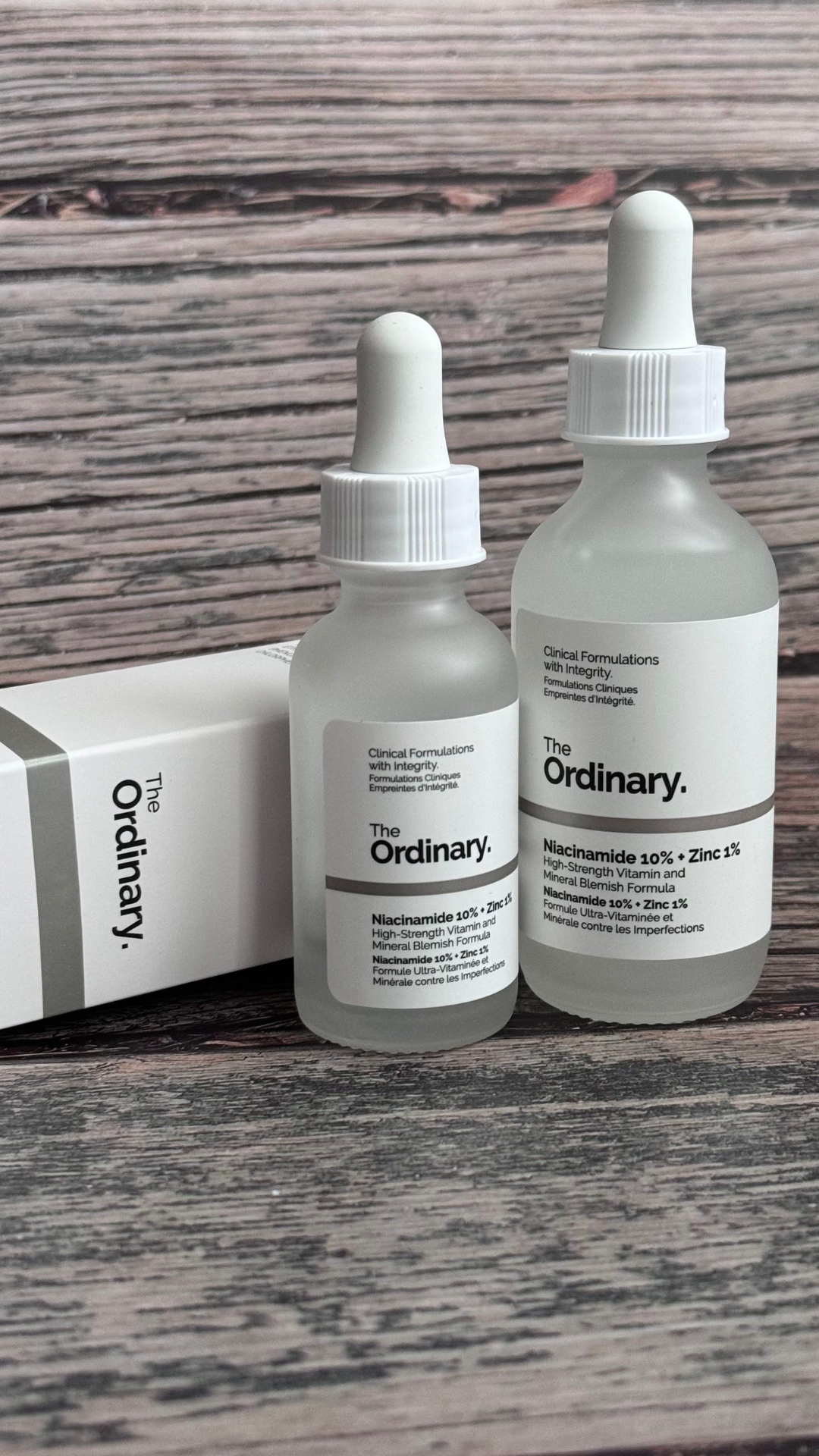
The Ordinary Niacinamide 10% + Zinc 1%, Smoothing Serum for Blemish-Prone Skin, 1 Fl Oz
The Niacinamide 10% + Zinc 1% Serum <strong>addresses enlarged pores, helps regulate excess sebum, targets wrinkles and fine lines, improves plumpness and suppleness, and supports overall skin radianc
Health Disclaimer
This content is for informational purposes only and does not constitute medical advice. Always consult a qualified healthcare provider before starting, stopping, or changing any supplement or medication regimen.