

Acne and Isotretinoin
Acne is a common inflammatory skin condition that ranges from comedonal breakouts to painful nodules and cysts that scar. Isotretinoin is a powerful oral retinoid reserved for severe, scarring, or treatment‑resistant acne, and for cases with major psychosocial impact. Understanding how and when these two topics meet helps set realistic expectations for results, safety, and holistic support. Isotretinoin works on all major drivers of acne: it markedly reduces sebum production, normalizes follicular keratinization to prevent clogged pores, diminishes Cutibacterium acnes density, and has anti‑inflammatory effects. In clinical practice, it is prescribed daily in a weight‑based manner for several months, aiming for a clinician‑determined cumulative exposure. Improvement typically begins after the first month, with maximal clearing near the end of a single course; an initial flare can occur. Most people achieve long‑term remission, though a minority relapse and may need additional therapy. Higher total exposure is generally linked to lower relapse risk. Safety and monitoring are central to informed consent. Mucocutaneous dryness (cheilitis, dry skin, eyes, and nose) is very common. Lab changes such as elevated triglycerides or liver enzymes can occur and are usually mild. The medicine is strongly teratogenic; strict pregnancy‑prevention programs (e.g., iPLEDGE in the U.S.), two forms of contraception for those who can become pregnant, and regular pregnancy testing are required. Data overall do not show an increased population‑level risk of depression or suicide, but everyone’s mental health should be monitored, particularly those with prior mood disorders. Other cautions include avoiding concurrent tetracyclines (risk of intracranial hypertension), high vitamin A intake or supplements, and heavy alcohol use. People with active liver disease or uncontrolled lipid disorders need careful evaluation. Complementary strategies can support skin health and tolerability but do
Updated September 8, 2026This content is for informational purposes only and does not constitute medical advice. Always consult a qualified healthcare provider before starting, stopping, or changing any supplement or medication regimen.
Shared Risk Factors
Androgen excess/PCOS
Moderate EvidenceHigher androgens increase sebum and acne severity; in those treated with isotretinoin, androgen excess may predict greater relapse risk and may call for adjunct hormonal therapy.
High glycemic load and certain dairy patterns
Moderate EvidenceHigh‑glycemic diets and some dairy intake are associated with more acne in observational and interventional studies; they may also unfavorably affect triglycerides, a laboratory parameter monitored during isotretinoin therapy.
Metabolic syndrome/hypertriglyceridemia
Emerging ResearchFeatures of metabolic syndrome correlate with more severe acne in some cohorts and heighten the chance of isotretinoin‑related lipid elevations.
Psychological stress and mental‑health history
Moderate EvidenceStress can exacerbate acne through neuroendocrine‑immune pathways; preexisting mood disorders necessitate proactive monitoring during isotretinoin, even though overall population risk signal is not increased.
Sun sensitivity/skin barrier vulnerability
Moderate EvidenceAcne‑prone skin often has barrier impairment; isotretinoin further reduces sebaceous output and can increase photosensitivity and dryness.
Pregnancy potential
Strong EvidenceAcne commonly affects people of reproductive age; isotretinoin is teratogenic and absolutely contraindicated in pregnancy, requiring strict prevention measures.
Overlapping Treatments
Combined oral contraceptives (COCs) and other hormonal regulation
Strong EvidenceReduce androgen‑driven sebum and lesion counts, especially in menstruating individuals.
Provide required contraception during isotretinoin and may lower relapse risk when androgen excess is present.
Drug–herb interactions (e.g., St. John’s wort) can reduce contraceptive effectiveness; assess contraindications to estrogen.
Low‑glycemic dietary pattern
Moderate EvidenceModest reductions in inflammatory lesions in several trials.
May support healthier lipid profiles and weight during treatment.
Not a substitute for indicated pharmacotherapy; ensure adequate nutrition.
Omega‑3 fatty acids (dietary or supplement)
Emerging ResearchSmall trials suggest reductions in inflammatory lesions via anti‑inflammatory effects.
May help counter triglyceride elevations seen during isotretinoin.
Monitor for bleeding risk with anticoagulants; coordinate with clinician, especially if lipids are being followed.
Non‑comedogenic moisturizers and lip care (ceramides, petrolatum)
Strong EvidenceImprove barrier function and reduce irritation, supporting adherence to acne regimens.
First‑line for cheilitis and xerosis from isotretinoin.
Avoid fragranced/comedogenic products; patch test if sensitive.
Sunscreen and photoprotection
Strong EvidenceLimits post‑inflammatory hyperpigmentation and photosensitizer‑related irritation from other topicals.
Mitigates photosensitivity and sunburn risk heightened by isotretinoin.
Use broad‑spectrum, non‑comedogenic products; reapply during outdoor exposure.
Psychological support (counseling, mindfulness, support groups)
Moderate EvidenceImproves quality of life and coping with visible skin disease.
Facilitates proactive mood monitoring and timely reporting of symptoms during therapy.
Not a replacement for clinical care when significant mood symptoms arise.
Light‑based therapies (blue‑red light, photodynamic therapy)
Moderate EvidenceCan reduce inflammatory lesions in mild‑to‑moderate acne; sometimes used when medications are unsuitable.
Alternative/adjunct when isotretinoin is contraindicated or deferred.
Availability, cost, and transient photosensitivity after PDT; outcomes vary.
Medical Perspectives
Two Ways of Seeing Health

Western
scientific · clinical
Western medicine applies science, technology, and clinical experience to treat symptoms through testing, diagnosis, and targeted intervention.
Surgeons · Pharmaceuticals · Clinical trials · Diagnostics 
Eastern
traditional · alternative
Eastern medicine focuses on treating the body naturally by applying traditional knowledge practiced for thousands of years, emphasizing balance and whole-person wellness.
Acupuncture · Herbal medicine · Yoga · Meditation
Gold Bamboo presents both perspectives side-by-side so you can make informed decisions. We don't advocate for one over the other — your health choices are yours.
Two Ways of Seeing Health
Western
scientific · clinical
Western medicine applies science, technology, and clinical experience to treat symptoms through testing, diagnosis, and targeted intervention.
Eastern
traditional · alternative
Eastern medicine focuses on treating the body naturally by applying traditional knowledge practiced for thousands of years, emphasizing balance and whole-person wellness.
Gold Bamboo presents both perspectives side-by-side so you can make informed decisions. We don't advocate for one over the other — your health choices are yours.
Western Perspective
Western dermatology regards isotretinoin as the most effective monotherapy for severe, scarring, or refractory acne because it targets sebum, follicular hyperkeratinization, C. acnes, and inflammation. It is used with structured monitoring and strict pregnancy‑prevention due to teratogenicity.
Key Insights
- Indicated for severe nodulocystic acne, acne with scarring/psychosocial burden, or failure/intolerance of adequate courses of systemic antibiotics and optimized topicals.
- Mechanism: profound sebosuppression, normalization of keratinization via retinoid receptors, reduced C. acnes colonization, and anti‑inflammatory effects.
- Clinical course: daily weight‑based dosing over several months toward a target cumulative exposure; improvement begins in weeks; initial flares can occur; relapse is possible but many achieve long remissions.
- Safety: mucocutaneous dryness common; reversible lipid and liver enzyme changes in a subset; absolute teratogenicity requires REMS/iPLEDGE in the U.S.; avoid tetracyclines and excess vitamin A; monitor mood and musculoskeletal symptoms.
- Monitoring: baseline history, pregnancy test when relevant, and labs (lipids, liver enzymes), with follow‑up testing early in the course and as clinically indicated thereafter.
Treatments
- Isotretinoin (systemic retinoid) with structured monitoring
- Adjunct skin care: moisturizers, lip balm, sunscreen
- Hormonal therapy (COCs; consider antiandrogens in appropriate patients)
- Alternative/adjunctive approaches for select cases (light/photodynamic therapy)
- Maintenance after clearance: topical retinoids, benzoyl peroxide to reduce relapse
Deep Dive
In Western clinical practice, isotretinoin is positioned as the definitive monotherapy for severe, scarring, or treatment‑resistant acne because... In Western clinical practice, isotretinoin is positioned as the definitive monotherapy for severe, scarring, or treatment‑resistant acne because it addresses every major pathogenic pathway. By activating nuclear retinoid receptors, it shrinks sebaceous glands and reduces sebum, normalizes desquamation to prevent comedones, decreases Cutibacterium acnes, and exerts anti‑inflammatory effects. Candidates typically include those with nodulocystic disease, frequent relapses despite optimized topical retinoids plus benzoyl peroxide and adequate systemic antibiotics, or significant scarring and psychosocial distress. Treatment is given daily in a weight‑based fashion over several months, aiming for a total cumulative exposure that correlates with longer remissions. Patients often notice improvement within 4–8 weeks; an early flare can occur and is managed supportively. After a single course, many achieve long‑term clearance, though a subset relapse and may need maintenance topicals or a repeat course. Safety governs prescribing. The most common adverse effects are mucocutaneous: cheilitis, xerosis, epistaxis, and dry eyes. Laboratory changes—particularly triglyceride elevations and mild transaminase increases—are usually reversible. Because isotretinoin is teratogenic, those who can become pregnant must adhere to risk‑management programs such as iPLEDGE in the U.S., with confirmed contraception and regular pregnancy testing. Although meta‑analyses have not shown an increased overall risk of depression or suicide, clinicians screen and monitor mood, recognizing acne itself can affect mental health. Concomitant tetracyclines are avoided due to intracranial hypertension risk; excessive vitamin A intake is contraindicated. Baseline history, lipids, and liver enzymes are checked, with repeat testing early in treatment and as indicated thereafter, tailored to individual risk. Adjunctive measures help patients succeed: barrier‑repair moisturizers and lip care, broad‑spectrum sunscreen, gentle cleansers, and simple, non‑comedogenic routines. For those with androgen‑driven features, concurrent contraception addresses teratogenicity and can improve acne; antiandrogen strategies may reduce relapse. When isotretinoin is unsuitable, options include topical combinations, oral antibiotics (limited duration), hormonal therapy, and device‑based treatments such as photodynamic therapy. The clinical goal is durable remission with a safety plan that is transparent and collaborative.
Sources
- American Academy of Dermatology (AAD) Guidelines of care for acne vulgaris, 2016 and updates
- NICE Acne guideline NG198, 2021
- Zouboulis CC. Dermatology. Mechanisms of isotretinoin, 2014
- Rademaker M. Br J Dermatol. Relapse after isotretinoin, 2016
- JAMA Dermatology/JAAD systematic reviews on isotretinoin and depression risk, 2017–2021
- iPLEDGE REMS materials, U.S. FDA
Eastern Perspective
Traditional systems view acne as an imbalance of heat, dampness, and hormonal fire (TCM), or aggravated pitta‑kapha (Ayurveda), often worsened by diet and stress. Isotretinoin’s drying, ‘heat‑clearing’ action can be conceptually aligned with strong reduction of excess oil but seen as depleting fluids (yin), calling for barrier‑nourishing and calming supports.
Key Insights
- Diet and digestion are emphasized: minimizing overly sweet/refined foods and heavy dairy aligns with modern evidence on glycemic load and acne.
- Stress reduction (breathwork, meditation, yoga) is used to balance neuroendocrine contributors to flares and to support mood during medical therapy.
- Topical botanicals with antimicrobial/anti‑inflammatory properties (e.g., tea tree oil, green tea polyphenols) may reduce mild acne and can be used as adjuncts.
- Acupuncture/herbal formulas aim to ‘clear heat’ and reduce inflammation; evidence is evolving with small RCTs suggesting benefit for mild‑to‑moderate acne.
- Integration principle: when isotretinoin is indicated, complementary measures focus on skin barrier care, digestive balance, and mental well‑being rather than replacing the medicine.
Treatments
- Acupuncture for inflammatory acne and stress modulation
- Dietary moderation (favoring low‑glycemic, whole foods; individualized dairy approach)
- Topical tea tree oil or green tea extracts (non‑comedogenic vehicles)
- Mind‑body practices: yoga, meditation, tai chi for stress and QoL
- Herbal dermatology under qualified supervision; avoid vitamin A–rich supplements during isotretinoin
Deep Dive
Traditional and integrative frameworks interpret acne as an expression of internal imbalance. In Traditional Chinese Medicine (TCM), patterns su... Traditional and integrative frameworks interpret acne as an expression of internal imbalance. In Traditional Chinese Medicine (TCM), patterns such as heat in the Lung and Stomach channels, damp‑heat, and blood stasis are common. Ayurveda frames many cases as aggravated pitta (heat) with kapha (oiliness, congestion), influenced by diet, digestion, and stress. From these perspectives, isotretinoin resembles a strong ‘heat‑clearing’ and drying intervention that rapidly reduces excess oil but can deplete yin/fluids, manifesting as dryness. Integration, therefore, emphasizes restoring balance while respecting the necessity of medical therapy when indicated. Dietary guidance—favoring whole foods with lower glycemic load and individualized approaches to dairy—aligns with emerging biomedical evidence and traditional cautions against heavy, sweet foods that ‘feed heat and damp.’ Stress reduction through breathwork, meditation, yoga, or tai chi is recommended to calm neuroendocrine drivers of flares and to support mood during the treatment journey. Topical botanicals, such as tea tree oil preparations or green tea (EGCG) extracts in non‑comedogenic vehicles, have shown modest benefits for mild acne in small trials and can be used as adjuncts during isotretinoin to minimize additional irritation from harsher topicals. Acupuncture may be applied both for skin inflammation and to support stress regulation; preliminary trials suggest improvements in lesion counts for mild‑to‑moderate acne. Herbal internal formulas intended to ‘clear heat and resolve toxin’ are individualized and should be overseen by qualified practitioners, especially during isotretinoin therapy to avoid interactions and excess vitamin A–like compounds. Across traditions, skin barrier care is central: nourishing the ‘exterior’ with gentle emollients, protecting from sun to avoid post‑inflammatory color change, and maintaining simple hygiene. The integrative aim is not to replace isotretinoin when it is clinically appropriate, but to enhance tolerability, address contributing patterns (such as hormonal or dietary drivers), and support mental well‑being—thereby helping patients complete therapy safely and sustain clearer skin.
Sources
- Zhang et al. Acupuncture for acne: systematic reviews, 2018–2020
- Enshaieh S. 5% tea tree oil gel RCT for acne, 2007
- Elsaie ML. Green tea polyphenols in acne, small trials, 2009–2013
- Ayurvedic texts on yuvan pidika and contemporary reviews
- Integrative dermatology reviews on diet, stress, and acne, 2019–2022
Evidence Ratings
Isotretinoin is effective for severe, scarring, or antibiotic‑refractory acne.
AAD Guidelines of care for acne vulgaris, 2016 and updates; NICE NG198, 2021
Isotretinoin markedly reduces sebum and normalizes follicular keratinization.
Zouboulis CC. Dermatology. 2014 (mechanistic review)
Relapse after a standard course occurs in a minority; greater total exposure is linked to lower relapse risk.
Rademaker M. Br J Dermatol. 2016 (relapse and dosing review)
Population‑level data do not show increased depression or suicide risk with isotretinoin, but individual monitoring is prudent.
Huang YC et al. JAAD/JAMA Derm systematic reviews 2017–2021
Low‑glycemic dietary patterns can modestly reduce acne lesion counts.
Smith RN et al. Am J Clin Nutr RCT, 2007; subsequent reviews 2018–2020
Omega‑3 fatty acids may improve inflammatory acne and help triglycerides during isotretinoin.
Jung JY et al. Acta Derm Venereol. 2014 (pilot RCT); integrative reviews
Light‑based therapies (blue‑red, PDT) improve mild‑to‑moderate acne.
Cochrane Review on light therapies for acne, 2016
Isotretinoin is highly teratogenic; strict pregnancy‑prevention programs are required.
FDA/iPLEDGE REMS; AAD guidelines
Sources
- American Academy of Dermatology. Guidelines of care for the management of acne vulgaris (2016, updates).
- NICE Guideline NG198: Acne vulgaris: management (2021).
- Zouboulis CC. Isotretinoin revisited: Mechanisms and clinical applications. Dermatology. 2014.
- Rademaker M. Isotretinoin: dose, duration and relapse. Br J Dermatol. 2016.
- Huang YC, Cheng Y. Isotretinoin and risk of depression: systematic reviews/meta-analyses. 2017–2021.
- Cochrane Review: Light therapies for acne vulgaris. 2016.
- Smith RN et al. Low–glycemic-load diet improves acne. Am J Clin Nutr. 2007.
- Jung JY et al. Omega-3 fatty acids in inflammatory acne: pilot RCT. Acta Derm Venereol. 2014.
- FDA iPLEDGE REMS materials (teratogenicity management).
- Integrative dermatology reviews on diet, stress, botanicals in acne (2018–2022).
Related Topics
Recommended Products

The Skincare Bible: Your essential guide to radiant, clear skin at any age from an expert dermatologist - Kindle edition by Mahto, Dr. Anjali. Health, Fitness & Dieting Kindle eBooks @ Amazon.com.
Equipped with years of expertise, ... from the nonsense! <strong>Tackling common complaints such as acne, dryness, rosacea and aging, The Skincare Bible is your definitive companion to your body'
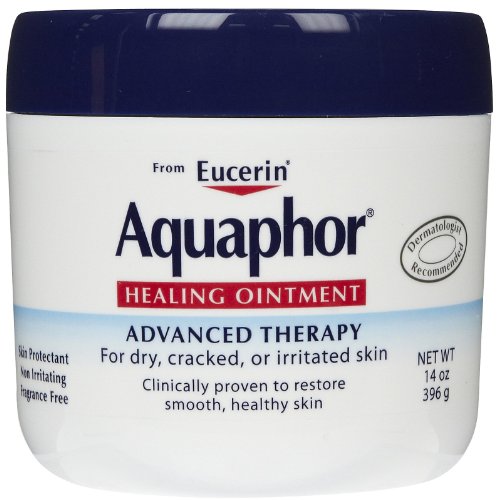
Aquaphor Healing Ointment Advanced Therapy Skin Protectant, Dry Skin Body Moisturizer, 7 Oz Tube
INCLUDES: one (1) 7 ounce tube of Aquaphor Healing Ointment Advanced Therapy Skin Protectant ... Loading content. ... Loading content. ... Aquaphor Healing Ointment Advanced Therapy Skin Protectant, D

EltaMD UV Clear Face Sunscreen SPF 46, Oil-Free Sunscreen with Zinc Oxide, Dermatologist Recommended : Everything Else
... Loading content. ... <strong>EltaMD UV Clear Face Sunscreen is an oil free sunscreen made with Zinc Oxide</strong>. This SPF 46 facial sunscreen is lightweight and helps calm and protect sensitive
Health Disclaimer
This content is for informational purposes only and does not constitute medical advice. Always consult a qualified healthcare provider before starting, stopping, or changing any supplement or medication regimen.