

Acne and Hormonal Birth Control
Acne is an inflammatory skin condition strongly influenced by hormones. Hormonal birth control (HBC)—especially combined hormonal contraceptives that contain estrogen and a progestin—can modify the hormonal signals that drive acne. Understanding how they interact helps align skin goals with contraceptive needs. Physiology ties them together. Androgens (like testosterone and dihydrotestosterone) stimulate sebaceous glands, increasing sebum, altering follicular keratinization, and priming inflammation. Estrogen counters this by suppressing sebum and increasing sex hormone–binding globulin (SHBG), which lowers free androgens. Progestins vary: some are androgenic (e.g., levonorgestrel, norethindrone), while others are neutral or anti‑androgenic (e.g., drospirenone, dienogest, cyproterone acetate [not available as a U.S. contraceptive]). These differences help explain why combined pills with estrogen plus a less‑androgenic or anti‑androgenic progestin often improve acne, while some progestin‑only methods can worsen it in acne‑prone users. Clinical evidence supports combined hormonal contraceptives (CHCs) for acne. Randomized trials and a Cochrane review show CHCs reduce inflammatory and noninflammatory lesions and improve global assessments versus placebo, with visible benefits typically beginning after 2–3 months and continuing to 6 months. In the U.S., three CHC formulations carry FDA approval for acne: ethinyl estradiol (EE)/norgestimate, EE/norethindrone acetate (step‑down estrogen), and EE/drospirenone. Many other CHCs are used off‑label with similar outcomes. Evidence comparing progestins suggests anti‑androgenic options (e.g., drospirenone) may have an edge, though head‑to‑head data are limited. Progestin‑only pills, implants, and levonorgestrel IUDs can trigger acne flares in some users, especially early after initiation. Response varies. Acne driven by hyperandrogenism or PCOS often improves with CHCs, and adjuncts like spironolactone or metformin may be used
Updated September 8, 2026This content is for informational purposes only and does not constitute medical advice. Always consult a qualified healthcare provider before starting, stopping, or changing any supplement or medication regimen.
Shared Risk Factors
Hyperandrogenism/PCOS
Strong EvidenceExcess androgen activity promotes sebum production and follicular keratinization, worsening acne. The same physiology makes estrogen‑containing, anti‑androgenic CHCs more likely to help; PCOS is a common context for this synergy.
Progestin sensitivity (perimenstrual acne phenotype)
Moderate EvidenceIndividuals who flare premenstrually may be more sensitive to progestins’ androgenic effects; progestin‑only methods can transiently worsen acne, while CHCs can stabilize cycles and reduce flares.
BMI/insulin resistance
Moderate EvidenceHigher BMI and insulin resistance are associated with more severe acne and with higher baseline thrombotic and cardiometabolic risk during CHC use.
Age and smoking/migraine status
Strong EvidenceAdolescence is peak acne prevalence; smoking and migraine with aura do not cause acne but strongly affect CHC eligibility and safety.
Family/personal thrombotic risk
Strong EvidenceInherited/acquired thrombophilias raise VTE risk with estrogen. While not a risk for acne itself, this factor is pivotal in deciding whether to use CHCs for acne control.
Overlapping Treatments
Combined oral contraceptives (COCs)
Strong EvidenceReduce sebum and free androgens; RCTs show reductions in inflammatory and noninflammatory lesions and improved global assessments over 3–6 months
Provide effective contraception; acne improvement can enhance adherence and satisfaction
VTE risk (higher with certain progestins), migraine with aura, smoking ≥35, postpartum/breastfeeding cautions; transient early flare possible
Spironolactone (anti‑androgen)
Strong EvidenceImproves female hormonal acne; recent RCTs show better investigator global assessments vs placebo
Often paired with COCs to reduce irregular bleeding and provide contraception due to potential fetal anti‑androgen effects if pregnancy occurs
Requires pregnancy prevention; monitor for side effects and potassium in select patients
Topical retinoids (adapalene, tretinoin, tazarotene)
Strong EvidenceNormalize follicular keratinization and reduce lesions; cornerstone of therapy
Compatible with all contraceptive methods; helps limit systemic acne medications
Irritation/photosensitivity; tazarotene is teratogenic—avoid in pregnancy
Benzoyl peroxide ± topical antibiotics (e.g., clindamycin)
Strong EvidenceAntimicrobial and anti‑inflammatory; reduces resistance when combined appropriately
Safe with all HBC methods; allows antibiotic‑sparing strategies
Irritation/bleaching; avoid long‑term antibiotic monotherapy
Oral antibiotics (e.g., doxycycline, minocycline)
Moderate EvidenceShort‑term control of inflammatory acne; reduce C. acnes and inflammation
Most do not reduce COC efficacy; rifampin/rifabutin are exceptions
Photosensitivity, microbiome effects; limit duration and pair with benzoyl peroxide
Isotretinoin
Strong EvidenceHighly effective for severe/nodulocystic or refractory acne
Requires strict pregnancy prevention (iPLEDGE); CHCs plus a barrier method commonly used
Teratogenicity; laboratory and mood/IBD considerations per guidelines
Metformin (for PCOS contexts)
Moderate EvidenceMay improve insulin resistance and androgen milieu, helping acne in some with PCOS
Can be combined with CHCs in PCOS to address metabolic features
GI side effects; benefits most evident with documented insulin resistance
Lifestyle measures (low‑glycemic diet, stress/sleep support)
Moderate EvidenceLow‑glycemic patterns modestly reduce acne severity; stress management may help flares
Compatible with any contraceptive; supports weight/metabolic health relevant to CHC safety
Adjunctive—not a substitute for indicated medical therapy
Medical Perspectives
Two Ways of Seeing Health

Western
scientific · clinical
Western medicine applies science, technology, and clinical experience to treat symptoms through testing, diagnosis, and targeted intervention.
Surgeons · Pharmaceuticals · Clinical trials · Diagnostics 
Eastern
traditional · alternative
Eastern medicine focuses on treating the body naturally by applying traditional knowledge practiced for thousands of years, emphasizing balance and whole-person wellness.
Acupuncture · Herbal medicine · Yoga · Meditation
Gold Bamboo presents both perspectives side-by-side so you can make informed decisions. We don't advocate for one over the other — your health choices are yours.
Two Ways of Seeing Health
Western
scientific · clinical
Western medicine applies science, technology, and clinical experience to treat symptoms through testing, diagnosis, and targeted intervention.
Eastern
traditional · alternative
Eastern medicine focuses on treating the body naturally by applying traditional knowledge practiced for thousands of years, emphasizing balance and whole-person wellness.
Gold Bamboo presents both perspectives side-by-side so you can make informed decisions. We don't advocate for one over the other — your health choices are yours.
Western Perspective
Western medicine links acne to androgen‑driven sebum overproduction, altered keratinization, C. acnes dysbiosis, and inflammation. Combined hormonal contraceptives lower free androgens (via estrogen and SHBG) and, depending on the progestin, may counter androgen receptor activity, making them an evidence‑based option for female acne alongside standard dermatologic therapies.
Key Insights
- Meta‑analyses and RCTs show CHCs improve acne lesion counts and global assessments versus placebo, with benefits emerging by 2–3 months and building to 6 months
- FDA‑approved acne indications exist for EE/norgestimate, EE/norethindrone acetate (step‑down estrogen), and EE/drospirenone; other CHCs are used off‑label with similar outcomes
- Progestin androgenicity matters; drospirenone and cyproterone acetate (not a U.S. contraceptive) are more anti‑androgenic; levonorgestrel and norethindrone are more androgenic
- Progestin‑only methods (POPs, implants, levonorgestrel IUDs) can worsen acne in some, particularly shortly after initiation
- Safety drives selection: assess VTE risk, migraine with aura, smoking, postpartum/breastfeeding status, and drug interactions
Treatments
- Combined oral contraceptives (pills, and analogously patch/ring)
- Spironolactone
- Topical retinoids and benzoyl peroxide
- Oral antibiotics (short term)
- Isotretinoin for severe disease
Deep Dive
From a western clinical standpoint, acne emerges where hormones, follicles, microbes, and immunity intersect. Androgens drive sebaceous glands t... From a western clinical standpoint, acne emerges where hormones, follicles, microbes, and immunity intersect. Androgens drive sebaceous glands to produce more sebum, thicken follicular linings, and support an inflammatory microenvironment. Estrogen blunts these pathways by increasing sex hormone–binding globulin and reducing bioavailable androgens. Combined hormonal contraceptives (CHCs) leverage this by pairing ethinyl estradiol with a progestin. Across randomized trials and meta‑analyses, CHCs reduce comedonal and inflammatory lesions and improve clinician global assessments compared with placebo. The acne‑specific benefit typically becomes noticeable after 2–3 months as sebaceous physiology re‑equilibrates, with continued gains through 6 months. Formulation nuances matter: progestins differ in androgenic potential. Drospirenone and cyproterone acetate (not a U.S. contraceptive) are anti‑androgenic; norgestimate is relatively neutral; levonorgestrel and norethindrone are more androgenic. Three CHCs carry FDA indications for acne—EE/norgestimate, EE/norethindrone acetate (step‑down estrogen), and EE/drospirenone—though many others are used off‑label with similar results. Safety guides selection. Estrogen increases venous thromboembolism (VTE) risk; absolute risk is low in healthy young nonsmokers but rises with personal/family thrombophilia, higher BMI, postpartum state, and smoking or migraine with aura. Progestin‑only pills, implants, and levonorgestrel IUDs avoid estrogen‑related VTE risk but can provoke acne flares in susceptible users, especially early after initiation. In PCOS, CHCs are first‑line for cycle control and androgen symptoms, and spironolactone or metformin may be layered on for additional benefit. In routine acne care, CHCs integrate with topical retinoids, benzoyl peroxide, and short courses of oral antibiotics; spironolactone is often co‑prescribed for adult female acne. For severe or refractory disease, isotretinoin is highly effective but mandates reliable contraception (often CHCs plus a barrier) due to teratogenicity. Clinicians revisit method choice if acne worsens after starting a progestin‑only method, or if CHC risks outweigh benefits, considering non‑hormonal options when needed.
Sources
- Arowojolu AO et al. Cochrane Database Syst Rev. 2012;CD004425
- Thiboutot D et al. J Am Acad Dermatol. 2007;56:791-802
- Lucky AW et al. J Am Acad Dermatol. 1997;37:746-754
- Zaenglein KA et al. J Am Acad Dermatol. 2016;74:945-973.e33
- CDC U.S. MEC for Contraceptive Use, 2024
Eastern Perspective
Traditional systems view acne as an outward sign of internal imbalance influenced by diet, stress, and cyclical hormonal changes. Approaches aim to cool heat, clear dampness, move liver qi, and harmonize hormones. Integrative strategies often combine gentle endocrine‑modulating botanicals, acupuncture, and diet with conventional care, with careful attention to compatibility with hormonal contraceptives.
Key Insights
- Acupuncture is used to regulate neuroendocrine and inflammatory pathways; small trials and reviews suggest possible benefit, but evidence quality is low
- Dietary guidance (cooling, low‑glycemic, anti‑inflammatory foods) aligns with modern findings of glycemic load affecting acne
- Herbs with anti‑androgenic or cycle‑modulating effects (e.g., spearmint, peony/licorice combinations, chaste tree) are traditionally used; data are preliminary and potential interactions with HBC are considered
- Mind‑body practices address stress, which is traditionally seen to exacerbate heat and, in research, can worsen acne via neuroendocrine‑immune links
Treatments
- Acupuncture for facial acne and menstrual‑related flares
- Spearmint tea for modest anti‑androgen effects (emerging evidence)
- Traditional formulas targeting liver qi stagnation/heat (individualized by practitioners)
- Mind‑body practices and sleep hygiene; low‑glycemic, anti‑inflammatory diet
Deep Dive
Traditional and integrative frameworks interpret acne as a manifestation of internal imbalance influenced by diet, stress, and cyclical hormonal... Traditional and integrative frameworks interpret acne as a manifestation of internal imbalance influenced by diet, stress, and cyclical hormonal shifts. In Traditional Chinese Medicine, patterns such as stomach and lung heat, dampness, and liver qi stagnation are often implicated; menstrual flares reflect disharmony of liver and Chong/Ren vessels. Treatment aims to clear heat, drain dampness, move qi, and harmonize the cycle. Acupuncture is applied to regulate neuroendocrine and inflammatory pathways—points may be chosen to address heat (e.g., LI11), dampness (e.g., SP9), and liver qi (e.g., LR3), while menstrual‑related flares invite cycle‑focused protocols. Systematic reviews suggest possible symptom improvement, though trial quality is generally low and heterogenous. Herbal strategies look to moderate androgenic signaling and support cycle regularity. Peppermint/spearmint have been explored for modest anti‑androgen effects in hirsutism and PCOS; classical formulas featuring peony and licorice are used to soothe liver and support endocrine balance. Western herbalism sometimes employs chaste tree (Vitex agnus‑castus) to influence prolactin and luteal balance. Because these botanicals may interact with hormonal pathways, integrative clinicians carefully consider potential effects on hormonal contraception and may prioritize approaches with low interaction potential when reliable birth control is essential. Dietary patterns emphasizing low‑glycemic, anti‑inflammatory foods align with both TCM’s damp‑heat reduction and modern evidence of glycemic load influencing acne. Mind‑body practices, adequate sleep, and stress reduction are viewed as central to calming internal heat and are congruent with research linking stress to acne flares. In integrative care, these modalities complement evidence‑based dermatologic and contraceptive strategies, with open dialogue to ensure safety—especially regarding pregnancy intentions and the need to preserve contraceptive effectiveness.
Sources
- Cao H, Liu JP. J Altern Complement Med. 2013;19:1047-1052 (systematic review)
- Grant P. Phytother Res. 2010;24:186-188 (spearmint androgens in PCOS)
- WHO/Traditional frameworks on TCM pattern differentiation for acne
Evidence Ratings
Combined hormonal contraceptives improve moderate acne in females versus placebo
Cochrane Review: Arowojolu AO et al., 2012, CD004425
Drospirenone‑containing COCs are effective for acne and may provide greater anti‑androgenic benefit than some levonorgestrel or norethindrone formulations
Thiboutot D et al., J Am Acad Dermatol. 2007;56:791-802; AAD Guideline 2016
Progestin‑only contraceptives (POPs, implants, some LNG‑IUD users) can precipitate or worsen acne in susceptible individuals
ACOG LARC guidance; AAD Guideline 2016 (adverse effect profiles)
Acne improvement with CHCs typically begins by 2–3 months and continues through 6 months
Cochrane Review 2012; RCT timelines in Lucky 1997; Thiboutot 2007
VTE risk is increased with CHCs, with lower relative risk for levonorgestrel progestins versus some newer progestins like drospirenone
Lidegaard Ø et al., BMJ. 2011;343:d6423 (thrombotic risk by formulation)
Spironolactone improves adult female acne and pairs well with CHCs for contraception and cycle control
Layton AM et al., BMJ. 2023;381:e072275 (SAFA trial)
Broad‑spectrum antibiotics used for acne generally do not reduce COC effectiveness (rifampin/rifabutin are exceptions)
Simmons KB, Edelman AB. Am J Obstet Gynecol. 2018;218:88-97
Low‑glycemic diets modestly improve acne severity
Smith RN et al., Am J Clin Nutr. 2007;86:107-115
Sources
- Arowojolu AO, Gallo MF, Lopez LM, Grimes DA. Combined oral contraceptive pills for treatment of acne. Cochrane Database Syst Rev. 2012;(7):CD004425.
- Thiboutot D, Archer DF, Lemay A, et al. Efficacy of a low-dose oral contraceptive containing drospirenone 3 mg/ethinyl estradiol 20 µg in the treatment of acne vulgaris. J Am Acad Dermatol. 2007;56(5):791-802.
- Lucky AW, Henderson TA, Olson WH, et al. Effectiveness of norgestimate and ethinyl estradiol in the treatment of acne vulgaris. J Am Acad Dermatol. 1997;37(5 Pt 1):746-754.
- Zaenglein KA, Pathy AL, Schlosser BJ, et al. Guidelines of care for the management of acne vulgaris. J Am Acad Dermatol. 2016;74(5):945-973.e33.
- Centers for Disease Control and Prevention. U.S. Medical Eligibility Criteria for Contraceptive Use, 2024. cdc.gov.
- Lidegaard Ø, Nielsen LH, Skovlund CW, Løkkegaard E. Venous thrombosis in users of non-oral hormonal contraception: follow-up study, Denmark 2001–10. BMJ. 2012;344:e2990.
- American College of Obstetricians and Gynecologists (ACOG). Practice Bulletin No. 206: Use of Hormonal Contraception in Women with Coexisting Medical Conditions. Obstet Gynecol. 2019;133(2):e128-e150.
- Layton AM, Eady EA, Thiboutot D, et al. Spironolactone for adult female acne (SAFA): a randomized, double-blind, placebo-controlled trial. BMJ. 2023;381:e072275.
- Simmons KB, Edelman AB. Hormonal contraception and antibiotic interactions. Am J Obstet Gynecol. 2018;218(1):88-97.
- Smith RN, Mann NJ, Braue A, Makelainen H, Varigos GA. A low-glycemic-load diet improves symptoms in acne vulgaris: a randomized controlled trial. Am J Clin Nutr. 2007;86(1):107-115.
- Cao H, Liu JP, Yi JH, et al. Acupuncture for acne vulgaris: a systematic review. J Altern Complement Med. 2013;19(12):1047-1052.
- Grant P. Spearmint herbal tea has significant anti-androgen effects in polycystic ovarian syndrome. Phytother Res. 2010;24(2):186-188.
Related Topics
Recommended Products
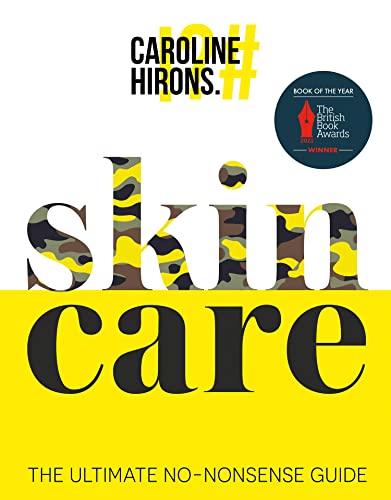
The Skincare Bible: Your No-Nonsense Guide to Great Skin: Mahto, Anjali
Dr Mahto <strong>cuts through all the nonsense and gives you the tools to take control of your skincare</strong>. She debunks common myths, provides clear instructions on how to interpret the list of
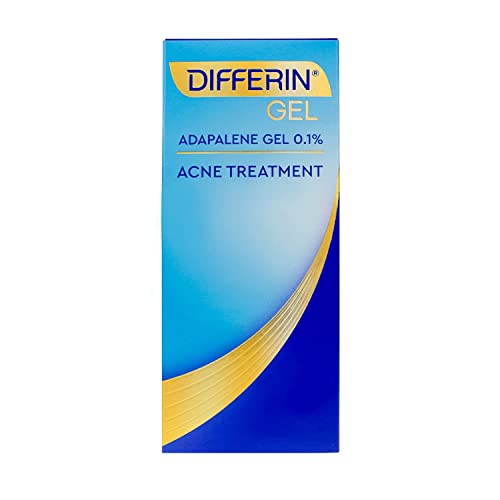
Differin Acne Treatment Gel, 30 Day Supply, Retinoid Treatment for Face with 0.1% Adapalene, Gentle Skin Care for Acne Prone Sensitive Skin, 15g Tube (Packaging May Vary)
Differin Acne Treatment Gel, 90 Day Supply, Retinoid Treatment for Face with 0.1% Adapalene, Gentle Skin Care for Acne Prone Sensitive Skin, 45g Pump (Packaging May Vary)
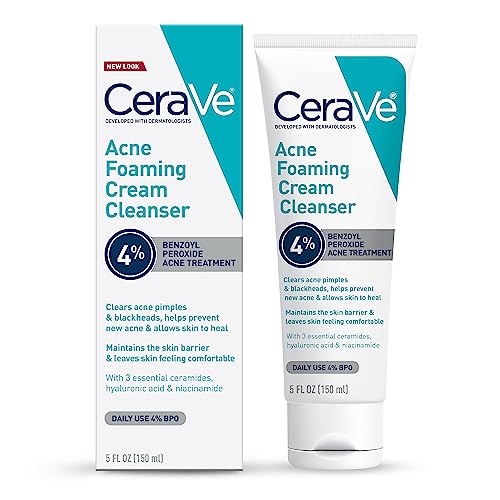
CeraVe Acne Foaming Cream Cleanser, 4% Benzoyl Peroxide Face Wash With Hyaluronic Acid, Niacinamide & Ceramides, Gentle Daily Acne Treatment For Face
<strong>This acne cleanser face wash has a unique formula that transforms from a cream texture into a rich foam as you lather</strong>. •Fragrance-free •Paraben-free •Non-comedogenic •Gentle, non-irri
Health Disclaimer
This content is for informational purposes only and does not constitute medical advice. Always consult a qualified healthcare provider before starting, stopping, or changing any supplement or medication regimen.