

Alcohol and Acetaminophen
Alcohol and acetaminophen (paracetamol) are both common, and they meet in the liver. Understanding how they interact can help prevent avoidable liver injury. Acetaminophen is mainly cleared by the liver’s glucuronidation and sulfation pathways. A small portion is oxidized by the enzyme CYP2E1 into a toxic metabolite called N‑acetyl‑p‑benzoquinone imine (NAPQI). Under normal circumstances, NAPQI is rapidly neutralized by glutathione. Overdose, fasting, malnutrition, or enzyme induction can deplete glutathione or increase NAPQI formation, allowing NAPQI to bind liver proteins and cause centrilobular (zone 3) necrosis. Alcohol changes this balance. Chronic heavy drinking induces CYP2E1 and is often associated with poor nutrition and lower glutathione, increasing the risk that therapeutic or modestly supratherapeutic acetaminophen doses could tip into toxicity. In contrast, acute alcohol intake competes for CYP2E1 while ethanol is present, temporarily lowering NAPQI formation; however, as alcohol is cleared and induction persists, risk may increase if acetaminophen is taken soon after a binge. Clinical studies and toxicology experience show that the combination is a major cause of severe acute liver failure when large doses are taken, and unintentional overdoses commonly involve multiple acetaminophen‑containing products. Official U.S. Drug Facts labeling warns of severe liver damage if using acetaminophen with three or more alcoholic drinks daily, and not to exceed the labeled maximum daily dose. Many hospitals and liver societies advise more conservative limits for people with chronic alcohol use or liver disease. Because acetaminophen is present in many cold, flu, and pain combinations, label‑checking is essential to avoid cumulative excess. Timing matters: very recent binge drinking does not guarantee safety, and fasting after drinking can further reduce glutathione reserves. High‑risk groups include chronic heavy drinkers, people who are malnourished or fasting,
Updated September 8, 2026This content is for informational purposes only and does not constitute medical advice. Always consult a qualified healthcare provider before starting, stopping, or changing any supplement or medication regimen.
Shared Risk Factors
CYP2E1 induction
Strong EvidenceChronic alcohol use upregulates hepatic CYP2E1, increasing conversion of acetaminophen to the toxic metabolite NAPQI. Other CYP inducers (e.g., rifampin, carbamazepine, phenytoin) add to this effect.
Glutathione depletion (fasting/malnutrition)
Strong EvidenceAlcohol misuse is often accompanied by poor nutrition and fasting, which reduce hepatic glutathione stores and sulfate conjugation capacity, weakening detoxification of NAPQI.
Preexisting liver disease
Moderate EvidenceAlcohol contributes to steatosis/steatohepatitis; underlying liver disease reduces hepatic reserve, narrowing the margin of safety for acetaminophen.
Acute vs. chronic alcohol timing
Moderate EvidenceAcute alcohol competitively inhibits CYP2E1 while present, but chronic use induces it. After a binge, induction may outlast ethanol, increasing risk if acetaminophen is taken as alcohol clears.
Polypharmacy and hepatotoxic co-exposures
Moderate EvidenceConcomitant use of multiple acetaminophen-containing products, other hepatotoxic drugs (e.g., isoniazid, methotrexate), or hepatotoxic herbs (e.g., kava, chaparral, comfrey) increases risk.
Age and low body weight
Emerging ResearchOlder adults and individuals with low body weight may have reduced hepatic reserve and are more vulnerable to drug interactions and malnutrition.
Overlapping Treatments
N-acetylcysteine (NAC)
Strong EvidenceAntioxidant precursor that replenishes glutathione and may mitigate oxidative stress in alcohol-related liver injury (supportive/adjunct evidence).
Standard antidote for acetaminophen toxicity; most effective when started early; improves survival in acute liver failure due to acetaminophen.
Indicated for suspected/confirmed acetaminophen overdose or liver injury per clinical protocols; not a substitute for emergency care.
Brief alcohol reduction interventions (motivational interviewing, digital CBT)
Strong EvidenceReduce heavy drinking days and alcohol-related harms.
Indirectly lowers risk of acetaminophen-related hepatotoxicity by reducing co-exposure and malnutrition.
Effect on acetaminophen outcomes is indirect; best implemented with clinical support.
Medication reconciliation and label education
Moderate EvidenceDecreases risky alcohol–medication interactions.
Prevents unintentional multi-product acetaminophen overdoses.
Requires systematic review of OTC and prescription products; effectiveness depends on patient engagement.
Acupuncture and nonpharmacologic pain strategies (heat/ice, exercise therapy, mindfulness)
Moderate EvidenceMay reduce reliance on alcohol for self-management of pain or sleep in some individuals.
Can reduce need for systemic analgesics, lowering exposure to acetaminophen.
Effects vary; use qualified practitioners; not a treatment for overdose or acute liver injury.
Milk thistle (silymarin) – traditional hepatoprotective
Emerging ResearchTraditionally used for alcohol-related liver support; mixed clinical evidence for liver enzyme improvement.
Antioxidant properties theoretically protective; insufficient evidence for acetaminophen overdose.
Not a replacement for NAC in overdose; quality and interactions vary; discuss with a clinician.
Medical Perspectives
Two Ways of Seeing Health

Western
scientific · clinical
Western medicine applies science, technology, and clinical experience to treat symptoms through testing, diagnosis, and targeted intervention.
Surgeons · Pharmaceuticals · Clinical trials · Diagnostics 
Eastern
traditional · alternative
Eastern medicine focuses on treating the body naturally by applying traditional knowledge practiced for thousands of years, emphasizing balance and whole-person wellness.
Acupuncture · Herbal medicine · Yoga · Meditation
Gold Bamboo presents both perspectives side-by-side so you can make informed decisions. We don't advocate for one over the other — your health choices are yours.
Two Ways of Seeing Health
Western
scientific · clinical
Western medicine applies science, technology, and clinical experience to treat symptoms through testing, diagnosis, and targeted intervention.
Eastern
traditional · alternative
Eastern medicine focuses on treating the body naturally by applying traditional knowledge practiced for thousands of years, emphasizing balance and whole-person wellness.
Gold Bamboo presents both perspectives side-by-side so you can make informed decisions. We don't advocate for one over the other — your health choices are yours.
Western Perspective
Western medicine views alcohol–acetaminophen co-use through hepatic biotransformation and toxicology. Acetaminophen’s small CYP2E1-mediated pathway generates NAPQI, a reactive species detoxified by glutathione. Chronic alcohol induces CYP2E1 and contributes to glutathione depletion, increasing NAPQI burden and liver injury risk, especially with supratherapeutic dosing or multi-product use. Acute ethanol may transiently inhibit NAPQI formation but does not provide clinical protection, and risk can rise as ethanol clears. N-acetylcysteine is the established antidote.
Key Insights
- Chronic alcohol use increases CYP2E1 activity and reduces glutathione, amplifying acetaminophen hepatotoxicity risk.
- Unintentional overdose from overlapping acetaminophen-containing products is a leading cause of acute liver failure.
- Acute ethanol can competitively inhibit NAPQI formation during intoxication, but induction and low glutathione post-binge may heighten risk afterward.
- Standard labeling warns against use with ≥3 alcoholic drinks daily and exceeding the maximum daily dose; many experts use lower limits in chronic liver disease.
- Early N-acetylcysteine guided by the Rumack–Matthew nomogram substantially reduces morbidity and mortality.
Treatments
- N-acetylcysteine (oral or IV) per poisoning protocols
- Activated charcoal for early, significant ingestions
- Medication reconciliation and patient education to avoid duplicate acetaminophen products
- Monitoring liver chemistries when risk factors are present
- Alcohol use disorder treatment (behavioral and pharmacologic) to reduce co-exposure
Deep Dive
From a Western clinical standpoint, the alcohol–acetaminophen story is a tale of hepatic biochemistry and risk management. Acetaminophen is main... From a Western clinical standpoint, the alcohol–acetaminophen story is a tale of hepatic biochemistry and risk management. Acetaminophen is mainly conjugated to safe metabolites, but a small proportion is oxidized by CYP2E1 to N‑acetyl‑p‑benzoquinone imine (NAPQI), a reactive electrophile. In healthy physiology, glutathione rapidly quenches NAPQI. When intake is excessive or glutathione is depleted (fasting, malnutrition), NAPQI binds cellular proteins and initiates oxidative stress and mitochondrial dysfunction, culminating in centrilobular necrosis. Chronic alcohol use modifies both sides of this balance: it induces CYP2E1, increasing NAPQI production, and often coexists with poor nutrition, lowering glutathione reserves. Although acute ethanol can transiently inhibit CYP2E1 while present, this effect does not confer clinical protection. As ethanol clears, induction remains and glutathione may be low—conditions under which acetaminophen taken for hangover symptoms may be riskier than expected. These mechanistic insights align with epidemiology: unintentional acetaminophen overdose is a leading cause of acute liver failure, frequently involving multiple overlapping products. U.S. Drug Facts labeling therefore warns not to exceed the maximum daily dose and to avoid use with three or more alcoholic drinks daily. In hospital practice and liver clinics, clinicians often apply more conservative limits for those with chronic liver disease or heavy alcohol use. Early recognition of overdose is critical. The Rumack–Matthew nomogram guides treatment when the time of ingestion is known, and N‑acetylcysteine (NAC)—which replenishes glutathione and improves microcirculation—is highly effective, especially within the first 8–10 hours, but remains beneficial later. Activated charcoal can reduce absorption after recent large ingestions. Because prevention is paramount, medication reconciliation and counseling to avoid duplicate acetaminophen products are emphasized, along with addressing alcohol use disorder through brief interventions and linkage to care. For pain control in people who drink, nonpharmacologic strategies and topical agents can reduce reliance on systemic analgesics, with the added benefit of minimizing alcohol–medication interactions.
Sources
- AASLD Practice Guidance: Drug-, Herbal-, and Dietary-Supplement–Induced Liver Injury (2023)
- Chiew AL, Isbister GK, Duffull SB, Buckley NA. Evidence-based dosing of N-acetylcysteine for paracetamol poisoning. Clin Toxicol (Phila). 2018.
- Rumack BH, Matthew H. Acetaminophen poisoning and toxicity. Pediatrics. 1975.
- FDA Consumer Update: Don’t Overuse Acetaminophen (accessed 2026)
- Thummel KE et al. Contribution of CYP2E1 to acetaminophen oxidation in humans: effect of ethanol. Clin Pharmacol Ther. 2000.
- Lee WM. Acetaminophen (APAP) hepatotoxicity: clinical management. Clin Liver Dis. 2017.
- Kuffner EK et al. The effect of acetaminophen (4 g/day) on hepatic tests in alcoholic patients. J Clin Pharmacol. 2001.
- NIAAA: Harmful Interactions: Mixing Alcohol with Medicines (NIH)
Eastern Perspective
Traditional systems emphasize liver vitality and balance. In Traditional Chinese Medicine (TCM), alcohol is warm, dispersing, and can move blood, but excess is said to injure the Liver and generate Heat and Dampness. Pain is often framed as stagnation; relieving stagnation with acupuncture and herbs may reduce reliance on analgesics. Ayurveda views alcohol as aggravating Pitta and Vata, potentially harming Agni and the liver (Yakrit). Both traditions use botanicals considered hepatoprotective and approaches to reduce alcohol craving and support detoxification. Modern integrative practice blends these views with toxicology evidence, prioritizing avoidance of risky co-exposures and using nonpharmacologic pain care to minimize acetaminophen use.
Key Insights
- TCM and Ayurveda caution that excess alcohol weakens liver function; reducing intake is foundational.
- Acupuncture and mind–body practices may reduce pain and stress, potentially lowering the need for analgesics.
- Herbs such as milk thistle (Western herbalism), schisandra (TCM), and turmeric (Ayurveda/TCM) are traditionally used to support liver health; modern evidence is mixed.
- Kudzu (Pueraria lobata) has traditional use for moderating alcohol desire; small trials suggest reduced drinking.
Treatments
- Acupuncture for musculoskeletal and headache pain
- Dietary and lifestyle measures to reduce Heat/Damp and support digestion (TCM/Ayurveda)
- Herbal supports: milk thistle (silymarin), schisandra, turmeric/curcumin (with clinical oversight)
- Breathwork, yoga, and meditation to address stress and craving
- Kudzu root extracts explored for alcohol reduction (preliminary data)
Deep Dive
Traditional and integrative frameworks view the interaction through the lens of liver vitality, balance, and prudent use. In Traditional Chinese... Traditional and integrative frameworks view the interaction through the lens of liver vitality, balance, and prudent use. In Traditional Chinese Medicine (TCM), alcohol is warming and dispersing; small amounts may move blood and Qi, but excess is said to injure the Liver and engender Heat and Dampness. Ayurveda similarly holds that alcohol can aggravate Pitta and Vata, weakening Agni and the liver (Yakrit). From these perspectives, the priority is reducing excessive alcohol, supporting digestion and detoxification, and relieving pain without overtaxing the Liver. Clinically, this translates into favoring nonpharmacologic pain care—acupuncture to harmonize Qi and ease musculoskeletal tension, movement practices and manual therapies to relieve stagnation, and mind–body approaches to moderate stress that can drive both pain and drinking. Herbal traditions contribute adjuncts regarded as hepatoprotective. Milk thistle (silymarin) in Western herbalism, schisandra (Wu Wei Zi) in TCM, and turmeric/curcumin in Ayurveda are used to support liver function and antioxidant defenses. Modern studies suggest antioxidant and membrane-stabilizing actions, though results are mixed and these agents are not treatments for acetaminophen overdose. Kudzu (Pueraria lobata), a classic TCM herb, has been explored for reducing alcohol craving in small trials. Integrative practitioners often blend these modalities with conventional safeguards: meticulous label-checking to avoid duplicate acetaminophen exposure, deferring alcohol when using medications that stress the liver, and collaborating with primary care and addiction specialists when alcohol use is heavy or persistent. The shared aim is to protect the liver’s capacity—by minimizing toxic burdens, bolstering resilience with diet and restorative practices, and using pharmacologic agents judiciously. Where evidence is strongest (e.g., NAC for overdose, counseling to reduce heavy drinking), traditional care aligns readily with biomedical toxicology; where evidence is emerging (herbal hepatoprotection), thoughtful, supervised use is emphasized.
Sources
- NCCIH: Acupuncture: In Depth (NIH)
- Cochrane: Silymarin for alcoholic liver disease (mixed/insufficient evidence)
- Shen Y et al. Schisandra chinensis and hepatoprotection: review. Phytother Res. 2013.
- Lukas SE et al. Kudzu extract reduces alcohol intake in humans. Alcohol Clin Exp Res. 2005.
- WHO Benchmarks for Training in Traditional Chinese Medicine (2022)
Evidence Ratings
Chronic alcohol use induces CYP2E1 and increases NAPQI formation from acetaminophen, raising hepatotoxic risk.
Thummel KE et al. Clin Pharmacol Ther. 2000; Lieber CS. Alcohol Alcohol Suppl. 1997.
Unintentional acetaminophen overdose, often via multiple products, is a leading cause of acute liver failure in the U.S.
Lee WM. Clin Liver Dis. 2017; FDA Consumer Update on acetaminophen safety.
Acute ethanol competitively inhibits CYP2E1, transiently reducing NAPQI formation while ethanol is present.
Thummel KE et al. Clin Pharmacol Ther. 2000.
Early N-acetylcysteine therapy improves outcomes in acetaminophen poisoning.
Chiew AL et al. Clin Toxicol (Phila). 2018; AASLD Guidance (2023).
People with chronic liver disease can often use lower total daily amounts of acetaminophen safely under supervision.
AASLD Practice Guidance on DILI (2023).
Milk thistle (silymarin) may improve liver enzymes in some liver conditions, but evidence is mixed and not definitive for alcohol-related disease.
Cochrane Review: Silymarin for alcoholic liver disease.
Kudzu extract may reduce alcohol intake in the short term.
Lukas SE et al. Alcohol Clin Exp Res. 2005.
NSAIDs taken with alcohol increase gastrointestinal bleeding risk compared with acetaminophen.
NIAAA: Harmful Interactions: Mixing Alcohol with Medicines (NIH).
Sources
- AASLD Practice Guidance: Drug-, Herbal-, and Dietary-Supplement–Induced Liver Injury. Hepatology. 2023.
- Chiew AL, Isbister GK, Duffull SB, Buckley NA. Evidence-based dosing of N-acetylcysteine for paracetamol poisoning. Clin Toxicol (Phila). 2018;56(7):613-619.
- Rumack BH, Matthew H. Acetaminophen poisoning and toxicity. Pediatrics. 1975;55(6):871-6.
- FDA Consumer Update: Don’t Overuse Acetaminophen. https://www.fda.gov/consumers/consumer-updates/dont-overuse-acetaminophen
- FDA: Acetaminophen and Liver Injury: Q&A for Consumers. https://www.fda.gov/drugs/information-drug-class/acetaminophen-and-liver-injury-qa-consumers
- NIAAA (NIH): Harmful Interactions: Mixing Alcohol with Medicines. https://www.niaaa.nih.gov/
- Thummel KE, Slattery JT, Ro H, et al. Ethanol and production of the hepatotoxic metabolite of acetaminophen in healthy adults. Clin Pharmacol Ther. 2000;67(6):591-599.
- Lee WM. Acetaminophen (APAP) hepatotoxicity: clinical management. Clin Liver Dis. 2017;21(1):175-184.
- Kuffner EK, Bogdan GM, Brent J, et al. The effect of acetaminophen (4 g/day) on hepatic tests in alcoholic patients. J Clin Pharmacol. 2001;41(10):1119-1126.
- Cochrane Review: Milk thistle (silymarin) for alcoholic liver disease. (latest update referenced).
- NCCIH: Acupuncture: In Depth. https://www.nccih.nih.gov/health/acupuncture-in-depth
- Lukas SE, Penetar DM, Su Z, et al. Kudzu extract treatment reduces alcohol drinking in heavy drinkers. Alcohol Clin Exp Res. 2005;29(5):756-762.
- Björnsson ES. Hepatotoxicity by Herbal Supplements. Clin Liver Dis. 2019;23(1):183-194.
Related Topics
Recommended Products
Drug-Induced Liver Disease: Kaplowitz, Neil
Drug-Induced Liver Disease [Kaplowitz, Neil] on Amazon.com. *FREE* shipping on qualifying offers. Drug-Induced Liver Disease
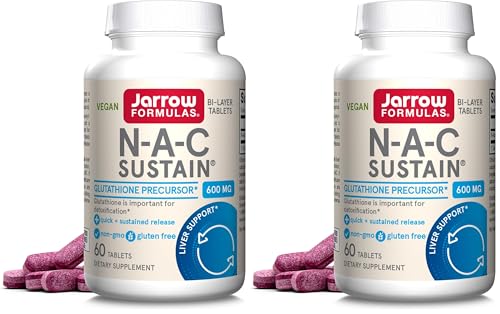
Jarrow Formulas N-A-C Sustain 600 mg, Dietary Supplement, NAC 600 mg, an Antioxidant Amino Acid Support for Liver Health, 60 Tablets, 60 Day Supply
"Jarrow Formulas NAC supplement 600 mg <strong>provides the antioxidant amino acid N-Acetyl L-Cysteine which supports detoxification processes</strong>.(1) This amino acid NAC supplement provides

AUVON Weekly Pill Organizer Arthritis Friendly, BPA Free Travel 7 Day Pill Box Case with Spring Open Design and Large Compartment to Hold Vitamins, Cod Liver Oil, Supplements and Medication
Enlarged Weekly Pill Organizer 7 Day, Daily Pill Box with Never Faded Etched 3D Date Labels, Travel Pill Case with Large Compartment for Medication, Vitamin, Fish Oil, Supplements(Rainbow) AUVON Weekl
Health Disclaimer
This content is for informational purposes only and does not constitute medical advice. Always consult a qualified healthcare provider before starting, stopping, or changing any supplement or medication regimen.